
ToolMage
Sign in

Best 1 Relocation Planning AI tools for Lifestyle

Popular Relocation Planning AI tools in Lifestyle include AskNova, helping you work more efficiently.

AskNova
Freemium

AskNova

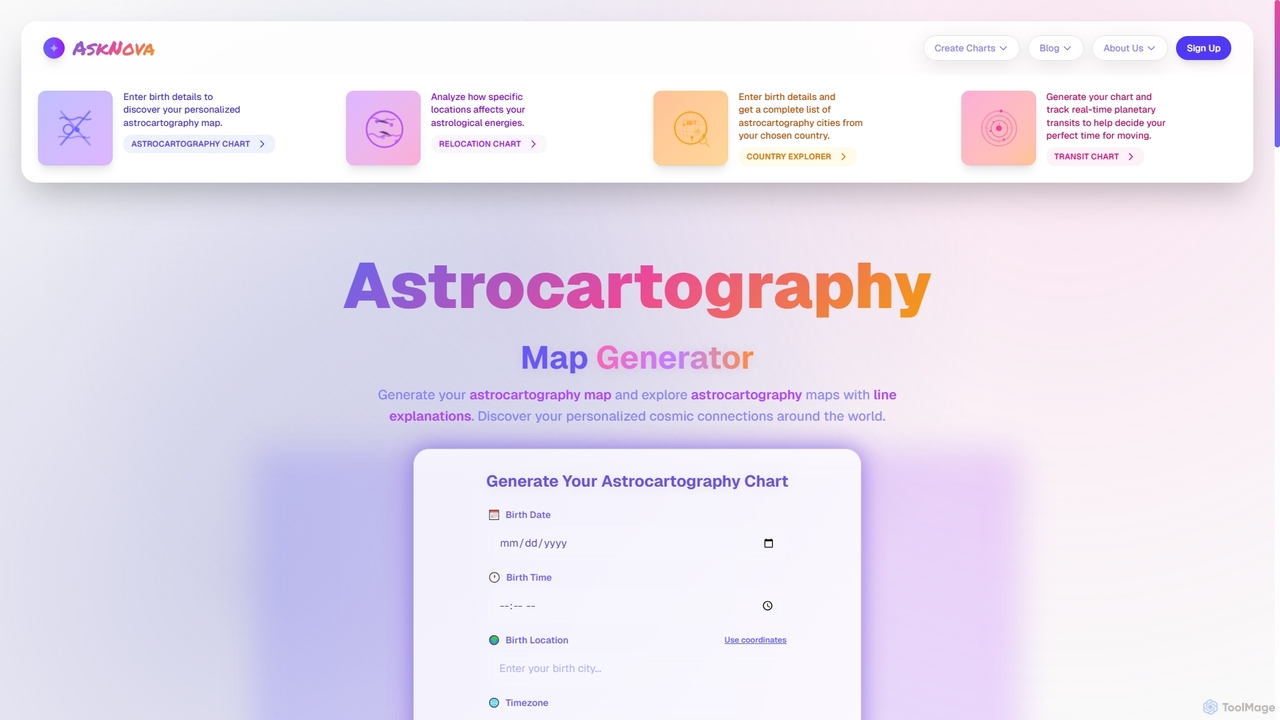
AskNova is an advanced AI-powered astrocartography calculator and chart generator that helps individuals discover how specific global locations influence their astrological energies. It provides personalized maps, relocation charts, and country-specific insights for informed life decisions.

Astrocartography
Visits 5.5KFavorites 129Likes 121

About Relocation Planning

Relocation Planning tools are AI-powered platforms designed to streamline and automate the complex process of moving to a new location. These tools leverage data analysis and machine learning to create personalized moving timelines, estimate costs, and provide data-driven recommendations. They transform the overwhelming task of relocation into a manageable, step-by-step project, helping users save time and avoid costly mistakes. Unlike static checklists, these AI assistants adapt to individual needs, from international corporate moves to local family relocations.

Core Features

  • Personalized Task Management: Generates dynamic checklists and timelines based on your destination, move date, and personal circumstances.
  • Intelligent Budgeting: Analyzes real-time data to provide accurate cost estimates for housing, shipping, travel, and living expenses.
  • Neighborhood Discovery: Recommends neighborhoods by matching your lifestyle preferences (e.g., schools, safety, commute) with local data.
  • Vendor Matching: Connects you with vetted service providers like movers, real estate agents, and legal advisors based on your profile.
  • Document Hub: Securely organizes and tracks essential documents, sending reminders for important deadlines like visa applications.

Use Cases

These tools are invaluable for individuals, families, and corporations. HR departments use them to manage employee relocations efficiently. Families planning a cross-country move rely on them to find suitable communities and schools. Digital nomads and expatriates use them to compare potential destinations based on cost of living, visa requirements, and quality of life.

How to Choose

When selecting a Relocation Planning tool, consider the scope of your move (local vs. international) and the level of personalization required. Evaluate the quality and source of its data for recommendations and cost estimates. Also, consider the user interface and whether its pricing model (subscription vs. one-time fee) aligns with your budget and the duration of your planning process.

Relocation Planning use cases

1

Streamlining International Employee Relocations

An HR manager at a multinational corporation is tasked with relocating a team to a new office abroad. Instead of manually researching visas, housing, and schools for each employee, they use an AI Relocation Planning tool. The platform creates a master template for the move, which is then automatically personalized for each employee based on their family size and role. The AI provides accurate cost-of-living adjustments for salary packages, recommends neighborhoods near the office and international schools, and connects employees with pre-vetted immigration consultants. This automates much of the administrative work, reducing planning time and ensuring a smoother transition for every employee.

2

Planning a Cross-Country Family Move

A family is planning a move from California to Texas. They use an AI relocation tool to manage the complexity. By inputting their budget, family size, and lifestyle preferences (e.g., preference for suburban areas with good public schools), the AI generates a shortlist of suitable cities and neighborhoods. It provides a detailed cost comparison, including differences in property taxes, housing prices, and utility costs. The tool also creates a comprehensive moving checklist with a timeline, from finding a real estate agent in Texas to scheduling movers and transferring school records, making the entire process feel organized and less stressful.

3

Digital Nomad City Selection and Planning

A freelance software developer, working as a digital nomad, wants to spend six months in Southeast Asia. They use an AI relocation planner to compare potential cities like Chiang Mai, Bali, and Ho Chi Minh City. The AI aggregates and presents crucial data side-by-side, including average rent for a one-bedroom apartment, co-working space costs, internet speeds, and visa requirements for their nationality. Based on their budget and work needs, the tool recommends Chiang Mai. It then helps them find a short-term rental, connects them with local expat communities online, and provides a checklist for pre-travel preparations like vaccinations and travel insurance.

4

University Student's First Move Away from Home

A high school graduate is moving to a new city for university. They feel overwhelmed by the process. Using an AI relocation planner, they input their university's location and a tight budget. The AI immediately suggests student-friendly neighborhoods with good public transport links to the campus. It helps them compare dorm costs versus off-campus shared apartments, providing links to student housing platforms. The tool also generates a 'first apartment' shopping checklist and a step-by-step guide for setting up utilities like electricity and internet, simplifying what would otherwise be a daunting experience for a first-time mover.

5

Planning for Retirement Relocation

A couple nearing retirement wants to move to a location with a lower cost of living and better climate. They use an AI planning tool to explore options. They input their priorities: proximity to quality healthcare, low property taxes, and access to recreational activities like golf and hiking. The AI analyzes data across hundreds of cities and presents a ranked list of destinations that match their criteria. For each city, it provides detailed information on local healthcare systems, tax implications for retirees, and community amenities. This data-driven approach allows them to make an informed decision without months of manual research.

6

Coordinating a Military Permanent Change of Station (PCS)

A military service member receives orders for a Permanent Change of Station (PCS) with only a few weeks' notice. They use an AI relocation tool specifically designed for military moves. The tool is pre-loaded with information on military housing offices, approved moving companies, and resources available at the new base. It helps them quickly calculate their entitlements like Dislocation Allowance (DLA) and Temporary Lodging Expense (TLE). The AI generates a customized timeline that aligns with military procedures, helping them schedule required appointments, manage the shipment of their household goods, and organize travel for their family, significantly reducing the stress of a time-sensitive move.

Relocation Planning FAQ

What are AI Relocation Planning tools?

AI Relocation Planning tools are advanced software platforms that use artificial intelligence to simplify and manage the entire process of moving. Unlike simple digital checklists, they actively assist users by creating personalized, dynamic action plans based on individual circumstances. Key features often include data-driven neighborhood recommendations, real-time budget tracking and cost estimation, and automated matching with vetted service providers like movers and real estate agents. They are designed to reduce the logistical complexity and emotional stress of relocation.

How do I choose the right AI Relocation Planning tool?

To choose the right tool, consider these factors:

  • Scope of Move: Does the tool specialize in domestic moves, or does it have robust features for international relocations, including visa and immigration information?
  • Data Quality: Check the sources of its data for cost of living, neighborhood stats, and school ratings. Reliable, up-to-date data is crucial for making good decisions.
  • Level of Personalization: Look for a tool that can tailor its recommendations and checklists to your specific needs, such as family size, budget, and lifestyle preferences.
  • Vendor Network: If you need to hire movers or agents, evaluate the quality and breadth of its network of service providers.
  • User Interface: The platform should be intuitive and easy to navigate to reduce, not add to, your stress.
What's the difference between an AI planner and a simple moving checklist app?

The key difference is intelligence and personalization. A simple checklist app provides a static, generic list of tasks (e.g., 'Pack boxes,' 'Hire movers'). An AI Relocation Planning tool does much more:

  • It's Dynamic: It creates a unique checklist tailored to your specific move, destination, and timeline.
  • It's Proactive: It doesn't just list tasks; it helps you complete them by recommending neighborhoods, estimating your budget, and matching you with vendors.
  • It's Data-Driven: It uses real-time data to inform its recommendations, offering insights a generic list cannot.

In short, a checklist app tells you *what* to do, while an AI planner helps you figure out *how*, *when*, and *with whom* to do it.

Can these tools help with the financial aspects of moving?

Yes, financial planning is a core feature of most AI Relocation Planning tools. They go beyond simple expense trackers by using AI to provide intelligent financial guidance. This can include:

  • Cost of Living Comparison: Analyzing data to show you the potential change in your monthly expenses, including housing, groceries, transportation, and taxes.
  • Budget Estimation: Creating a detailed, itemized budget for the entire move, from hiring movers to purchasing new furniture, based on real-world data for your destination.
  • Salary Calculation: For job-related moves, some tools can help estimate an appropriate salary in the new city by factoring in local market rates and cost of living differences.
Who can benefit most from AI Relocation Planning tools?

While anyone moving can benefit, these tools are particularly valuable for those facing complex or high-stakes relocations. This includes:

  • First-time Movers: Students or young professionals who are unfamiliar with the moving process.
  • Families with Children: People who need to research schools, childcare, and family-friendly neighborhoods.
  • International Expatriates: Individuals navigating the complexities of visas, international shipping, and cultural adjustments.
  • Corporate HR Departments: Teams managing multiple employee relocations who need an efficient, scalable, and consistent process.
  • Digital Nomads & Retirees: People exploring multiple potential destinations and needing to compare them on various data points.