Lifestyle Best in category 4 results Wellbeing AI Tool

Popular AI tools in the Wellbeing field of Lifestyle include soniahealth、PrayBible、Somniai、Saythanks, etc., helping you quickly improve efficiency.

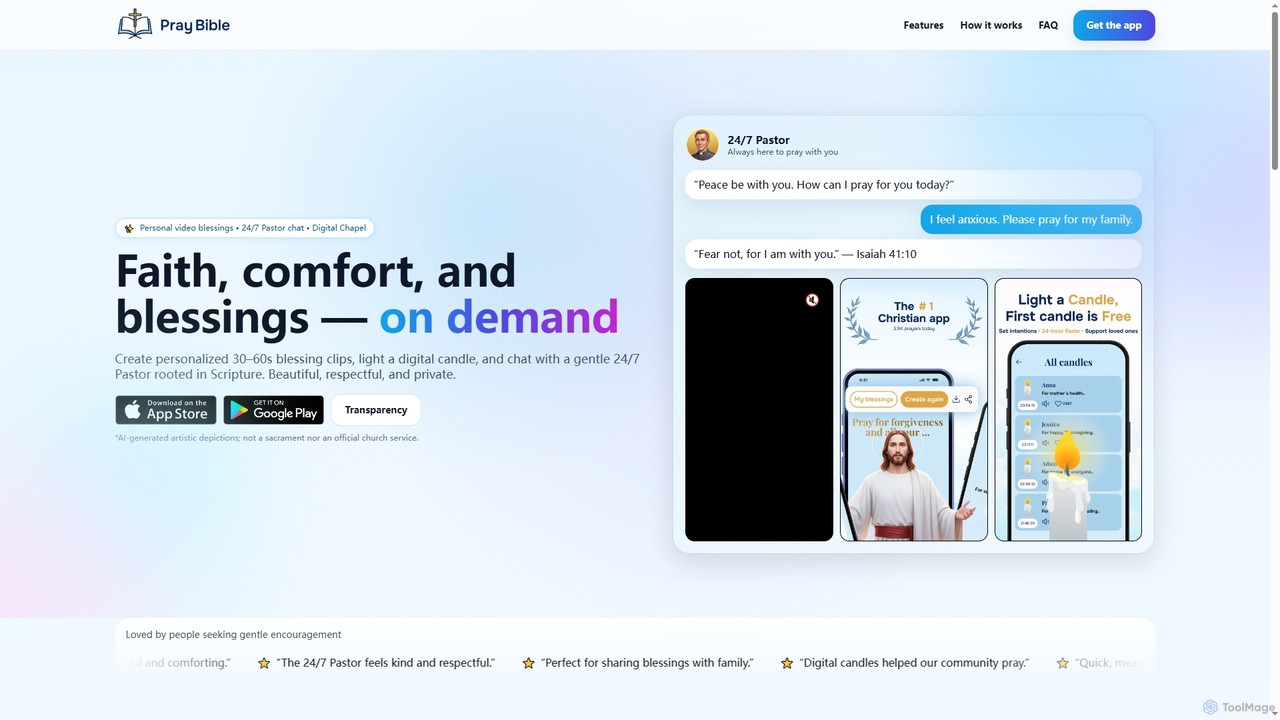
PrayBible

PrayBible

PrayBible is an AI-powered platform offering daily spiritual guidance, personalized video blessings, and 24/7 access to an AI …

4.3K
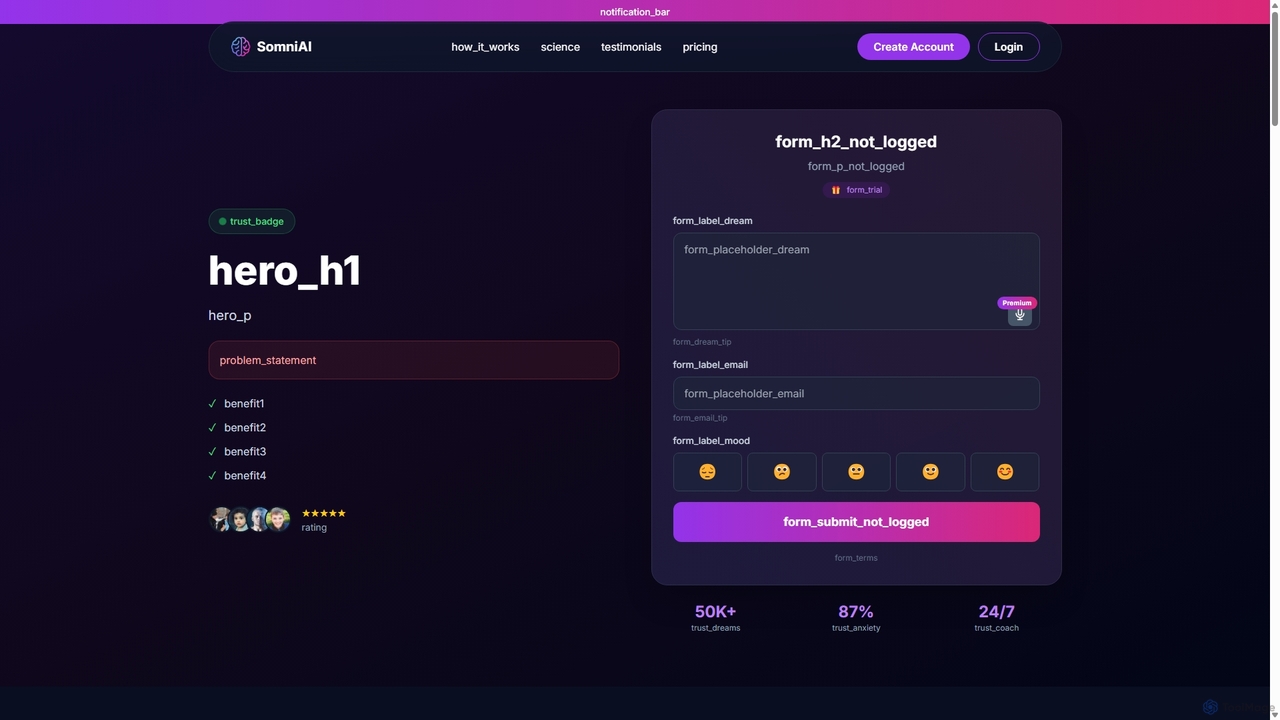
Somniai

Somniai

Somniai is an AI-powered dream interpretation tool designed to help you understand your subconscious mind. By analyzing your …

4.2K
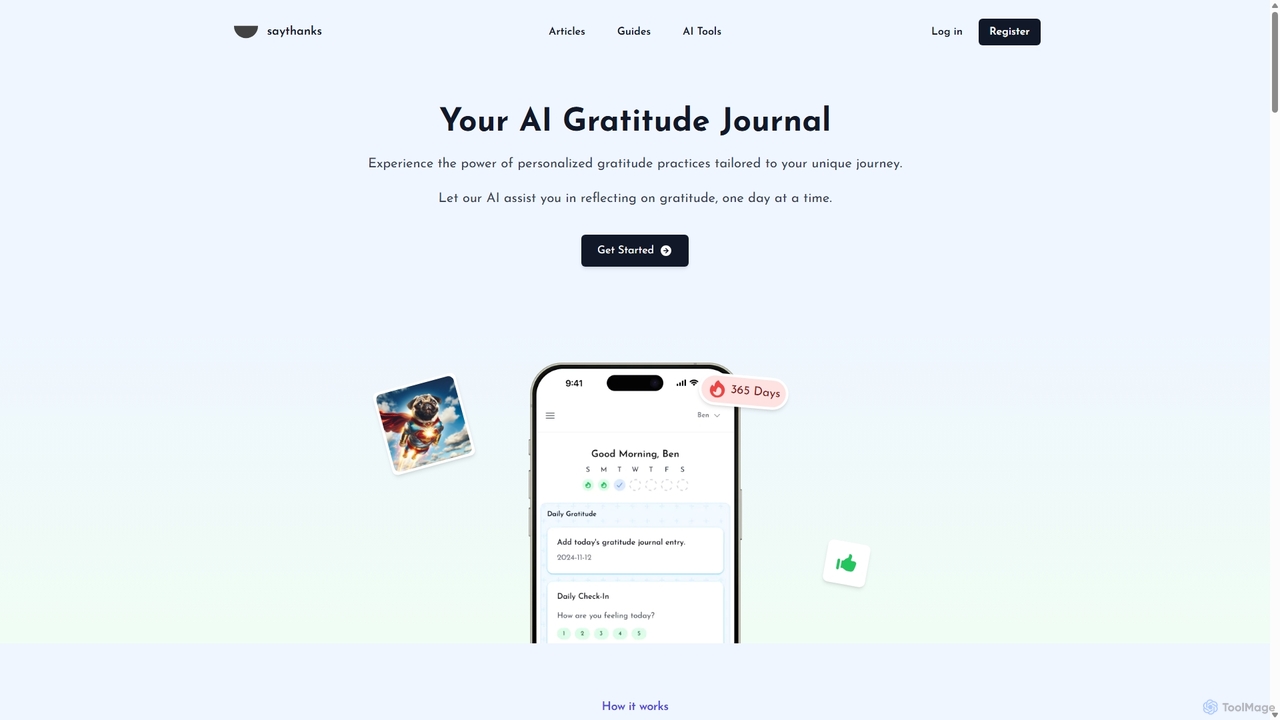
Saythanks

Saythanks

Saythanks is an AI-powered gratitude journal and mental wellness platform. It uses personalized AI prompts, guided meditations, and …

3.0K
soniahealth

soniahealth

Sonia is a conversational AI for emotional support, offering 20-minute voice-based wellbeing sessions. It provides a safe, anonymous, …

13.0K

About Wellbeing

Wellbeing AI tools are a specialized category within Lifestyle AI, leveraging artificial intelligence to enhance mental, emotional, and physical health. These tools utilize advanced algorithms to offer personalized insights, guided practices, and proactive support for users seeking to improve their overall quality of life. They are designed to help individuals manage stress, optimize sleep, foster mindfulness, and cultivate healthier habits through data-driven and adaptive approaches.

Core Features

  • Personalized Guidance: Offers tailored recommendations for meditation, exercise, or stress relief based on user data.
  • Emotional Intelligence: Analyzes mood patterns and provides empathetic responses or coping strategies.
  • Sleep Optimization: Tracks sleep cycles and suggests adjustments for improved rest and recovery.
  • Mindfulness & Meditation: Delivers guided sessions and exercises to enhance focus and reduce anxiety.
  • Habit Formation Support: Assists in building and maintaining positive routines for long-term health benefits.

Use Cases

Individuals seeking to proactively manage their mental health often turn to Wellbeing AI tools for daily stress reduction techniques and mood tracking. Professionals looking to improve work-life balance utilize these platforms for guided mindfulness breaks and sleep quality analysis. Moreover, anyone aiming to cultivate healthier habits can benefit from personalized coaching and progress monitoring provided by these intelligent systems.

How to Choose

When selecting a Wellbeing AI tool, prioritize its level of personalization and the scientific backing of its methodologies. Evaluate data privacy policies to ensure sensitive health information is protected. Consider integration capabilities with other health devices or apps you use. Finally, assess the user interface for ease of navigation and the availability of features like guided sessions, mood tracking, or personalized coaching that align with your specific wellness goals.

WellbeingUse Cases

1

Personalized Stress Management

An office worker experiencing daily stress uses an AI wellbeing app to track their mood, identify common triggers, and receive personalized recommendations for short breathing exercises or guided meditations during their workday. The AI adapts suggestions based on their real-time emotional state, helping them proactively manage stress and maintain focus.

2

Optimizing Sleep Quality

An individual struggling with inconsistent sleep patterns employs an AI-powered sleep tracker that analyzes their sleep cycles, duration, and disturbances. The tool then provides data-driven insights and suggests actionable changes, such as adjusting bedtime routines, optimizing bedroom environment, or recommending specific relaxation techniques before sleep, leading to improved rest.

3

Cultivating Daily Mindfulness

A student aiming to enhance concentration and reduce anxiety utilizes an AI mindfulness coach. The AI offers daily guided meditation sessions tailored to their current stress levels and time availability, progressively introducing new techniques. This helps the student build a consistent mindfulness practice, improving mental clarity and emotional regulation.

4

Building Sustainable Healthy Habits

Someone looking to establish a consistent exercise routine or healthier eating habits uses an AI habit formation tool. The AI provides personalized prompts, tracks progress, and offers motivational support, adapting its strategies based on the user's adherence and feedback. This helps overcome common barriers to habit formation and fosters long-term positive changes.

5

Emotional Processing & Self-Reflection

An individual seeking to better understand their emotions engages with an AI-powered journaling or mood tracking app. The AI helps them articulate feelings, identifies recurring emotional patterns, and offers prompts for self-reflection. This process facilitates emotional intelligence, provides a safe space for expression, and supports mental clarity.

6

Proactive Mental Health Monitoring

Users concerned about their mental well-being leverage AI tools that passively monitor digital activity or self-reported data to detect early signs of stress, burnout, or anxiety. The AI provides gentle nudges, suggests check-ins, or recommends professional resources if patterns indicate a need for further support, enabling proactive mental health care.

WellbeingFrequently Asked Questions