Marketing Best in category 1 results Audience Targeting AI Tool

Popular AI tools in the Audience Targeting field of Marketing include heatseeker, etc., helping you quickly improve efficiency.

heatseeker

heatseeker

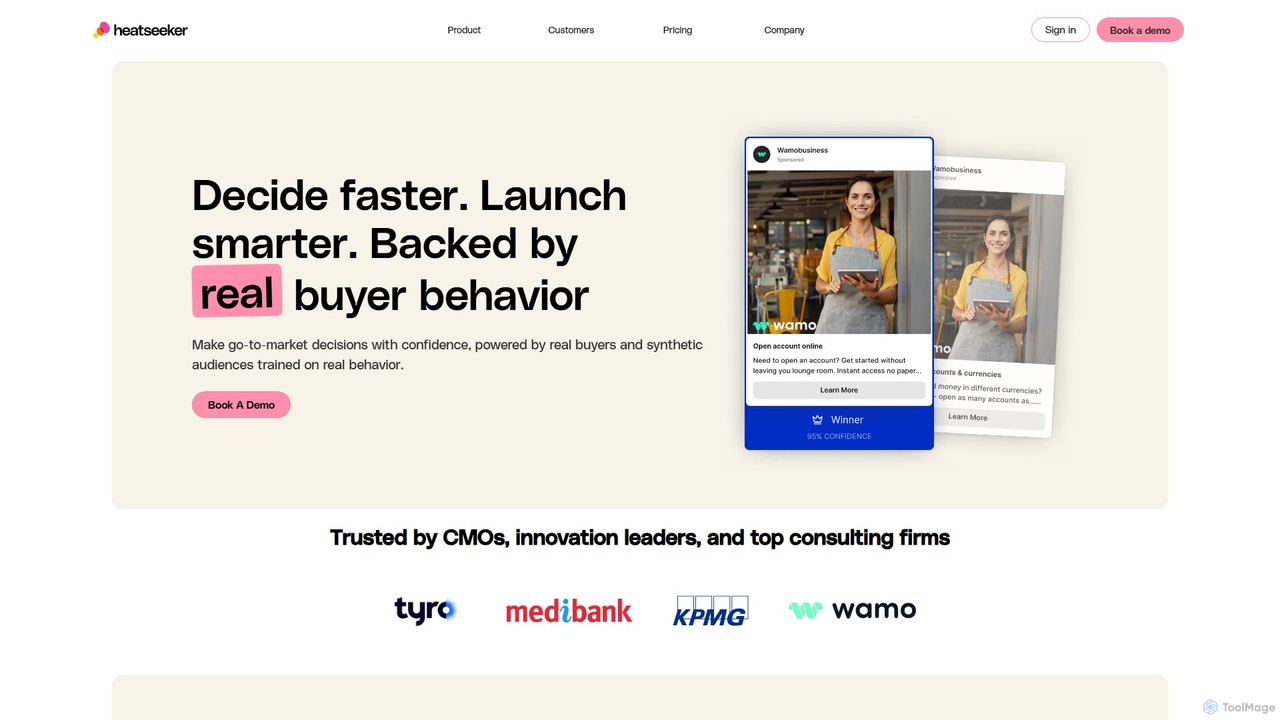
Heatseeker is an AI-powered market research platform that enables teams to make faster, smarter go-to-market decisions. It replaces …

19.5K

About Audience Targeting

Audience Targeting tools are AI-powered solutions designed to identify, segment, and engage specific groups of potential customers with precision. These tools leverage advanced machine learning algorithms and predictive analytics to analyze vast datasets, uncovering deep insights into consumer behavior, demographics, psychographics, and intent signals. By understanding who their ideal customers are and what drives them, businesses can deliver highly personalized marketing messages and optimize campaign performance across various channels. Ultimately, AI-driven audience targeting enhances marketing ROI by focusing efforts on the most receptive segments, minimizing wasted ad spend, and fostering stronger customer relationships.

Core Features

  • Advanced Data Analysis: Processes diverse data sources (CRM, web analytics, social) to build comprehensive audience profiles.
  • Predictive Segmentation: Utilizes machine learning to forecast future behaviors and segment audiences based on likelihood to convert, churn, or engage.
  • Lookalike Audience Generation: Identifies new potential customers who share characteristics and behaviors with existing high-value segments.
  • Real-time Optimization: Dynamically adjusts targeting strategies and ad placements based on live campaign performance and audience responses.
  • Personalized Content Delivery: Enables the automatic tailoring of marketing messages and content to resonate with specific audience segments.

Applicable Scenarios

Audience Targeting AI tools are indispensable for digital marketers, e-commerce managers, and content strategists. They are used to refine advertising campaigns by pinpointing high-intent segments, personalize product recommendations on online stores, and tailor content themes to specific reader interests. These tools help businesses of all sizes ensure their marketing efforts reach the right people at the right time with the most relevant message.

How to Choose

When selecting an Audience Targeting AI tool, consider its data integration capabilities with your existing marketing stack (CRM, CDP, ad platforms). Evaluate the granularity of its segmentation features, ensuring it can create micro-segments relevant to your business goals. Assess the accuracy of its predictive models and its ability to provide actionable insights. Finally, prioritize tools with an intuitive interface, robust reporting, and scalable infrastructure to grow with your marketing needs.

Audience TargetingUse Cases

1

Optimizing Digital Ad Campaigns

Digital marketers leverage AI Audience Targeting tools to identify and reach high-intent customer segments across platforms like Google Ads and social media. By analyzing past conversion data and behavioral patterns, these tools help allocate ad spend more effectively, reducing wasted impressions and significantly increasing click-through and conversion rates for specific product launches or promotions.

2

Personalizing E-commerce Product Recommendations

E-commerce businesses utilize AI targeting to deliver highly personalized product recommendations to individual shoppers. Based on browsing history, purchase patterns, and demographic data, the AI dynamically suggests relevant items on product pages, in shopping carts, and via email, enhancing the customer experience and driving higher average order values.

3

Tailoring Content Marketing Strategies

Content strategists and creators employ AI Audience Targeting to understand what topics, formats, and tones resonate most with different audience segments. This enables them to produce highly relevant blog posts, videos, and email newsletters that capture attention, build engagement, and guide specific segments through the marketing funnel more effectively.

4

Identifying High-Value Customer Segments for Retention

Businesses use AI to analyze their existing customer base, identifying segments with the highest lifetime value or those at risk of churn. By understanding the unique characteristics and behaviors of these groups, companies can develop targeted loyalty programs, personalized offers, or proactive retention campaigns, significantly improving customer lifetime value.

5

Launching New Products to Receptive Audiences

Product development and marketing teams use AI Audience Targeting to pinpoint ideal early adopters and market segments for new product launches. By analyzing market trends, competitor data, and consumer preferences, the tools help craft precise messaging and select optimal channels, ensuring a strong initial uptake and efficient market penetration.

6

Enhancing Email Marketing Personalization

Email marketers segment their subscriber lists with AI, moving beyond basic demographics to include engagement levels, past interactions, and predicted interests. This allows for the delivery of hyper-relevant email content, from promotional offers to educational newsletters, dramatically improving open rates, click-through rates, and overall campaign effectiveness.

Audience TargetingFrequently Asked Questions