Hammer A.I.
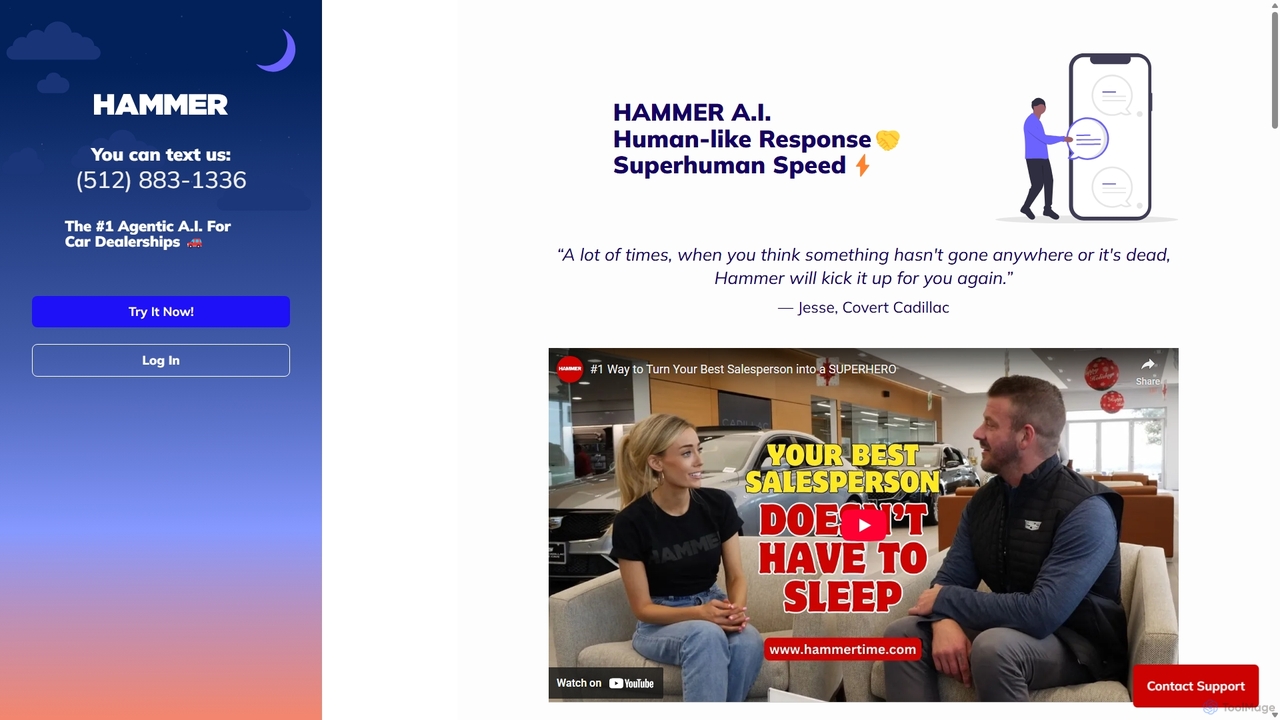
Hammer A.I. is a specialized agentic AI platform designed for car dealerships. It automates customer conversations 24/7 across …
Hammer A.I. is a specialized agentic AI platform designed for car dealerships. It automates customer conversations 24/7 across multiple channels like Autotrader, Facebook Messenger, and webchat. By providing instant, human-like responses based on your dealership's specific data, Hammer A.I. captures and qualifies leads after hours, ensuring you never miss a potential buyer and empowering your sales team to focus on closing deals.
Spyne
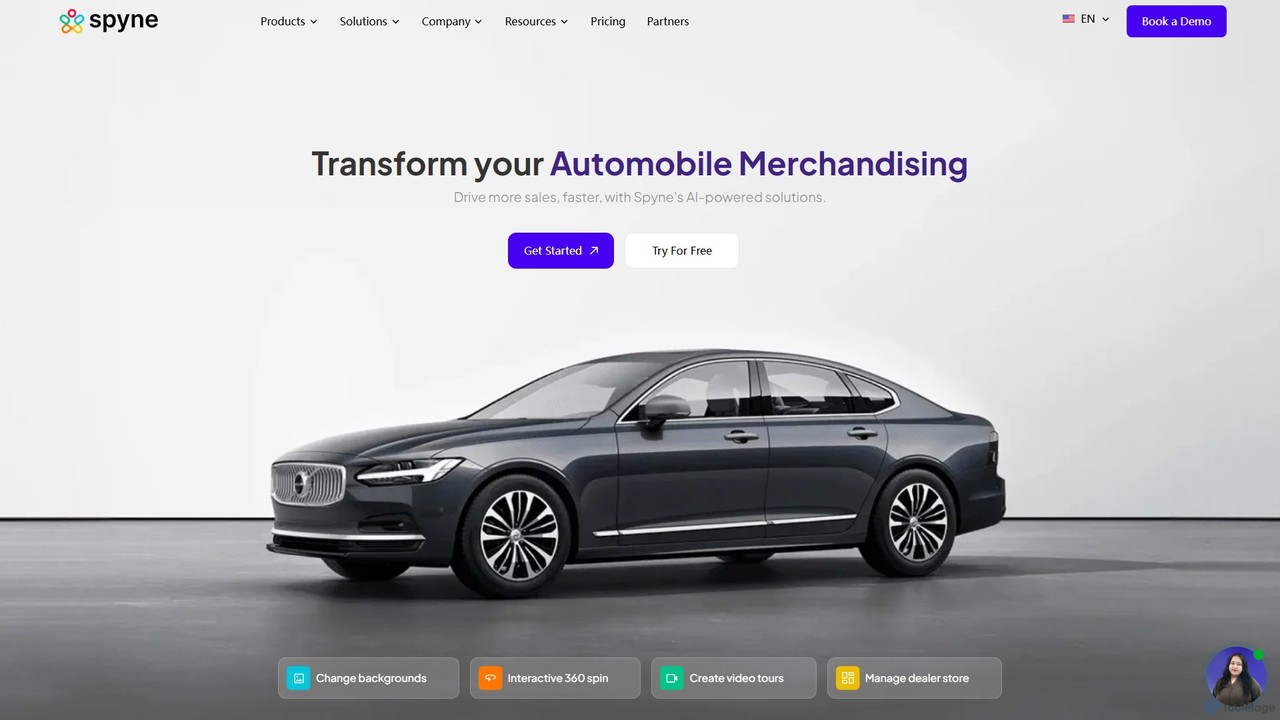
Spyne is an AI-powered platform for the automotive industry, automating vehicle photography and editing. It helps car dealerships …
Spyne is an AI-powered platform for the automotive industry, automating vehicle photography and editing. It helps car dealerships and marketplaces create professional, studio-quality images, 360° virtual tours, and videos in minutes, boosting sales and online engagement.
About Automotive
AI Automotive tools are specialized applications designed to enhance marketing and sales within the automotive industry. Leveraging machine learning, these tools analyze customer data and market trends to automate lead generation, personalize vehicle recommendations, and create dynamic marketing content. Their primary value lies in streamlining the complex car buying journey, improving customer engagement, and increasing sales conversion rates for dealerships and manufacturers. They offer a data-driven approach to a traditionally relationship-focused market.
Core Features
- AI-Powered Lead Scoring: Automatically qualifies and prioritizes sales leads based on engagement and demographic data.
- Dynamic Inventory Advertising: Generates targeted ads for specific vehicles in stock, updated in real-time.
- Personalized Vehicle Recommendations: Suggests cars to potential buyers based on their browsing history and stated preferences.
- Automotive Chatbots: Provides 24/7 customer support, answers vehicle-specific questions, and schedules test drives.
- Market Sentiment Analysis: Tracks and analyzes public opinion on car models, brands, and dealership services.
Use Cases
These tools are primarily used by car dealerships, automotive manufacturers, and online vehicle marketplaces. For instance, a dealership can use an AI chatbot to capture after-hours leads, while a manufacturer can analyze social media sentiment to gauge reaction to a new model launch. They are integral to modern digital marketing strategies in the auto sector.
How to Choose
When selecting an AI Automotive tool, consider its integration capabilities with your existing Dealer Management System (DMS) or CRM. Evaluate the accuracy of its data analytics and lead scoring models. Also, assess the tool's ability to manage and advertise real-time inventory, and ensure its user interface is intuitive for your sales and marketing teams.
AutomotiveUse Cases
Automate Lead Qualification for a Car Dealership
A marketing manager at a multi-location car dealership uses an AI-powered chatbot on their website. The chatbot engages visitors 24/7, answers common questions about vehicle availability, pricing, and features. It qualifies leads by asking targeted questions about budget and trade-in options. Once a visitor is identified as a high-intent buyer, the chatbot automatically schedules a test drive and syncs the appointment with the sales team's calendar and the dealership's CRM, ensuring no lead is missed and sales staff can focus on closing deals.
Generate Dynamic Descriptions for Used Car Inventory
An online used car marketplace needs to create unique, SEO-friendly listings for thousands of vehicles. They use an AI content generation tool that connects to their inventory database. For each vehicle, the AI pulls key data like make, model, year, mileage, features, and condition report. It then generates a compelling narrative description, highlighting the car's best attributes and ideal user (e.g., 'perfect for a growing family' or 'an efficient city commuter'). This process saves hundreds of hours of manual writing and improves search engine visibility for each listing.
Personalize Marketing for After-Sales Services
A service center at a dealership wants to increase customer retention. They use an AI marketing tool that analyzes customer vehicle data and service history. The tool predicts when a customer's vehicle is due for routine maintenance (like an oil change or tire rotation) or might need a specific repair based on the model's known issues. It then automatically sends personalized email or SMS reminders with a special offer, encouraging the customer to book their next service appointment. This proactive approach improves customer loyalty and generates consistent revenue for the service department.
Optimize Digital Ad Campaigns with Predictive Analytics
A regional automotive group aims to maximize its advertising budget. They employ an AI platform that analyzes historical sales data, web traffic, and local market trends. The AI predicts which vehicle models will be in high demand in specific zip codes and identifies the demographic profiles of the most likely buyers. Using these insights, the marketing team creates highly targeted ad campaigns on social media and search engines, allocating more budget to promising areas and models. This results in a higher return on ad spend (ROAS) and more efficient lead generation.
Monitor Brand Sentiment for a New Model Launch
An automotive manufacturer is launching a new electric vehicle (EV). The marketing team uses an AI sentiment analysis tool to monitor social media, automotive forums, and news articles for mentions of the new model. The tool categorizes mentions as positive, negative, or neutral and identifies key themes in the conversation, such as praise for its battery range or concerns about charging infrastructure. This real-time feedback allows the PR and marketing teams to quickly address misinformation, amplify positive reviews, and adjust their messaging to better align with public perception.
Create Virtual Showroom and Test Drive Experiences
To reach customers who prefer to shop from home, a progressive dealership implements an AI-powered virtual tour tool. This tool generates high-fidelity 3D models of cars in their inventory. Potential buyers can explore the vehicle's interior and exterior in 360 degrees, change colors, and view different trim levels. Some advanced tools even simulate a virtual test drive experience on various roads. This immersive technology helps bridge the gap between online browsing and an in-person visit, increasing engagement and qualifying leads before they even step into the showroom.