ToolMage
Sign in

Best 2 Brand Ambassador AI tools for Marketing

Popular Brand Ambassador AI tools in Marketing include Ravatar and Echo AI, helping you work more efficiently.

Echo AI
Freemium

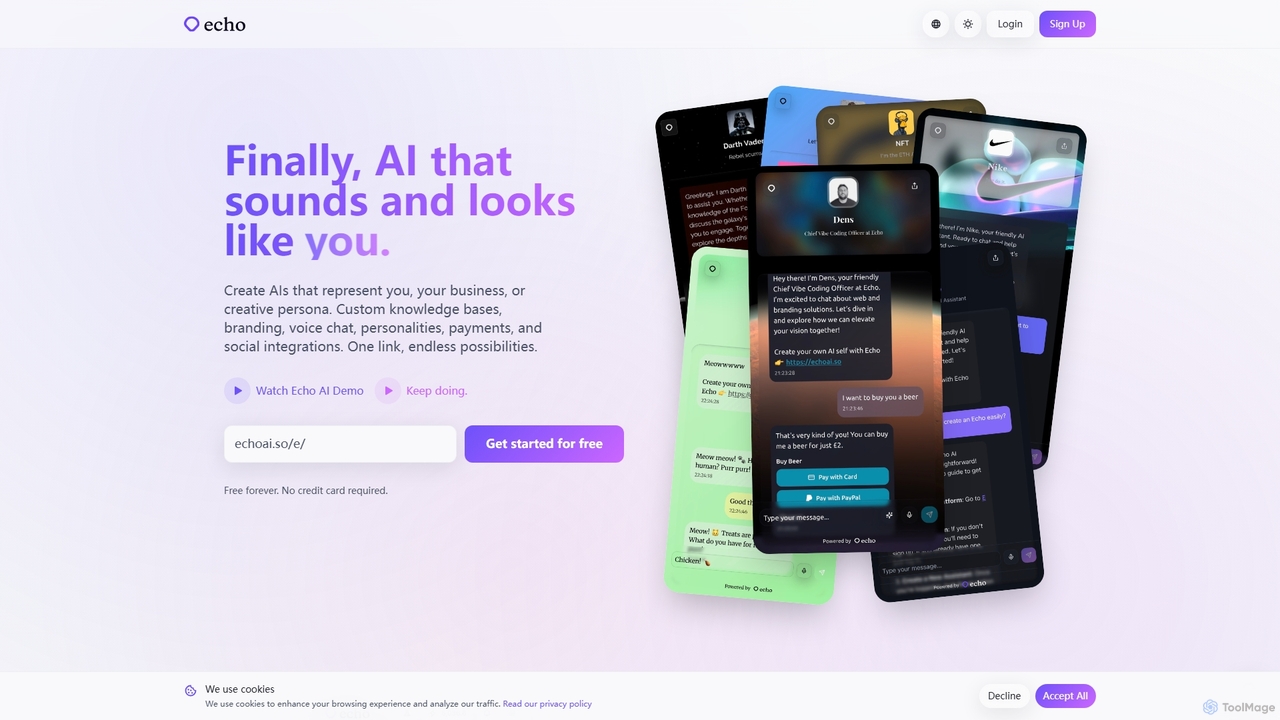
Echo AI

Echo AI is an innovative platform enabling creators, influencers, and businesses to build highly personalized AI assistants in minutes. These custom AIs mimic your unique voice, personality, and brand, engaging audiences across various platforms with custom knowledge bases, voice chat, and payment integrations. It offers a seamless way to scale your presence and connect authentically, all from a single customizable link.

Personalization
Visits 9.1KFavorites 47Likes 54
Ravatar
Paid

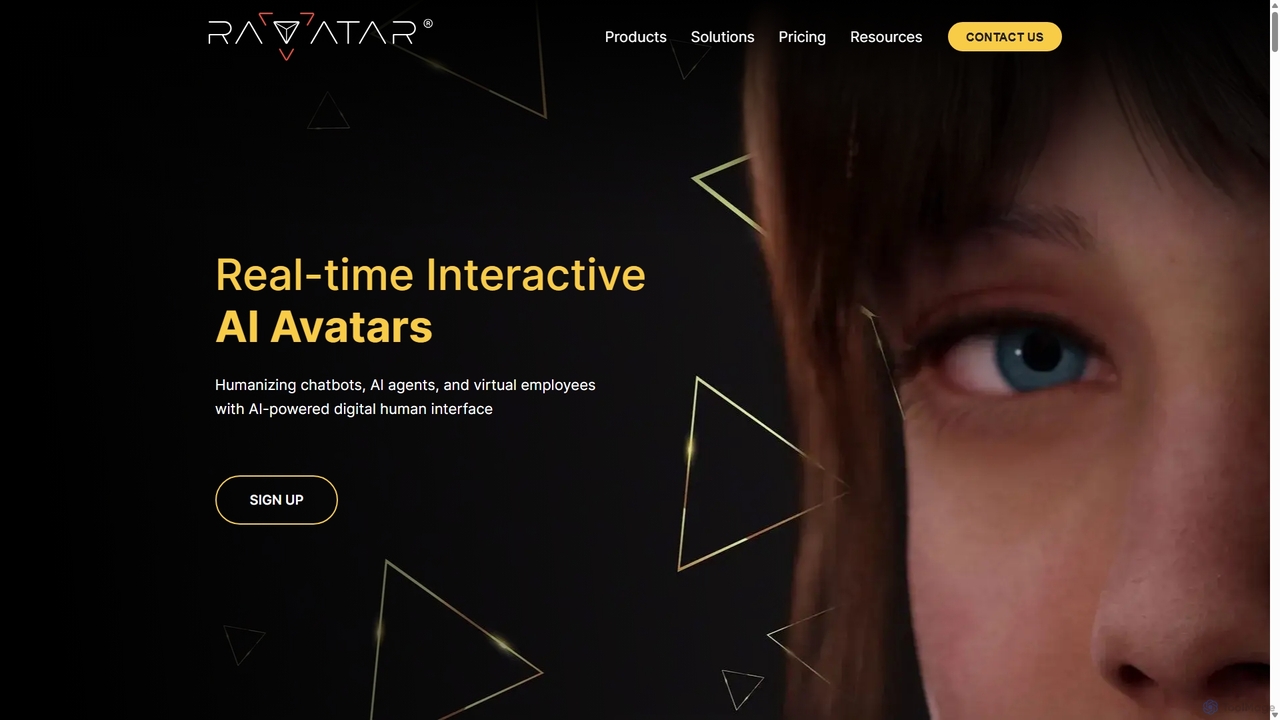
Ravatar

Ravatar is an advanced platform for creating and deploying real-time, interactive 3D AI avatars and digital humans. It humanizes AI interactions for businesses by providing lifelike virtual employees, brand ambassadors, and customer service agents. Featuring deep customization, natural language processing, and seamless integration with holographic displays and existing AI stacks, ravatara transforms digital engagement across various industries, from healthcare to hospitality and events.

Digital Human
Visits 19.6KFavorites 129Likes 132

About Brand Ambassador

AI Brand Ambassador tools are specialized platforms that automate and optimize the process of discovering, managing, and analyzing brand advocacy programs. These tools leverage machine learning to scan social media and online communities, identifying individuals who demonstrate genuine affinity and engagement with a brand. They streamline the entire ambassador lifecycle, from recruitment and communication to content tracking and reward distribution. The primary value of these tools lies in building authentic, scalable word-of-mouth marketing channels and fostering long-term community relationships.

Core Features

  • AI-Powered Discovery: Automatically identifies potential ambassadors based on criteria like engagement, content relevance, audience demographics, and brand affinity.
  • Ambassador Relationship Management (ARM): Provides a centralized dashboard to manage communications, distribute campaign briefs, and nurture relationships with advocates.
  • Performance Analytics: Tracks key metrics such as reach, engagement, conversions, and calculates the ROI of ambassador programs.
  • Automated Reward System: Streamlines the process of distributing rewards, commissions, or free products based on predefined performance milestones.
  • Content Aggregation & Amplification: Collects user-generated content from ambassadors and facilitates its repurposing across the brand's official marketing channels.

Use Cases

These tools are particularly effective for direct-to-consumer (D2C) brands in sectors like fashion, beauty, fitness, and gaming. Marketing managers, community managers, and brand strategists use them to scale advocacy programs beyond manual spreadsheets. They are essential for companies looking to build a strong community and generate authentic social proof, moving from transactional influencer campaigns to long-term partnerships.

How to Choose

When selecting an AI Brand Ambassador tool, evaluate the sophistication of its discovery algorithm—how well it identifies truly aligned advocates. Assess the platform's workflow automation capabilities for managing communication and rewards. Examine the depth of its analytics and reporting to ensure you can effectively measure ROI. Also, consider its integration capabilities with e-commerce platforms (like Shopify for affiliate sales tracking) and social media networks.

Brand Ambassador use cases

1

Scaling an E-commerce Ambassador Program

A direct-to-consumer fashion brand wants to scale its community marketing efforts beyond a few dozen manual relationships. Using an AI Brand Ambassador tool, their marketing manager identifies 500 micro-influencers who have previously mentioned their brand organically or engaged with their content. The platform automates the outreach and onboarding process, providing each new ambassador with a unique affiliate link and a welcome kit. This allows the brand to build a large, authentic advocacy network and track sales directly attributed to each ambassador, turning community engagement into a measurable revenue stream.

2

Building a B2B Tech Advocacy Community

A SaaS company aims to build a community of expert users to act as advocates. Their community manager uses an AI tool to monitor LinkedIn and specialized forums to find power users who actively discuss topics related to their software. The tool helps identify individuals with credible expertise and a relevant professional following. The company then invites these experts into an exclusive ambassador program, offering them early access to new features and a platform to share their insights. This strategy establishes the company as a thought leader and generates high-quality, trusted testimonials and content within their niche.

3

Automating Rewards for a Gaming Community

A video game developer runs a program for streamers and content creators. Manually tracking content creation and distributing rewards (like in-game currency or merchandise) is time-consuming. They implement an AI Brand Ambassador platform that connects to Twitch and YouTube APIs. The platform automatically detects when an ambassador publishes a relevant video or streams their game. Based on predefined rules (e.g., views, hours streamed), it automatically allocates points or rewards to the creator's account, saving the community team dozens of hours per week and ensuring fair, timely compensation.

4

Measuring the ROI of an Ambassador Program

A brand strategist for a cosmetics company needs to justify the budget for their ambassador program. They use the analytics dashboard of their AI platform to track performance. The tool aggregates data on reach, engagement rates across different social platforms, and website traffic driven by ambassador links. More importantly, by integrating with their e-commerce store, it tracks the exact revenue generated from each ambassador's unique discount code. This provides a clear ROI calculation, allowing the strategist to demonstrate the program's financial impact and identify the most effective ambassadors for future campaigns.

5

Creating a Virtual Brand Ambassador

A forward-thinking tech startup wants a consistent, 24/7 brand presence on its social media channels. They use an AI tool to create a virtual brand ambassador—an AI-powered avatar with a distinct personality and visual style aligned with their brand. This virtual ambassador engages with followers, answers common questions, and shares company news in a consistent brand voice. This approach provides a novel way to interact with the audience, ensures brand messaging is always on-point, and frees up the human social media team to focus on higher-level strategy and creative campaigns.

6

Streamlining Content Collection and Approvals

A lifestyle brand works with hundreds of ambassadors who create content for Instagram and TikTok. Managing submissions, providing feedback, and getting usage rights was a logistical challenge. They adopt an AI ambassador platform with a dedicated content portal. Ambassadors upload their draft content directly to the portal. The marketing team can then review, comment, and approve posts in a centralized location. The platform also automates the process of securing content rights upon submission, creating an organized, legally compliant library of user-generated content ready for repurposing.

Brand Ambassador FAQ

What are AI Brand Ambassador tools?

AI Brand Ambassador tools are software platforms that use artificial intelligence to automate and enhance the management of brand advocacy programs. They go beyond simple spreadsheets by using AI to discover authentic fans, streamline communication, automate reward distribution, and provide in-depth analytics on program performance and ROI. Their main purpose is to help brands build and scale long-term, relationship-based marketing with genuine advocates.

How do these tools differ from Influencer Marketing platforms?

The key difference lies in focus and relationship type.

  • Brand Ambassador Tools: Focus on building long-term, authentic relationships with genuine fans and customers (advocates). The goal is sustained community building and word-of-mouth marketing.
  • Influencer Marketing Platforms: Often focus on more transactional, campaign-based collaborations with creators based primarily on their audience size and reach. The goal is typically short-term amplification.
AI in ambassador tools is often used to find genuine brand affinity, not just follower counts.

Who should use AI Brand Ambassador tools?

These tools are ideal for marketing and community managers in companies that value community and long-term brand loyalty. They are particularly beneficial for:

  • D2C E-commerce Brands: (e.g., fashion, beauty, wellness) that want to scale word-of-mouth marketing.
  • SaaS Companies: Looking to build a community of expert users and advocates.
  • Gaming Companies: To manage relationships with streamers and content creators.
  • Consumer Tech Brands: To engage with enthusiasts and power users.
Essentially, any business aiming to transform happy customers into active brand promoters can benefit.

How do I choose the right AI Brand Ambassador tool?

When selecting a tool, consider these factors:

  • Discovery Accuracy: How well does the AI identify relevant and authentic ambassadors, not just accounts with many followers?
  • Management Features: Does it offer robust tools for communication, content submission, and automated reward fulfillment?
  • Analytics & ROI Tracking: Can you easily measure key metrics and track revenue generated by the program?
  • Integrations: Does it connect with your essential platforms, such as your e-commerce store (e.g., Shopify), CRM, and social media channels?
  • Scalability: Can the platform grow with your program from a few dozen to hundreds or thousands of ambassadors?

Can these tools create virtual or AI ambassadors?

Yes, some advanced platforms within this category offer features for creating virtual brand ambassadors. These are AI-powered digital characters or avatars designed to represent a brand online. They can interact with customers on websites, answer questions on social media, and feature in digital marketing campaigns. This functionality allows brands to create a consistent, controllable, and highly available brand personality that can engage with audiences 24/7.