Marketing Best in category 3 results Brand Strategy AI Tool

Popular AI tools in the Brand Strategy field of Marketing include GALE、NameStorm AI、Andhuman, etc., helping you quickly improve efficiency.

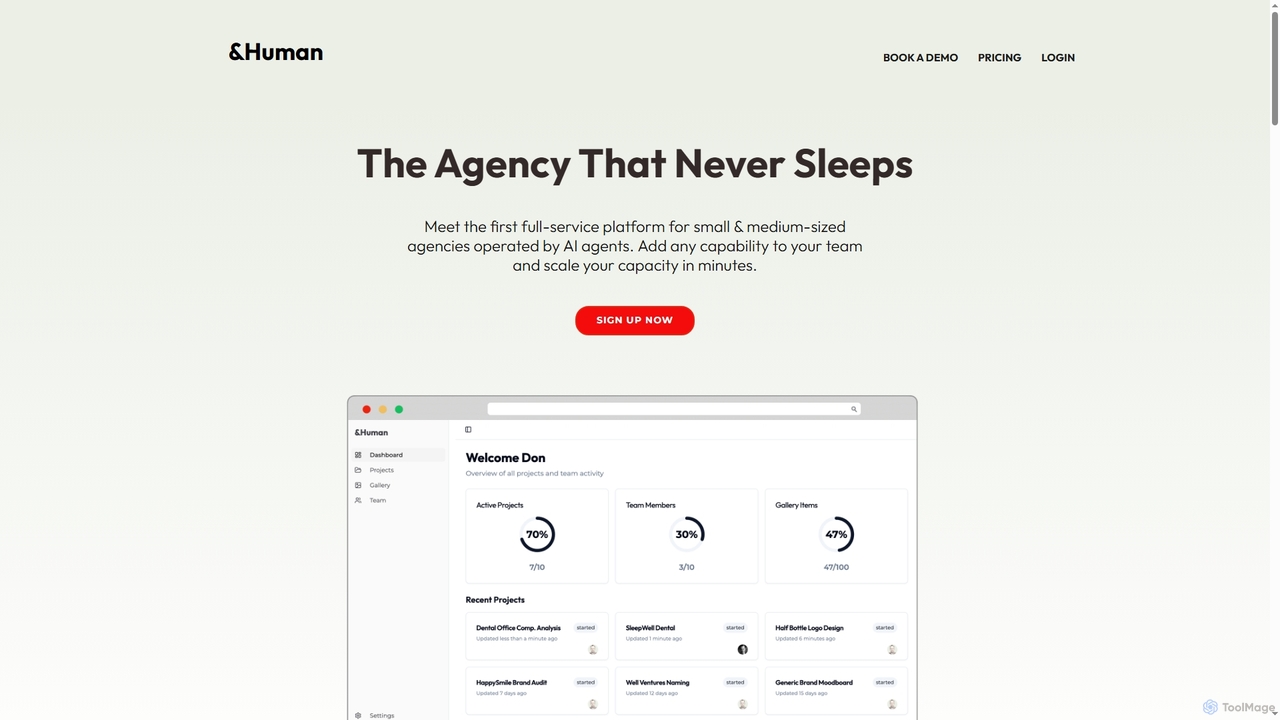
Andhuman

Andhuman

Andhuman is an AI-powered Agency-as-a-Service platform designed for agencies, corporates, founders, and freelancers. It provides a full suite …

37
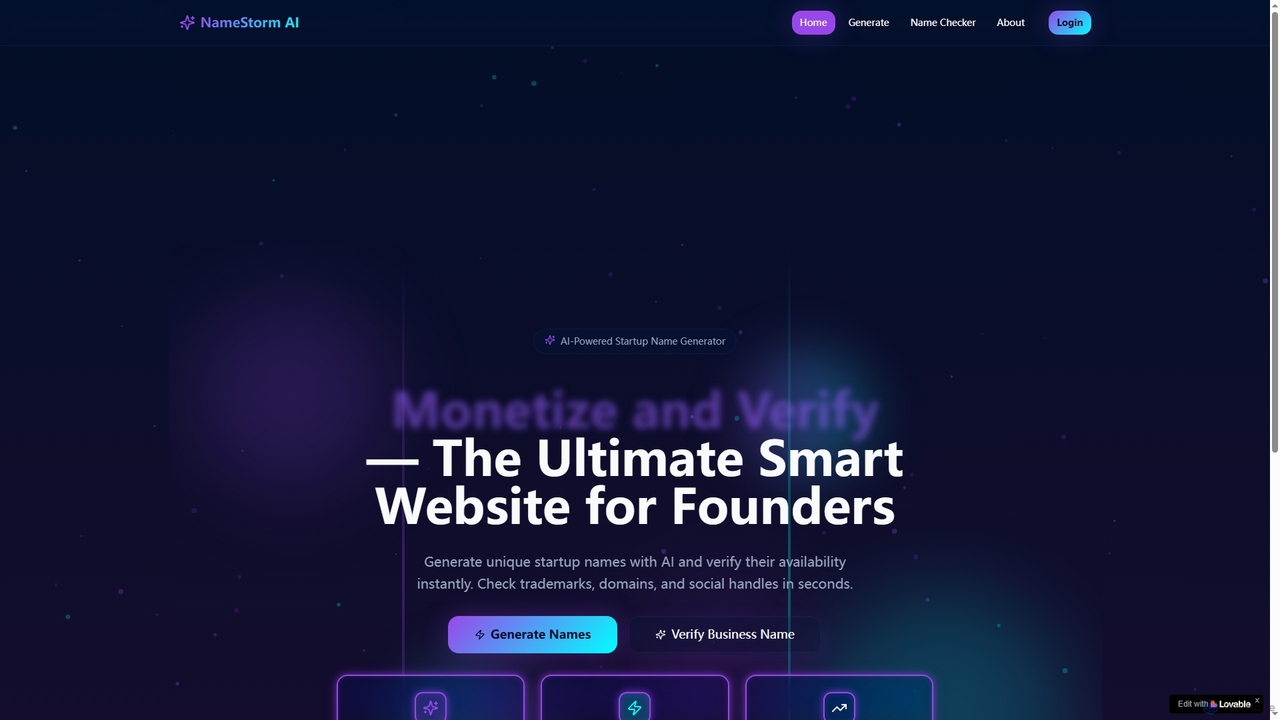
NameStorm AI

NameStorm AI

NameStorm AI is an AI-powered startup name generator that helps founders create unique, memorable brand names. It instantly …

3.1K
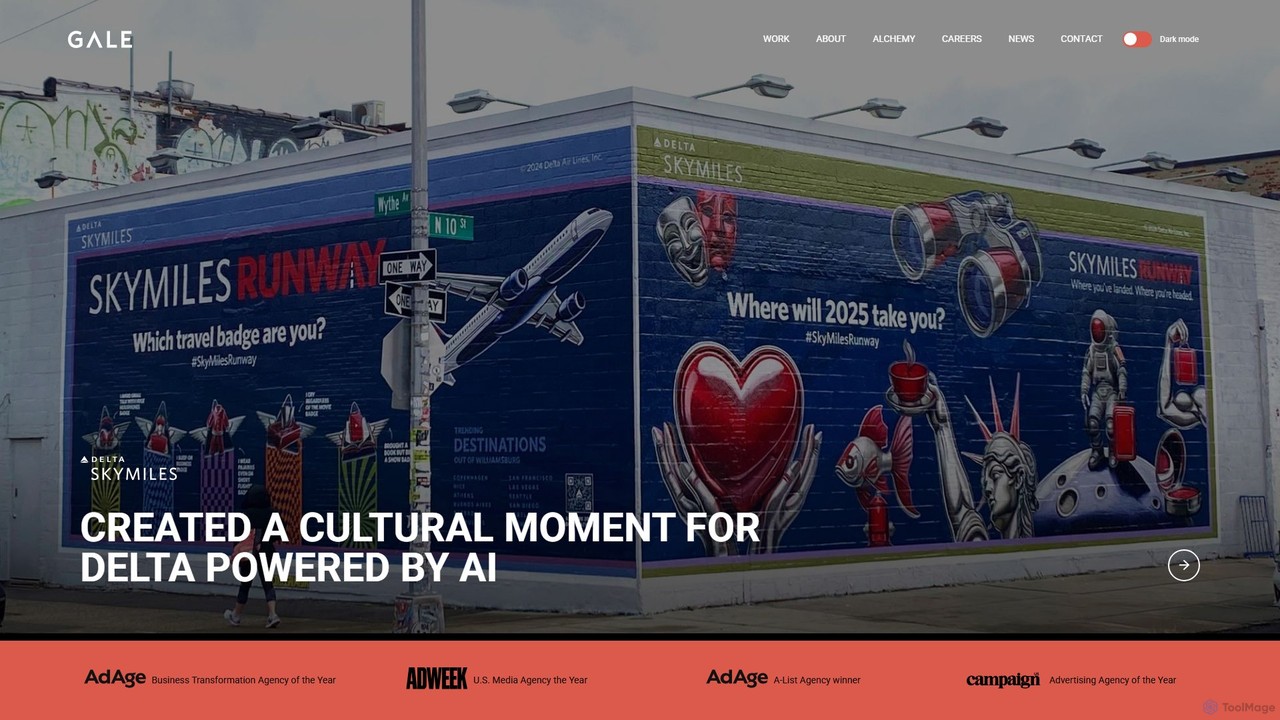
GALE

GALE

GALE is an award-winning business agency that leverages AI, data, and creativity to drive business transformation for leading …

42.3K

About Brand Strategy

AI Brand Strategy tools are a specialized class of software that uses artificial intelligence to define, develop, and manage a brand's core identity. They analyze vast amounts of market data, competitor positioning, and consumer sentiment to generate strategic insights and foundational brand elements. These tools help businesses build a consistent and resonant brand presence, from defining a mission statement to crafting a unique voice. They streamline the strategic process that precedes creative execution within the broader marketing landscape.

Core Features

  • Market Positioning Analysis: Identifies gaps in the market and analyzes competitor strategies to suggest a unique brand position.
  • Audience Persona Generation: Creates detailed, data-driven profiles of ideal customers, including their motivations and pain points.
  • Brand Voice & Messaging Development: Defines a consistent tone of voice and generates key messaging pillars for all communications.
  • Value Proposition Crafting: Helps articulate the core benefits and unique selling points of the brand in a clear, compelling way.
  • Naming & Slogan Ideation: Brainstorms creative and relevant brand names, taglines, and slogans based on core brand attributes.

Use Cases

These tools are valuable for startups building a brand from scratch, established companies looking to rebrand, and marketing agencies developing strategies for clients. They are used to ensure consistency across all marketing campaigns, guide content creation, and inform product launch strategies, providing a solid foundation for all marketing activities.

How to Choose

When selecting an AI Brand Strategy tool, consider the depth of its data analysis capabilities and the sources it uses. Evaluate the quality and customizability of its outputs, such as personas and voice guidelines. Also, check for integration options with other marketing platforms and assess whether the user interface aligns with your team's technical skill level.

Brand StrategyUse Cases

1

Building a Brand Identity for a New Startup

A startup founder uses an AI tool to analyze the competitive landscape for their new SaaS product. The AI generates several target audience personas, suggests a unique market position focused on 'simplicity for non-technical users,' and provides a brand voice guide that is 'helpful and encouraging.' This foundation is then used to create the website copy, marketing materials, and company mission statement, ensuring consistency from day one.

2

Repositioning an Existing E-commerce Brand

An established e-commerce store notices declining engagement with its younger audience. The marketing team uses an AI brand strategy tool to analyze social media trends and competitor messaging. The tool identifies a shift in consumer values towards sustainability. It then helps craft a new value proposition and messaging pillars that highlight the brand's eco-friendly practices, guiding a successful repositioning campaign.

3

Ensuring Campaign Consistency for Marketing Teams

A corporate marketing manager is launching a multi-channel campaign. To maintain brand consistency, they input the core brand strategy document into an AI tool. The tool then generates tailored messaging for different platforms (LinkedIn, Instagram, Email) that adheres to the established brand voice and tone. This prevents message fragmentation and reinforces a unified brand image across all touchpoints.

4

Developing a Data-Driven Content Strategy

A content marketing team needs to create a content plan that resonates with their target audience. They use an AI brand strategy tool to analyze their generated customer personas' pain points and interests. The tool suggests content themes and topics that directly address these needs, ensuring that every blog post and video provides genuine value and strengthens the brand's authority in its niche.

5

Crafting a Compelling Value Proposition

A product team is struggling to articulate what makes their new software unique. They input product features and competitor data into an AI brand strategy tool. The AI analyzes the information and generates several clear and concise value proposition statements. The team can then test these messages to see which one resonates most strongly with potential customers, saving hours of brainstorming.

6

Generating a Brand Name and Slogan

An entrepreneur needs a memorable name for a new direct-to-consumer coffee brand. They provide the AI tool with keywords like 'artisan,' 'ethically sourced,' and 'morning ritual.' The AI generates hundreds of name suggestions, checks for domain availability, and creates corresponding slogans. This accelerates the creative process and provides a wide range of options to choose from, forming the first step of the brand's identity.

Brand StrategyFrequently Asked Questions