Marketing Best in category 2 results Content Automation AI Tool

Popular AI tools in the Content Automation field of Marketing include RepublishAI、Circulos, etc., helping you quickly improve efficiency.

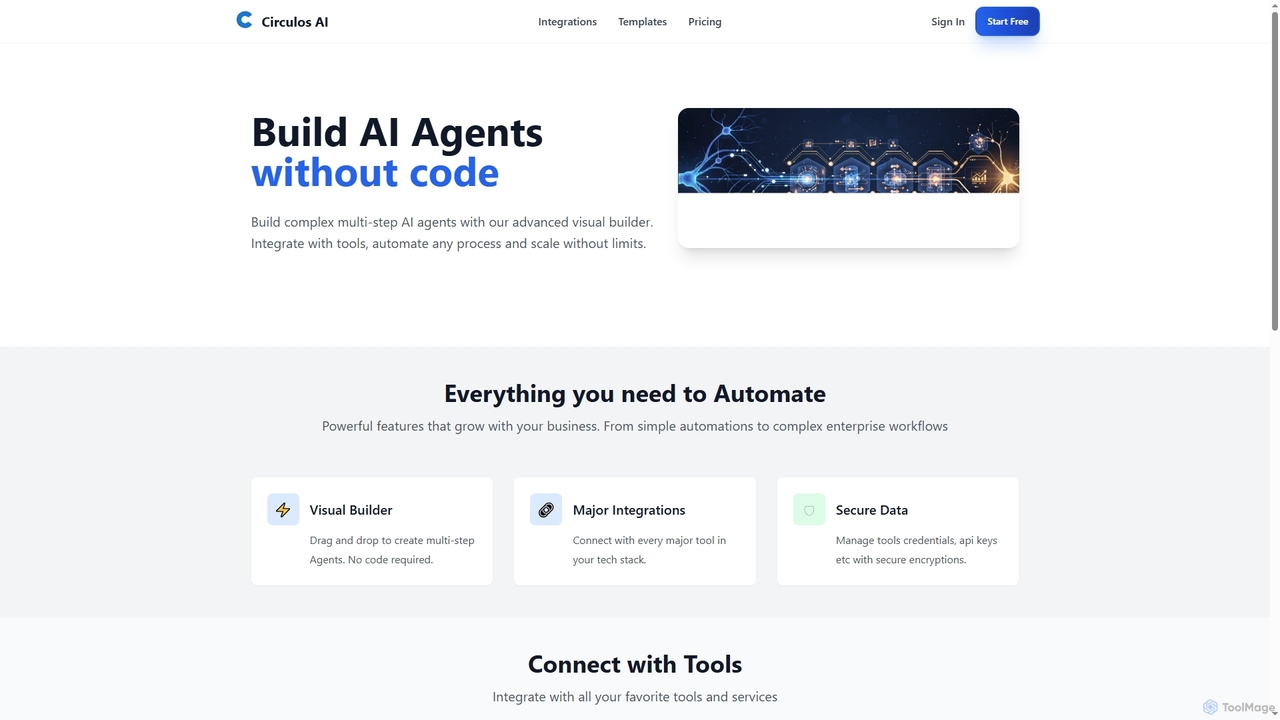
Circulos

Circulos

Circulos is a no-code AI automation platform that empowers businesses to build complex, multi-step AI agents using an …

3.1K
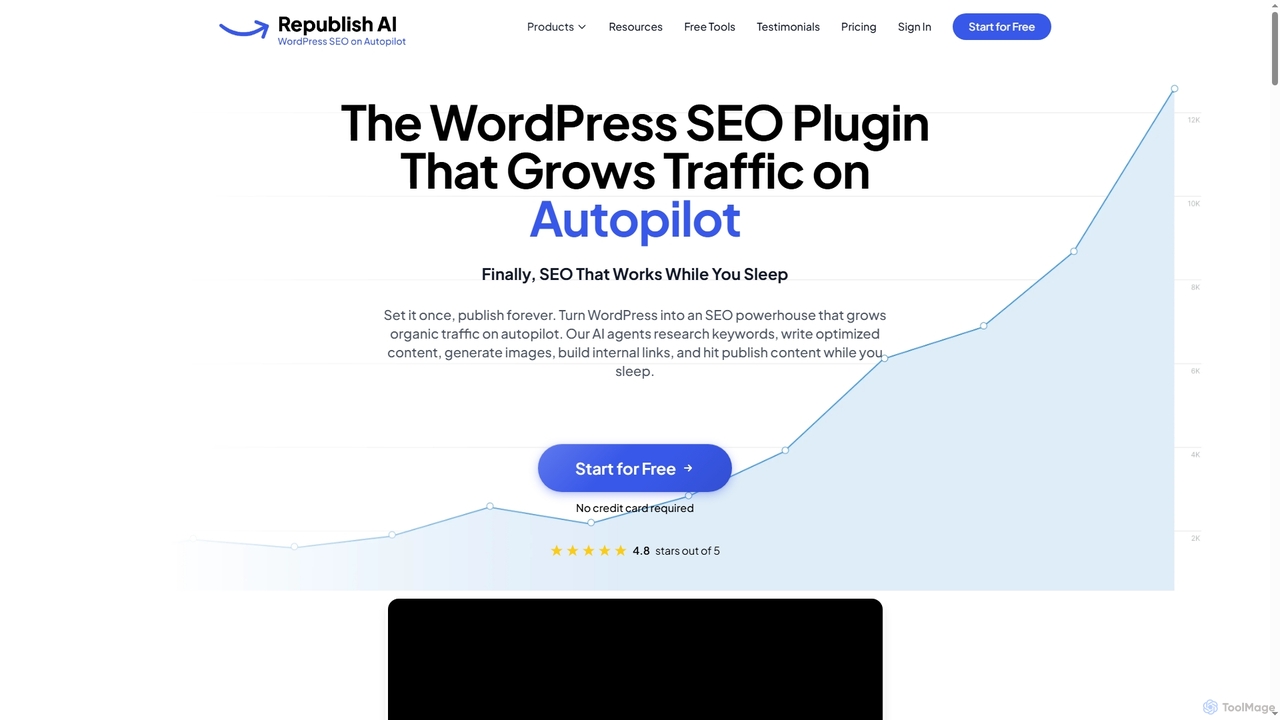
RepublishAI

RepublishAI

RepublishAI is an advanced WordPress SEO plugin that automates content creation, optimization, and publishing. It uses AI agents …

6.2K

About Content Automation

Content Automation tools are a class of AI-powered platforms designed to streamline and scale the entire content lifecycle, from creation to distribution and analysis. These tools leverage data inputs, predefined templates, and generative AI models to automatically produce, schedule, and personalize content across various channels. Their primary value lies in significantly boosting marketing efficiency, ensuring brand consistency, and enabling personalized communication at scale. This makes them a crucial component within the broader marketing technology stack for businesses aiming to maintain a high-volume, high-quality content output.

Core Features

  • Template-Based Generation: Automatically create content like social media posts or emails from structured data and customizable templates.
  • Automated Scheduling & Distribution: Plan and publish content across multiple platforms (blogs, social media, newsletters) according to a predefined calendar.
  • Data-Driven Personalization: Dynamically adapt content elements for different audience segments based on user data, behavior, or CRM information.
  • Content Repurposing: Intelligently break down long-form content (like a webinar) into smaller formats (like blog posts, social snippets, or quotes).
  • Performance Analytics: Automatically track key content metrics and generate reports to provide insights for optimization.

Use Cases

Content Automation is particularly valuable for marketing teams, social media managers, and e-commerce businesses. For instance, a marketing team can automate the generation and scheduling of a month's worth of social media content. An e-commerce store can use it to auto-generate unique product descriptions for thousands of items from a simple data sheet, enhancing SEO and saving countless hours.

How to Choose

When selecting a Content Automation tool, consider its integration capabilities with your existing marketing stack (CRM, analytics, social media platforms). Evaluate the level of customization available for templates and brand voice. Assess its scalability to handle your required content volume and the variety of content formats it supports. Finally, examine its data handling and personalization features to ensure it meets your audience engagement goals.

Content AutomationUse Cases

1

Automated Social Media Calendar Management

A social media manager for a B2B tech company needs to maintain a consistent presence across LinkedIn, Twitter, and Facebook. Instead of manually creating and scheduling posts daily, they use a Content Automation tool. They input key monthly themes, target keywords, and links to recent blog posts. The tool then generates a full calendar of posts, complete with varied copy, relevant hashtags, and suggested imagery. The manager reviews, approves, and the tool automatically publishes the content throughout the month, saving over 15 hours of work weekly.

2

Personalized Email Nurturing Campaigns

An email marketer wants to create a nurturing sequence for new leads. By integrating a Content Automation tool with their CRM, they can set up a workflow that triggers personalized emails. The tool pulls lead data (like industry or job title) to dynamically insert relevant case studies or blog posts into a standard email template. This creates a highly relevant experience for each recipient without manual intervention, improving open rates and lead conversion by tailoring content to individual user profiles.

3

Bulk E-commerce Product Description Generation

An e-commerce manager for a fashion retailer is launching a new collection with 500 products. Writing unique, SEO-friendly descriptions for each is a monumental task. They upload a CSV file with product attributes (e.g., material, color, style, fit) to a Content Automation platform. The tool uses a predefined template that incorporates these attributes to generate compelling and distinct descriptions for every single product. This process reduces a multi-week project to a few hours, ensures brand voice consistency, and improves product page SEO from day one.

4

Automated Data-Driven Reporting

A marketing analyst is responsible for creating weekly performance reports for stakeholders, a process that involves pulling data from Google Analytics, social media platforms, and ad networks. Using a Content Automation tool, they connect these data sources once. The tool then automatically generates a weekly report in a predefined format, complete with charts, key metric summaries, and AI-generated insights highlighting significant trends or anomalies. The report is automatically emailed to the stakeholder list every Monday morning, freeing the analyst to focus on strategic analysis rather than data compilation.

5

Multi-Channel Content Repurposing

A content strategist produces a one-hour webinar. To maximize its value, they upload the transcript to a Content Automation platform. The tool automatically identifies key themes and talking points. It then generates a series of assets: a 1,200-word blog post summarizing the webinar, five key takeaway graphics for Instagram, a series of ten tweets with quotes and insights, and a summary for an email newsletter. This automated repurposing ensures the core message reaches different audiences on their preferred platforms, extending the content's lifespan and ROI without significant manual effort.

6

A/B Testing Content Variations at Scale

A digital marketing agency wants to optimize email subject lines and social media ad copy for a client. Manually creating dozens of variations for A/B testing is time-consuming. They use a Content Automation tool to generate 20 different subject line variations and 15 ad copy alternatives based on a core message. The tool can also integrate with their ad platform to automatically set up and run the A/B tests. This allows the agency to test more variables simultaneously, quickly identify the highest-performing copy, and deliver better results for their client with greater efficiency.

Content AutomationFrequently Asked Questions