ToolMage
Sign in

Best 1 Distribution AI tools for Marketing

Popular Distribution AI tools in Marketing include RSS.com, helping you work more efficiently.

RSS.com
Freemium

RSS.com

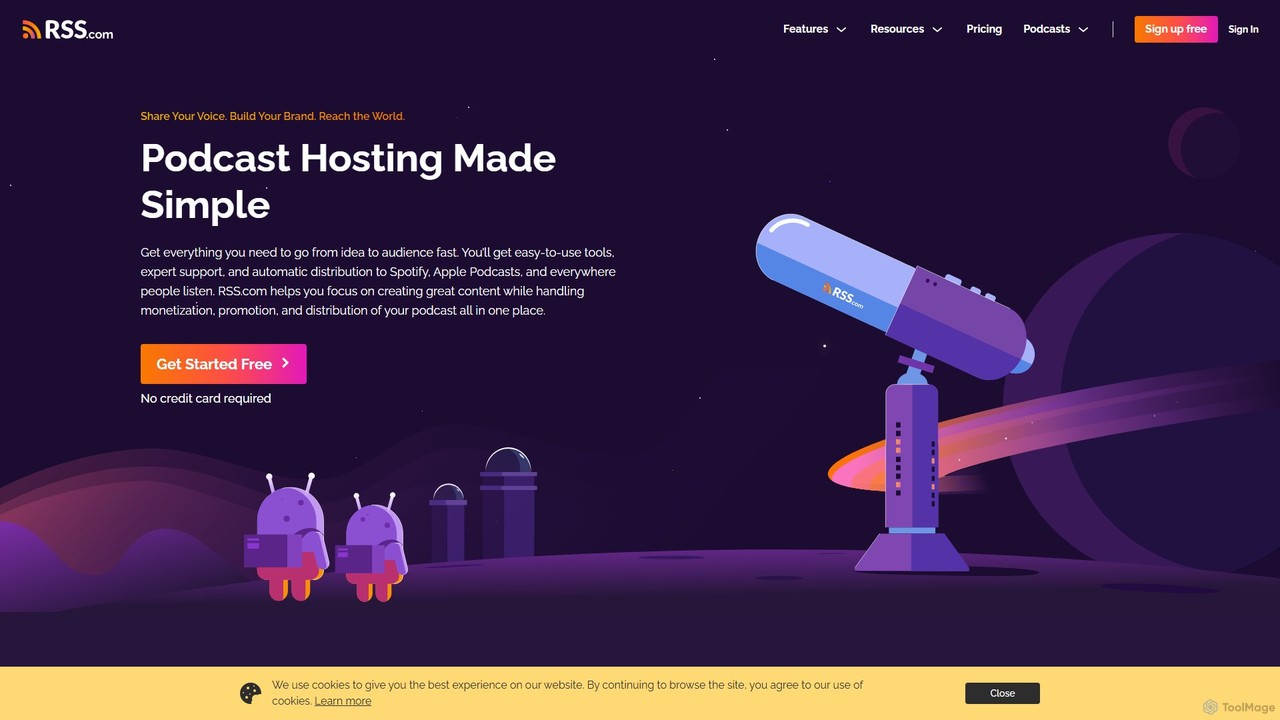
RSS.com is an all-in-one podcasting platform that simplifies hosting, distribution, monetization, and analytics. It offers user-friendly tools, automatic distribution to major platforms like Spotify and Apple Podcasts, cross-platform analytics, and monetization options. With features like automatic transcriptions and a free podcasting website, it empowers creators of all levels to launch, grow, and monetize their shows effortlessly.

Transcription
Visits 1MFavorites 154Likes 123

About Distribution

AI-powered distribution tools are specialized platforms designed to automate, optimize, and personalize the delivery of marketing content, products, or services to target audiences across various digital channels. These tools leverage artificial intelligence to analyze audience behavior, predict optimal delivery times, and tailor messages for maximum impact, significantly enhancing the reach and effectiveness of marketing campaigns within the broader marketing strategy.

Core Features

  • Multi-channel Publishing: Automates scheduling and posting across social media, email, web, and other platforms.
  • Audience Segmentation: Intelligently groups users based on demographics, behavior, and preferences for targeted delivery.
  • Personalized Content Delivery: Dynamically adapts content and offers to individual user profiles and real-time interactions.
  • Performance Analytics: Tracks engagement, reach, and conversion metrics to inform optimization strategies.
  • Automated Campaign Deployment: Orchestrates and executes complex distribution workflows without manual intervention.

Use Cases

Businesses utilize AI distribution tools to streamline their outreach efforts. For instance, a content marketing team can automatically publish blog posts, videos, and infographics across all relevant social platforms and email newsletters at peak engagement times. E-commerce businesses can syndicate product listings to multiple marketplaces and social shopping channels, ensuring wider visibility and consistent product information.

How to Choose

When selecting an AI distribution tool, consider its compatibility with your existing marketing channels and tech stack. Evaluate its audience segmentation and personalization capabilities, as well as the depth of its analytics and reporting features. Scalability, ease of integration, and the level of automation offered are also crucial factors to ensure it meets your specific distribution needs and growth trajectory.

Distribution use cases

1

Automated Social Media Content Scheduling

A social media manager uses an AI distribution tool to analyze audience engagement patterns and automatically schedule posts across Instagram, Facebook, X (formerly Twitter), and LinkedIn. The AI identifies optimal posting times for different content types and geographies, ensuring maximum reach and interaction without manual oversight, freeing up time for content creation and strategy.

2

Personalized Email Campaign Delivery

An email marketer leverages AI distribution to segment their subscriber list into micro-groups based on past purchase history, browsing behavior, and demographic data. The tool then dynamically personalizes email subject lines, content, and product recommendations for each segment, delivering tailored messages that significantly increase open rates and conversion metrics for e-commerce promotions.

3

E-commerce Product Listing Syndication

An online retailer employs an AI distribution platform to automatically syndicate their entire product catalog to various online marketplaces like Amazon, eBay, and Google Shopping, as well as social commerce platforms. The AI ensures consistent product information, pricing, and inventory levels across all channels, expanding market reach and reducing manual data entry errors.

4

Targeted Ad Campaign Deployment

A digital advertising specialist utilizes AI distribution to deploy and optimize ad campaigns across multiple platforms such as Google Ads, Meta Ads, and programmatic ad networks. The AI continuously monitors campaign performance, adjusts bidding strategies, and reallocates budget to the best-performing channels and audience segments in real-time, maximizing ROI and minimizing ad spend waste.

5

Content Marketing Asset Distribution

A content strategist uses AI distribution to ensure their blog posts, whitepapers, and video tutorials reach the right professional audiences. The tool identifies relevant industry forums, professional networks, and niche communities, then automates the sharing process, often tailoring snippets for each platform, thereby boosting organic traffic and establishing thought leadership.

6

Press Release and Media Outreach Automation

A PR professional employs an AI distribution system to identify relevant journalists, media outlets, and industry influencers for press release dissemination. The AI personalizes outreach emails and tracks engagement, ensuring that important company announcements reach key media contacts efficiently, increasing the likelihood of media coverage and brand visibility.

Distribution FAQ

What are AI Distribution Tools?

AI distribution tools are software solutions that use artificial intelligence to automate and optimize the process of delivering marketing content, products, or services to target audiences. They analyze data to determine the best channels, times, and personalized messages for outreach, making the distribution phase of marketing more efficient and effective. These tools are crucial for scaling outreach efforts and ensuring content reaches the right people.

How do AI Distribution Tools differ from general Marketing Automation Platforms?

While general marketing automation platforms cover a broad range of marketing tasks from lead nurturing to CRM integration, AI distribution tools specifically focus on the *delivery* aspect. They leverage advanced AI for deeper audience segmentation, predictive scheduling, and hyper-personalization of content delivery across channels, going beyond rule-based automation to dynamically optimize how and when messages are sent to maximize engagement and conversion.

What are the key benefits of using AI for content distribution?

The primary benefits include enhanced efficiency through automation, improved reach by identifying optimal channels and times, and increased engagement due to hyper-personalized content delivery. AI distribution tools can also provide deeper insights into audience behavior, allowing for continuous optimization of strategies, ultimately leading to higher conversion rates and a better return on marketing investment.

Which channels can AI Distribution Tools typically manage?

AI distribution tools are designed to manage a wide array of digital channels. This typically includes social media platforms (Facebook, Instagram, X, LinkedIn), email marketing services, content management systems for blogs and websites, e-commerce marketplaces (Amazon, eBay), and various digital advertising networks. Some advanced tools can also integrate with messaging apps and push notification services for comprehensive multi-channel outreach.

What should I consider when integrating an AI Distribution Tool with my existing tech stack?

When integrating an AI distribution tool, prioritize compatibility with your current CRM, content management system (CMS), and analytics platforms. Ensure it offers robust APIs or native integrations for seamless data flow. Evaluate its ability to centralize reporting and provide a unified view of your distribution performance across all connected channels. Data security and compliance with privacy regulations are also critical considerations.