Marketing Best in category 6 results Growth Hacking AI Tool

Popular AI tools in the Growth Hacking field of Marketing include Dealify、WITH MBA、MakerBox、Metryka、GrowthMakers、Startupvisors, etc., helping you quickly improve efficiency.

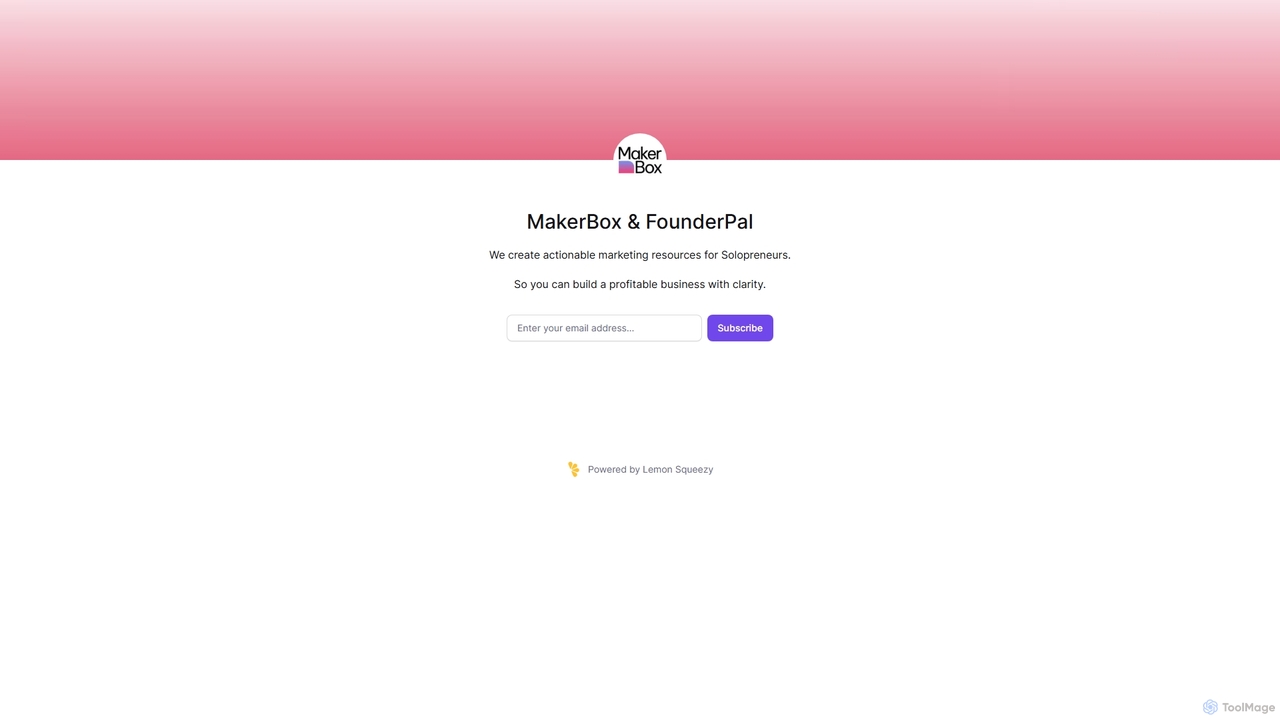
MakerBox

MakerBox

MakerBox provides solopreneurs with a comprehensive suite of AI-powered marketing resources and actionable playbooks. It's designed to eliminate …

3.1K
Free
Dealify

Dealify

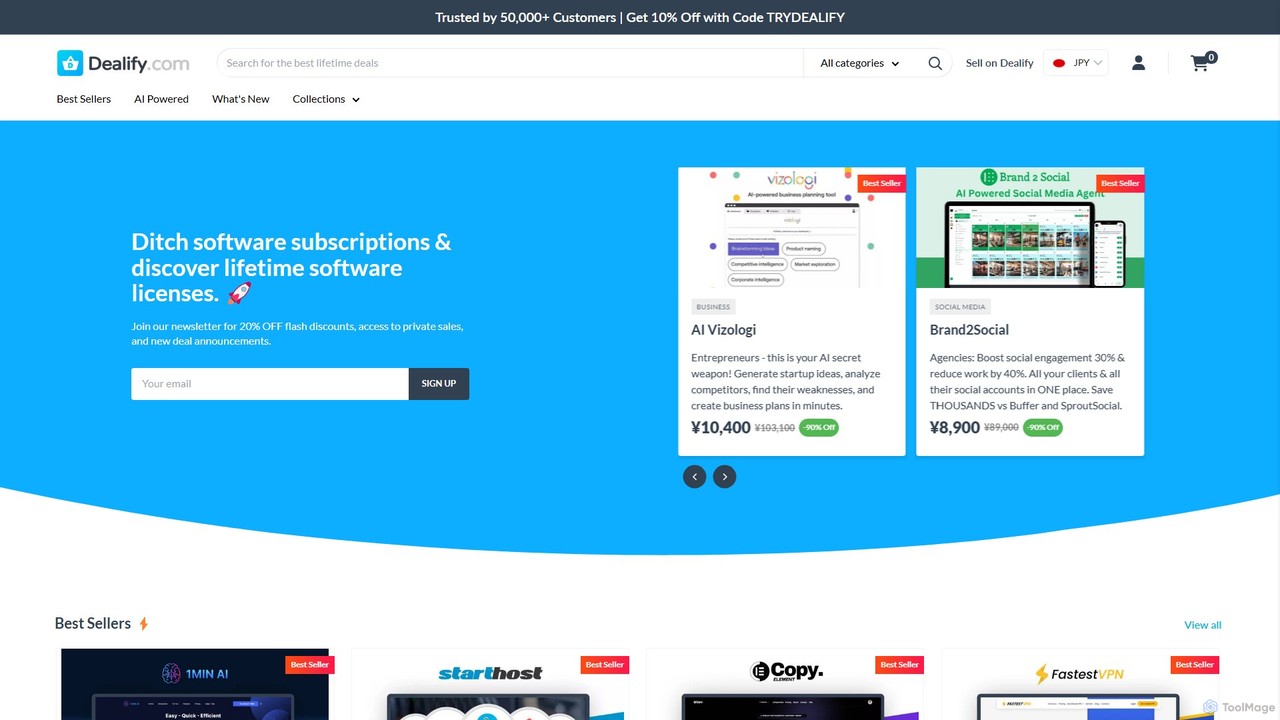
Dealify is a leading platform for lifetime software deals, targeting growth hackers, marketers, and entrepreneurs. It offers exclusive, …

148.6K
WITH MBA

WITH MBA

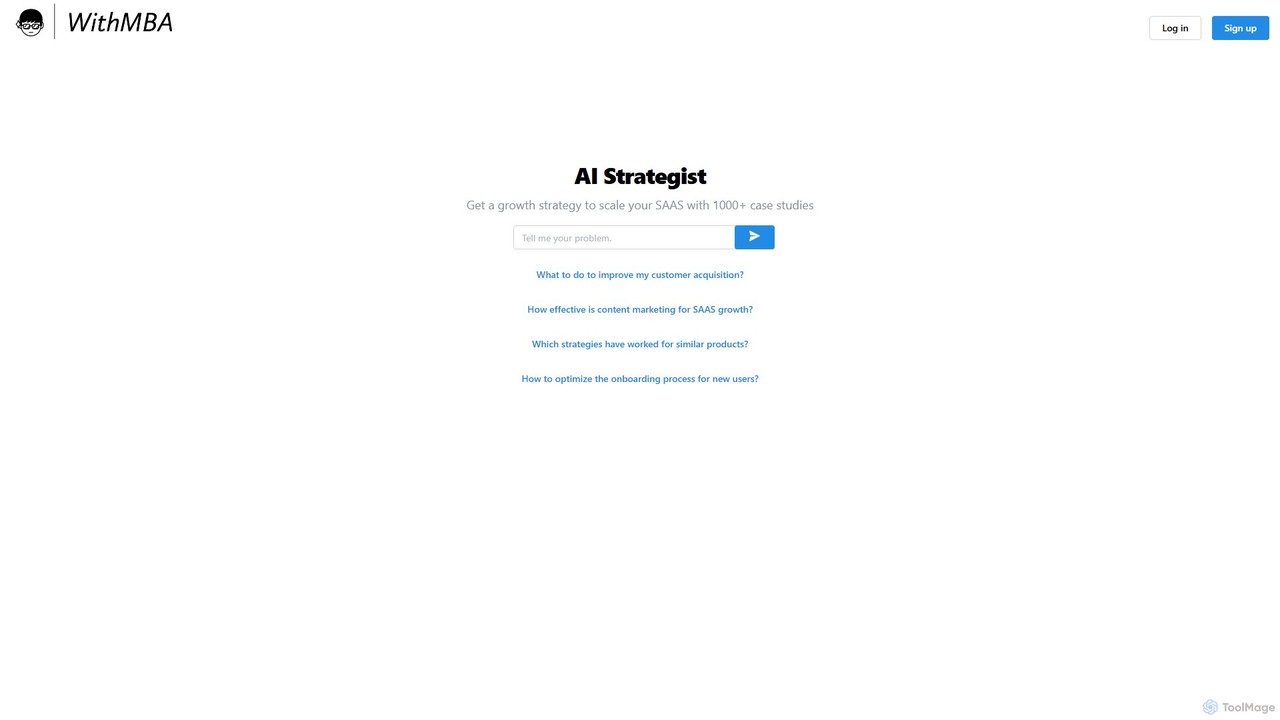
WITH MBA is an AI-powered business strategist designed for SaaS companies. By leveraging a vast database of over …

3.1K
Startupvisors

Startupvisors

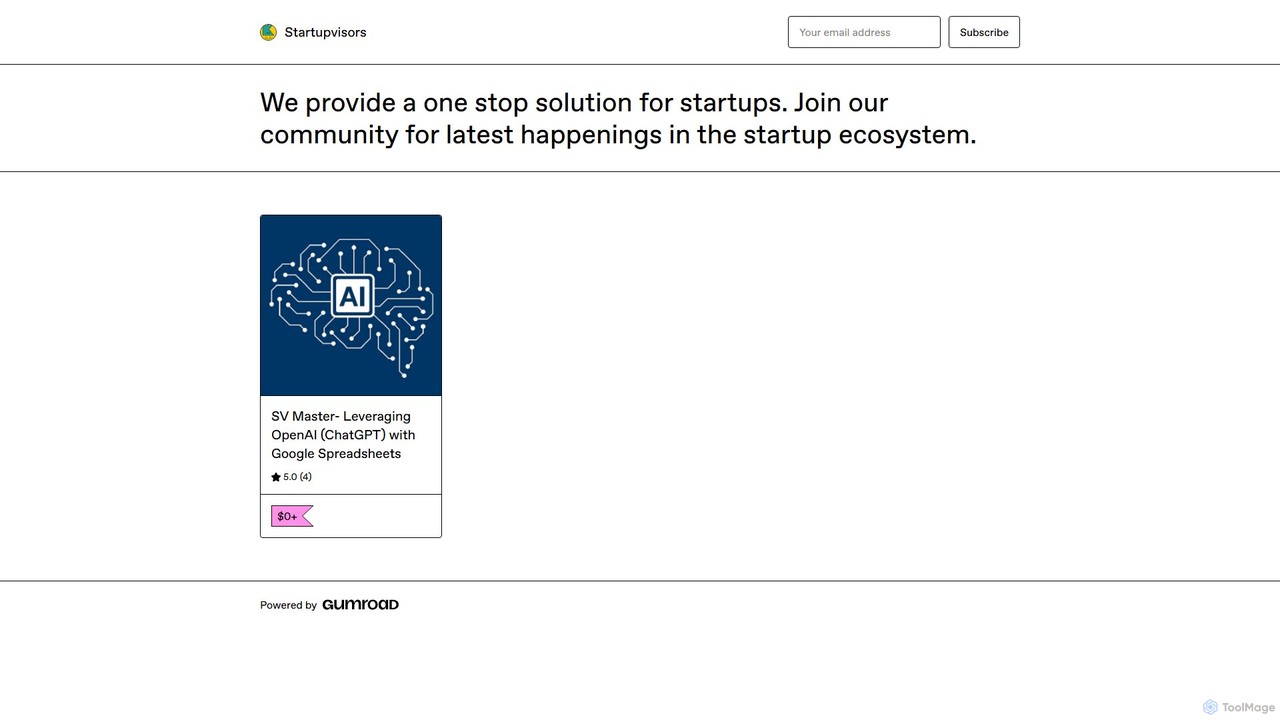
Startupvisors is the ultimate digital toolkit for entrepreneurs and startup founders. It provides a curated database of AI …

3.0K
Metryka

Metryka

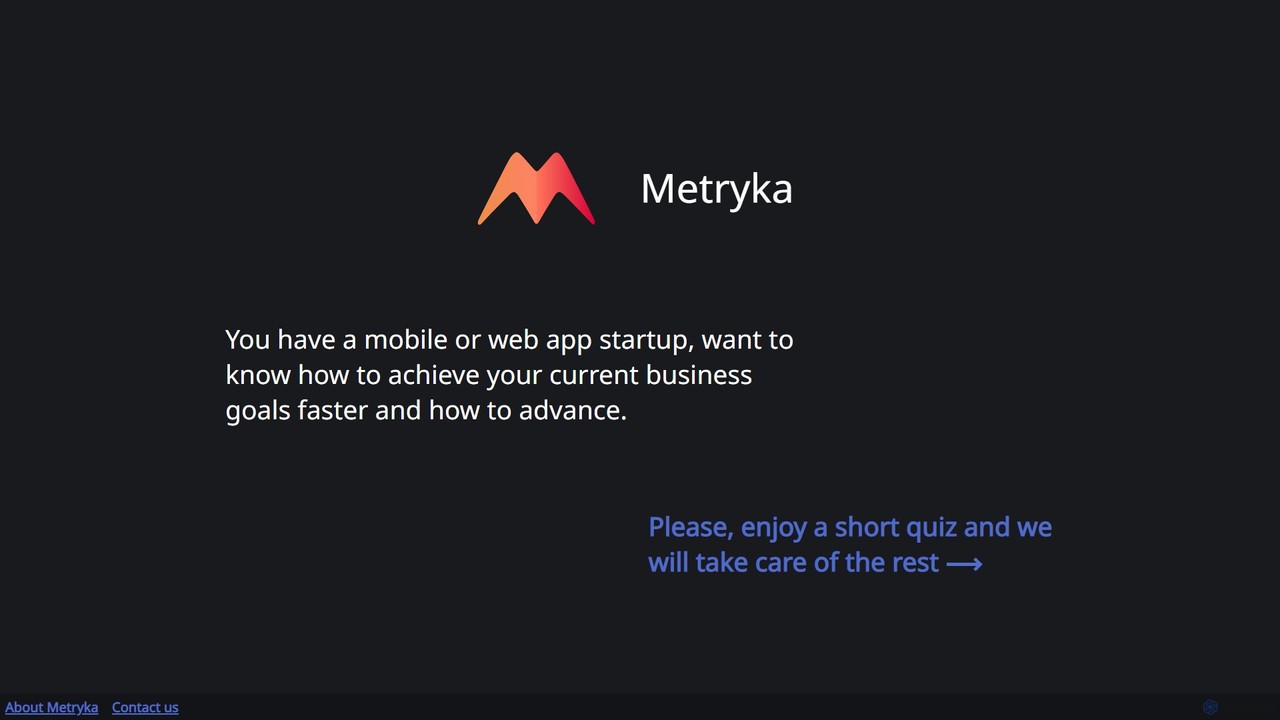
Metryka is an AI-powered strategic consultant for mobile and web app startups. By taking a short, intelligent quiz …

3.1K
GrowthMakers

GrowthMakers

GrowthMakers is an AI-powered growth marketing platform designed to help businesses identify and execute the most effective growth …

3.0K

About Growth Hacking

Growth Hacking AI tools are specialized platforms that leverage artificial intelligence to accelerate business growth across the entire customer lifecycle. These tools utilize advanced algorithms for data analysis, predictive modeling, and automation, enabling rapid experimentation and optimization of marketing, sales, and product strategies. They empower businesses to identify high-impact growth opportunities, personalize user experiences, and scale acquisition and retention efforts efficiently, moving beyond traditional marketing approaches.

Core Features

  • Predictive Analytics: Forecast user behavior, identify potential churn risks, and predict conversion likelihood to proactively optimize strategies.
  • Personalized Outreach: Automate hyper-targeted communication across channels, from email campaigns to in-app messages, based on individual user data.
  • A/B Testing Automation: Continuously run and optimize experiments on website elements, ad creatives, and messaging to find the most effective variations.
  • Lead Scoring & Nurturing: Automatically qualify leads based on engagement and demographic data, then guide them through personalized nurturing sequences.
  • Content Optimization: Analyze content performance and suggest improvements or generate variations to maximize engagement and conversion rates.

Use Cases

Businesses across various sectors, from SaaS startups to e-commerce enterprises, utilize Growth Hacking AI tools to achieve scalable growth. They are particularly valuable for marketing teams seeking to optimize campaign ROI, product managers aiming to improve user activation and retention, and sales teams looking to streamline lead qualification and conversion processes.

How to Choose

When selecting Growth Hacking AI tools, consider the specific growth metrics you aim to impact (e.g., acquisition, retention, revenue). Evaluate the tool's integration capabilities with your existing tech stack, its ability to handle your data volume, and the level of customization offered for experimentation. Also, assess the user interface's intuitiveness and the availability of robust analytics and reporting features to track progress effectively.

Growth HackingUse Cases

1

Automating User Onboarding Personalization

SaaS companies can use Growth Hacking AI to personalize the onboarding experience for new users. By analyzing initial user behavior and demographic data, the AI identifies potential friction points and automatically triggers tailored in-app tutorials, email sequences, or feature highlights, significantly improving activation rates and reducing early churn.

2

Optimizing E-commerce Conversion Funnels

E-commerce marketers deploy AI-powered growth tools to analyze customer journeys, identify drop-off points, and suggest real-time interventions. This includes dynamic pricing adjustments, personalized product recommendations, or targeted exit-intent pop-ups, leading to higher conversion rates and increased average order value.

3

Predicting and Preventing Customer Churn

Subscription-based businesses leverage Growth Hacking AI to predict which customers are at risk of churning. The AI analyzes usage patterns, support interactions, and billing data to score churn probability, then automates proactive retention campaigns such as personalized offers, educational content, or direct outreach from success managers.

4

Scaling Content Distribution and Engagement

Content creators and marketing teams use AI to identify optimal channels and times for content distribution, and to personalize content recommendations. The AI analyzes audience preferences and past engagement, then automates scheduling and promotion, maximizing reach and engagement for blog posts, videos, and social media updates.

5

Accelerating Lead Generation and Qualification

B2B sales and marketing teams utilize Growth Hacking AI to enhance lead generation. The AI identifies high-potential prospects based on firmographic data and online behavior, then automates personalized outreach sequences and lead scoring, ensuring sales teams focus on the most qualified leads and shorten sales cycles.

6

Rapid A/B Testing for Ad Creative Optimization

Digital advertisers employ Growth Hacking AI to automate the creation and testing of numerous ad variations. The AI generates multiple headlines, images, and call-to-actions, then continuously runs A/B tests across platforms, quickly identifying the highest-performing creatives and optimizing ad spend for maximum ROI.

Growth HackingFrequently Asked Questions