ToolMage
Sign in

Best 2 Performance Marketing AI tools for Marketing

Popular Performance Marketing AI tools in Marketing include OneByteLabs and Versaunt, helping you work more efficiently.

Versaunt
Paid

Versaunt

Versaunt is an autonomous AI ad platform that generates, optimizes, and regenerates video ads to significantly boost Return on Ad Spend (ROAS). It automates the entire ad creative and campaign management process, from prompt to profit, across major ad platforms like Meta, TikTok, and YouTube.

Ad Automation
Visits 8.4KFavorites 135Likes 137
OneByteLabs
Paid

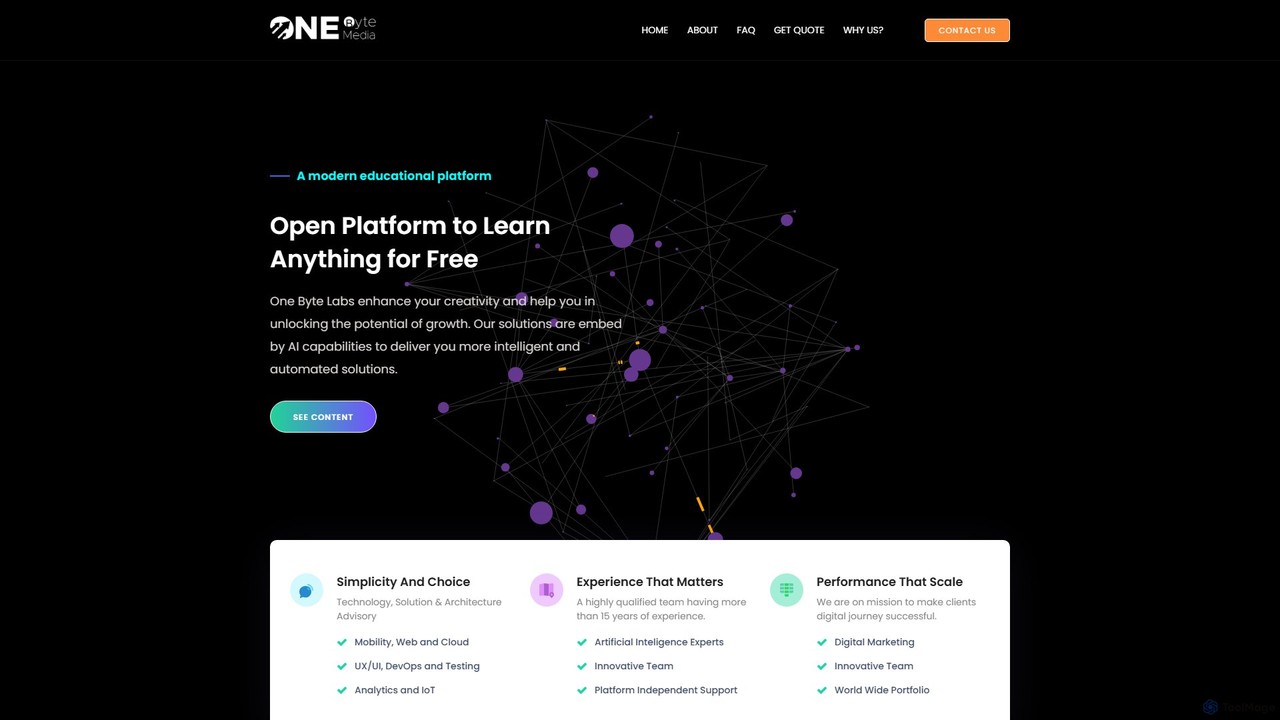
OneByteLabs

OneByteLabs is a digital agency and software development firm specializing in creating custom AI-powered business tools and performance marketing solutions for startups. They help businesses launch, manage, and scale their operations efficiently through tailored technology and expert guidance.

Custom Software Development
Visits 11.7KFavorites 149Likes 127

About Performance Marketing

AI Performance Marketing tools are a category of software designed to automate and optimize marketing campaigns based on measurable results like clicks, leads, or sales. These tools leverage machine learning and predictive analytics to analyze vast amounts of data, enabling more efficient budget allocation and improved return on investment (ROI). They are primarily used to manage paid advertising channels and drive direct, quantifiable outcomes. By automating complex tasks such as bidding and A/B testing, these tools help marketers scale their efforts effectively.

Core Features

  • Predictive Bidding & Budget Allocation: Automatically adjusts ad bids and distributes budgets across campaigns and channels to maximize conversions or Return on Ad Spend (ROAS).
  • Automated Creative Optimization: Continuously tests different ad creatives, headlines, and landing pages to identify and scale the best-performing combinations.
  • Advanced Conversion Tracking & Attribution: Implements sophisticated models to accurately track user actions and attribute conversions across multiple touchpoints.
  • Audience Segmentation & Targeting: Uses AI to identify and target high-value audience segments that are most likely to convert.
  • Fraud Detection: Monitors ad traffic to identify and block invalid clicks or fraudulent activities, protecting ad spend.

Use Cases

These tools are essential for e-commerce businesses aiming to maximize ROAS from their product ads, B2B companies focused on generating high-quality leads at a low cost-per-acquisition (CPA), and mobile app developers seeking to acquire users with a high lifetime value (LTV). Digital marketing agencies also use them to manage and scale client campaigns efficiently across multiple platforms.

How to Choose

When selecting an AI Performance Marketing tool, consider its integration capabilities with key ad platforms like Google Ads, Meta, and TikTok. Evaluate the sophistication of its attribution models and the level of control it offers over automated bidding strategies. Also, assess the pricing structure—whether it's based on ad spend, features, or a flat fee—and ensure it aligns with your budget and campaign scale.

Performance Marketing use cases

1

E-commerce ROAS Optimization

An e-commerce marketing manager uses an AI performance marketing tool to manage Google Shopping campaigns for thousands of products. The tool analyzes real-time sales data, profit margins, and competitor pricing. Based on this analysis, it automatically adjusts bids for each product, bidding more aggressively on high-margin, popular items and reducing spend on underperforming ones. This results in a significant increase in Return on Ad Spend (ROAS) without manual intervention, allowing the manager to focus on overall strategy.

2

B2B Lead Generation at Scale

A marketing specialist for a SaaS company needs to generate qualified leads from LinkedIn and Google Ads. They use an AI tool to automate A/B testing of ad copy, images, and landing page headlines. The AI identifies which combinations result in the lowest cost-per-lead (CPL) and highest lead quality score, then automatically reallocates the budget to these winning ads. This allows the specialist to scale lead generation efforts efficiently while maintaining a high standard of lead quality, freeing up time for creative development.

3

Mobile App User Acquisition

A mobile game developer aims to acquire users who are likely to make in-app purchases. They use a performance marketing platform that integrates with mobile measurement partners (MMPs). The AI analyzes post-install event data to predict the lifetime value (LTV) of users from different ad campaigns and channels. It then automatically optimizes bids and budgets to acquire more users who resemble the existing high-LTV players, maximizing the overall profitability of their user acquisition efforts.

4

Cross-Channel Budget Allocation

A digital marketing director for a retail brand manages a large monthly budget across Google, Meta, and Pinterest. Instead of manually deciding how to split the budget, they use an AI tool that provides predictive allocation recommendations. The tool analyzes historical performance and market trends to suggest the optimal budget split to achieve the company's goal of maximizing total online sales. It also provides real-time alerts if a channel's performance drops, suggesting reallocating funds to better-performing channels mid-month.

5

Automated Affiliate Marketing Fraud Detection

An affiliate manager for a financial services company oversees a network of hundreds of partners. To ensure budget is spent on legitimate leads, they use an AI tool to monitor traffic from all affiliates in real-time. The system automatically flags suspicious patterns, such as high click volume with zero conversions, traffic from unusual geolocations, or non-compliant ad placements. This allows the manager to quickly investigate and pause fraudulent partners, protecting their marketing budget and maintaining the integrity of their lead data.

6

Dynamic Creative Optimization for Travel

A large online travel agency runs programmatic display ads to promote vacation packages. They use a performance marketing tool with dynamic creative optimization (DCO) capabilities. The tool automatically creates thousands of ad variations by combining different destinations, hotel images, flight prices, and calls-to-action. When a user who previously searched for flights to Hawaii visits a website, the AI serves them a personalized ad featuring a current deal on a Hawaiian vacation package, significantly increasing click-through and conversion rates compared to generic ads.

Performance Marketing FAQ

What are AI Performance Marketing tools?

AI Performance Marketing tools are software platforms that use artificial intelligence to automate and optimize advertising campaigns based on specific, measurable actions like clicks, leads, or sales. They analyze data to make real-time decisions on bidding, budget allocation, and audience targeting to maximize return on investment (ROI). Unlike general marketing tools, their primary focus is on the efficiency and profitability of paid media spend.

How to choose the right AI Performance Marketing tool?

Choosing the right tool depends on your specific needs. Consider the following factors:

  • Channel Integration: Ensure the tool supports the ad platforms you use most, such as Google Ads, Meta Ads, TikTok, or programmatic networks.
  • Attribution Model: Evaluate if its attribution capabilities match your need to understand complex customer journeys.
  • Level of Automation: Decide if you need a fully automated solution or one that provides recommendations for manual approval.
  • Pricing Structure: Compare pricing models (e.g., percentage of ad spend, subscription fee) to find one that fits your budget and scale.
What's the difference between Performance Marketing and general Marketing Automation tools?

The main difference lies in their focus. Performance Marketing tools are specialized for optimizing paid advertising channels to drive immediate, measurable actions (like sales or leads) and maximize ROAS. They excel at ad bidding, budget management, and creative testing. In contrast, general Marketing Automation tools have a broader scope, focusing on nurturing customer relationships over time through channels like email marketing, CRM integration, and lead scoring. They manage the longer customer journey, while performance tools focus on the initial acquisition.

What are the key functions of AI in Performance Marketing?

AI plays several critical roles in modern performance marketing. Key functions include:

  • Predictive Analytics: Forecasting campaign outcomes, predicting customer lifetime value (LTV), and identifying audiences most likely to convert.
  • Bidding Automation: Using algorithms to place bids in real-time ad auctions to achieve the best possible price for a desired action.
  • Creative Optimization: Automatically testing thousands of ad variations (images, text, CTAs) to find the most effective combinations for different audience segments.
  • Budget Pacing: Intelligently allocating and spending the ad budget throughout the day or campaign period to maximize results without overspending.
Who can benefit from using AI Performance Marketing tools?

A wide range of professionals and businesses can benefit, especially those heavily reliant on paid advertising. This includes:

  • E-commerce Businesses: To maximize return on ad spend (ROAS) for product campaigns.
  • Lead Generation Companies: To lower the cost-per-acquisition (CPA) for qualified leads.
  • Mobile App Developers: To acquire users with high lifetime value (LTV) profitably.
  • Digital Marketing Agencies: To efficiently manage and scale campaigns for multiple clients while improving performance.
  • Direct-to-Consumer (DTC) Brands: To compete effectively in crowded online marketplaces by optimizing ad spend.