Stylitics
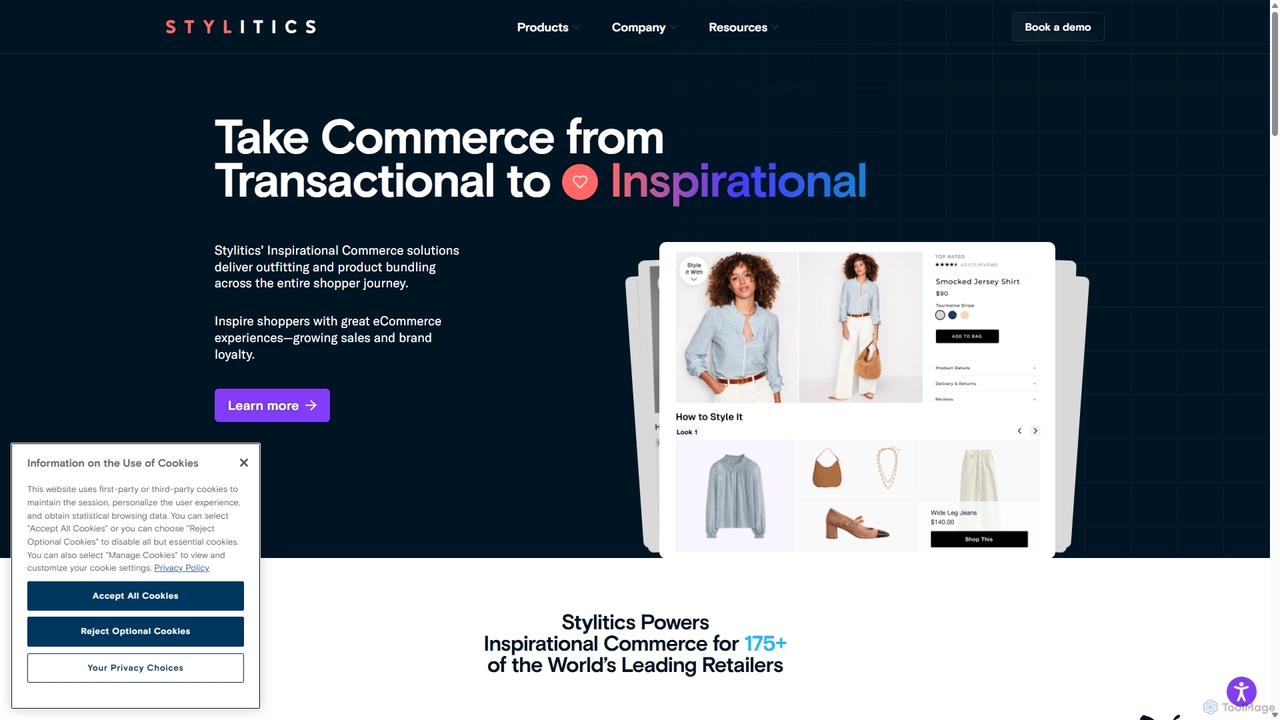
Stylitics is an AI-powered Inspirational Commerce platform for retailers. It transforms the online shopping experience by automatically creating …
Stylitics is an AI-powered Inspirational Commerce platform for retailers. It transforms the online shopping experience by automatically creating personalized product bundles, complete outfits, and shoppable content. This helps brands increase average order value (AOV), conversion rates, and customer loyalty by making commerce inspirational rather than just transactional.
secretsaucepartners
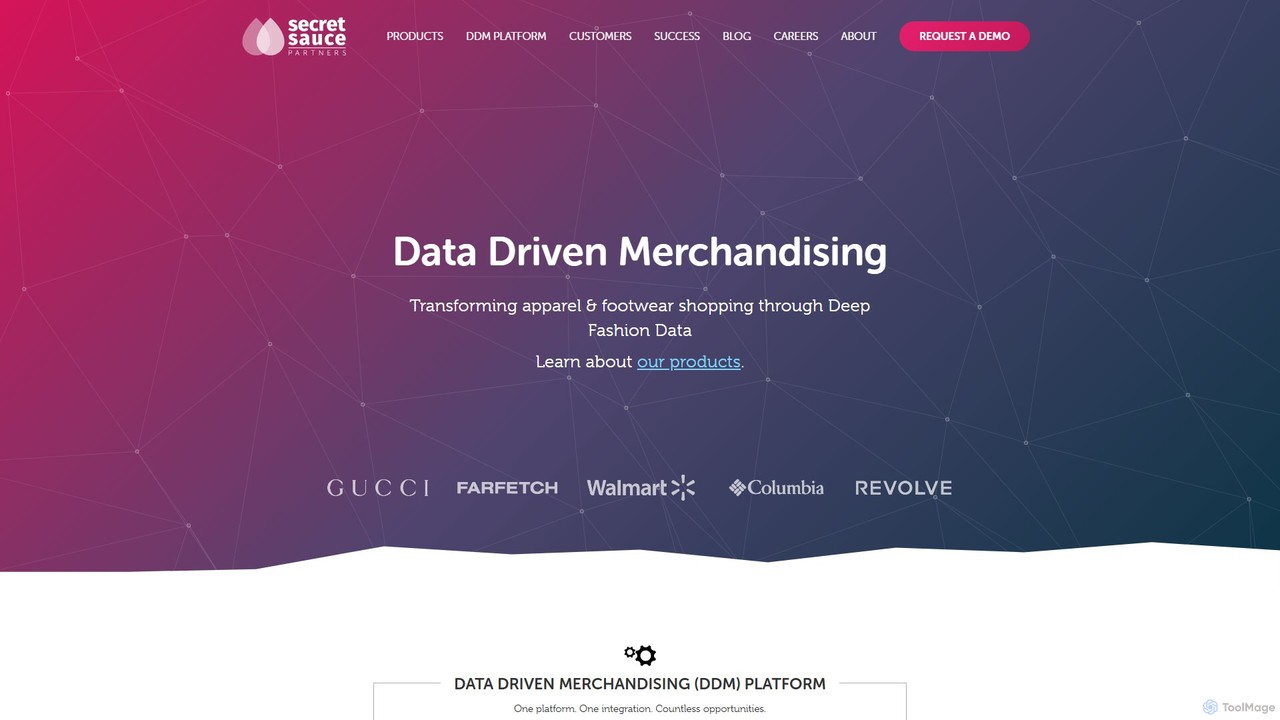
A data-driven merchandising platform for apparel and footwear retailers. It uses AI and Deep Fashion Data to power …
A data-driven merchandising platform for apparel and footwear retailers. It uses AI and Deep Fashion Data to power tools like Fit Predictor, Style Finder, and Outfit Maker, enhancing the shopping experience, increasing conversions, and boosting customer loyalty.
About Recommendation Engine
Recommendation Engines are AI-powered systems designed to suggest relevant products, content, or services to users based on their past behavior, preferences, and interactions. These tools leverage machine learning algorithms, such as collaborative filtering and content-based filtering, to analyze vast datasets and predict user interests. By delivering highly personalized suggestions, recommendation engines significantly enhance user experience, drive engagement, and boost conversion rates within marketing strategies.
Core Features
- Personalized Suggestions: Delivers tailored product, content, or service recommendations unique to each user.
- Real-time Adaptation: Adjusts recommendations instantly based on new user interactions and evolving preferences.
- Multi-channel Integration: Seamlessly integrates with websites, mobile apps, email campaigns, and other marketing channels.
- A/B Testing & Optimization: Allows for testing different recommendation strategies to identify the most effective approaches.
- User Segmentation: Groups users with similar behaviors or demographics to refine recommendation accuracy.
Applicable Scenarios
Recommendation engines are indispensable across various industries. E-commerce platforms use them to suggest complementary products or items frequently bought together, increasing average order value. Media and streaming services leverage them to recommend personalized content, keeping users engaged longer. Service providers utilize these engines to offer relevant upgrades or cross-sell additional services, enhancing customer lifetime value and satisfaction.
How to Choose
When selecting a recommendation engine, consider its algorithm sophistication and ability to handle diverse data types for accurate predictions. Evaluate its integration capabilities with existing marketing stacks, CRM, and e-commerce platforms. Assess scalability to ensure it can grow with your user base and data volume. Finally, look for robust analytics and reporting features to measure performance and optimize strategies effectively.

Recommendation EngineUse Cases
Enhance E-commerce Product Discovery
An e-commerce manager uses a recommendation engine to suggest "customers who bought this also bought" or "personalized picks" on product pages and checkout. By analyzing browsing history, purchase patterns, and product attributes, the engine presents highly relevant items, leading to increased impulse purchases and a higher average order value. This significantly improves the shopping experience and conversion rates for online retailers.
Personalize Content for Media Platforms
A content editor for a news or streaming platform deploys a recommendation engine to suggest articles, videos, or podcasts tailored to individual user interests. Based on viewing history, reading habits, and explicit preferences, the engine curates a unique feed for each user. This keeps users engaged longer, reduces bounce rates, and encourages deeper exploration of the platform's content library, boosting overall user retention.
Drive Upselling and Cross-selling in SaaS
A SaaS sales team integrates a recommendation engine into their CRM to identify opportunities for upselling premium features or cross-selling complementary products to existing clients. The engine analyzes client usage data, subscription tiers, and support interactions to suggest relevant upgrades or add-ons. This proactive approach helps maximize customer lifetime value and strengthens client relationships by offering timely, valuable solutions.
Optimize Email Marketing Campaigns
A digital marketer uses a recommendation engine to personalize product or content suggestions within email newsletters. Instead of generic promotions, the engine dynamically inserts items based on each subscriber's past email engagement, website visits, and purchase history. This leads to significantly higher open rates, click-through rates, and conversions, making email marketing more effective and less intrusive.
Improve Customer Service and Support
A customer support manager implements a recommendation engine to suggest relevant knowledge base articles, troubleshooting guides, or related products to customers interacting with chatbots or support agents. By analyzing the customer's query and past interactions, the engine provides immediate, accurate information. This reduces resolution times, improves customer satisfaction, and empowers agents with better tools for assistance.
Tailor Dynamic Pricing and Promotions
A retail strategist employs a recommendation engine to offer dynamic, personalized discounts or promotions to specific customer segments. Based on factors like purchase frequency, price sensitivity, and browsing behavior, the engine can trigger unique offers at optimal times. This strategy helps to clear inventory, incentivize hesitant buyers, and reward loyal customers, driving sales while maintaining profit margins.