ToolMage
Sign in

Best 27 Reputation Management AI tools for Marketing

Popular Reputation Management AI tools in Marketing include Podium, EmbedSocial, Whitespark, rannkly, gmbapi, Yonder HQ, Superorder, Cheers, reviewly, and Hifivestar, helping you work more efficiently.

MagicReply AI
Paid

MagicReply AI

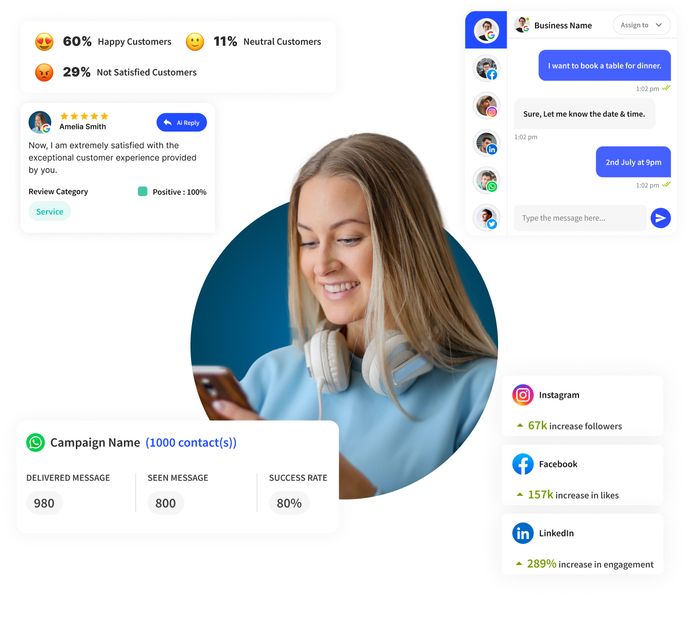
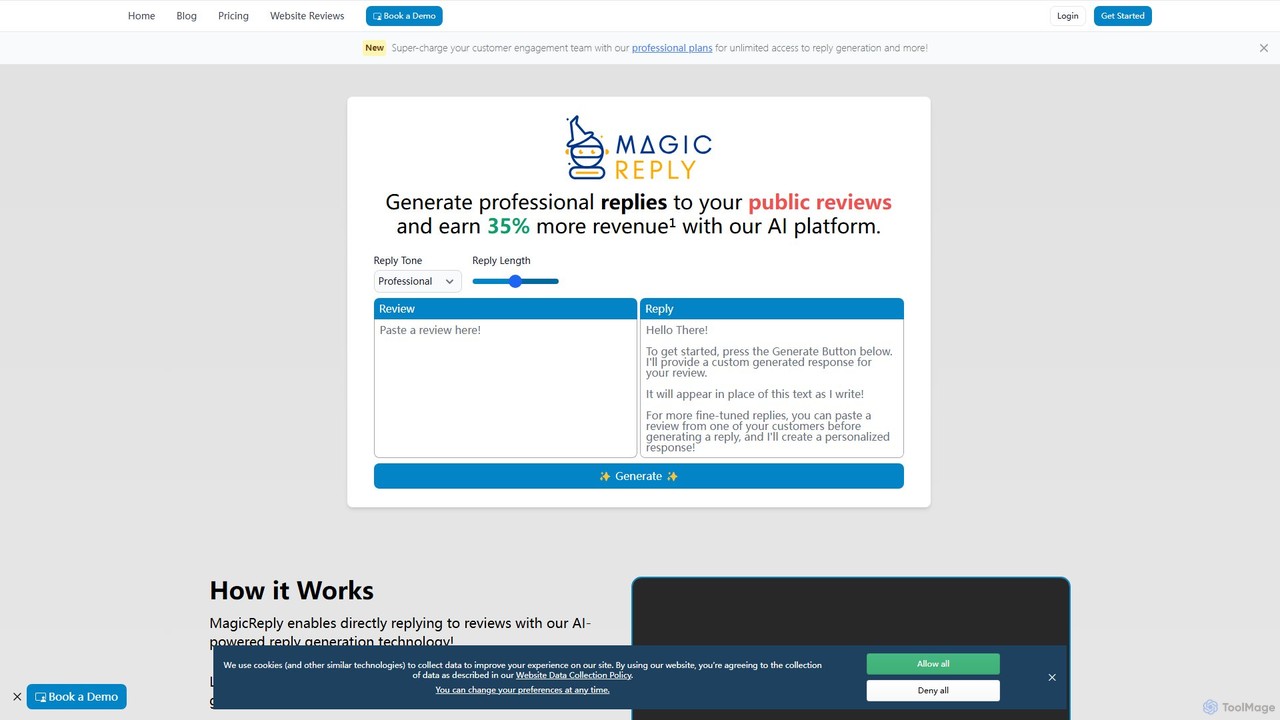
MagicReply AI is an intelligent platform that automates professional responses to customer reviews across multiple platforms. It helps businesses save time, enhance their online reputation, and increase revenue by ensuring timely and on-brand engagement with customer feedback.

Review Management
Visits 5.9KFavorites 138Likes 157

Whitespark
Freemium

Whitespark

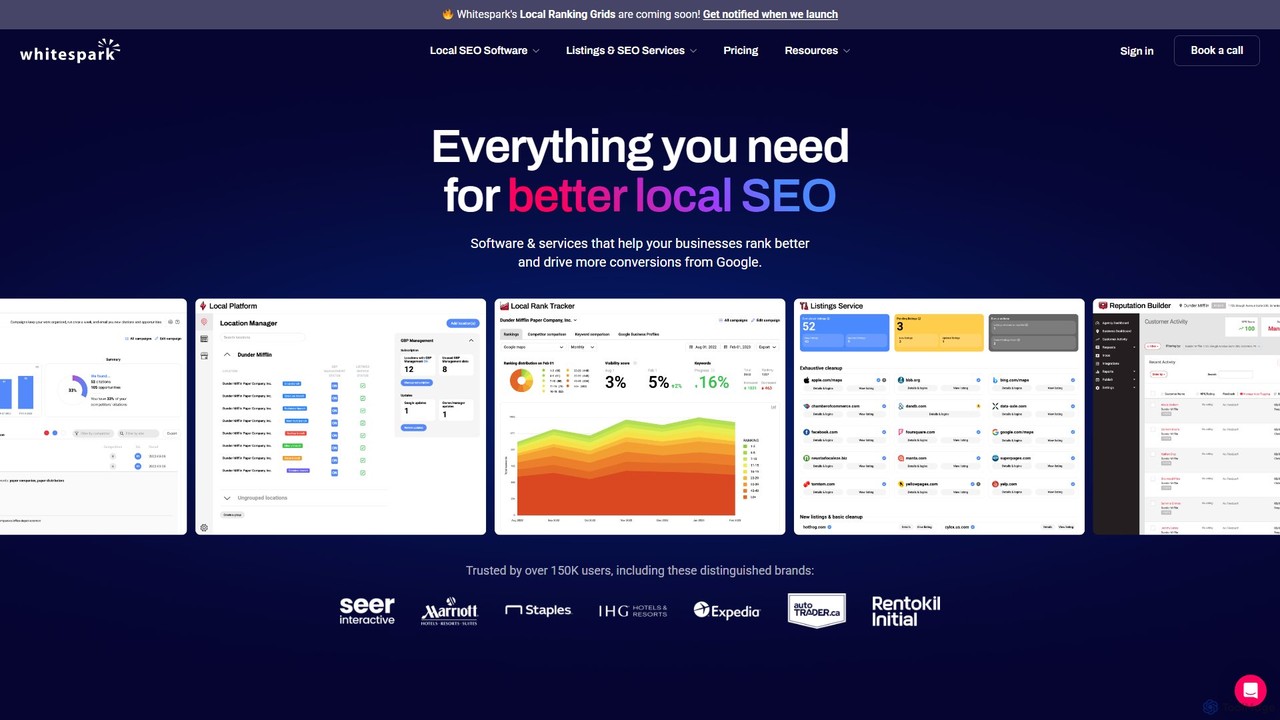
A comprehensive suite of local SEO tools and services designed to improve online visibility, manage Google Business Profiles, track local rankings, build citations, and generate customer reviews. Ideal for small businesses, agencies, and enterprises.

Reputation Management
Visits 115.1KFavorites 138Likes 126
gmbapi
Freemium

gmbapi

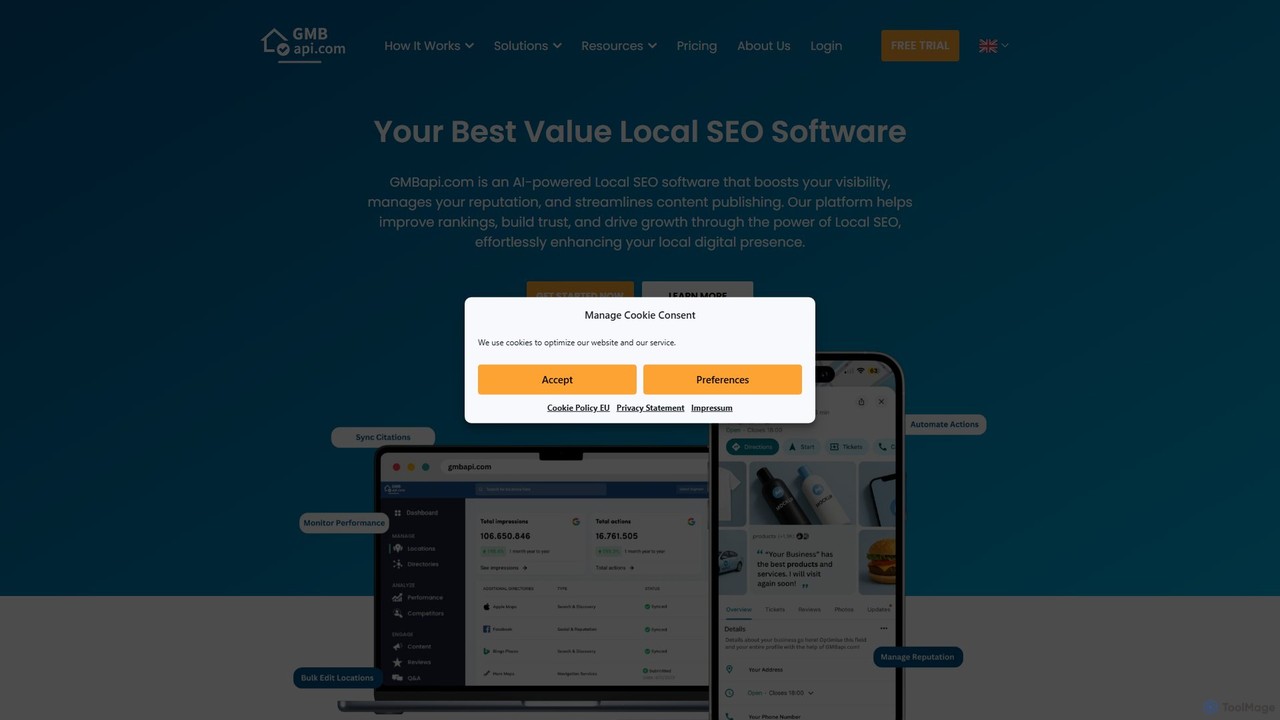
gmbapi is an AI-powered Local SEO platform designed for multi-location businesses and agencies. It streamlines Google Business Profile management, automates review responses with AI, enables bulk content publishing, and provides in-depth competitor and keyword tracking. Recognized for its value and user-friendly interface, gmbapi helps businesses enhance local visibility, manage online reputation, and drive customer growth efficiently.

Reputation Management
Visits 45.4KFavorites 153Likes 165

About Reputation Management

Reputation Management tools are AI-powered platforms designed to monitor, analyze, and influence public perception of a brand, individual, or organization across various online channels. These tools leverage advanced natural language processing (NLP) and machine learning to track mentions, analyze sentiment, and identify emerging trends. Their primary value lies in proactively safeguarding brand image, mitigating potential crises, and fostering positive stakeholder relationships by providing actionable insights into public discourse.

Core Features

  • Brand Monitoring: Automatically track mentions of your brand, products, or key personnel across social media, news sites, forums, and review platforms.
  • Sentiment Analysis: Evaluate the emotional tone (positive, negative, neutral) of online conversations to understand public perception and identify areas for improvement.
  • Crisis Detection & Alerting: Proactively identify sudden shifts in sentiment or spikes in negative mentions, triggering immediate alerts for rapid response.
  • Review Management: Centralize and respond to customer reviews on platforms like Google My Business, Yelp, and industry-specific sites, improving customer satisfaction.
  • Competitor Analysis: Monitor the online reputation of competitors to benchmark performance and identify strategic opportunities or threats.

Use Cases

Businesses of all sizes, public relations agencies, and individuals in the public eye utilize these tools to maintain a positive online presence. For instance, a marketing team might use them to track the launch of a new product, ensuring positive feedback is amplified and negative issues are addressed swiftly. PR professionals rely on them to manage client crises, while small business owners can monitor local reviews to enhance customer service and attract new clients.

How to Choose

When selecting a Reputation Management tool, consider its monitoring scope (which platforms it covers), the accuracy of its sentiment analysis, and its real-time alerting capabilities. Evaluate its integration with existing marketing or CRM systems, the ease of use of its dashboard, and the scalability of its features to match your organizational growth. Pricing models, reporting features, and customer support quality are also crucial factors for long-term success.

Featured tool rankings

Reputation Management use cases

1

Proactive Brand Monitoring Across Digital Channels

A brand manager for a consumer electronics company uses AI reputation tools to continuously monitor online conversations about their latest smartphone. The tool tracks mentions on tech blogs, social media, and e-commerce review sites, providing real-time alerts for any significant negative sentiment or emerging issues. This allows the manager to quickly identify potential design flaws or customer service gaps, enabling a swift response to protect brand image and customer trust.

2

Managing Online Reviews for Local Businesses

A restaurant owner leverages reputation management software to centralize and respond to customer reviews from Google, Yelp, and TripAdvisor. The AI categorizes feedback by topic (e.g., food quality, service speed, ambiance) and flags urgent negative reviews. This enables the owner to promptly address customer complaints, thank positive reviewers, and identify common areas for operational improvement, directly impacting customer satisfaction and attracting new patrons.

3

Crisis Communication and Damage Control

A public relations team for a large corporation faces a sudden negative news story. They deploy reputation management tools to track the spread of the story across all media types, analyze public sentiment in real-time, and identify key influencers discussing the issue. This data informs their crisis communication strategy, allowing them to craft targeted responses, monitor the effectiveness of their messaging, and ultimately mitigate reputational damage more efficiently.

4

Competitor Reputation Benchmarking

A marketing analyst in the automotive industry uses reputation management platforms to monitor the online perception of key competitors. By tracking sentiment around competitor product launches, customer service experiences, and brand campaigns, the analyst gains insights into market positioning and consumer preferences. This intelligence helps the company refine its own marketing messages, identify competitive advantages, and avoid similar reputational pitfalls.

5

Influencer and Partnership Vetting

Before engaging a social media influencer for a major campaign, a marketing agency utilizes reputation tools to conduct a thorough background check on their online presence. The tool analyzes past controversies, audience sentiment towards the influencer, and brand alignment. This ensures the agency partners with individuals whose public image positively reflects their client's brand values, minimizing the risk of associating with a problematic figure.

6

Employee Brand Advocacy and Feedback

A human resources department implements an internal reputation monitoring system to gauge employee sentiment and identify potential internal issues that could spill over externally. By anonymously collecting feedback and analyzing discussions on internal forums or review sites like Glassdoor, the HR team can proactively address workplace concerns, foster a positive company culture, and encourage employees to become brand advocates, enhancing the company's employer brand.

Reputation Management FAQ

What are AI Reputation Management tools?

AI Reputation Management tools are software solutions that use artificial intelligence, primarily natural language processing and machine learning, to monitor, analyze, and manage a brand's or individual's online reputation. They automatically track mentions, analyze sentiment, and provide insights from various digital channels, helping organizations protect their brand image and respond effectively to public feedback.

How do AI Reputation Management tools differ from traditional PR?

While both aim to manage public perception, AI Reputation Management tools offer real-time, data-driven monitoring and analysis across vast digital landscapes, which traditional PR often cannot achieve manually. Traditional PR focuses more on media relations and strategic communication planning. AI tools provide the granular data and early warning systems that empower PR strategies, making them complementary rather than mutually exclusive.

What are the key benefits of using AI for reputation management?

The key benefits include real-time insights into public sentiment, early detection of potential crises, efficient management of online reviews, and comprehensive competitor analysis. AI tools automate the laborious process of data collection and analysis, allowing businesses to respond faster, make informed decisions, and maintain a consistently positive online presence, ultimately safeguarding brand trust and driving growth.

Who should use AI Reputation Management tools?

Anyone concerned with their online image can benefit. This includes businesses of all sizes (from small local shops to large enterprises), public figures, politicians, and PR/marketing agencies. Companies use them to protect their brand, manage customer feedback, and monitor competitors, while individuals might use them to manage their personal brand or public profile.

What should I look for when choosing an AI Reputation Management platform?

When choosing, prioritize tools with broad monitoring coverage (social media, news, reviews), accurate sentiment analysis, and customizable real-time alerts. Consider the ease of use, integration capabilities with your existing tech stack (CRM, social media management), robust reporting features, and the quality of customer support. Scalability and pricing structure are also important for long-term suitability.