ToolMage
Sign in

Best 1 Self Publishing AI tools for Marketing

Popular Self Publishing AI tools in Marketing include AmazonKDP.click, helping you work more efficiently.

AmazonKDP.click
Freemium

AmazonKDP.click

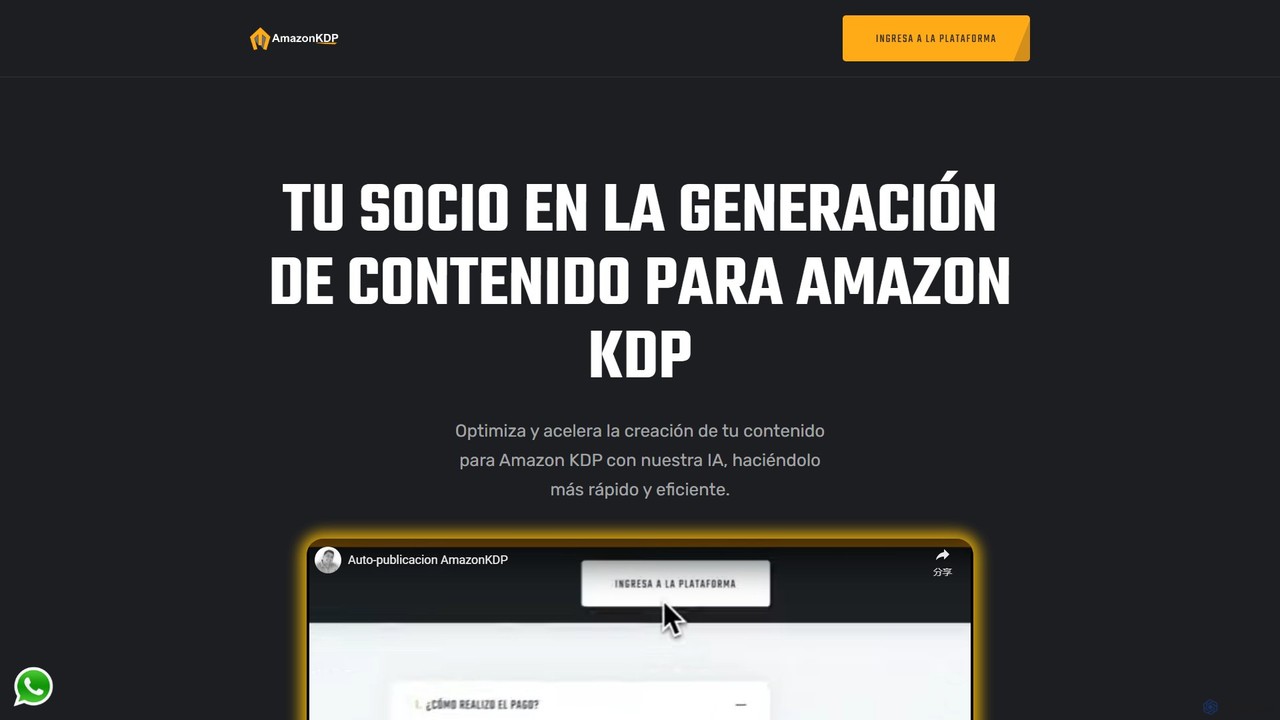
An AI-powered partner designed to streamline and accelerate content creation for Amazon KDP. It assists in every stage of book creation, from outlining and writing to generating images and designing covers, making self-publishing faster and more efficient.

Image Generation
Visits 5.4KFavorites 150Likes 146

About Self Publishing

AI Self-Publishing tools are a suite of applications designed to assist authors and creators in managing the entire book creation lifecycle, from writing to marketing. These tools leverage artificial intelligence for tasks like manuscript editing, cover design, keyword optimization, and blurb generation. This empowers individuals to publish professionally without a traditional publishing house, streamlining the process and enhancing market visibility. They serve as a crucial component within the broader marketing toolkit for authors.

Core Features

  • Manuscript Analysis & Editing: Provides AI-driven grammar checks, style suggestions, plot analysis, and readability scoring.
  • AI Cover Generation: Creates unique, genre-specific book covers and interior art from text prompts.
  • Market & Keyword Research: Identifies profitable niches and high-traffic keywords for platforms like Amazon KDP.
  • Marketing Copy Generation: Automatically writes compelling book descriptions, author bios, and promotional ad copy.
  • Ebook Formatting & Conversion: Assists in converting manuscripts into standard ebook formats like EPUB and MOBI.

Use Cases

These tools are ideal for independent authors, small press publishers, and content creators aiming to monetize their written work. They are used to accelerate production timelines, reduce costs associated with hiring designers and editors, and improve a book's discoverability on retail platforms through data-driven marketing insights.

How to Choose

When selecting an AI Self-Publishing tool, consider the scope of features (all-in-one suite vs. specialized tool), integration with publishing platforms (e.g., KDP, IngramSpark), the quality of AI output for creative tasks, pricing models (subscription vs. one-time fee), and your own technical skill level.

Self Publishing use cases

1

Creating a Professional Book Cover in Minutes

An indie fiction author without design skills needs a compelling cover for their new sci-fi novel. Using an AI Self-Publishing tool, they input a detailed prompt describing the main character and a key scene. The AI generates several high-resolution cover options in a suitable art style. The author selects the best one, adds their title and name using built-in typography tools, and exports a file ready for upload to Amazon KDP. This process saves significant costs and time compared to hiring a designer.

2

Optimizing Amazon KDP Keywords for Discoverability

A non-fiction author wants to ensure their book on sustainable gardening reaches the right audience. They use an AI tool's keyword research feature, which analyzes top-selling books in the category and suggests relevant long-tail keywords and optimal categories. By using this data to populate their KDP metadata fields, the author significantly increases the book's chances of appearing in relevant customer searches, boosting its visibility and initial sales without manual market research.

3

Polishing a Manuscript with AI-Powered Editing

After finishing a first draft, a writer uses an AI editing tool to refine their manuscript. The tool goes beyond basic spell-checking to identify repetitive sentence structures, flag pacing issues, and suggest stronger vocabulary. It provides a detailed report with actionable feedback, allowing the author to perform a thorough self-edit. This step helps reduce the time and cost required for a professional human editor by delivering a much cleaner initial manuscript.

4

Writing a Compelling Book Blurb and Description

An author struggles to summarize their 300-page novel into a catchy 150-word blurb. They input the book's synopsis, main themes, and target genre into an AI copy generation tool. The AI produces several variations of the book description, each with a different hook and call to action. The author can then mix and match the best elements to create a powerful, market-tested blurb that entices potential readers on online storefronts like Amazon and Apple Books.

5

Generating Promotional Content for Social Media

To market a newly published cookbook, an author needs a steady stream of social media content. They use an AI Self-Publishing suite to generate ideas for posts, such as 'Top 5 tips from the book,' 'Behind-the-scenes of recipe testing,' and engaging questions for their audience. The tool can also create short ad copy and suggest relevant hashtags, automating a significant part of the book launch marketing campaign and helping to maintain audience engagement with minimal effort.

6

Formatting an Ebook for Multiple Platforms

An author has a manuscript in a Word document and needs to convert it into professional ebook formats. An AI-powered formatting tool automates this process. It correctly structures chapters, creates a clickable table of contents, and converts the file into both EPUB (for Kobo, Apple Books) and MOBI/KPF (for Kindle) formats. This ensures a consistent, high-quality reading experience for customers across all major devices and retailers, avoiding common formatting errors that can lead to negative reviews.

Self Publishing FAQ

What are AI Self-Publishing tools?

AI Self-Publishing tools are software applications that use artificial intelligence to assist independent authors throughout the publishing process. They automate or simplify tasks such as manuscript editing, cover design, ebook formatting, keyword research, and marketing copy creation. The primary goal of these tools is to lower the technical and financial barriers to publishing, enabling creators to produce and market professional-quality books more efficiently.

How do I choose the right AI Self-Publishing tool?

Choosing the right tool depends on your specific needs. Consider these key factors:

  • Scope: Do you need an all-in-one platform for the entire process, or a specialized tool for a single task like cover design or keyword research?
  • Quality of Output: Review samples of AI-generated content (text or images) to ensure it meets your quality standards.
  • Ease of Use: Look for an intuitive interface that matches your technical comfort level.
  • Integration: Check if it exports formats compatible with your target platforms, such as Amazon KDP or IngramSpark.
  • Pricing: Compare subscription models, pay-per-use credits, and one-time purchase options to find what fits your budget.
Can AI tools replace human editors and designers?

AI tools are powerful assistants but generally do not fully replace the nuanced expertise of human professionals. An AI editor can catch grammatical errors and suggest structural improvements, but a human editor provides deeper contextual and developmental feedback. Similarly, an AI can generate a great cover concept, but a human designer offers bespoke branding and market insights. Authors often use AI to reduce costs and speed up initial drafts, followed by professional human review for the final, polished product.

What's the difference between an AI writing assistant and an AI self-publishing tool?

An AI writing assistant primarily focuses on the content creation phase, helping you write or edit the text itself. In contrast, an AI Self-Publishing tool has a broader scope covering the entire publishing workflow. While it may include writing assistance, its key features often address post-writing tasks such as cover design, book formatting, market analysis for keywords and categories, and generating marketing materials. It's a comprehensive solution for bringing a finished manuscript to market.

Are images and text generated by these tools safe for commercial use?

This depends entirely on the specific tool's terms of service. Most reputable AI tool providers grant users commercial rights to the content they generate, allowing you to use it for your published book. However, it is essential to read the licensing agreement for each tool carefully. Some services may have restrictions or require attribution. Always verify the terms to ensure you have the legal right to use the generated covers, text, and other assets for your commercial project.