Marketing Best in category 6 results Sentiment Analysis AI Tool

Popular AI tools in the Sentiment Analysis field of Marketing include Backsy.ai、Reassurance AI、Feedby、Feedback Navigator、RevAI、EliminateContext, etc., helping you quickly improve efficiency.

EliminateContext

EliminateContext

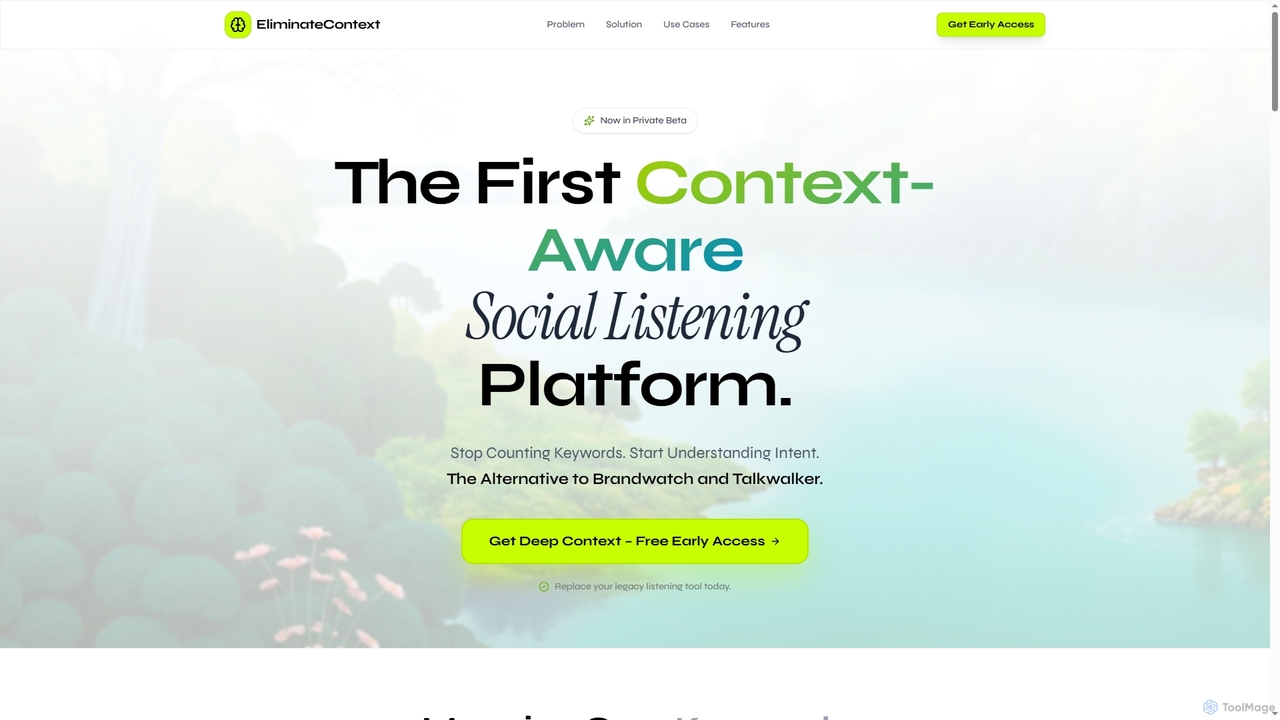
EliminateContext is the first context-aware social listening platform that moves beyond keyword counting to understand intent, emotion, and …

2.9K
Feedby

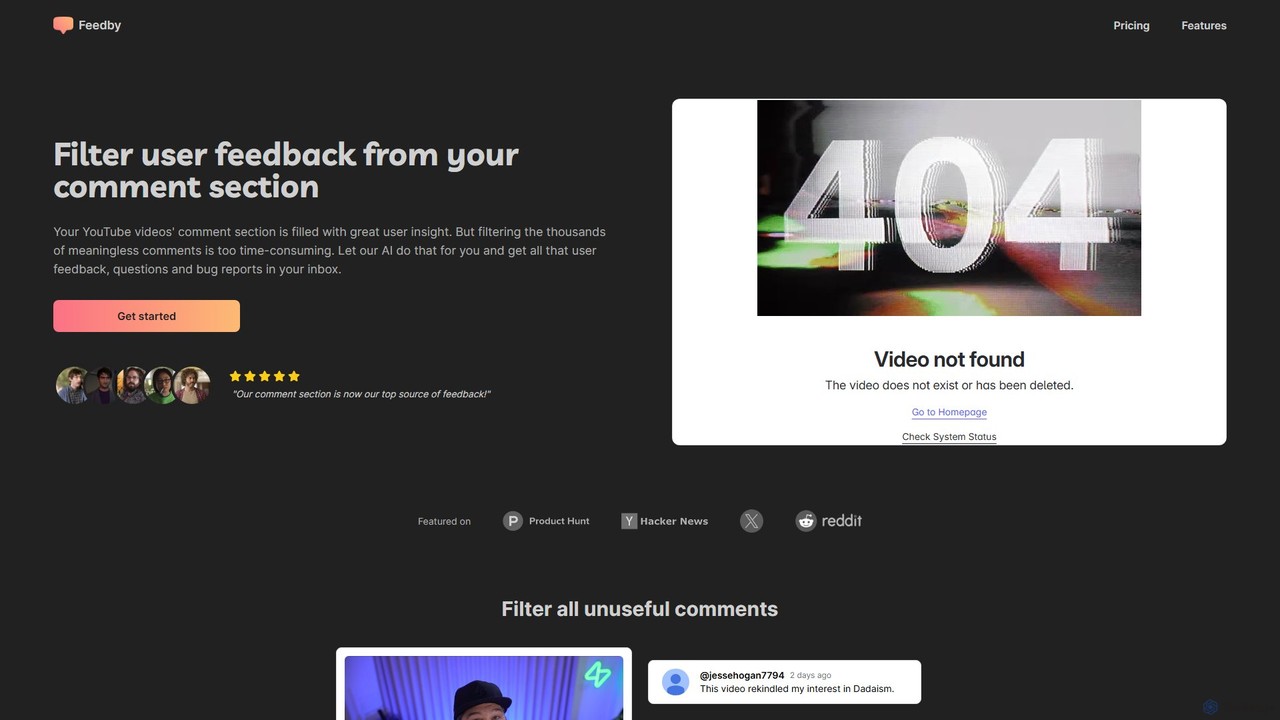
Feedby

Feedby is an AI-powered tool that automatically filters YouTube comment sections to extract valuable user feedback. It intelligently …

3.0K
RevAI

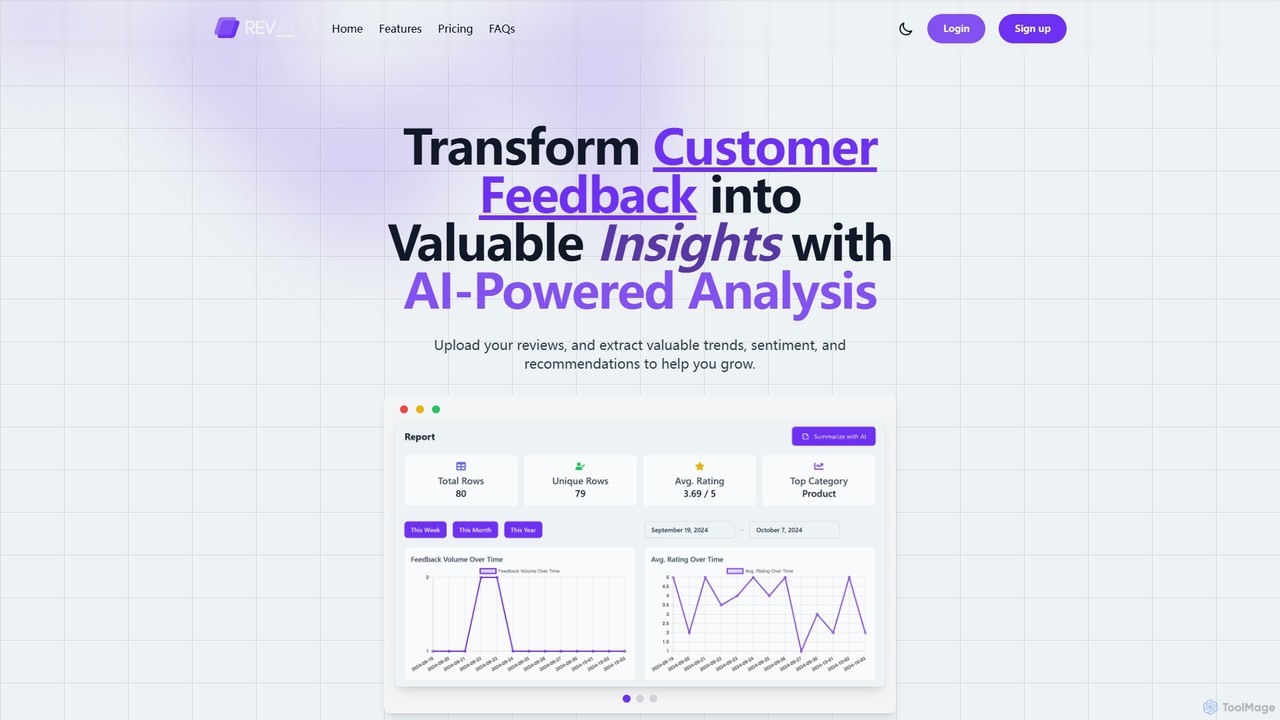
RevAI

RevAI is an AI-powered platform that transforms raw customer feedback and reviews into actionable insights. It automates the …

2.9K
Backsy.ai

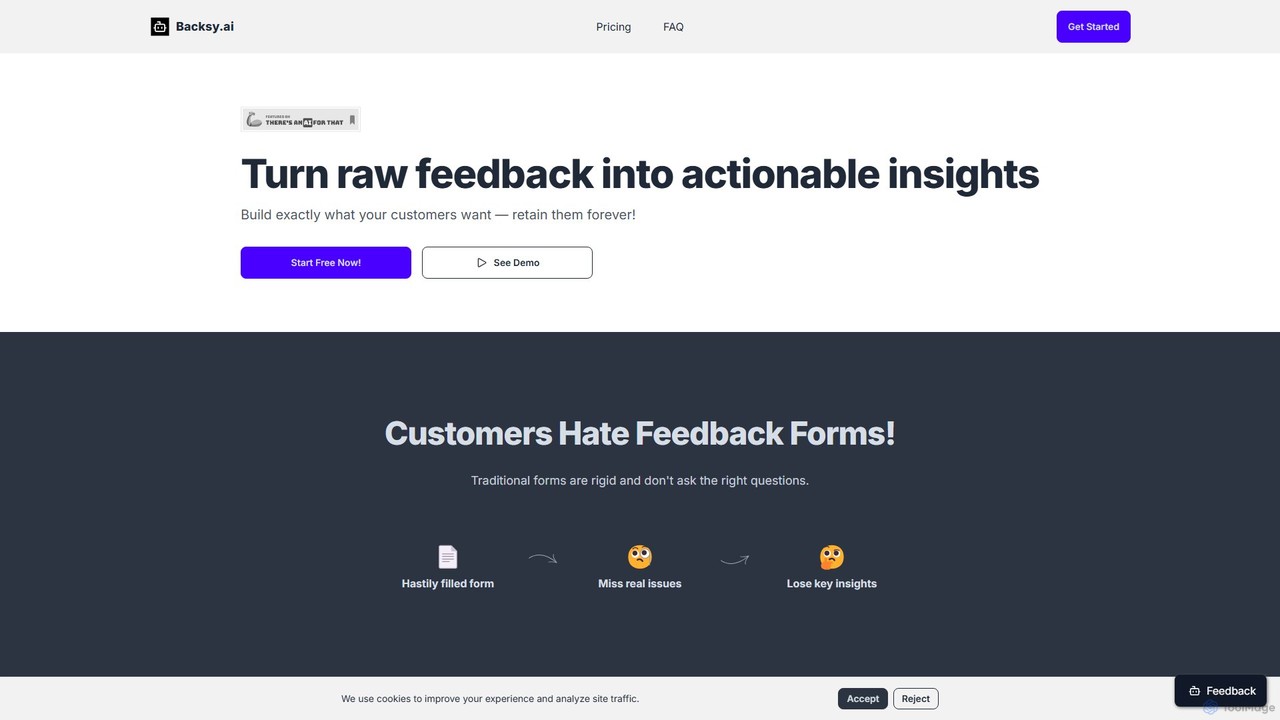
Backsy.ai

Backsy.ai is an AI-powered platform designed to transform raw, unstructured customer feedback into actionable insights. It allows businesses …

3.6K
Feedback Navigator

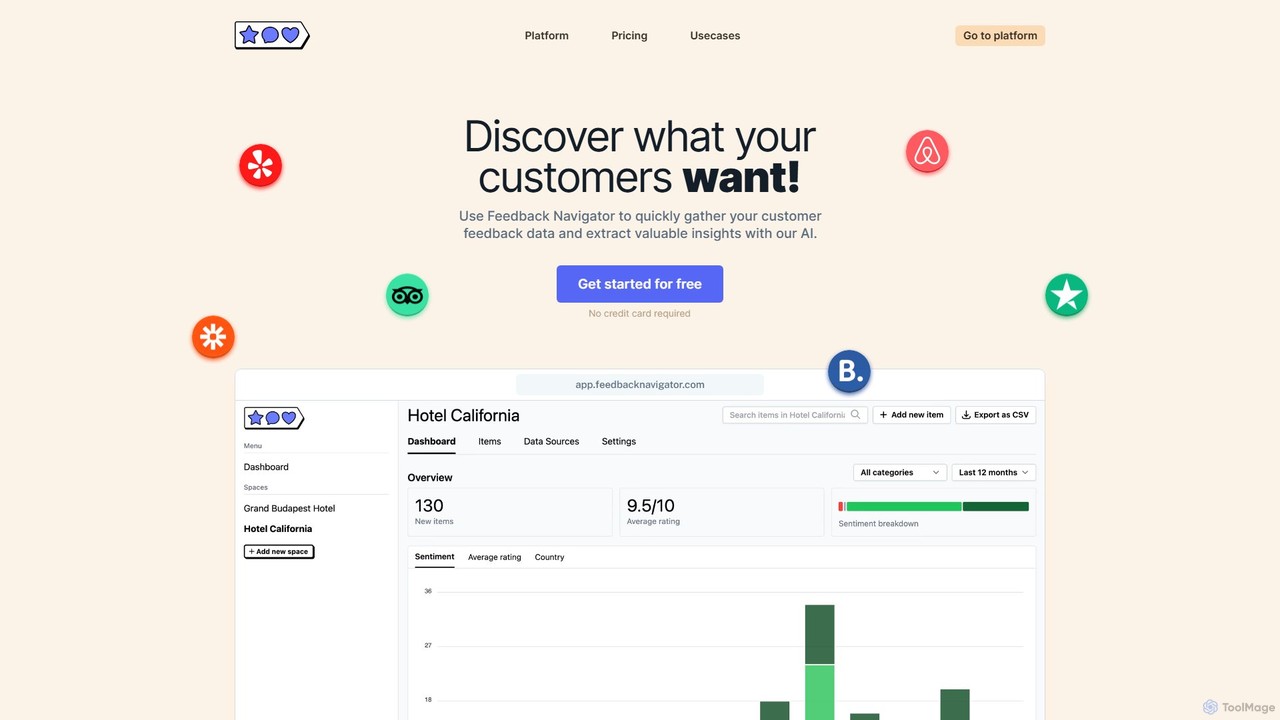
Feedback Navigator

Feedback Navigator is an AI-powered platform designed to analyze customer feedback from various sources. It automatically gathers reviews, …

2.9K
Reassurance AI

Reassurance AI

Reassurance AI is an advanced platform designed to enhance customer communication by providing empathetic and reassuring responses. It …

3.5K

About Sentiment Analysis

Sentiment Analysis tools are a category of AI-powered solutions that automatically identify and extract subjective information from text data, determining the emotional tone or opinion expressed. Leveraging advanced natural language processing (NLP) and machine learning algorithms, these tools can classify text as positive, negative, or neutral, and often detect specific emotions like joy, anger, or sadness. They provide invaluable insights into public perception, customer satisfaction, and brand reputation, enabling businesses to make data-driven decisions within their marketing strategies and beyond.

Core Features

  • Polarity Detection: Automatically classifies text as positive, negative, or neutral sentiment.
  • Emotion Recognition: Identifies specific emotions such as joy, anger, surprise, or sadness within text.
  • Aspect-Based Sentiment Analysis: Pinpoints sentiment towards particular entities or features mentioned in text, like a product's "battery life" or "customer service."
  • Multi-Language Support: Processes and analyzes sentiment across various languages, crucial for global operations.
  • Trend Analysis: Tracks changes in sentiment over time, revealing shifts in public opinion or customer perception.

Applicable Scenarios

Marketing teams utilize these tools to monitor brand perception and campaign effectiveness. Customer service departments employ them to understand the emotional state of callers or ticket submitters. Product development teams analyze user reviews to identify pain points and desired features, ensuring product improvements are aligned with customer sentiment.

How to Choose

When selecting a Sentiment Analysis tool, consider its accuracy and robustness across different text types and languages. Evaluate its integration capabilities with existing platforms like CRM or social media monitoring tools. Assess the level of customization offered for domain-specific terminology and sentiment nuances. Finally, review its scalability to handle varying data volumes and its ability to provide actionable insights rather than just raw data.

Sentiment AnalysisUse Cases

1

Monitor Brand Reputation on Social Media

Marketing and PR teams use Sentiment Analysis tools to continuously scan social media platforms, news articles, and forums for mentions of their brand. By automatically identifying positive, negative, or neutral sentiment, they can quickly detect emerging crises, measure the impact of marketing campaigns, and understand public perception in real-time, allowing for timely responses and strategic adjustments to protect brand image.

2

Analyze Customer Feedback for Product Improvement

Product managers and development teams leverage Sentiment Analysis to process vast amounts of customer reviews, survey responses, and support tickets. The tools identify common themes and the sentiment associated with specific product features or services. This helps prioritize development efforts, address critical pain points, and build features that genuinely enhance customer satisfaction, leading to more user-centric product iterations.

3

Enhance Customer Service Experience

Customer service departments integrate Sentiment Analysis into their communication channels (e.g., email, chat, call transcripts) to gauge the emotional tone of customer interactions. Agents can be alerted to highly negative sentiment, allowing them to de-escalate situations proactively or prioritize urgent cases. This leads to more empathetic and efficient service delivery, improving customer satisfaction and loyalty.

4

Gauge Market Reaction to New Product Launches

Businesses launching new products or services use Sentiment Analysis to quickly assess initial market reception. By analyzing online discussions, reviews, and social media buzz, they can understand what aspects are well-received and what areas generate criticism. This immediate feedback loop is crucial for making rapid adjustments to marketing messages, pricing, or even product features post-launch.

5

Understand Competitor Perception and Market Trends

Market research analysts employ Sentiment Analysis to monitor public opinion about competitors and broader industry trends. By analyzing sentiment around rival products or services, businesses can identify competitive advantages, discover unmet market needs, and anticipate shifts in consumer preferences. This strategic intelligence informs competitive positioning and long-term business planning.

6

Evaluate Employee Morale from Internal Feedback

HR departments and internal communications teams utilize Sentiment Analysis to process anonymous employee surveys, internal communication platforms, and feedback forms. By identifying patterns in sentiment, they can gauge overall employee morale, pinpoint areas of dissatisfaction, and understand the emotional impact of company policies or changes. This helps foster a more positive work environment and address employee concerns proactively.

Sentiment AnalysisFrequently Asked Questions