Marketing Best in category 2 results Social Media Analytics AI Tool

Popular AI tools in the Social Media Analytics field of Marketing include LunarCrush、ReByte, etc., helping you quickly improve efficiency.

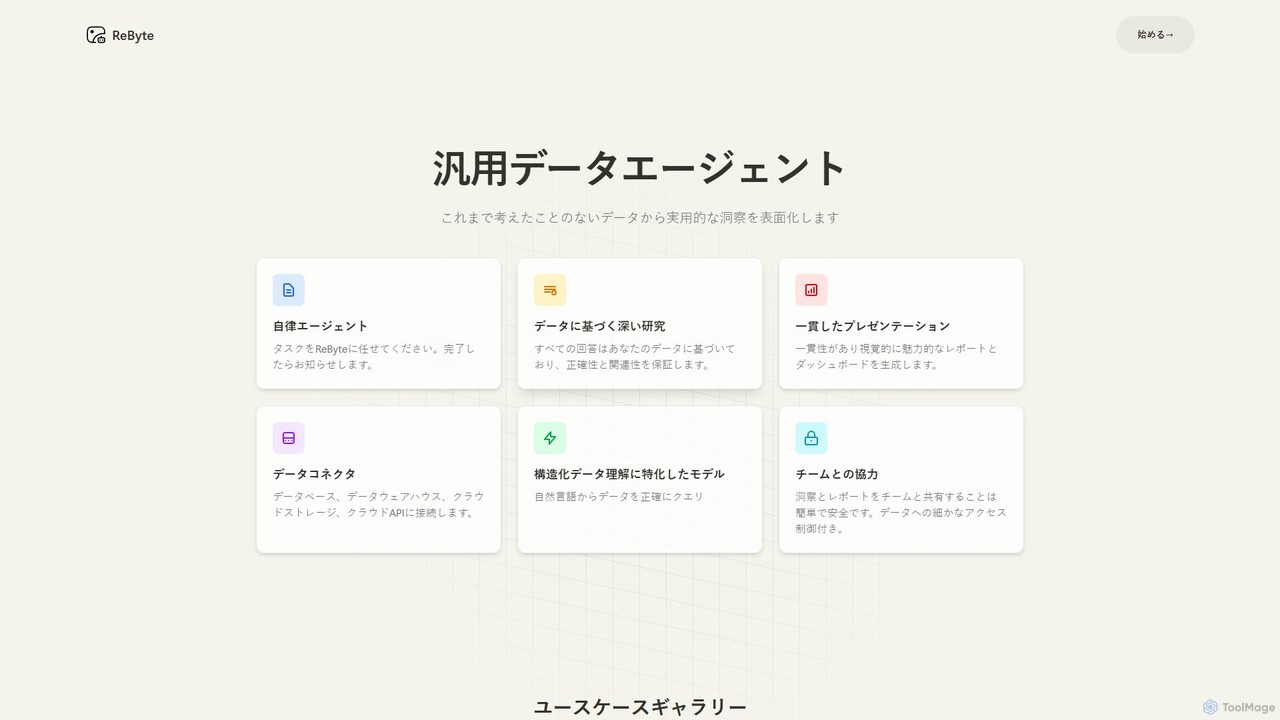
ReByte

ReByte

ReByte is an autonomous AI data agent that connects to your data sources, understands natural language queries, and …

5.0K
LunarCrush

LunarCrush

LunarCrush is an AI-powered social intelligence platform that provides real-time analytics on social media trends for cryptocurrencies, stocks, …

106.8K

About Social Media Analytics

Social Media Analytics tools are AI-powered platforms designed to collect, analyze, and visualize data from various social media channels. These tools leverage advanced algorithms to process vast amounts of social data, providing actionable insights into audience behavior, content performance, and market trends. By transforming raw social interactions into meaningful metrics, they empower businesses and individuals to make data-driven decisions, optimize their social media strategies, and enhance online presence.

Core Features

  • Audience Insights: Analyze demographics, interests, and online behavior of your social media followers.
  • Content Performance Tracking: Monitor engagement rates, reach, impressions, and virality of posts across platforms.
  • Sentiment Analysis: Gauge public perception and brand sentiment by analyzing mentions and comments.
  • Competitor Benchmarking: Compare your social media performance against industry rivals to identify strengths and weaknesses.
  • Trend Identification: Discover emerging topics, hashtags, and conversations relevant to your niche or industry.

Use Cases

Marketing teams utilize these tools to refine campaign targeting and content strategies. Brand managers employ them for real-time reputation monitoring and crisis management. Content creators gain deeper understanding of what resonates with their audience, enabling them to produce more engaging material.

How to Choose

When selecting a Social Media Analytics tool, consider the breadth of supported social platforms, the depth of data insights offered (e.g., real-time vs. historical), the quality of reporting and visualization features, and its integration capabilities with other marketing software. Scalability and pricing models are also crucial factors to ensure it meets your evolving needs.

Social Media AnalyticsUse Cases

1

Optimizing Social Media Marketing Campaigns

Marketing managers use Social Media Analytics tools to track the performance of their campaigns across platforms like Facebook, Instagram, and X. By analyzing engagement rates, click-through rates, and conversion data, they can identify which content types, posting times, and audience segments yield the best results. This data-driven approach allows for continuous optimization, ensuring marketing budgets are spent effectively and campaign objectives are met with higher efficiency.

2

Monitoring Brand Reputation and Sentiment

Public relations and brand management teams leverage these tools to monitor online mentions of their brand, products, or key personnel. Advanced sentiment analysis capabilities help them gauge public perception, detect potential crises early, and understand customer satisfaction. Real-time alerts for negative mentions enable swift responses, protecting brand image and fostering positive customer relationships.

3

Understanding Target Audience Behavior

Content creators and strategists utilize Social Media Analytics to gain deep insights into their audience's demographics, interests, and online habits. By analyzing follower data, popular content formats, and peak engagement times, they can tailor their content strategy to better resonate with their target demographic. This leads to more relevant content, increased engagement, and stronger community building.

4

Conducting Competitor Analysis and Benchmarking

Businesses use Social Media Analytics to benchmark their performance against key competitors. These tools allow them to track competitors' content strategies, engagement levels, follower growth, and even ad spend. By identifying successful tactics and areas where competitors excel, companies can refine their own strategies, uncover market gaps, and maintain a competitive edge in their industry.

5

Identifying Emerging Industry Trends

Market researchers and strategists employ Social Media Analytics to spot emerging trends, popular hashtags, and shifting consumer interests within their industry. By analyzing conversations, viral content, and trending topics, they can anticipate market changes, inform product development, and create timely, relevant content. This proactive approach helps businesses stay ahead of the curve and capitalize on new opportunities.

6

Measuring Influencer Marketing ROI

Brands collaborating with influencers use Social Media Analytics to accurately measure the return on investment (ROI) of their campaigns. They track key metrics such as influencer reach, engagement rates on sponsored posts, audience demographics reached, and direct conversions attributed to influencer content. This data helps evaluate influencer effectiveness, optimize future collaborations, and ensure marketing spend delivers tangible results.

Social Media AnalyticsFrequently Asked Questions