
ToolMage
Sign in

Best 1 Upselling & Cross Selling AI tools for Marketing

Popular Upselling & Cross Selling AI tools in Marketing include Getwiser, helping you work more efficiently.

Getwiser
Freemium

Getwiser

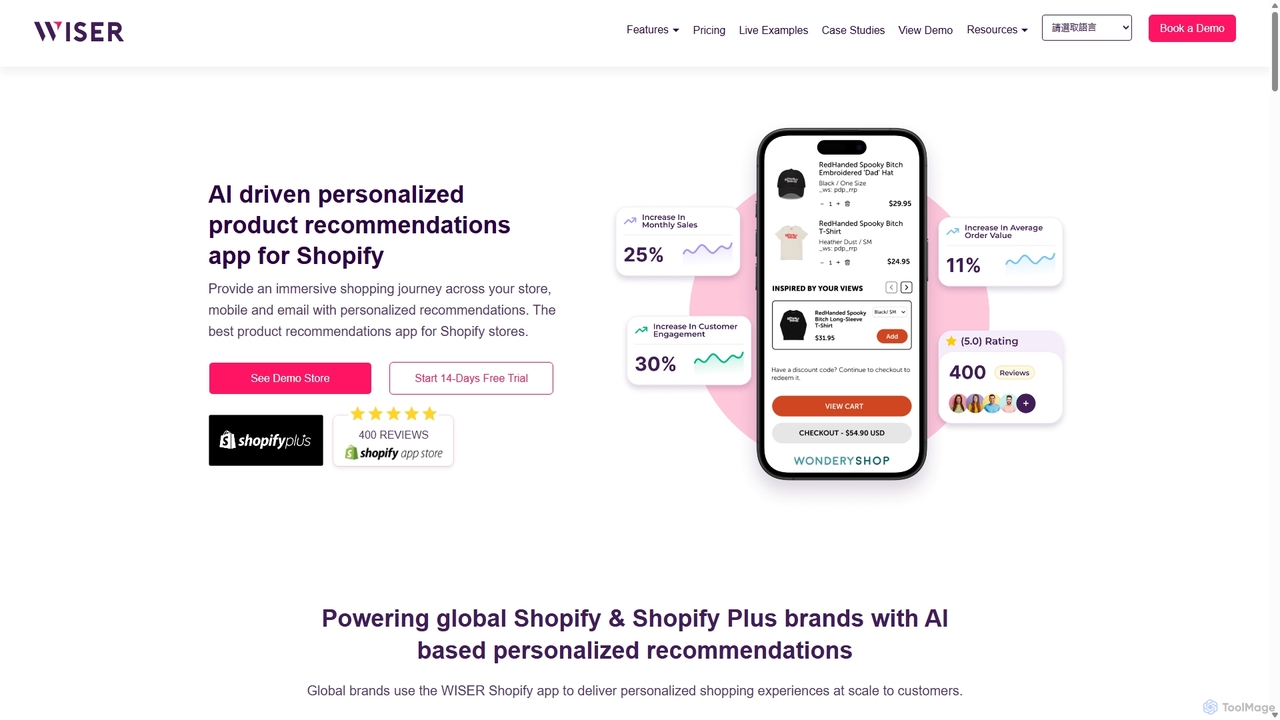
Getwiser is an AI-powered Shopify app designed to boost e-commerce sales through personalized product recommendations. It enhances the customer journey with intelligent widgets for upselling, cross-selling, and frequently bought together items, ultimately increasing average order value and conversion rates for online stores.

Personalization
Visits 9.9KFavorites 128Likes 126

About Upselling & Cross Selling

AI Upselling & Cross Selling tools are a specialized class of marketing software designed to maximize revenue from existing customers. These platforms use machine learning algorithms to analyze customer data, such as purchase history and browsing behavior, to automatically suggest relevant product upgrades (upselling) or complementary items (cross-selling). By delivering highly personalized recommendations at key moments in the customer journey, they significantly increase Average Order Value (AOV) and Customer Lifetime Value (CLV). Their core strength lies in moving beyond static rules to predictive, dynamic suggestions that enhance the shopping experience.

Core Features

  • Predictive Recommendation Engine: Utilizes AI to analyze user data and predict which products or services a customer is most likely to purchase next.
  • Behavioral Triggers: Automatically presents offers based on real-time user actions, such as adding an item to the cart, viewing a specific page, or session duration.
  • Dynamic Offer Placement: Displays upselling and cross-selling opportunities on product pages, in the shopping cart, at checkout, or in post-purchase communications.
  • A/B Testing and Optimization: Allows businesses to test different offers, placements, and messaging to identify the most effective strategies for revenue growth.
  • Performance Analytics: Provides detailed dashboards to track key metrics like conversion rates, AOV lift, and total revenue generated from recommendations.

Use Cases

These tools are essential for e-commerce businesses across all sectors, including fashion, electronics, and home goods. They are also widely used by SaaS companies to encourage plan upgrades and by subscription services to promote add-ons. Online travel agencies and digital content platforms also leverage them to offer supplementary services and premium content.

How to Choose

When selecting a tool, first consider its integration capabilities with your existing e-commerce platform (e.g., Shopify, Magento, WooCommerce) or CRM. Evaluate the sophistication of the AI recommendation engine and the level of customization available for offer widgets. Also, assess the depth of its analytics and reporting features to ensure you can accurately measure ROI. Finally, consider the pricing model and its scalability as your business grows.

Upselling & Cross Selling use cases

1

E-commerce Checkout Path Optimization

An online fashion retailer aims to increase its average order value. They use an AI upselling and cross-selling tool to implement two key strategies. On product pages, when a customer views a dress, the tool displays a 'Complete the Look' widget showing matching shoes and accessories (cross-sell). When the customer proceeds to the cart, a pop-up offers a bundle deal if they add a related item. This data-driven approach provides relevant suggestions, improving the shopping experience and leading to a measurable lift in AOV without being intrusive.

2

SaaS Subscription Plan Upgrades

A project management SaaS provider wants to convert more free-tier users to paid plans. They integrate an AI tool that monitors user behavior within the application. When a user repeatedly hits the feature limits of their current plan, such as the maximum number of projects or team members, the system automatically triggers a contextual in-app message. This message highlights the specific benefits of the next-tier plan that would solve their immediate problem (upsell), resulting in a higher conversion rate from free to paid subscriptions.

3

Automated Post-Purchase Campaigns

An online electronics store seeks to increase customer lifetime value. After a customer purchases a camera, an AI tool automatically schedules a series of post-purchase emails. The first email, sent a few days later, suggests complementary products like memory cards, camera bags, and tripods (cross-sell) based on the specific camera model purchased. Subsequent emails might offer extended warranties (upsell). This automated and personalized follow-up encourages repeat purchases and strengthens customer loyalty.

4

Dynamic In-Cart Food Delivery Suggestions

A food delivery app wants to increase the size of each order. They employ an AI cross-selling tool that analyzes the contents of a user's cart in real-time. If a user adds a pizza, the tool instantly suggests adding popular side items like garlic bread or a drink at a slight discount. The recommendations are based on a machine learning model that has analyzed thousands of past orders to identify the most frequently purchased combinations, making the suggestions highly relevant and effective.

5

B2B Client Service Expansion

A digital marketing agency uses a CRM integrated with an AI cross-selling tool to identify growth opportunities within their existing client base. The AI analyzes client data, including current services, budget, and website performance metrics. It might flag a client who only uses SEO services but has a high website bounce rate, suggesting they are a prime candidate for a CRO (Conversion Rate Optimization) service package. This allows account managers to make proactive, data-backed proposals to expand client accounts.

6

Enhancing Subscription Box Value

A monthly coffee subscription service aims to offer more personalization and increase revenue per subscriber. During the monthly box selection process, an AI tool analyzes the subscriber's taste profile and past ratings. It then presents them with two options: an opportunity to upgrade one of their selected coffees to a rare, premium single-origin bean for a small fee (upsell), or to add a discounted bag of a complementary blend they are predicted to enjoy (cross-sell). This enhances the user experience by offering tailored choices while boosting revenue.

Upselling & Cross Selling FAQ

What are AI Upselling & Cross Selling tools?

AI Upselling & Cross Selling tools are software platforms that use machine learning to automatically recommend relevant additional products or upgrades to customers. Their primary goal is to increase Average Order Value (AOV) and Customer Lifetime Value (CLV). Unlike simple rule-based systems, these AI tools analyze vast amounts of data—like purchase history, browsing behavior, and customer segments—to predict what a customer is most likely to buy next, delivering personalized and timely offers.

How do I choose the right AI upselling tool?

To choose the right tool, consider four key factors. First, check for seamless integration with your e-commerce platform (e.g., Shopify, BigCommerce) or CRM. Second, evaluate the sophistication of its AI algorithms; can it provide diverse recommendation types? Third, assess the level of customization and control you have over the appearance and logic of the offers. Finally, ensure it provides robust analytics to track performance and measure the return on investment (ROI) accurately.

What is the main difference between upselling and cross-selling?

The main difference lies in the type of product offered. Upselling involves persuading a customer to purchase a more expensive, upgraded, or premium version of the chosen item. For example, offering a larger-sized coffee or a laptop with more memory. Cross-selling involves recommending related or complementary products that go with the item being purchased. For example, suggesting a mouse and keyboard to go with a new laptop.

How do these tools improve the customer experience?

When implemented correctly, AI upselling and cross-selling tools enhance the customer experience by providing genuine value. Instead of showing random or irrelevant ads, they act as a helpful digital sales assistant, anticipating customer needs and helping them discover products they might have missed. This personalization makes the shopping journey feel more tailored and efficient, leading to higher customer satisfaction and loyalty. The key is relevance; effective tools show the right offer to the right customer at the right time.

Are AI upselling tools only for large enterprises?

No, these tools are accessible to businesses of all sizes, including small and medium-sized enterprises (SMEs). Many modern AI upselling and cross-selling solutions are built as apps for popular e-commerce platforms like Shopify and WooCommerce, offering easy installation and affordable, scalable pricing plans. They allow smaller businesses to leverage the same powerful personalization technology as large retailers, helping them compete effectively by maximizing the value of every customer interaction.