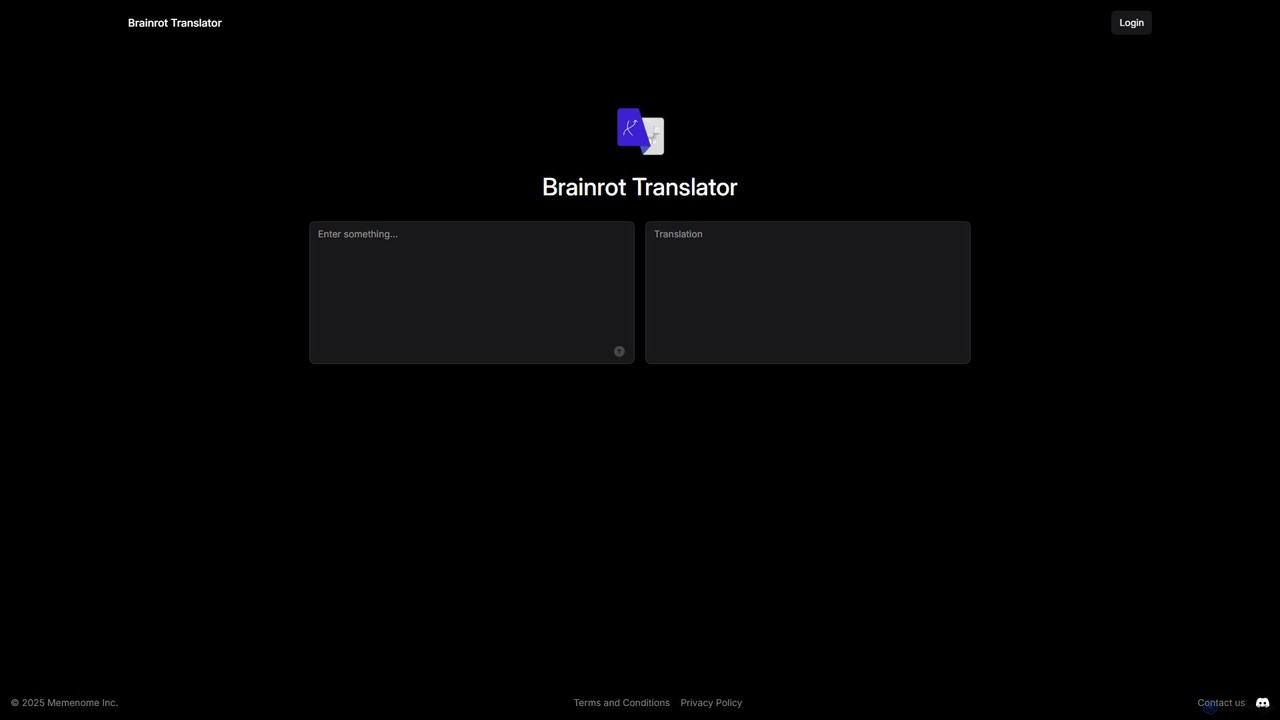
brainrot
An AI-powered generator for creating 'brain rot' content. It helps creators, marketers, and social media managers produce highly …
An AI-powered generator for creating 'brain rot' content. It helps creators, marketers, and social media managers produce highly engaging, trendy, and surreal memes, slang, and video scripts tailored for younger audiences on platforms like TikTok and Instagram.
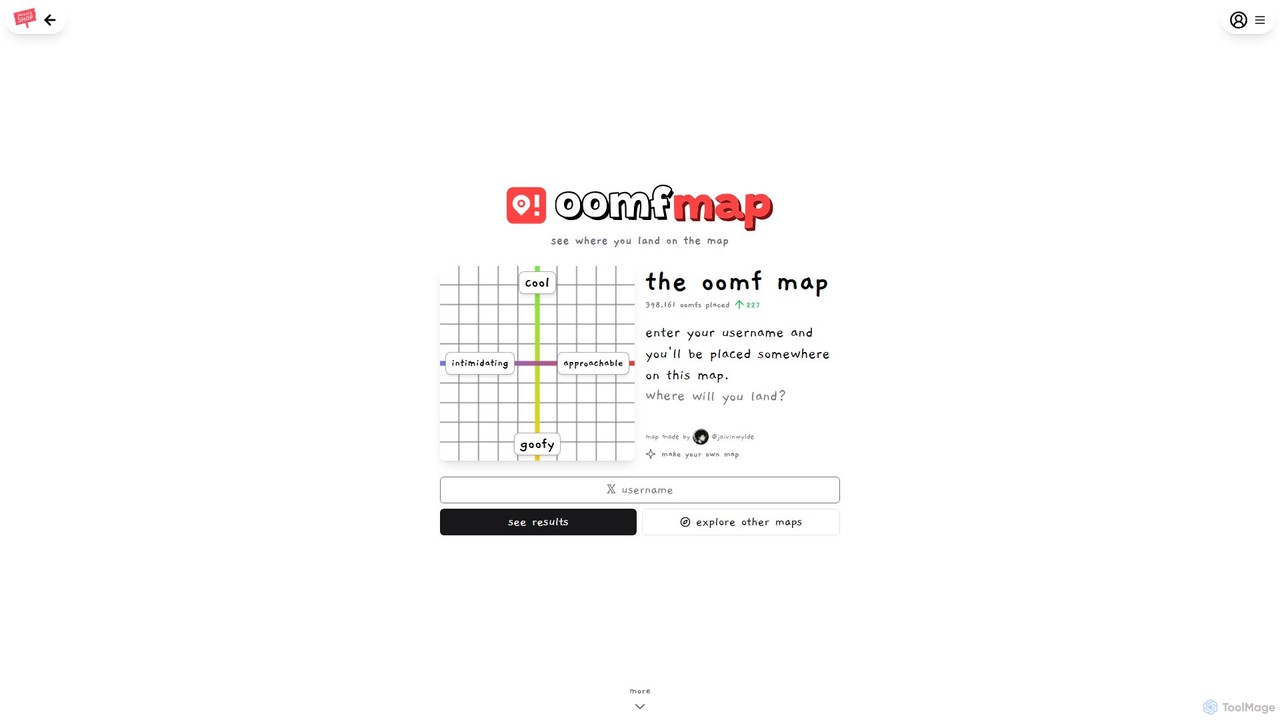
oomfmap
oomfmap is a viral social media tool that allows users to create and participate in 2D personality maps. …
oomfmap is a viral social media tool that allows users to create and participate in 2D personality maps. Enter your username to see where you land on various themed grids (e.g., 'cool vs. goofy') or create your own custom map to share with your followers. It's a fun, engaging way to generate interactive content for platforms like X (Twitter).
About Viral Marketing
Viral Marketing tools are AI-powered platforms designed to amplify brand messages and content through rapid, organic sharing across digital networks. These tools leverage advanced algorithms to identify trending topics, optimize content for shareability, and analyze network dynamics to maximize reach. They empower businesses to create highly engaging campaigns that spread quickly, fostering widespread brand awareness and customer acquisition through word-of-mouth.
Core Features
- Shareability Analysis: AI evaluates content for viral potential, suggesting optimizations for maximum spread.
- Incentive Management: Automates referral programs, contests, and reward distribution to encourage participation.
- Trend Identification: Monitors social media and web for emerging topics and hashtags relevant to campaigns.
- Audience Segmentation: Identifies key influencers and highly engaged user groups for targeted outreach and seeding.
- Performance Tracking: Measures campaign virality, reach, engagement metrics, and conversion rates.
Use Cases
Businesses utilize these tools to launch product promotions that encourage user-generated content, run referral programs that reward existing customers for new sign-ups, and create interactive campaigns designed for rapid social media sharing. They are crucial for startups aiming for rapid growth and established brands seeking to refresh their market presence.
How to Choose
When selecting a Viral Marketing tool, consider its ability to integrate with existing marketing platforms, the breadth of its incentive management features, and its analytics capabilities for tracking campaign spread. Evaluate the ease of campaign setup, the level of AI-driven content optimization, and the scalability to handle varying campaign sizes and user volumes.
Viral MarketingUse Cases
Launch Automated Referral Programs
E-commerce brands and SaaS companies can use viral marketing tools to set up automated referral programs. Customers receive unique sharing links, and both the referrer and the new customer get discounts or rewards upon successful sign-up or purchase. This incentivizes existing customers to spread the word, driving new customer acquisition at a lower cost per lead and fostering a loyal community.
Create Highly Shareable Content Campaigns
Content creators and marketing teams leverage these tools to design campaigns specifically for social media virality. By analyzing engagement patterns and trending topics, the AI suggests optimal content formats, headlines, and posting times. This helps generate posts, videos, or quizzes that resonate deeply with target audiences, encouraging widespread sharing and organic reach across platforms.
Run Viral Contests and Giveaways
Brands can host viral contests where participants gain extra entries for sharing the contest on social media or referring friends. The tools manage entry tracking, fraud detection, and prize distribution, ensuring a fair and engaging experience. This strategy significantly boosts brand visibility, generates leads, and collects valuable user data through incentivized participation, turning participants into promoters.
Amplify User-Generated Content (UGC)
Companies encourage customers to create and share content related to their products or services, often with a specific hashtag. Viral marketing platforms can identify top-performing UGC, provide tools for easy sharing, and even offer micro-incentives for participation. This authentic content acts as powerful social proof, driving trust and further organic spread, making the brand more relatable and trustworthy.
Boost Product Launch Awareness
For new product launches, these tools help orchestrate pre-launch buzz campaigns. By identifying early adopters and influencers, and providing them with exclusive content or early access, the tools facilitate a coordinated sharing effort. This creates anticipation and a strong initial surge of interest, making the product launch a widely discussed event and maximizing its initial market penetration.
Drive Event Registrations and Attendance
Event organizers can utilize viral marketing strategies to increase attendance for webinars, conferences, or workshops. By offering discounts or exclusive access to attendees who refer friends, or by creating highly shareable event pages with social sharing prompts, these tools can significantly expand the event's reach. This turns attendees into promoters, leading to a higher volume of registrations and a more engaged audience.