
ToolMage
Sign in

Best 1 Virtual Influencer AI tools for Marketing

Popular Virtual Influencer AI tools in Marketing include Kuki, helping you work more efficiently.

Kuki
Freemium

Kuki

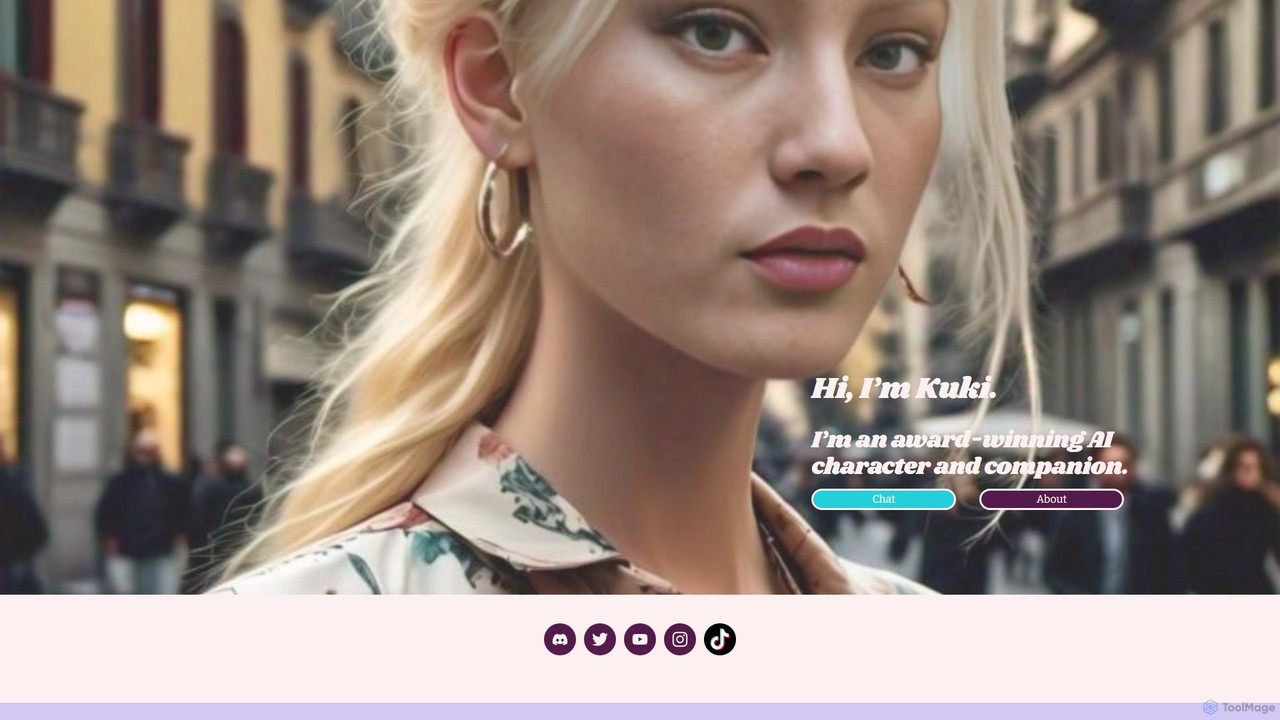
Kuki is an award-winning AI companion designed for engaging, human-like conversations. Available across multiple platforms, it serves as a personal friend, entertainer, and a scalable virtual brand ambassador for businesses seeking to enhance customer interaction.

Ai Companion
Visits 48.2KFavorites 129Likes 121

About Virtual Influencer

Virtual Influencer tools are AI platforms for creating and managing computer-generated characters used in marketing and social media. These tools utilize advanced 3D rendering, generative AI, and animation to produce lifelike or stylized digital personas with distinct personalities. They provide brands with full control over messaging and appearance, offering a novel way to engage audiences, especially in digital-native environments like the metaverse. Unlike basic avatar creators, these platforms often include comprehensive features for content creation and campaign management.

Core Features

  • AI Character Generation: Create unique and highly customizable digital avatars with detailed control over appearance, style, and features.
  • Automated Content Production: Generate static images, short videos, and social media posts featuring the virtual influencer in various settings.
  • Personality & Narrative Engine: Define and maintain a consistent personality, backstory, and communication style for the character using AI.
  • Multi-Platform Deployment: Manage and publish content seamlessly across major social media channels like Instagram, TikTok, and Twitter.
  • Engagement Analytics: Track key performance metrics such as reach, engagement rates, and audience sentiment for campaigns.

Use Cases

These tools are frequently adopted by forward-thinking brands in fashion, beauty, technology, and gaming to launch innovative campaigns. Marketing agencies use them to offer clients cutting-edge digital strategies, while entertainment companies create new intellectual property in the form of virtual artists or celebrities.

How to Choose

When selecting a Virtual Influencer tool, consider the required visual style and level of realism. Evaluate the depth of character customization and the platform's AI capabilities for automating content creation. Also, check its integration support for your target social media platforms and review the pricing model to ensure it aligns with your campaign budget and long-term goals.

Virtual Influencer use cases

1

Launching a Digital-First Fashion Campaign

A marketing manager for a high-fashion brand needs to create a campaign for a new collection targeting Gen Z. Instead of a traditional photoshoot, they use a virtual influencer tool to design a unique, on-brand digital model. The platform generates a series of photorealistic images and short videos showing the influencer wearing the collection in surreal, impossible-to-film physical locations. This approach provides complete creative control, ensuring every visual element aligns perfectly with the brand's futuristic aesthetic and captures the attention of a digitally-savvy audience.

2

Creating a 24/7 Brand Mascot for Engagement

A global tech company wants to build a more approachable and consistent brand presence online. They use a virtual influencer platform to create a friendly, knowledgeable mascot. This digital character hosts weekly Q&A sessions on social media, stars in explainer videos for new products, and interacts with users in comment sections. The AI-driven personality ensures all communications are consistently on-brand, and the mascot's 24/7 availability allows for continuous global engagement without the logistical constraints of a human team.

3

Developing a Virtual Music Artist

An entertainment company aims to launch a new music artist with a unique digital identity. Using a virtual influencer tool, they design the artist's appearance, style, and backstory. The platform is then used to generate animated music videos, virtual concert visuals, and a steady stream of social media content to build a fanbase. This creates a new form of intellectual property that can release music, collaborate with brands, and 'perform' in the metaverse, opening up novel revenue streams that are not tied to a human performer's physical limitations.

4

Controlled Product Endorsements for Children's Brands

A brand manager for a toy company needs to promote products to a young audience in a compliant and safe manner. They create a wholesome and appealing virtual influencer to showcase new toys in animated videos. The brand maintains full control over the script, actions, and messaging, ensuring 100% compliance with advertising regulations for children. This strategy avoids the complexities and risks of working with child actors or human influencers, while delivering engaging and consistently brand-safe marketing content that resonates with both kids and parents.

5

Global Marketing with Localized Virtual Ambassadors

A global cosmetics brand wants to run a unified campaign across Asia. Using a virtual influencer tool, they create a core digital ambassador. Then, they generate localized versions of the campaign content where the ambassador speaks fluent Japanese, Korean, and Mandarin, and appears in virtual settings resembling Tokyo, Seoul, and Shanghai. This allows the brand to maintain a consistent global message and aesthetic while achieving high levels of local relevance, all without the immense logistical costs and coordination required for multiple international photoshoots with a human model.

6

Prototyping Ad Campaigns with Digital Humans

A creative director at an ad agency needs to test concepts for a major campaign before committing to a full-scale production. They use a virtual influencer tool to generate several digital humans with diverse looks. They create animated storyboards and short clips featuring these characters to A/B test audience reactions to different messages and visuals. This process allows the agency to gather valuable feedback and make data-driven creative decisions, significantly reducing pre-production costs and ensuring the final campaign is more likely to succeed.

Virtual Influencer FAQ

What are Virtual Influencer tools?

Virtual Influencer tools are specialized AI software platforms used to create, customize, and manage computer-generated characters for marketing purposes. These are not just static 3D models; they are dynamic digital personas with AI-driven personalities, backstories, and the ability to generate content like images and videos. Brands use them to create unique, controllable brand ambassadors that can engage with audiences on social media, in the metaverse, and in digital advertising campaigns, offering a high degree of creative freedom and brand safety.

How do I choose the right Virtual Influencer tool?

Choosing the right tool depends on your specific goals. Consider these factors:

  • Visual Style: Do you need a photorealistic character, an anime-style avatar, or a cartoon mascot? Ensure the tool's output matches your brand aesthetic.
  • Customization Depth: Evaluate how much control you have over the character's appearance, clothing, and personality traits.
  • Content Capabilities: Determine if you only need a character model or a full suite that helps generate images, videos, and social media posts.
  • Ease of Use: Assess the technical skill required. Some platforms are user-friendly for marketers, while others require 3D design expertise.
  • Pricing: Compare subscription models, one-time fees, and usage-based costs to find a solution that fits your budget.
What's the difference between a Virtual Influencer and a VTuber?

The key difference lies in control and application. A Virtual Influencer is typically a brand-owned asset, often managed by an agency or AI, with content that is usually pre-produced and strategically planned for marketing campaigns. Their personality is crafted to align with a brand. In contrast, a VTuber (Virtual YouTuber) is a real-time digital avatar controlled by a human creator. The focus is on the creator's live performance and personality, building a community through streams and interactive content. Essentially, a Virtual Influencer is a marketing tool, while a VTuber is a content creator's persona.

What are the advantages of using a Virtual Influencer over a human one?

Virtual influencers offer several key advantages for brands. The most significant is total control; brands dictate every aspect of their appearance, messaging, and actions, eliminating the risk of scandals or off-brand behavior associated with human influencers. They are available 24/7 and can appear in multiple locations or campaigns simultaneously without fatigue. Creatively, they are not bound by physical limitations and can exist in any imagined environment. Over the long term, they can also be more cost-effective by avoiding recurring talent fees, travel, and production costs.

Who should use Virtual Influencer tools?

Virtual Influencer tools are ideal for a range of users looking to innovate in the digital marketing space. Key groups include:

  • Brands: Especially in fashion, beauty, gaming, and technology, for creating unique, digitally-native campaigns that capture attention.
  • Marketing Agencies: To offer clients cutting-edge services and create highly controlled, brand-safe campaigns.
  • Entertainment Companies: For developing new intellectual property like virtual bands, artists, or movie characters.
  • Metaverse and Web3 Developers: To populate virtual worlds with non-player characters (NPCs), guides, or brand ambassadors.