
Marketing Best in category 1 results Virtual Influencers AI Tool

Popular AI tools in the Virtual Influencers field of Marketing include The Clueless, etc., helping you quickly improve efficiency.

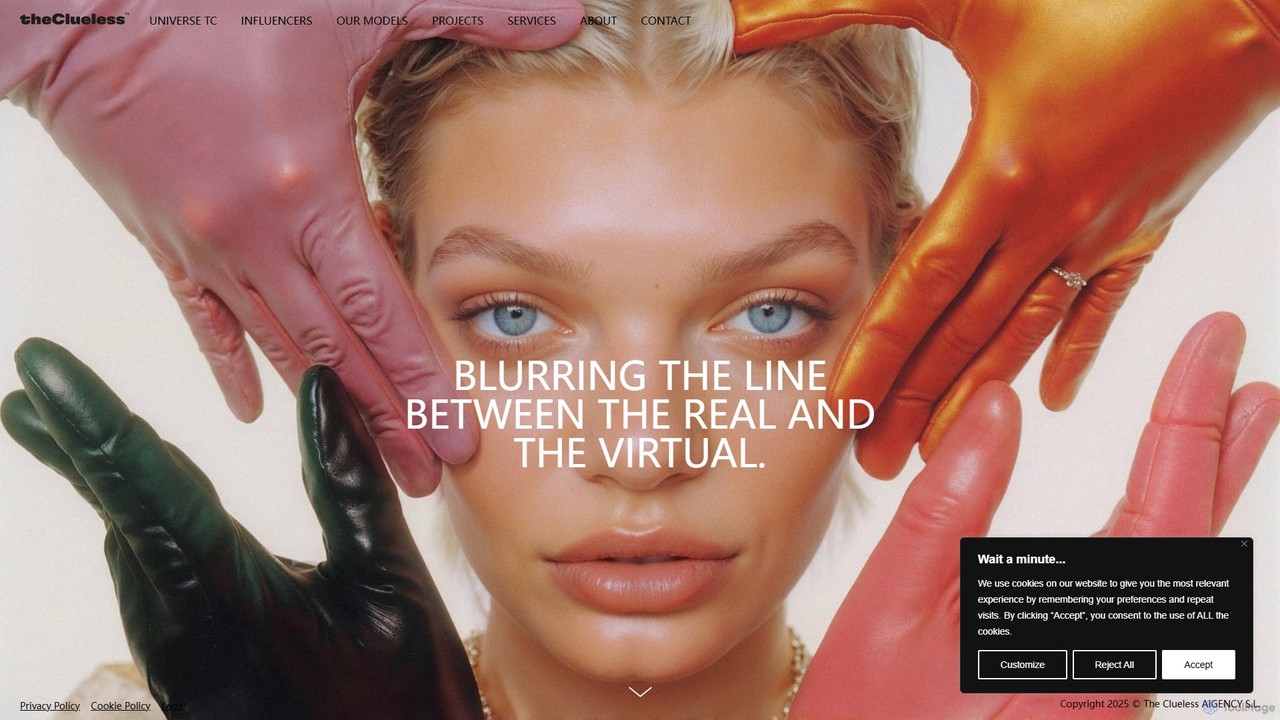
The Clueless

The Clueless

The Clueless is a pioneering AI agency specializing in creating hyper-realistic AI avatars and digital humans. It redefines …

22.3K

About Virtual Influencers

Virtual Influencers are AI-powered digital characters designed to engage audiences and promote brands, acting as digital personalities across various platforms. These tools leverage advanced computer graphics, AI-driven personality generation, and natural language processing to create lifelike avatars capable of interacting with followers. They offer brands unprecedented creative control and consistency in their marketing campaigns, enabling innovative storytelling and targeted outreach within the broader marketing landscape.

Core Features

  • Realistic Avatar Creation: Generate highly detailed and customizable 3D models with diverse appearances and styles.
  • AI-Driven Personality & Scripting: Develop unique character traits, backstories, and automate content scripts for authentic engagement.
  • Multi-Platform Content Generation: Automate the creation and scheduling of social media posts, images, and videos tailored for various platforms.
  • Audience Interaction Management: Facilitate automated or semi-automated responses to comments and direct messages, fostering community.
  • Performance Analytics & Optimization: Track engagement metrics, audience demographics, and campaign effectiveness for data-driven strategy adjustments.

Use Cases

Virtual Influencers are primarily utilized in brand marketing and social media strategies. They allow companies to launch global campaigns without geographical constraints, maintain consistent brand messaging, and experiment with niche market segments. From fashion brands showcasing new collections to tech companies explaining complex products, these digital entities provide a versatile and controlled marketing channel for modern businesses.

How to Choose

When selecting a Virtual Influencer platform, consider the level of customization offered for avatar appearance and personality, the sophistication of its AI interaction capabilities, and its integration with target social media platforms. Evaluate the content generation features, analytics tools, and the overall cost-effectiveness compared to traditional influencer marketing. Also, assess the platform's ability to scale and adapt to evolving brand narratives and campaign requirements.

Virtual InfluencersUse Cases

1

Launch Global Product Campaigns

A multinational brand utilizes a virtual influencer to simultaneously introduce a new product line across different regions. The virtual influencer can be customized to speak various languages and adapt cultural nuances, ensuring consistent brand messaging and efficient global reach without the logistical complexities of human talent, saving significant time and resources.

2

Fashion & Lifestyle Brand Promotion

A fashion label collaborates with a virtual model to showcase its latest collection on social media platforms. The virtual influencer can wear digital garments, pose in fantastical settings, and create visually stunning, trend-setting content without the logistical challenges of human models, such as travel or scheduling conflicts, allowing for rapid content deployment and creative freedom.

3

Educational Content & Brand Storytelling

A tech company employs a virtual expert to explain complex software features or industry trends in an engaging, accessible manner. The virtual influencer can consistently deliver educational content, host Q&A sessions, and build thought leadership for the brand, ensuring accuracy and maintaining a professional, approachable persona without the need for human presenters, enhancing audience understanding and trust.

4

Gaming & Entertainment Character Marketing

A game developer creates a virtual influencer based on a game character to build hype, interact with the gaming community, and provide sneak peeks of upcoming releases. This allows for direct, consistent engagement with fans, extending the game's universe beyond the screen and fostering a deeper connection with the audience, driving anticipation and sales for new titles.

5

Personalized Customer Engagement

An e-commerce platform deploys a virtual assistant as an influencer to offer personalized product recommendations and style advice. Leveraging AI, the virtual influencer can analyze customer preferences and browsing history to provide tailored suggestions, enhancing the shopping experience, building customer loyalty, and driving sales through highly relevant and engaging interactions.

6

Ethical & Sustainable Brand Advocacy

A sustainable brand partners with a virtual advocate to promote eco-friendly practices and products. The virtual influencer ensures consistent messaging about environmental values, participates in digital campaigns for social causes, and avoids potential human influencer controversies, providing a reliable and ethically aligned voice for the brand's mission, enhancing its public image and consumer trust.

Virtual InfluencersFrequently Asked Questions