Marketing Best in category 1 results Virtual Tour AI Tool

Popular AI tools in the Virtual Tour field of Marketing include DigitalCarbon, etc., helping you quickly improve efficiency.

DigitalCarbon

DigitalCarbon

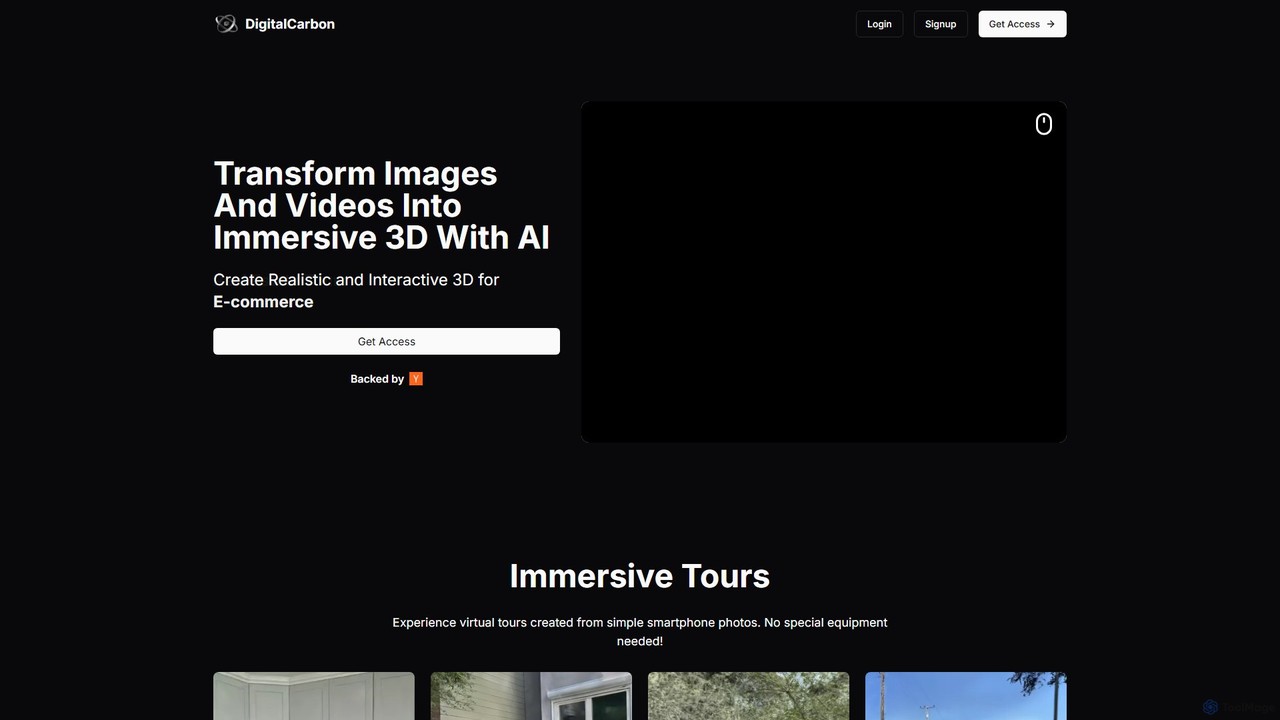
DigitalCarbon is an AI-powered platform that transforms standard 2D images and videos into realistic, interactive 3D models and …

3.0K

About Virtual Tour

AI Virtual Tour tools are applications that use artificial intelligence to create interactive, navigable digital replicas of physical spaces. These tools process 360-degree photos, videos, or 3D scan data to automatically stitch together seamless, immersive experiences. They enable users to virtually walk through properties, showrooms, or venues from any device, providing a sense of presence and spatial understanding that static images cannot offer. As a key component of digital marketing, they significantly enhance engagement and decision-making for potential customers.

Core Features

  • Automated 3D Model Generation: Creates a navigable 3D 'digital twin' of a space from a series of photos or videos using photogrammetry.
  • Interactive Hotspots: Allows embedding clickable points within the tour to display text, images, videos, or links for additional information.
  • AI-Powered Image Enhancement: Automatically adjusts lighting, color balance, and sharpness to improve the visual quality of the tour.
  • Floor Plan Creation: Generates accurate 2D floor plans and measurements directly from the captured tour data.
  • VR Headset Compatibility: Offers an even more immersive experience by allowing users to explore the tour using virtual reality headsets.

Use Cases

These tools are invaluable in industries where showcasing a physical space is crucial. Real estate agents use them to offer 24/7 open houses to international clients. The hospitality sector, including hotels and event venues, leverages them to display their facilities and attract bookings. Retailers create virtual showrooms for high-value products like furniture or cars, while museums and galleries use them to build accessible digital exhibitions.

How to Choose

When selecting an AI Virtual Tour tool, consider the required input format (360° camera, smartphone, or 3D scanner). Evaluate the quality and realism of the final 3D model or tour. Assess the level of customization available for interactive hotspots and branding. Also, check for hosting options, analytics features to track engagement, and compatibility with different platforms, including web and VR.

Virtual TourUse Cases

1

Immersive Real Estate Property Showings

A real estate agent needs to market a luxury property to international buyers who cannot visit in person. Using an AI Virtual Tour tool, they capture 360-degree images of every room. The AI automatically stitches these images into a high-fidelity, navigable 3D model. The agent then adds interactive hotspots to highlight key features like kitchen appliances or custom cabinetry. The final tour is embedded on the listing website, allowing potential buyers to explore the property at their own pace, from anywhere in the world, leading to more qualified leads and faster sales cycles.

2

Virtual Showroom for E-commerce

An online furniture retailer wants to provide customers with a better way to visualize products in a home setting. They use an AI Virtual Tour tool to create a digital showroom. By uploading 3D models of their furniture, they can arrange them in various pre-designed virtual rooms. Customers can then 'walk' through the showroom, view furniture from any angle, and click on items to see product details and purchase options. This interactive experience reduces purchase uncertainty, increases customer confidence, and has been shown to lower product return rates.

3

Digital Preservation of Cultural Heritage Sites

A museum curator aims to create a permanent, accessible digital archive of a historical site that is deteriorating or has restricted public access. Using high-resolution 360° cameras and drone footage, a team captures comprehensive data of the site. An AI Virtual Tour tool processes this data to construct a detailed and historically accurate 3D model. Researchers and the public can then explore the site virtually, accessing embedded hotspots with historical information, academic papers, and archival photos. This not only preserves the site for future generations but also democratizes access to cultural heritage.

4

Remote Construction Site Monitoring

A project manager for a large construction firm needs to provide regular progress updates to stakeholders located in different cities. Instead of relying on static photos, they conduct weekly 360° video walkthroughs of the site. An AI Virtual Tour platform processes the video, creating a time-stamped, interactive tour for each week. Stakeholders can virtually visit the site, compare progress over time by switching between dates, and click on specific areas to view annotations or attached documents from the project manager. This improves communication, enhances transparency, and reduces the need for costly travel.

5

Interactive Hotel and Resort Previews

A marketing manager for a hotel chain wants to increase direct bookings on their website. They create comprehensive virtual tours for each of their properties, showcasing not just the rooms, but also the lobby, pool, restaurant, and conference facilities. Using interactive hotspots, they link directly to the booking page for specific room types or provide menus for the restaurant. Potential guests can fully explore the hotel before committing, giving them confidence in their choice. This rich media experience sets the hotel apart from competitors on booking sites and drives higher conversion rates.

6

Virtual Onboarding and Facility Training

A large manufacturing company needs to train new employees on safety protocols and facility layouts across multiple global locations. They create detailed virtual tours of each plant. During onboarding, new hires navigate these tours as part of their training. Embedded hotspots trigger quizzes on safety procedures, show instructional videos for operating machinery, and highlight emergency exit routes. This standardized, immersive training ensures all employees receive consistent and thorough information, reduces the time required for in-person tours, and allows for self-paced learning and revision.

Virtual TourFrequently Asked Questions