ToolMage
Sign in

Best 1 Digital Assets AI tools for Marketplace

Popular Digital Assets AI tools in Marketplace include comfyui_market, helping you work more efficiently.

comfyui_market
Freemium

comfyui_market

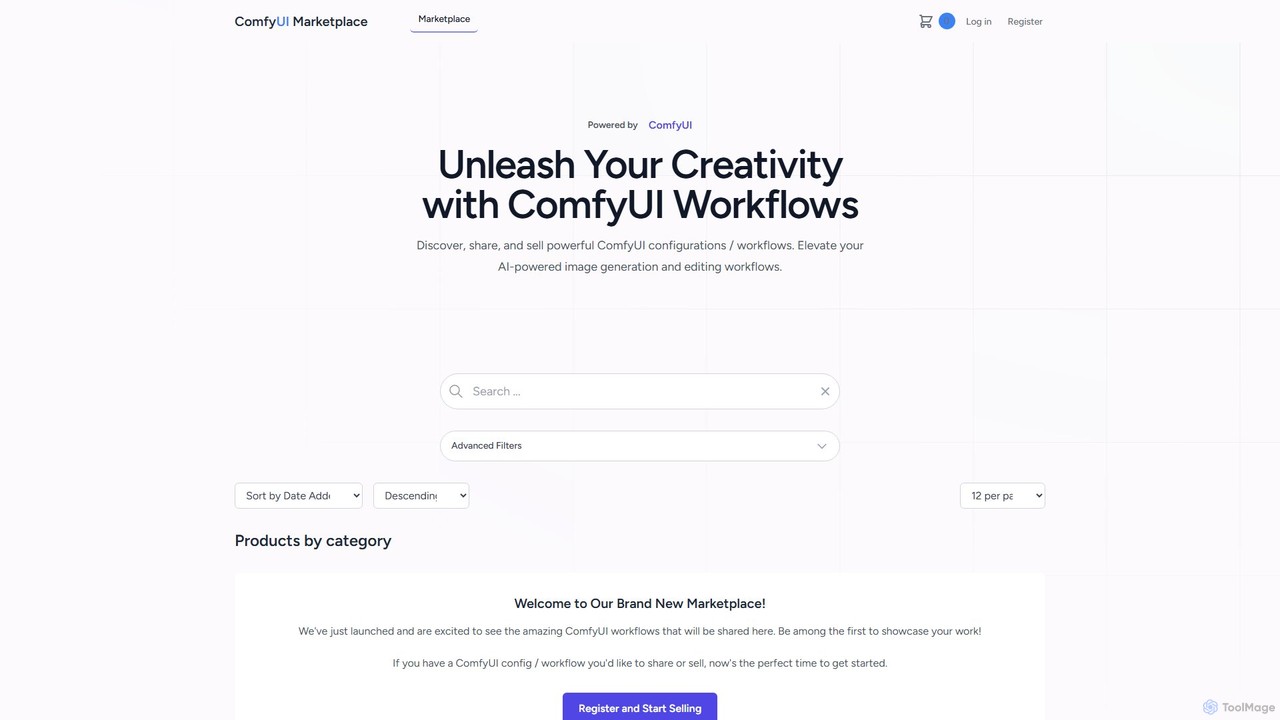
ComfyUI Market is a dedicated marketplace for discovering, buying, and selling ComfyUI workflows. It empowers AI artists and enthusiasts by providing a platform to share and access powerful, pre-built configurations for advanced image and video generation with Stable Diffusion. Elevate your creative projects by leveraging community-built node graphs, saving time and unlocking new artistic possibilities.

Workflow Templates
Visits 5.9KFavorites 142Likes 132

About Digital Assets

AI Digital Assets tools are applications that leverage artificial intelligence to assist in the creation, enhancement, organization, and monetization of various forms of digital content. These tools utilize advanced algorithms, including generative AI and machine learning, to produce high-quality assets or streamline their management. They empower creators, businesses, and developers to generate unique content at scale, improve asset quality, and efficiently prepare digital goods for distribution or sale on marketplaces.

Core Features

  • Generative Creation: Automatically produce images, audio, video, 3D models, or text from prompts or existing data.
  • Asset Enhancement: Upscale resolution, remove backgrounds, color correct, or apply stylistic transfers to existing assets.
  • Metadata & Tagging: Automatically generate descriptive metadata, keywords, and tags for easier organization and searchability.
  • Licensing & Rights Management: Assist in tracking usage rights, generating licenses, or embedding copyright information into assets.
  • Marketplace Preparation: Optimize assets for specific digital marketplaces, including format conversion and size adjustments.

Applicable Scenarios

Content creators use these tools to rapidly generate unique visuals or audio for their projects. Game developers leverage AI for quick prototyping of 3D models and textures. Marketing agencies utilize them to create diverse ad creatives and product variations. NFT artists employ AI to produce unique digital collectibles and their associated metadata. E-commerce businesses benefit from automated product image enhancement and catalog management.

How to Choose

When selecting AI Digital Assets tools, consider the specific asset types you need to create or manage (e.g., images, audio, 3D models). Evaluate the quality and originality of the AI-generated output, ensuring it meets your creative standards. Assess the tool's integration capabilities with your existing workflows and platforms. Finally, review the licensing terms for generated assets and the pricing model to ensure it aligns with your budget and usage requirements.

Digital Assets use cases

1

Generate Unique Marketing Visuals at Scale

Marketing teams and content creators can use AI Digital Assets tools to rapidly produce a wide array of unique images, illustrations, and video snippets for advertising campaigns, social media posts, and website content. By inputting text prompts or reference images, they can generate hundreds of variations, saving significant time and resources compared to traditional design processes, ensuring fresh and engaging content for diverse audiences.

2

Automate 3D Asset Creation for Game Development

Game developers and 3D artists can leverage AI tools to accelerate the creation of environmental assets, character models, textures, and props. Instead of manual modeling, AI can generate initial concepts or even complete assets from simple descriptions, drastically reducing development cycles. This allows artists to focus on refinement and creative direction, leading to faster prototyping and richer game worlds.

3

Create and Manage NFT Art with Automated Metadata

Digital artists and collectors can utilize AI Digital Assets tools to generate unique NFT artworks and automatically create their associated metadata. These tools can produce distinct visual traits, rarity attributes, and descriptions based on user inputs, streamlining the process of preparing NFTs for minting on blockchain platforms. This enables artists to scale their creative output and manage complex collections efficiently.

4

Personalize Audio Content for Podcasts and Videos

Podcasters, YouTubers, and video producers can employ AI Digital Assets tools to generate custom background music, sound effects, and voiceovers tailored to their content. By specifying mood, genre, or specific sound requirements, AI can produce royalty-free audio tracks, eliminating the need for extensive music libraries or expensive licensing. This ensures unique and perfectly matched audio experiences for their audience.

5

Efficiently Organize and Search Large Digital Asset Libraries

Businesses and large creative teams with vast collections of digital assets can use AI tools for automated tagging, categorization, and intelligent search. AI can analyze images, videos, and documents to extract key information, apply relevant keywords, and even transcribe audio, making it effortless to locate specific assets. This significantly reduces manual labor and improves asset discoverability across the organization.

6

Enhance E-commerce Product Images for Online Stores

E-commerce businesses can utilize AI Digital Assets tools to automatically enhance product photos, remove backgrounds, adjust lighting, and generate lifestyle mockups. These tools can process thousands of images, ensuring consistent quality and professional presentation across all product listings. This not only saves time for graphic designers but also helps improve conversion rates by presenting products in the best possible light.

Digital Assets FAQ

What are AI Digital Assets tools?

AI Digital Assets tools are software applications that use artificial intelligence, including machine learning and generative models, to create, modify, organize, and manage various forms of digital content. They are designed to automate and enhance tasks related to digital media, such as generating images, audio, video, 3D models, or text, and streamlining their preparation for use or sale. These tools aim to boost efficiency and creativity in digital asset workflows.

How do AI tools assist in creating digital assets?

AI tools assist in creating digital assets primarily through generative AI models. Users provide text prompts, reference images, or specific parameters, and the AI generates new, unique content (e.g., images, music, 3D models) that matches the input. Beyond generation, AI can also enhance existing assets by upscaling resolution, removing unwanted elements, or applying stylistic transformations, significantly accelerating the creative process and expanding possibilities.

What types of digital assets can AI tools help manage or create?

AI Digital Assets tools can help manage or create a wide range of digital assets. This includes visual assets like images, illustrations, concept art, 3D models, and textures; audio assets such as music, sound effects, and voiceovers; video content like short clips and animations; and textual assets including marketing copy, scripts, and descriptions. They are also increasingly used for specialized assets like Non-Fungible Tokens (NFTs) and game assets.

How to choose an AI Digital Asset tool for my specific needs?

To choose the right AI Digital Asset tool, first identify the specific types of assets you need to work with and your primary goals (e.g., generation, enhancement, management). Evaluate the quality and originality of the tool's output, checking if it aligns with your aesthetic and technical standards. Consider its ease of use, integration capabilities with your existing software, and the flexibility of its licensing terms for generated content. Finally, compare pricing models and community support.

What are the main benefits of using AI for digital asset creation and management?

The main benefits of using AI for digital asset creation and management include significantly increased efficiency and speed, allowing users to generate content much faster than manual methods. AI also fosters greater creativity by enabling rapid iteration and exploration of diverse styles and concepts. It ensures consistency in asset quality and branding, and offers scalability for producing large volumes of unique content. Furthermore, AI can automate tedious tasks like tagging and metadata generation, freeing up human resources for more strategic work.