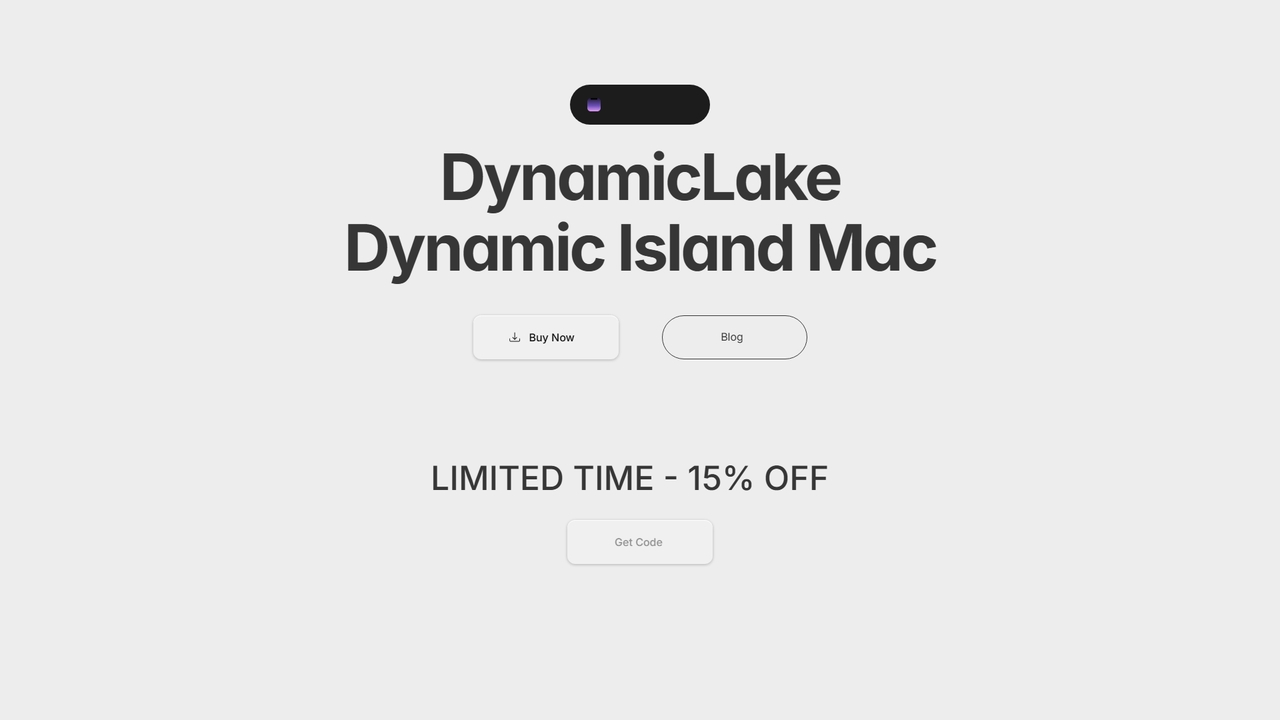
DynamicLake
DynamicLake is a powerful Mac application that brings the iPhone's iconic Dynamic Island experience to macOS, complete with …
DynamicLake is a powerful Mac application that brings the iPhone's iconic Dynamic Island experience to macOS, complete with Liquid Glass aesthetics. It transforms the menu bar into an interactive hub for notifications, media control, file management, system utilities, and live activities, enhancing productivity and workflow with a visually stunning and intuitive interface.
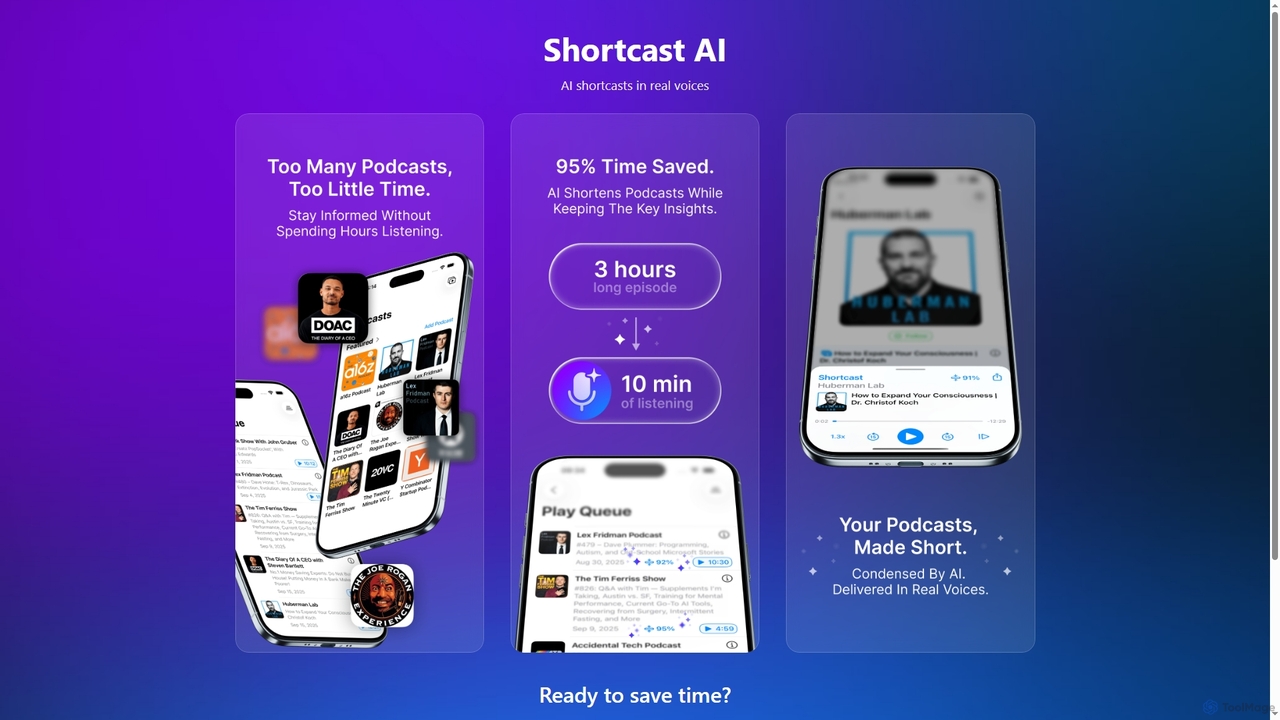
Shortcast AI
Shortcast AI is an innovative mobile application that leverages artificial intelligence to generate concise summaries of your favorite …
Shortcast AI is an innovative mobile application that leverages artificial intelligence to generate concise summaries of your favorite podcasts. It transforms full-length episodes into short, digestible audio clips, typically 10 minutes or less, delivered in real voices. This allows users to quickly grasp key insights and stay informed across various topics like business, tech, health, and entertainment, saving valuable time.
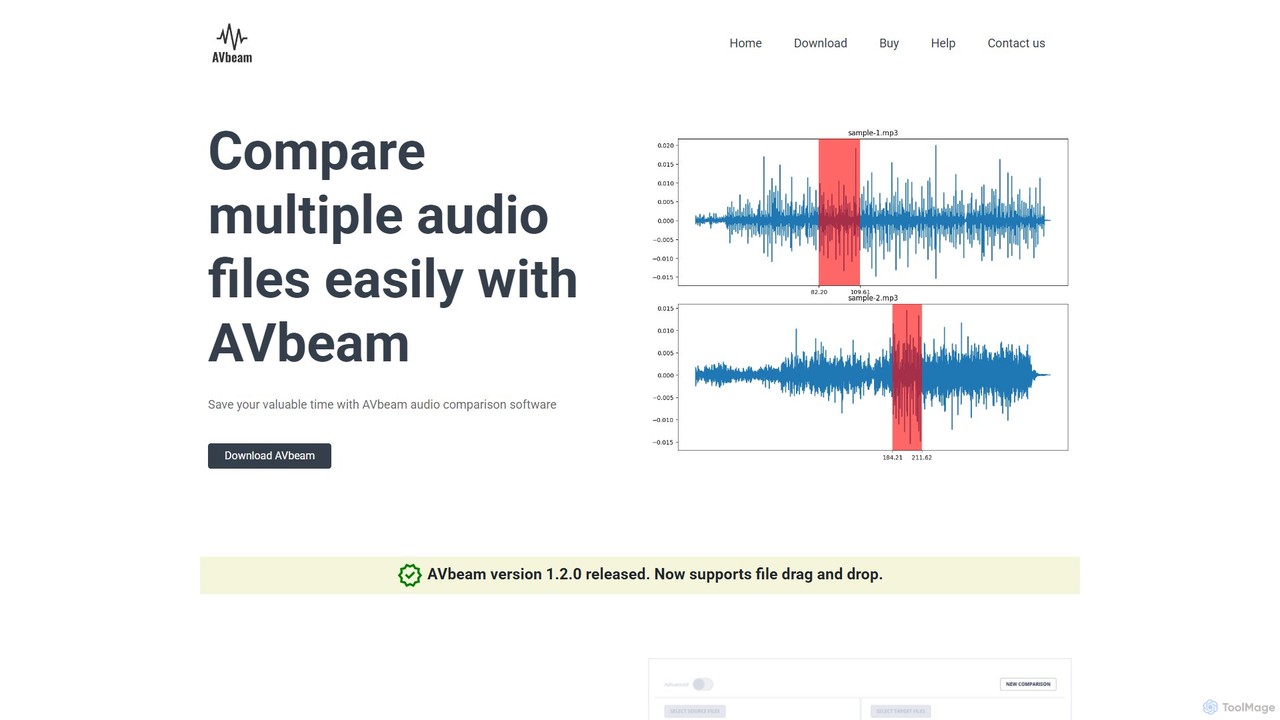
AVbeam
AVbeam is a professional desktop software designed for fast and accurate audio comparison. It uses robust audio fingerprinting …
AVbeam is a professional desktop software designed for fast and accurate audio comparison. It uses robust audio fingerprinting technology to identify matching or similar audio segments across multiple files, even with noise and distortions. It supports various formats and provides detailed reports with time offsets and similarity percentages, saving valuable time for media professionals.
About Media
AI Media tools are a diverse category of applications that leverage artificial intelligence to create, edit, analyze, and manage digital content. These tools utilize advanced models, including generative AI and computer vision, to automate complex tasks like image generation, video editing, and audio synthesis. They empower users to produce high-quality media at scale, enhance existing assets with intelligent features, and unlock new creative possibilities. From generating unique visuals to transcribing video content, AI Media tools are streamlining workflows for creators and businesses alike.
Core Features
- Generative Content Creation: Produce original images, video clips, music, and voiceovers from simple text descriptions or other inputs.
- Intelligent Editing & Enhancement: Automatically upscale resolution, remove unwanted objects, correct colors, and clean up audio noise with high precision.
- Media Analysis & Tagging: Transcribe speech to text from audio/video files, recognize objects and faces, and automatically generate metadata.
- Content Synthesis & Personalization: Create realistic digital avatars, clone voices for narration, and generate dynamic, personalized media for marketing or communication.
Use Cases
AI Media tools are widely adopted across various industries. Marketing teams use them to generate ad creatives and social media content. Film and video producers leverage them for special effects and automated editing. Podcasters and musicians apply them for audio cleanup and music composition, while e-commerce businesses use them to enhance product photography efficiently.
How to Choose
When selecting an AI Media tool, first identify your primary media type (image, video, or audio). Determine if your main need is content generation or editing and enhancement. Evaluate the tool's integration capabilities with your existing software stack. Finally, assess the output quality, level of creative control, and the platform's pricing model to ensure it aligns with your project requirements and budget.
MediaUse Cases
Generate Marketing Campaign Visuals
A marketing manager for a startup needs fresh visuals for a new product launch on social media. Using an AI image generation tool, they input brand guidelines and campaign themes as prompts. The tool produces dozens of unique, high-resolution images in various styles within minutes. This process avoids costly stock photo subscriptions and lengthy design cycles, allowing the team to test different visual concepts quickly and affordably, ensuring a dynamic and engaging online presence.
Automate Podcast Editing and Transcription
A podcaster records a one-hour interview but lacks the time for manual editing. They upload the raw audio file to an AI media platform. The tool automatically identifies and removes filler words like 'um' and 'ah', trims long pauses, and balances audio levels. It also generates a time-stamped transcript, which can be repurposed for show notes, blog posts, and social media captions, significantly reducing post-production time from hours to minutes.
Create Personalized Sales Video Outreach
A sales team wants to increase engagement with potential clients. Using an AI video platform, they create a template video with a realistic AI avatar. By connecting their CRM, the platform automatically generates hundreds of personalized videos where the avatar addresses each prospect by name and mentions their company. This hyper-personalized approach stands out in a crowded inbox, leading to higher open rates and more booked meetings compared to standard email campaigns.
Localize Video Content for Global Audiences
A global corporation needs to distribute training videos to its international offices. Instead of hiring voice actors and studios for each language, they use an AI media tool. The tool automatically transcribes the original English audio, translates the script into ten languages, and generates realistic, localized voiceovers using voice cloning technology. This ensures consistent messaging and quality across all regions while reducing localization costs and turnaround time by over 80%.
Enhance E-commerce Product Photography
An online store owner has hundreds of product photos taken with inconsistent lighting and backgrounds. Using an AI image editing tool, they can batch-process the entire catalog. The tool automatically removes the background from each photo, standardizes the color balance, and upscales the images to a higher resolution for zoom capabilities. This creates a professional and uniform look across the store, improving customer trust and potentially increasing conversion rates without the need for an expensive reshoot.
Create Game Assets and Concept Art
An indie game developer needs to create a wide variety of assets, from character concepts to environmental textures. They use an AI media tool to rapidly generate ideas. By providing textual descriptions like 'cyberpunk city street at night, raining, neon signs,' the tool produces multiple visual interpretations. This allows the developer to quickly iterate on the game's art style and generate unique textures and icons, accelerating the pre-production phase and saving significant design resources.