ToolMage
Sign in

Best 4 Mental Wellness AI tools

Popular Mental Wellness AI tools include Friday, Worthfit, AeonChat, and MyRise Coach, helping you work more efficiently.

Friday

Friday

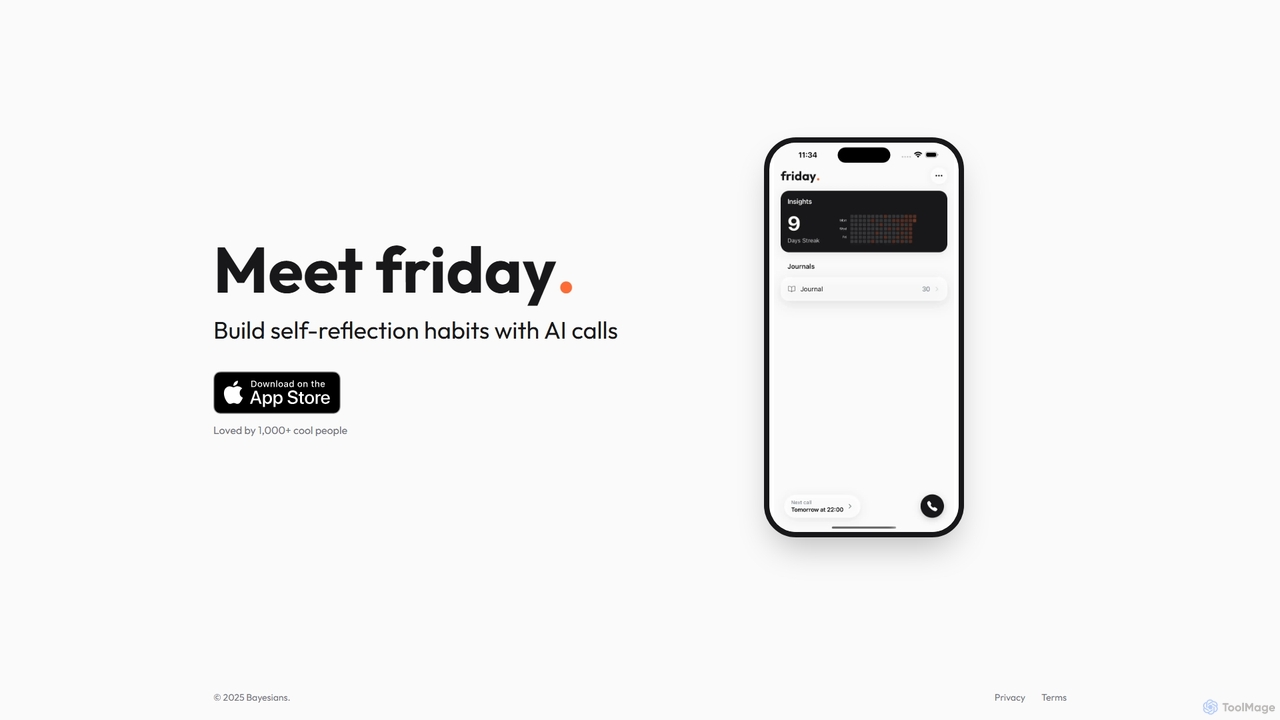
Friday is an innovative AI tool designed to help users cultivate consistent self-reflection habits through engaging AI-powered calls. It provides a unique, interactive way to process thoughts and foster personal growth daily, trusted by over 1,000 individuals.

Reflection
Visits 7KFavorites 125Likes 126
MyRise Coach
Freemium

MyRise Coach

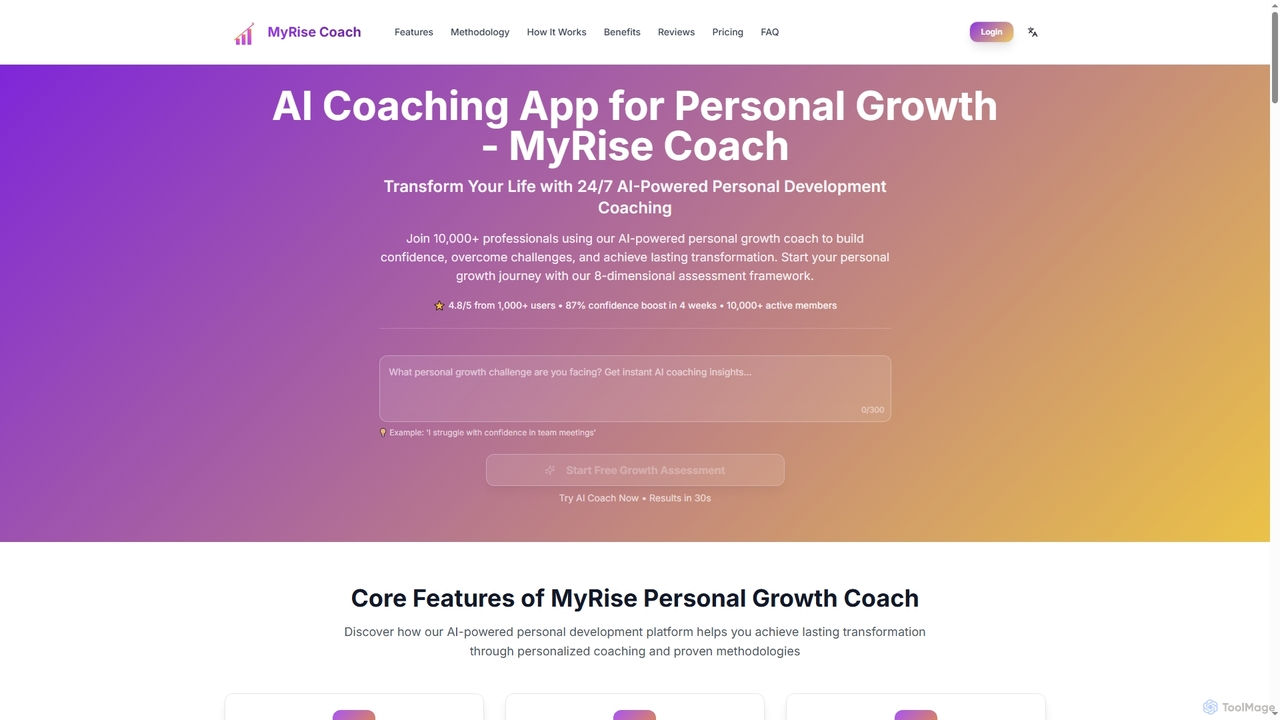
MyRise Coach is an AI-powered personal growth and development coaching app designed to help individuals build confidence, overcome challenges, and achieve lasting transformation. It offers 24/7 personalized guidance, advanced AI analysis, and structured growth plans based on proven methodologies.

Self Improvement
Visits 4.4KFavorites 115Likes 124
Worthfit
Freemium

Worthfit

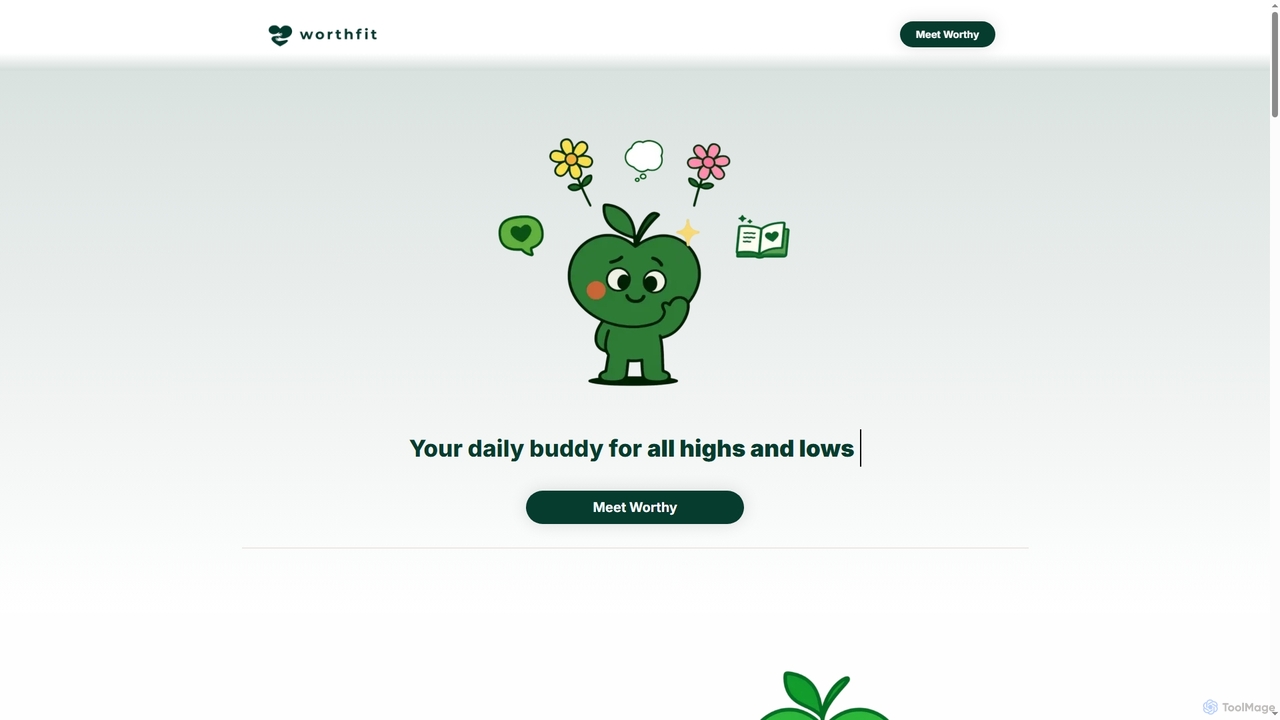
Worthfit is a personalized mental health app featuring an empathetic AI companion, Worthy, designed to support your emotional well-being. It offers mood tracking, tailored self-care content, and daily reflections to help you navigate stress, improve balance, and foster personal growth in a private, judgment-free space.

Wellbeing
Visits 6.4KFavorites 97Likes 101
AeonChat

AeonChat

AeonChat is a 3D AI companion app designed for lifelike interactions, emotional support, and building personalized relationships. Chat, flirt, and role-play with your AI girlfriend or boyfriend, enjoy exclusive photos, and experience a companion that remembers your unique details and evolves with you.

Virtual Reality
Visits 5.6KFavorites 139Likes 142

About Mental Wellness

AI Mental Wellness tools are applications that leverage artificial intelligence to provide accessible and personalized mental health support. These tools utilize technologies like Natural Language Processing (NLP) and machine learning to offer services such as conversational therapy, mood tracking, and guided mindfulness exercises. They aim to help users manage stress, anxiety, and daily emotional challenges by providing immediate, data-driven insights and coping strategies. Many platforms also offer skill-building modules based on established therapeutic techniques like Cognitive Behavioral Therapy (CBT).

Core Features

  • Conversational Support: AI-powered chatbots that provide empathetic listening and guided therapeutic exercises.
  • Mood & Pattern Analysis: Automatically tracks and analyzes journal entries or user inputs to identify emotional trends.
  • Personalized Content: Delivers tailored meditations, breathing exercises, and educational resources based on the user's state.
  • Skill-Building Programs: Offers structured courses on topics like mindfulness, resilience, and stress management.

Applicable Scenarios

These tools are widely used by individuals seeking confidential and on-demand mental health resources. They are also integrated into corporate wellness programs to support employee well-being. Additionally, therapists may use them as a supplementary tool to monitor patient progress and provide support between sessions.

Selection Criteria

When selecting a tool, consider its foundation in evidence-based practices like CBT. Prioritize applications with transparent data privacy policies to protect sensitive information. Evaluate the level of personalization and whether the tool adapts to your specific needs. Finally, assess the user interface for ease of use and long-term engagement.

Featured tool rankings

Mental Wellness use cases

1

Daily Mood Journaling and Analysis

A user wanting to understand their emotional patterns uses an AI wellness app for daily journaling. Each evening, they write about their day's events and feelings. The AI's NLP capabilities analyze the text to identify recurring emotions, such as anxiety linked to work deadlines or happiness associated with social activities. The app then generates weekly visual reports that highlight these trends and potential triggers, providing the user with objective self-awareness to make positive lifestyle adjustments.

2

Guided CBT Sessions for Anxiety

A student feeling overwhelmed by exam stress interacts with an AI chatbot based on Cognitive Behavioral Therapy (CBT). When they express anxious thoughts, the chatbot guides them through a structured exercise to identify, challenge, and reframe negative thought patterns. For example, it helps them break down the thought 'I will fail my exam' into a more balanced perspective. This on-demand, private support helps the student manage acute anxiety and learn practical coping skills they can apply in the future.

3

Personalized Meditation for Sleep

An individual struggling with insomnia uses an AI wellness tool to improve their sleep. Based on their logged mood and stress levels from the day, the AI recommends a specific guided meditation from its library, such as a 'body scan' for physical tension or a 'visualization' for a racing mind. The tool tracks which meditations lead to better sleep outcomes over time, further refining its recommendations. This personalized approach is more effective than a generic library, as it directly addresses the user's specific state of mind each night.

4

Corporate Wellness Program Engagement

An HR manager implements an AI mental wellness platform for their company. Employees can confidentially access resources like stress-management modules, AI coaching, and mood tracking. The AI provides anonymized, aggregated data to the HR manager, showing overall workforce stress levels and engagement with wellness topics without revealing individual identities. This allows the company to identify systemic issues, such as high stress in a particular department, and proactively introduce targeted support initiatives, improving overall employee well-being and productivity.

5

Therapist-Assisted AI Monitoring

A therapist recommends an AI mental wellness app to their patient to use between sessions. The patient logs their moods, completes CBT exercises, and journals their thoughts in the app. With the patient's consent, the therapist can view a dashboard summarizing this data. This allows the therapist to gain deeper insights into the patient's daily struggles and progress, identify patterns that might not surface during a weekly session, and tailor their therapeutic approach more effectively. The AI acts as a bridge, enhancing the connection and data flow between therapist and patient.

6

Developing Mindfulness Habits

A user new to mindfulness wants to build a consistent practice. They use an AI coach that provides daily, bite-sized mindfulness exercises, such as a three-minute breathing exercise in the morning or a mindful listening task during a lunch break. The AI sends reminders, tracks completion streaks to build motivation, and gradually introduces more advanced techniques as the user progresses. This structured, gamified approach helps the user overcome the initial hurdle of starting a new habit and integrates mindfulness into their daily routine in a manageable way.

Mental Wellness FAQ

What are AI Mental Wellness tools?

AI Mental Wellness tools are software applications that use artificial intelligence to offer mental health support and resources. They serve as accessible aids for managing daily emotional well-being, not as a replacement for professional therapy. Key features often include:

  • AI Chatbots: For guided conversations and CBT exercises.
  • Mood Tracking: To analyze emotional patterns over time.
  • Personalized Content: Tailored meditations and exercises based on user data.
These tools make mental health support more immediate, private, and data-informed.

How to choose a reliable AI Mental Wellness app?

Choosing a reliable app involves several key considerations. First, check if the tool is based on evidence-based therapeutic methods like Cognitive Behavioral Therapy (CBT). Second, thoroughly review its data privacy policy to understand how your sensitive information is stored and used. Third, look for a high degree of personalization; the app should adapt to your needs rather than providing generic advice. Finally, consider the user experience—an intuitive and engaging interface is crucial for long-term use.

Are AI Mental Wellness tools a replacement for human therapists?

No, AI Mental Wellness tools are not a replacement for human therapists. They are best viewed as supplementary tools that can provide immediate, accessible support for managing daily stress and building coping skills. While they can be very effective for sub-clinical issues, they cannot replicate the nuanced understanding, empathy, and comprehensive diagnostic capabilities of a licensed mental health professional. For serious mental health conditions, professional human-led therapy remains the standard of care.

What kind of techniques do AI Mental Wellness tools use?

Most reputable AI Mental Wellness tools are built upon established psychological principles. The most common is Cognitive Behavioral Therapy (CBT), where AI guides users to identify and reframe negative thought patterns. Other techniques include:

  • Mindfulness-Based Stress Reduction (MBSR): Guiding users through meditation and breathing exercises.
  • Dialectical Behavior Therapy (DBT): Offering modules on emotional regulation and distress tolerance.
  • Positive Psychology: Encouraging practices like gratitude journaling to foster well-being.
The AI's role is to deliver these techniques in a structured, interactive, and personalized manner.

Who can benefit from using AI Mental Wellness tools?

A wide range of individuals can benefit. This includes people experiencing mild to moderate stress, anxiety, or low mood who are looking for accessible self-help resources. They are also valuable for those who want to proactively build mental resilience and emotional awareness. Additionally, individuals in therapy can use these tools as a supplement between sessions. Finally, they offer a private and non-stigmatizing first step for those who are hesitant to seek traditional therapy.