Personal Best in category 1 results Data Management AI Tool

Popular AI tools in the Data Management field of Personal include autofillr, etc., helping you quickly improve efficiency.

Free
autofillr

autofillr

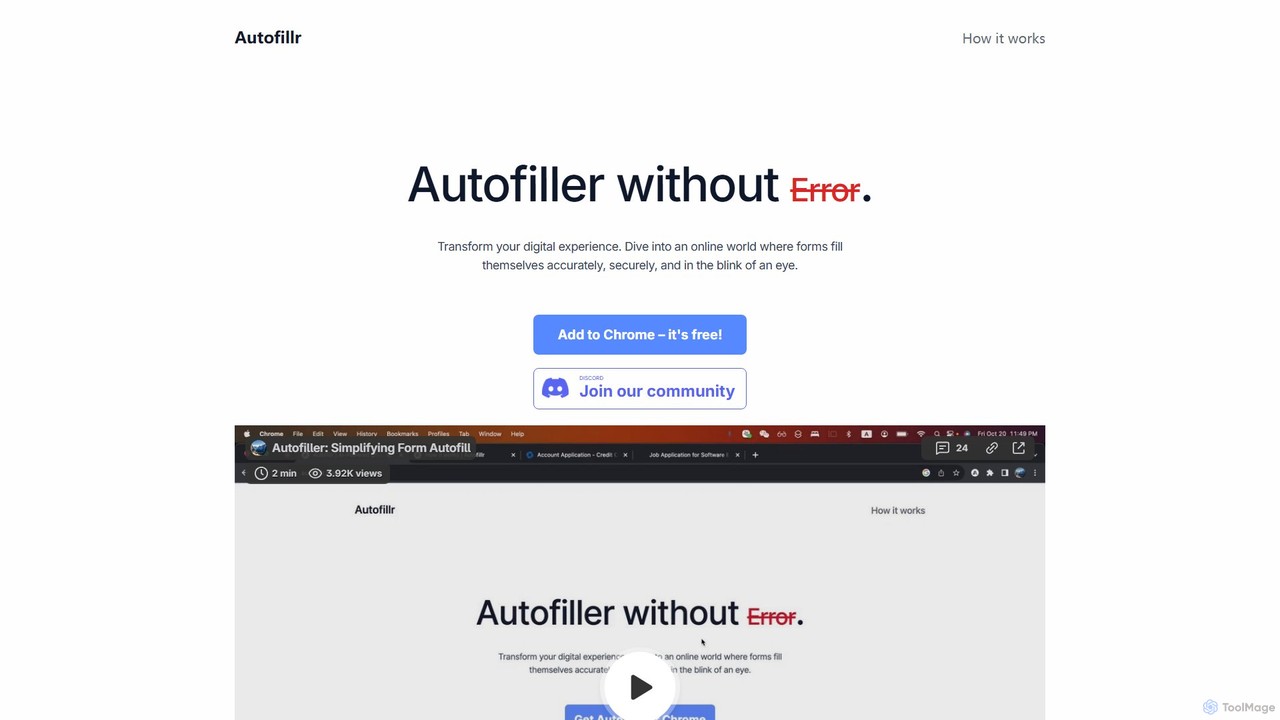
autofillr is a free, AI-powered Chrome extension that revolutionizes form filling. It intelligently analyzes any web form to …

3.4K

About Data Management

Data Management tools, specifically tailored for personal use, are AI-powered solutions designed to help individuals efficiently organize, process, and secure their digital information. Leveraging advanced artificial intelligence algorithms, these tools automate tedious tasks like categorization, tagging, and deduplication, transforming scattered personal data into structured, accessible knowledge. They empower users to gain valuable insights from their personal finances, digital assets, health records, and communications, significantly enhancing productivity, decision-making, and overall data control within their personal digital ecosystem.

Core Features

  • Automated Categorization & Tagging: AI intelligently sorts and tags files, emails, and expenses into predefined or custom categories, simplifying organization.
  • Intelligent Search & Retrieval: Enables natural language queries across diverse personal data sources, allowing users to quickly find specific information without manual browsing.
  • Data Cleaning & Deduplication: Automatically identifies and removes redundant, outdated, or incorrect personal data entries, ensuring data integrity and saving storage space.
  • Privacy & Security Monitoring: Provides robust tools for monitoring data access, encrypting sensitive personal information, and managing permissions to protect digital privacy.
  • Personalized Insights & Analytics: Analyzes personal data patterns, such as spending habits, digital usage, or health trends, to offer actionable recommendations and foster better personal management.

Applicable Scenarios

These AI-driven tools are invaluable for individuals navigating complex personal digital lives. They assist content creators in organizing vast media libraries, help professionals streamline personal research and project notes, and enable students to curate learning materials efficiently. Furthermore, they empower families to manage shared documents and photos, and allow anyone to maintain a well-organized, secure, and insightful personal digital footprint, reducing stress and saving time.

How to Choose

When selecting a personal AI Data Management tool, prioritize its ability to seamlessly handle the specific types of data you manage, whether it's documents, photos, financial records, or health information. Critically evaluate its privacy and security features, including robust encryption, secure cloud storage options, and clear data residency policies. Consider its integration capabilities with your existing personal cloud storage, email clients, or productivity applications. Assess its user-friendliness and intuitive interface, especially if you are not technically inclined. Finally, examine the depth and accuracy of its AI automation for tasks like categorization, insight generation, and proactive data alerts to ensure it meets your specific needs for efficiency and control.

Data ManagementUse Cases

1

Personal Finance Tracking & Budgeting

Individuals can leverage AI data management tools to automatically categorize bank transactions, credit card statements, and receipts. The AI identifies spending patterns, flags unusual activity, and provides personalized budget recommendations, helping users gain a clear overview of their financial health and make informed decisions without manual data entry.

2

Digital Photo & Document Organization

For users with extensive digital photo and document collections, AI tools can automatically tag images based on content (e.g., faces, objects, locations) and categorize documents by type (e.g., invoices, contracts, personal letters). This eliminates manual sorting, makes files easily searchable, and helps identify and remove duplicate or low-quality media, freeing up storage space.

3

Email & Communication Streamlining

AI data management can transform overwhelming inboxes by automatically sorting emails into priority folders, archiving newsletters, and flagging important messages from key contacts. It learns user preferences to filter spam more effectively and can even summarize long email threads, ensuring users focus on critical communications and maintain a clutter-free digital workspace.

4

Health & Wellness Data Consolidation

Individuals can use these tools to centralize health data from various sources like wearables, fitness apps, and medical records. The AI can identify trends in activity, sleep, and vital signs, providing a holistic view of personal well-being. This helps users monitor progress, share relevant information with healthcare providers, and make data-driven lifestyle choices.

5

Research & Learning Material Curation

Students and lifelong learners can utilize AI to organize articles, web clippings, PDFs, and personal notes. The tools automatically extract key information, tag content by topic, and suggest connections between different pieces of research. This creates a highly searchable and interconnected personal knowledge base, significantly enhancing study efficiency and information retention.

6

Personal Knowledge Base Creation

For anyone looking to build a comprehensive personal knowledge base, AI data management tools can ingest notes, ideas, meeting minutes, and collected information from various apps. The AI intelligently links related concepts, identifies recurring themes, and makes the entire repository searchable via natural language, turning disparate pieces of information into a cohesive and actionable resource.

Data ManagementFrequently Asked Questions