ToolMage
Sign in

Best 3 Avatars AI tools for Personalization

Popular Avatars AI tools in Personalization include Wallpapers.ai, WigglePet, and Wallpaper.ee, helping you work more efficiently.

WigglePet
Freemium

WigglePet

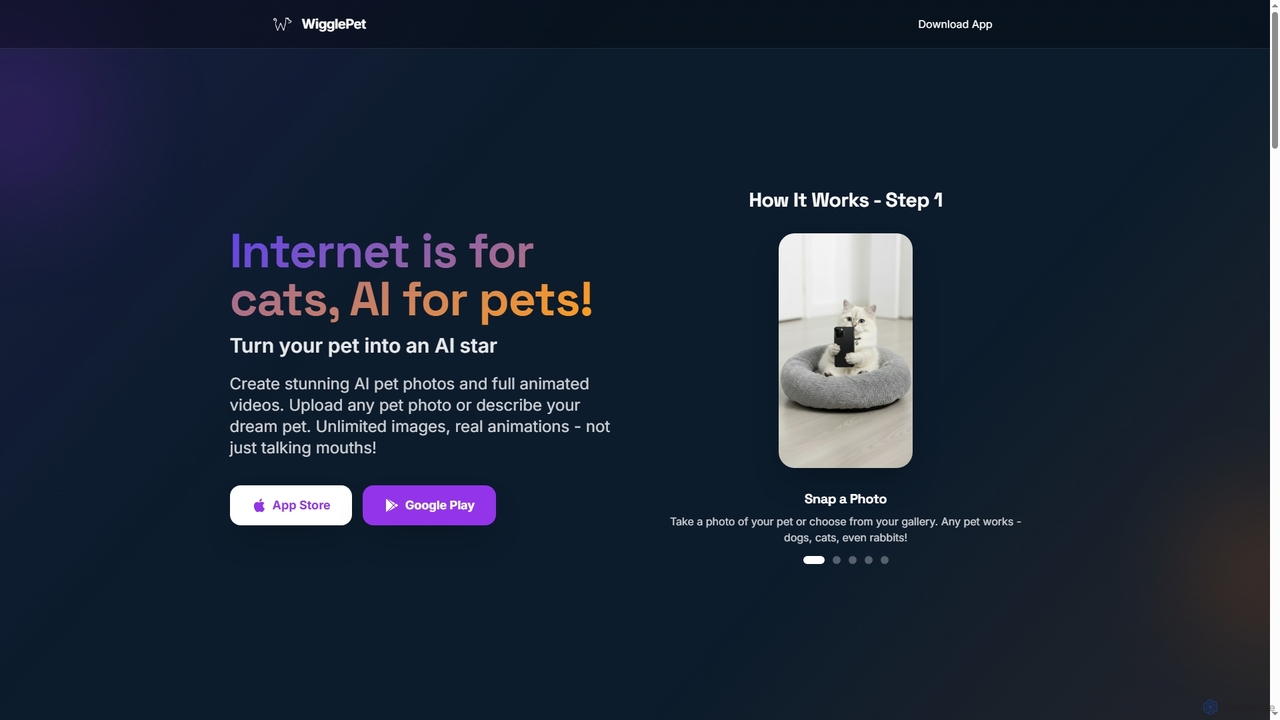
WigglePet is an innovative AI tool that transforms your pet's photos into engaging animated videos, lifelike talking and singing performances, and artistic portraits or avatars. Easily create viral-ready content for social media, personalized digital art, and unique pet memorials with full-body animations.

Pets
Visits 11.2KFavorites 19Likes 16
Wallpapers.ai
Freemium

Wallpapers.ai

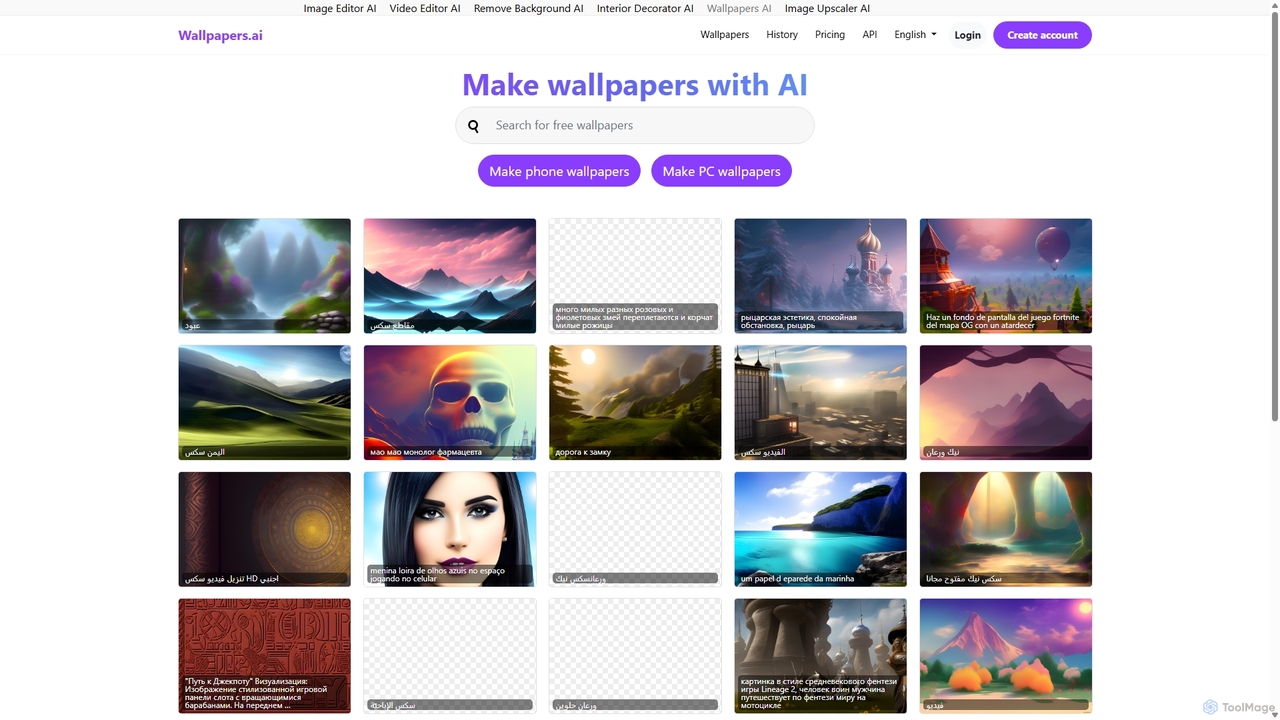
Wallpapers.ai is an AI-powered tool designed to create unique, high-quality wallpapers for PCs and mobile phones from simple text descriptions. It allows users to generate custom backgrounds in various styles, from fantasy landscapes to abstract art, personalizing their digital devices effortlessly.

Graphics
Visits 42.4KFavorites 122Likes 118
Wallpaper.ee
Paid

Wallpaper.ee

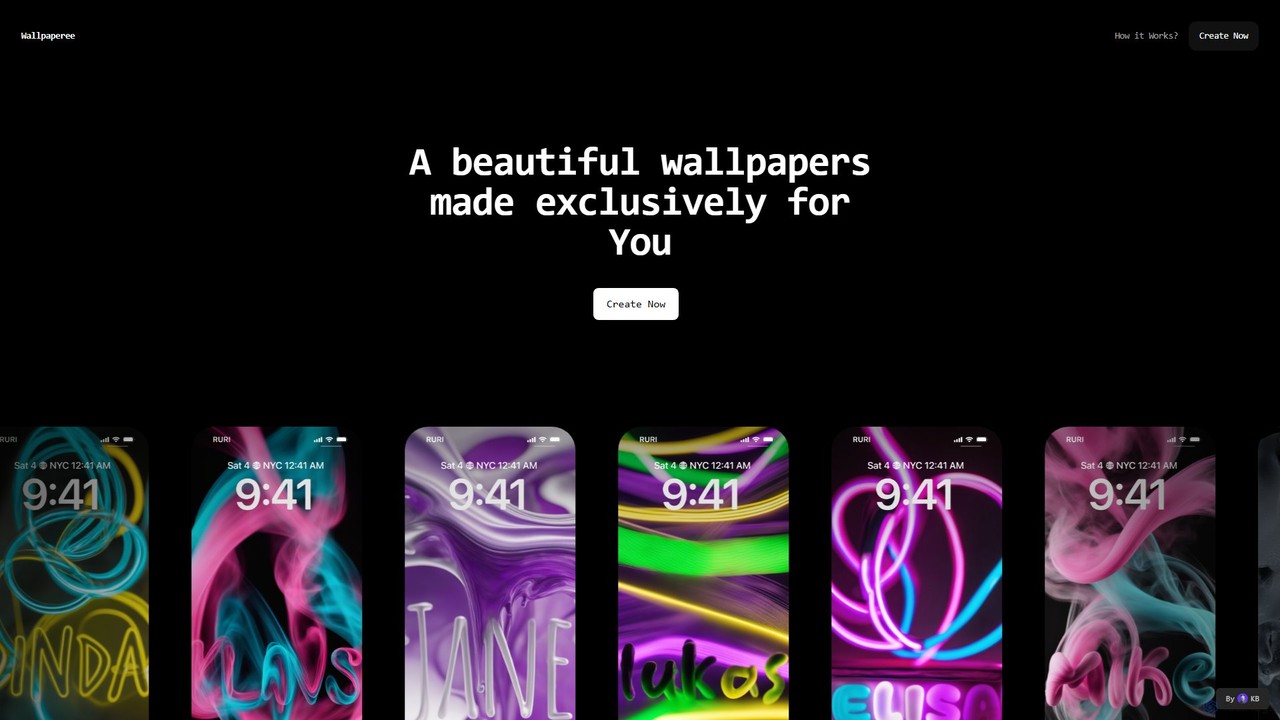
Wallpaper.ee is an AI-powered tool for creating unique, personalized mobile wallpapers. Users can choose from a variety of photorealistic and abstract styles, add custom text (like a name, initials, or number), and the AI generates a set of high-quality, one-of-a-kind wallpapers where the text is seamlessly integrated into the chosen theme, such as smoke, fire, or ice cream.

Graphics
Visits 4KFavorites 144Likes 147

About Avatars

AI Avatars are AI-powered tools designed to generate, customize, and animate digital representations of individuals or characters. These tools leverage advanced artificial intelligence, including generative adversarial networks (GANs) and neural rendering, to create realistic or stylized digital personas. They are widely used for enhancing online presence, virtual communication, gaming, and diverse content creation. As a key component of personalization, avatar tools allow users to express their unique identity and engage more dynamically in digital spaces.

Core Features

  • Realistic Avatar Generation: Creates lifelike digital doubles from photos or detailed descriptions.
  • Stylized Avatar Creation: Generates avatars in various artistic styles, such as cartoon, anime, or abstract.
  • Expression & Pose Control: Allows users to animate avatars with a range of emotions, gestures, and body poses.
  • Extensive Customization Options: Provides detailed controls for facial features, hair, clothing, accessories, and backgrounds.
  • 3D Model Export & Integration: Generates avatars compatible with virtual environments, game engines, and metaverse platforms.

Use Cases

AI Avatars are utilized across various sectors, from individuals seeking to personalize their digital identity to businesses aiming for innovative marketing. They are essential for content creators needing unique characters, remote professionals enhancing virtual meeting engagement, and game developers rapidly prototyping diverse character designs. These tools streamline the creation of digital personas for branding, entertainment, and interactive experiences.

How to Choose

When selecting an AI Avatar tool, consider the desired level of realism versus stylization, the depth of customization options available, and its compatibility with your target platforms (e.g., social media, game engines, virtual meeting software). Evaluate the ease of use, the quality of generated output, and the pricing model, including any costs for advanced features or commercial use licenses. Also, assess the tool's ability to handle animation and export formats relevant to your projects.

Featured tool rankings

Avatars use cases

1

Enhancing Virtual Meeting Presence

Remote professionals and educators can use AI Avatars to create engaging, expressive digital representations of themselves for virtual meetings and online classes. Instead of relying solely on webcams, an avatar can convey emotions and reactions, reducing 'Zoom fatigue' and adding a layer of personality. This allows for more dynamic interactions, especially when bandwidth is limited or users prefer not to show their real faces, fostering a more comfortable and interactive virtual environment.

2

Personalizing Social Media Profiles and Content

Social media users and influencers can leverage AI Avatar tools to generate unique, branded profile pictures, stickers, and short animated clips. By creating a consistent and distinctive digital persona, they can stand out from generic photos and enhance their personal brand. This allows for creative expression and a more engaging online presence, attracting followers and making content more memorable across various platforms like Instagram, TikTok, and X (formerly Twitter).

3

Designing Game Characters and NPCs

Game developers and designers can use AI Avatar generators to rapidly prototype diverse character avatars, including player characters and non-player characters (NPCs). By inputting descriptions or reference images, they can generate multiple style variations, facial features, and clothing options, significantly accelerating the character design iteration process. This saves considerable time and resources compared to traditional 3D modeling, allowing for more creative exploration and a richer cast of characters in games.

4

Creating Engaging Educational Content

Educators and e-learning content creators can develop animated AI Avatars to serve as virtual instructors, storytellers, or interactive guides. These avatars can deliver lessons, explain complex concepts, and engage students in a more dynamic way than static text or images. By customizing the avatar's appearance and voice, creators can tailor the learning experience to different age groups or subjects, making educational content more accessible, memorable, and interactive for learners.

5

Developing Virtual Brand Ambassadors

Marketing teams and businesses can utilize AI Avatars to create consistent, recognizable virtual brand ambassadors or spokespersons. These avatars can be deployed across various digital channels, including websites, social media, and virtual events, to represent the brand's identity and values. They offer a scalable solution for customer service, product demonstrations, and marketing campaigns, ensuring a unified brand voice and visual presence without the logistical challenges of human talent, thereby enhancing brand engagement and recall.

6

Crafting Unique Digital Art and NFTs

Digital artists and NFT creators can utilize AI Avatar tools to generate one-of-a-kind avatar artworks or entire NFT collections. By inputting specific stylistic prompts, themes, or base images, the AI can produce countless variations with unique attributes, expressions, and accessories. This enables artists to explore new creative avenues, rapidly scale their output, and create distinctive digital assets for sale or exhibition, leveraging the power of AI for generative art and collectible digital identities.

Avatars FAQ

What are AI Avatars?

AI Avatars are digital representations of individuals or characters created and customized using artificial intelligence. They can range from highly realistic human likenesses to stylized cartoon figures, generated from various inputs like text descriptions, photos, or 3D models. These tools leverage advanced AI algorithms to synthesize unique visual identities, often with capabilities for animation and expression, serving as a versatile digital persona for diverse applications.

How do AI Avatar generators work?

AI Avatar generators typically employ deep learning models, such as Generative Adversarial Networks (GANs) or diffusion models, trained on vast datasets of images and 3D models. Users provide inputs like text prompts describing desired features, upload reference photos, or select from predefined parameters. The AI then processes this information, learning patterns and styles to synthesize a unique avatar, often allowing for real-time adjustments to facial features, expressions, clothing, and even animation, based on the user's specifications.

What are the main benefits of using AI Avatars?

Using AI Avatars offers several key benefits. Firstly, they enable enhanced personalization and self-expression in digital spaces, allowing users to create unique identities. Secondly, they significantly save time and resources in content creation and character design, automating processes that would otherwise require extensive manual effort. Thirdly, AI Avatars can boost engagement in virtual interactions, marketing, and education by providing dynamic, consistent, and customizable digital personas. They also offer privacy benefits, as users can interact without revealing their real appearance.

Can AI Avatars be animated and used in 3D environments?

Yes, many advanced AI Avatar tools are designed with animation capabilities and 3D environment compatibility. They can generate avatars with skeletal rigging, allowing for a wide range of movements, gestures, and facial expressions. These avatars can often be exported in standard 3D formats (e.g., FBX, GLB) that are compatible with popular game engines like Unity and Unreal Engine, as well as virtual reality (VR) and augmented reality (AR) platforms, enabling their use in interactive simulations, games, and metaverse applications.

What's the difference between AI Avatars and general AI Personalization tools?

AI Avatars are a specific subset of AI Personalization tools. While general AI Personalization encompasses a broad range of AI applications designed to tailor experiences to individual users (e.g., personalized recommendations, dynamic content delivery, customized interfaces), AI Avatars specifically focus on creating and customizing digital representations of individuals or characters. Avatars serve as a visual identity or persona, whereas broader personalization tools aim to adapt the entire user experience based on individual preferences and behaviors, making avatars a visual component within a larger personalization strategy.