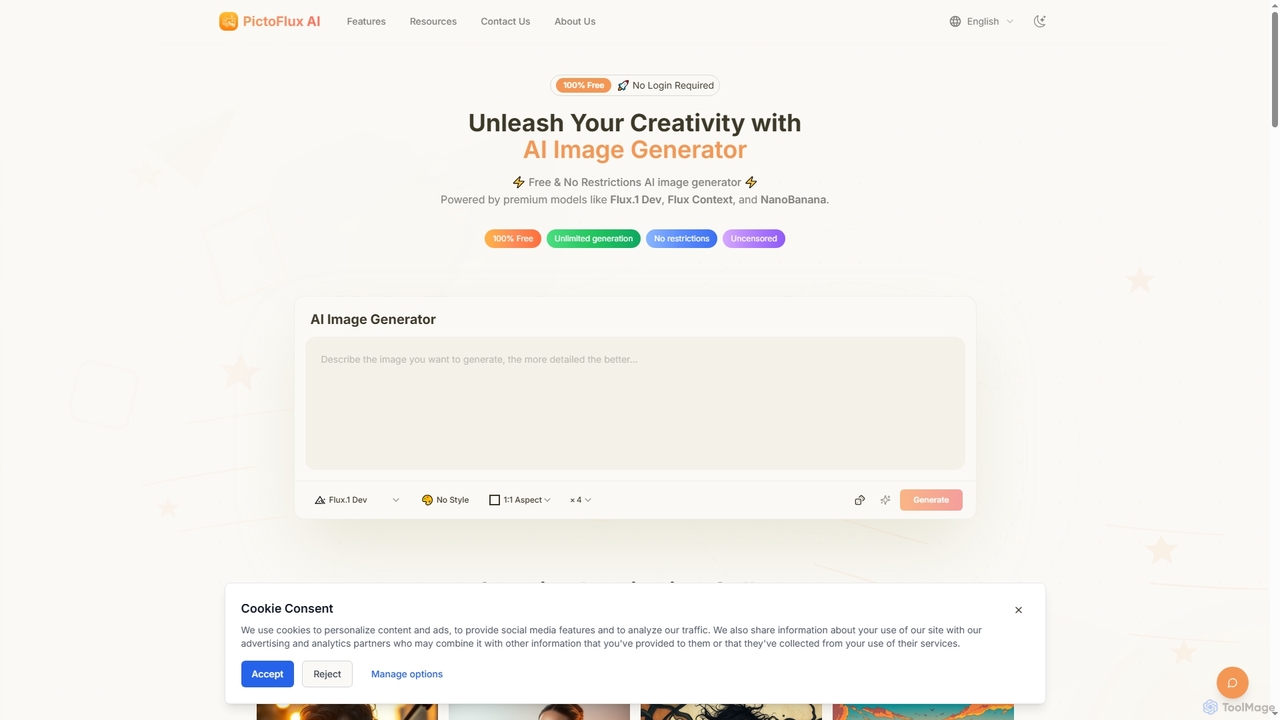
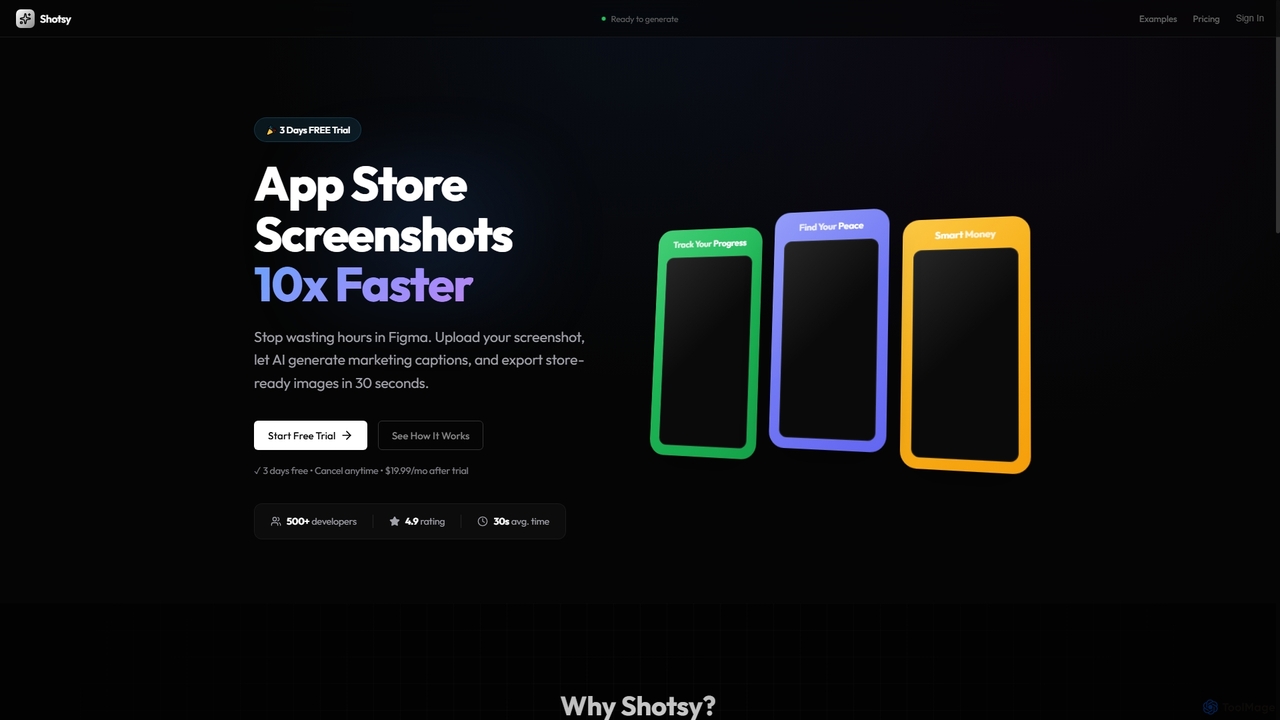
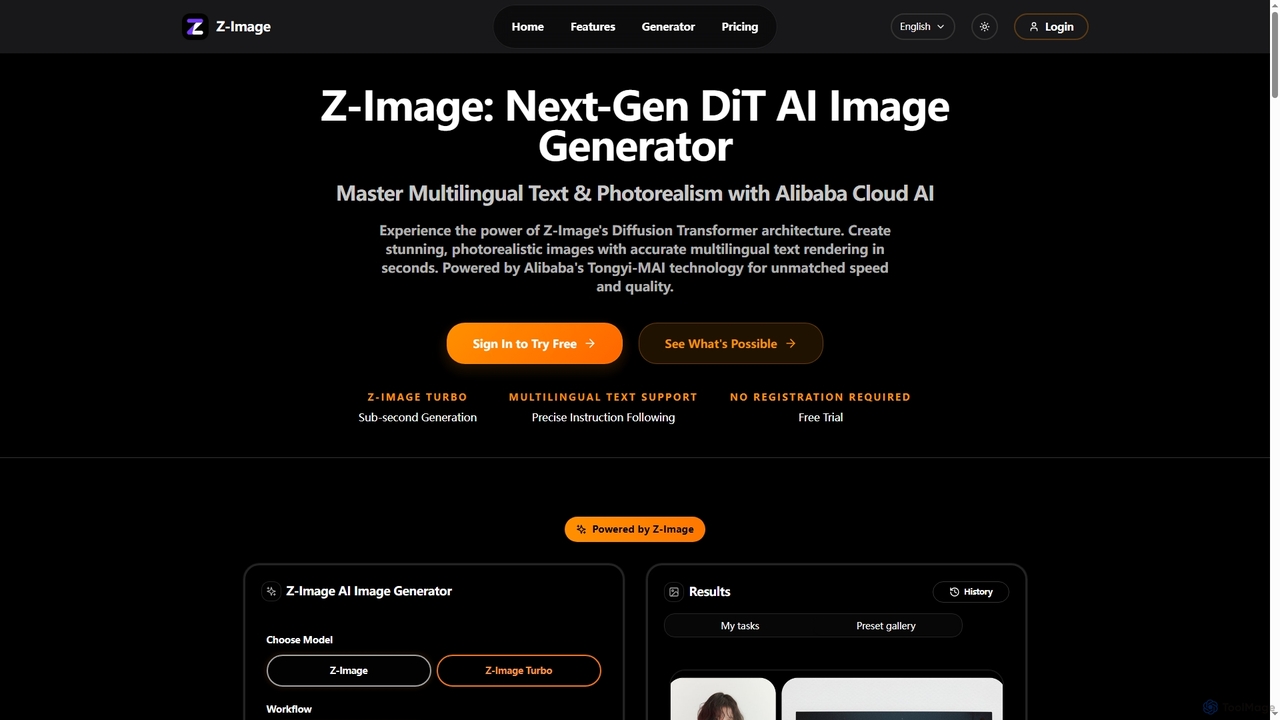
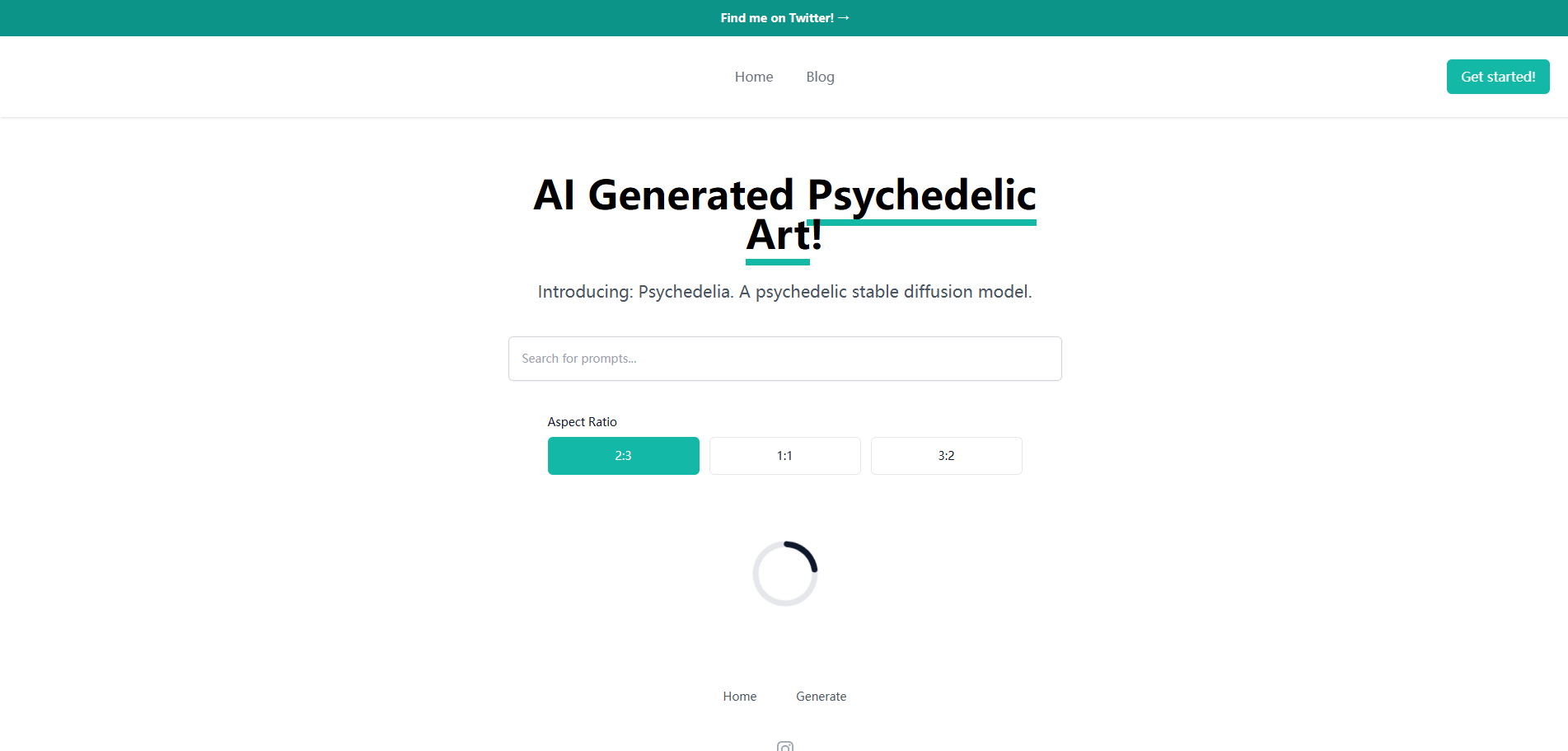
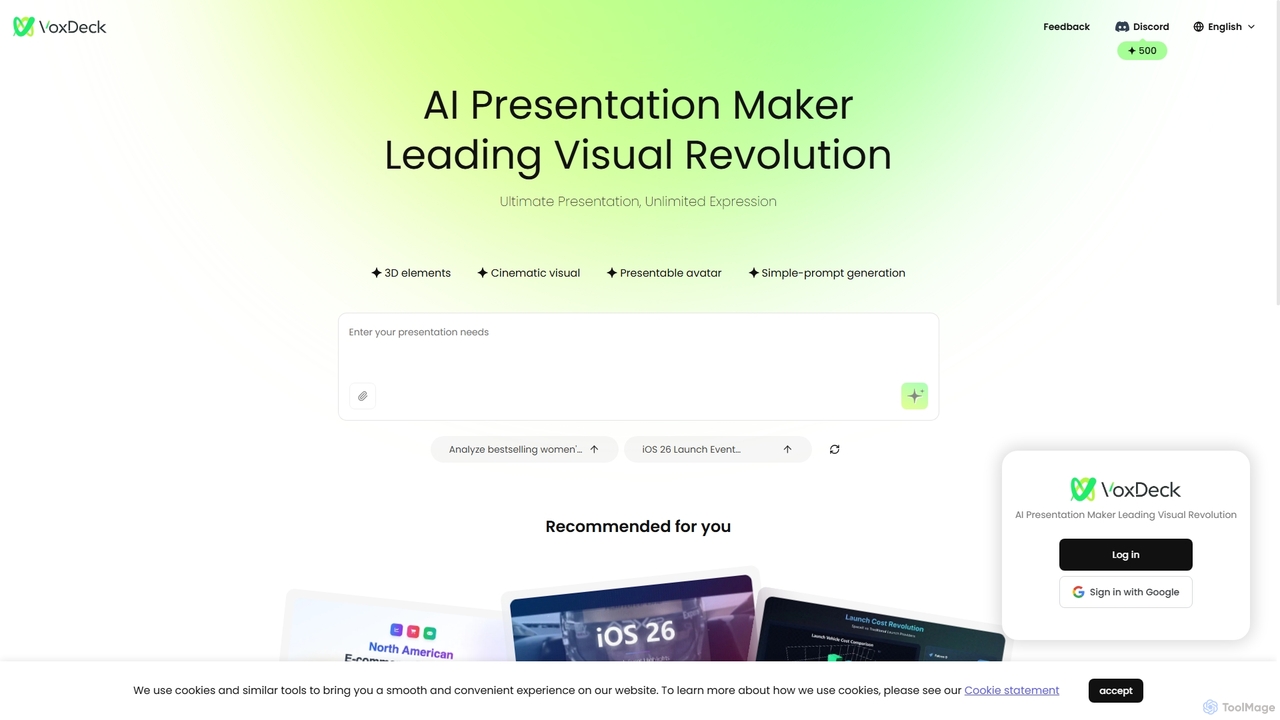
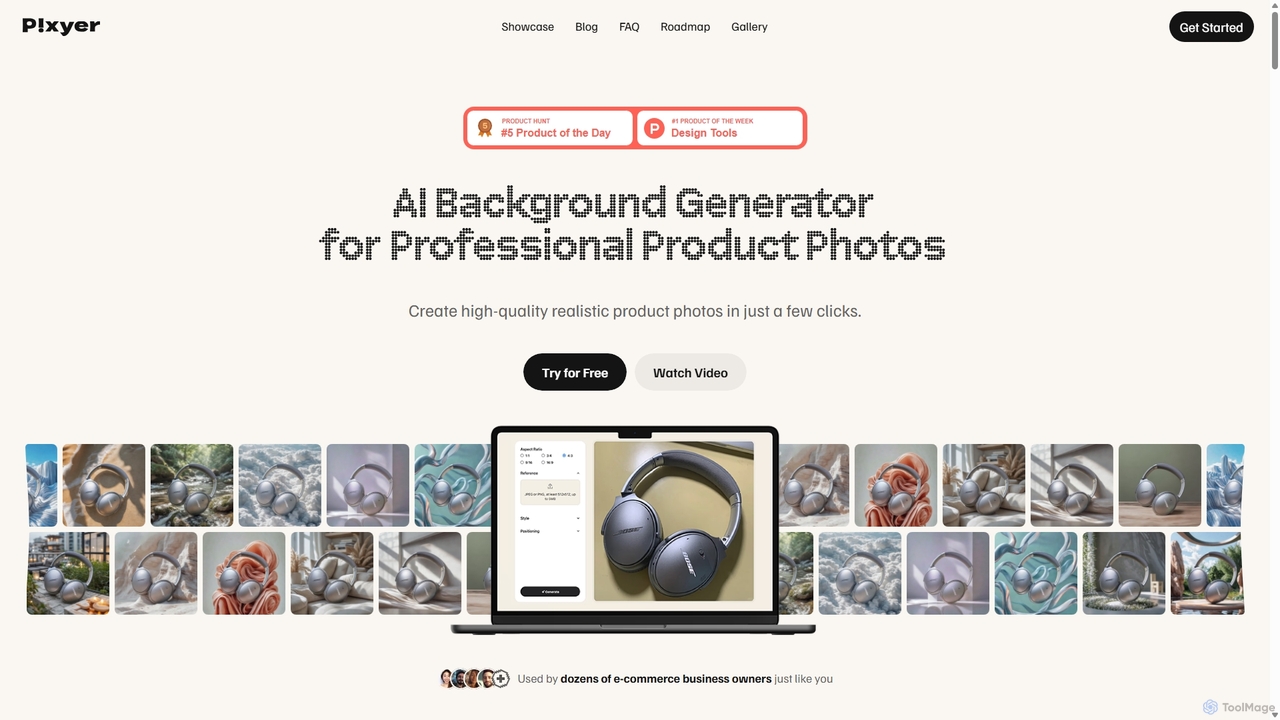
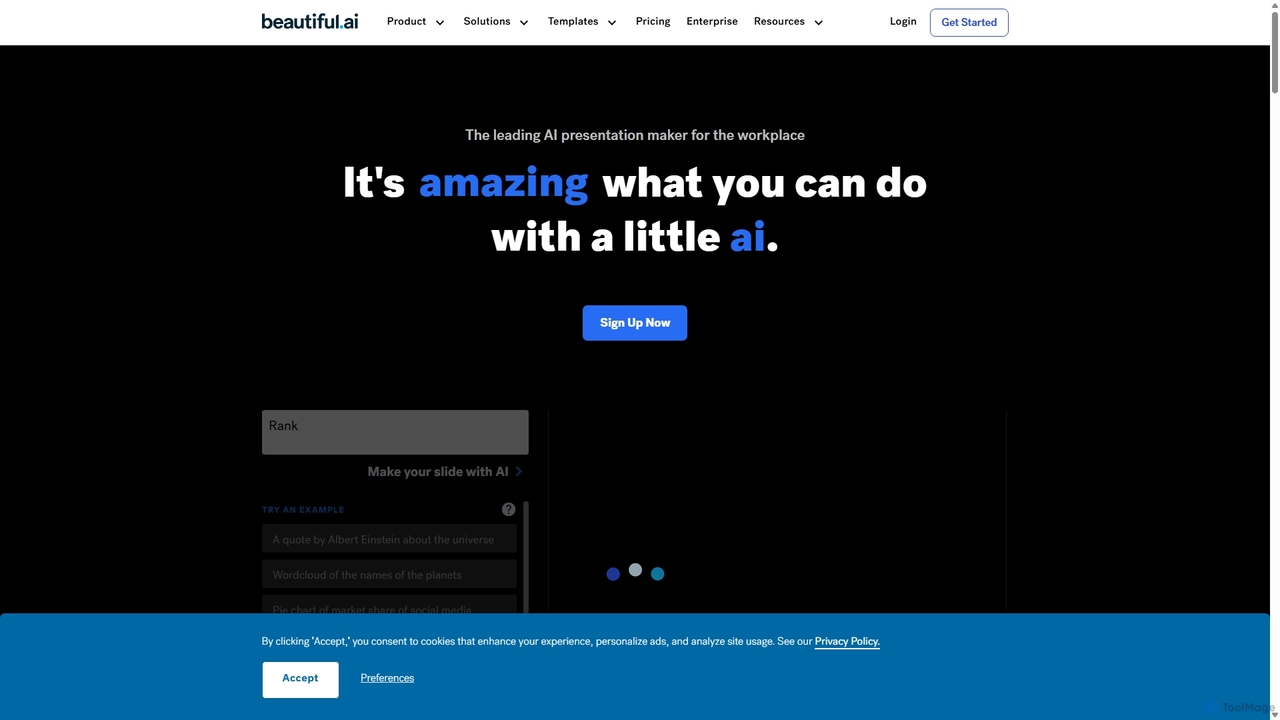
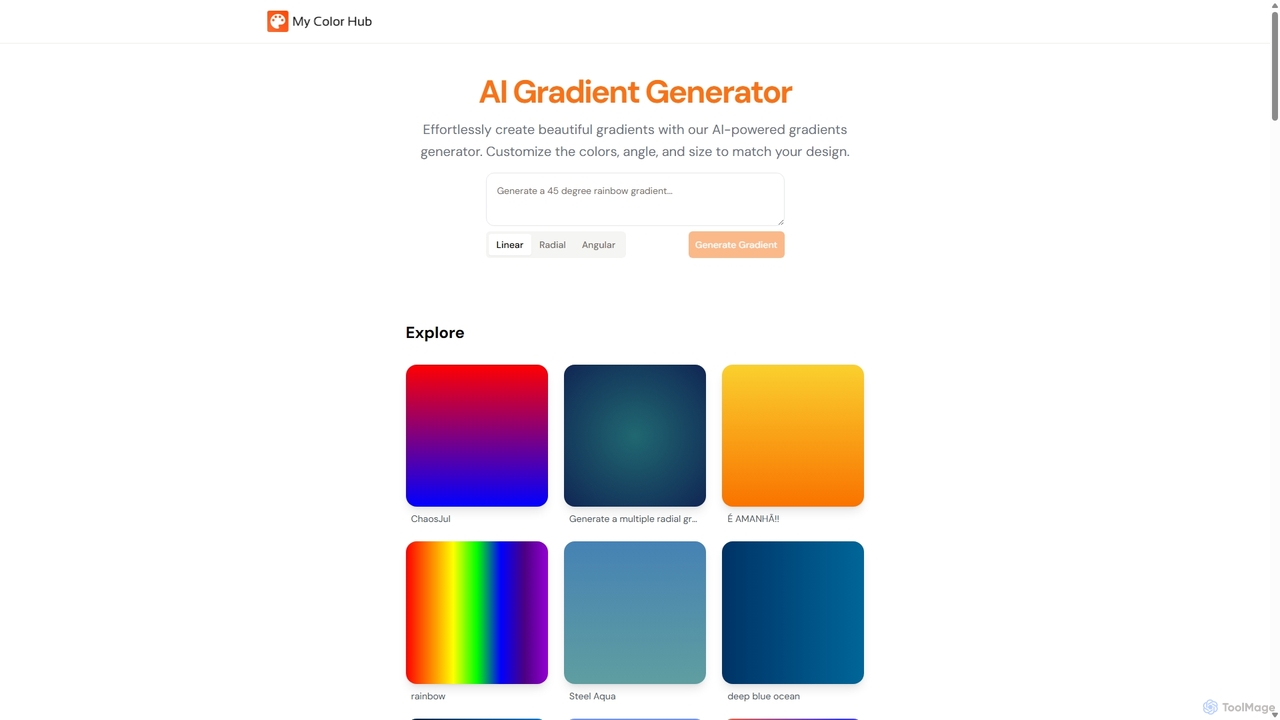
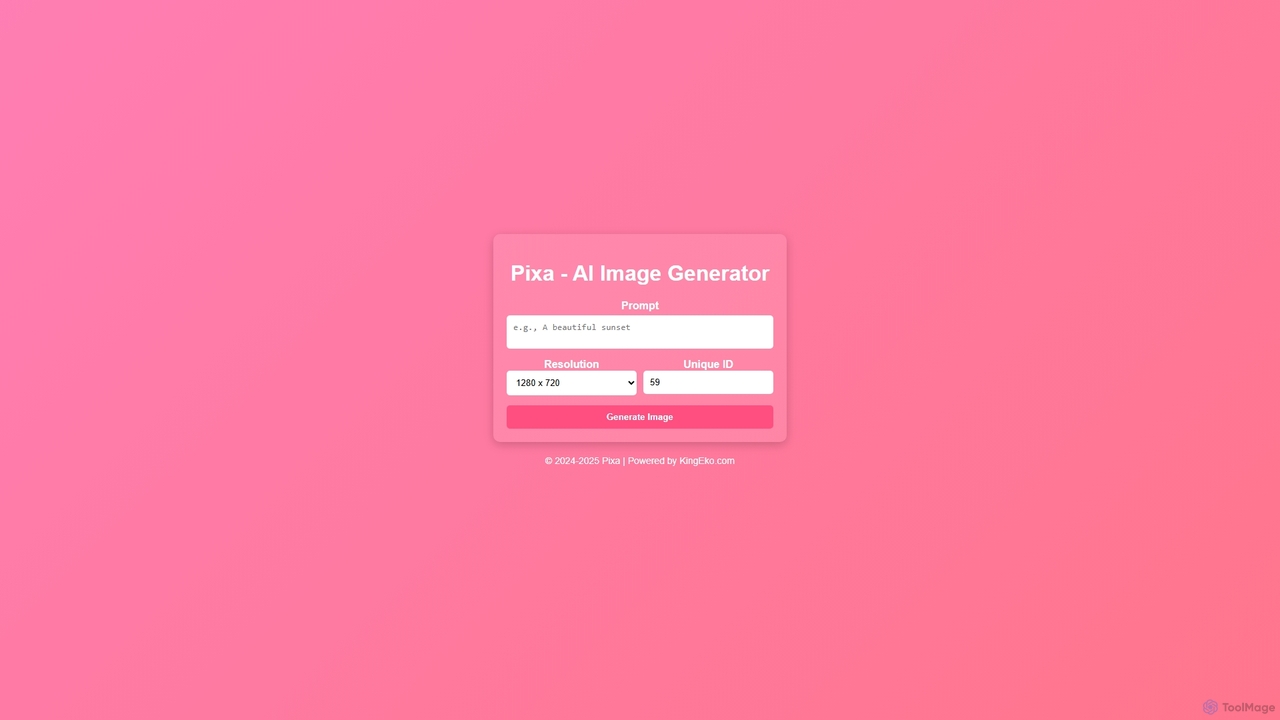
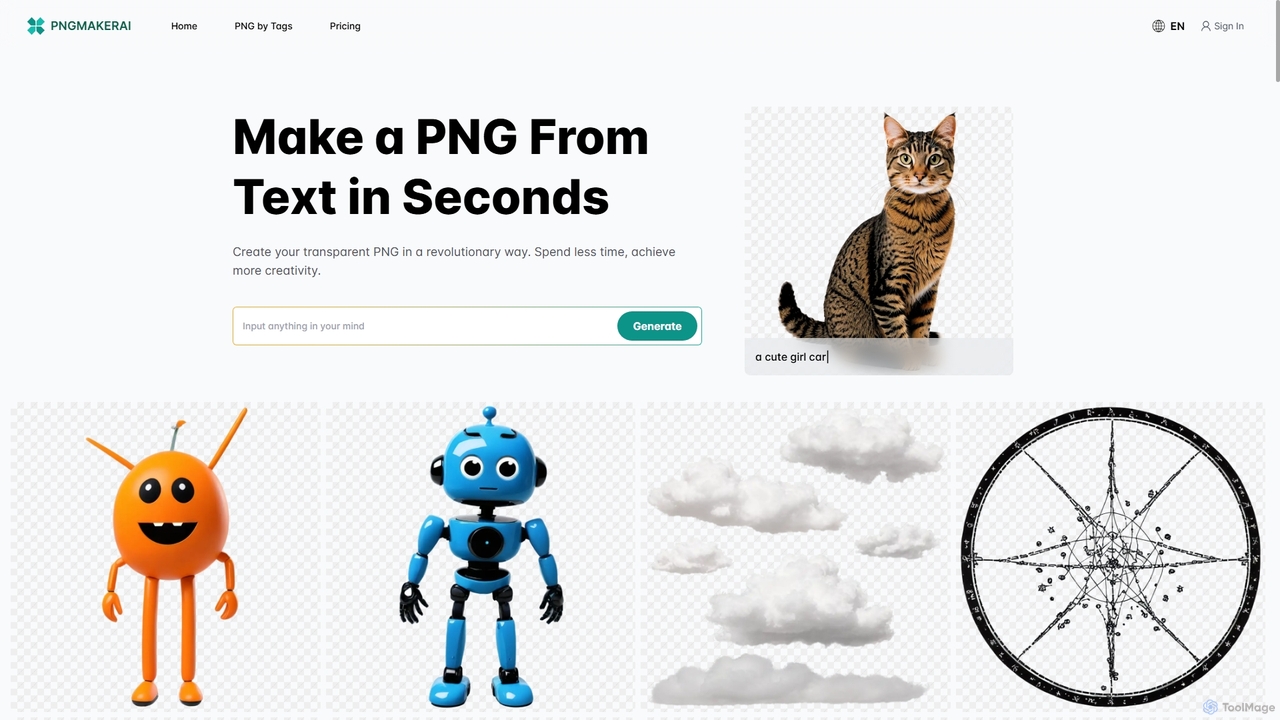
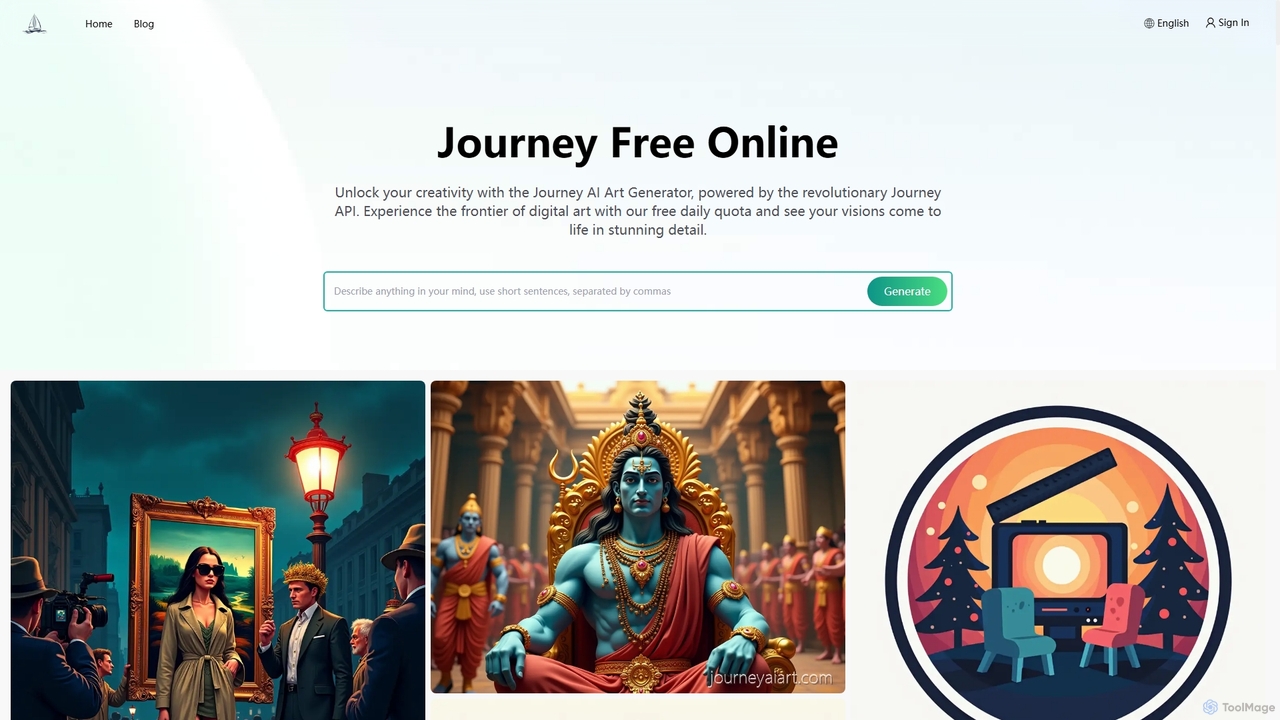
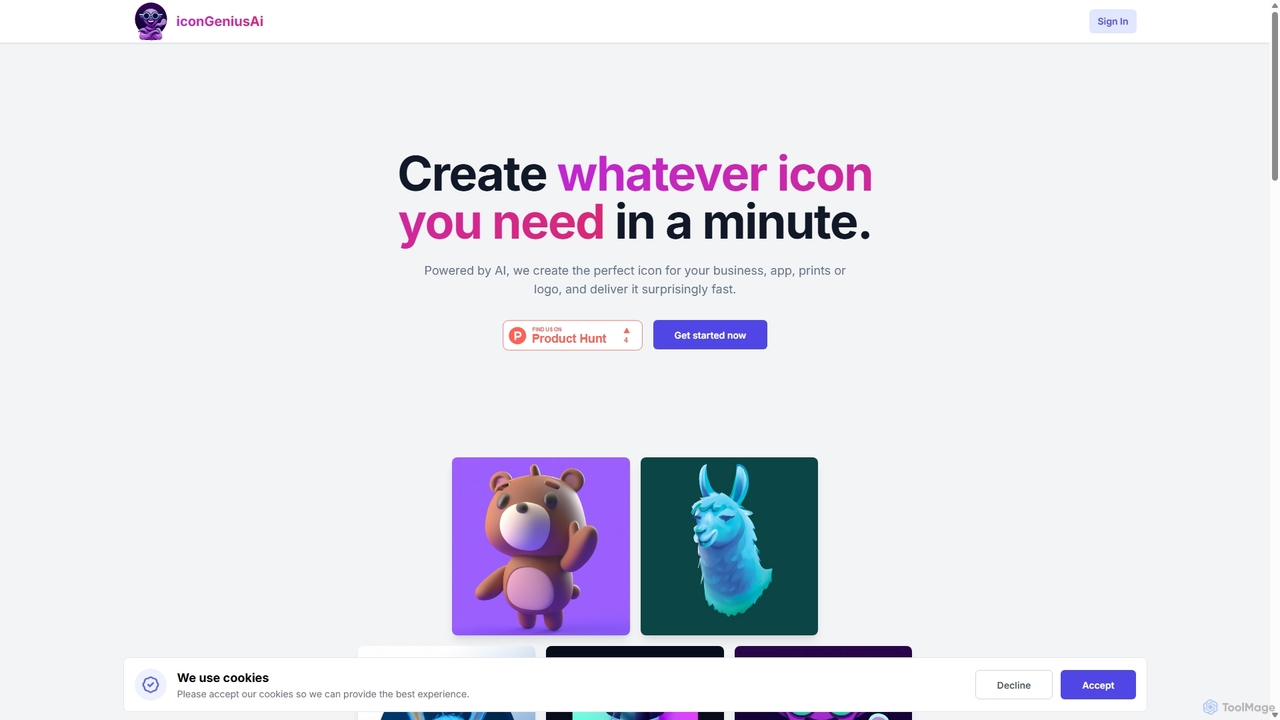
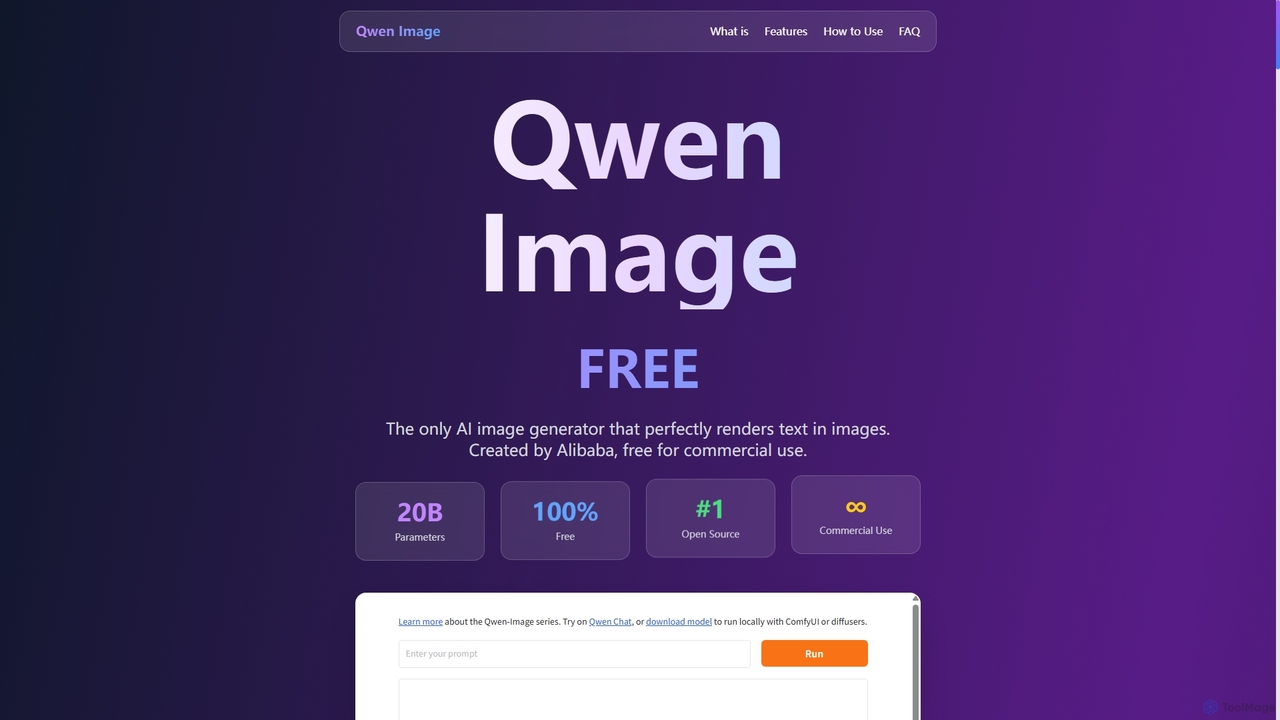
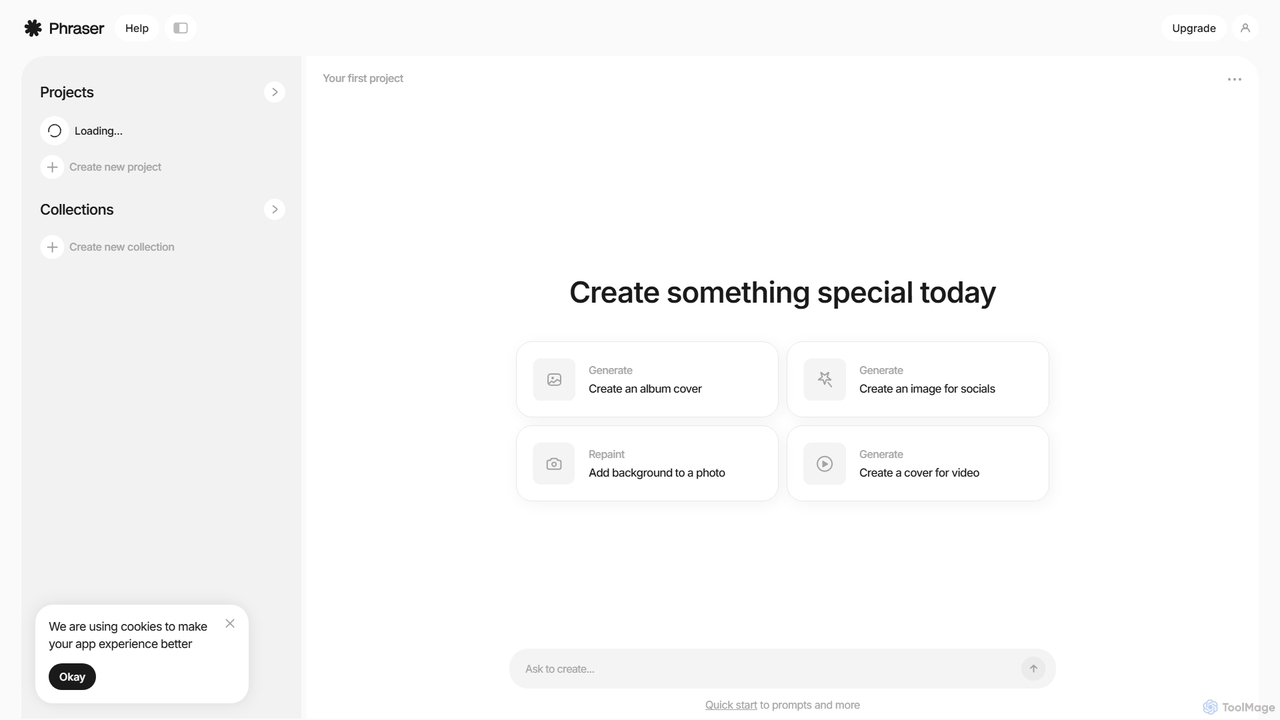
AI Graphics tools are a specialized category of AI-powered applications designed to create, manipulate, and enhance visual content across various mediums. Leveraging advanced machine learning models, particularly generative adversarial networks (GANs) and diffusion models, these tools can generate stunning images from text prompts, transform existing visuals with new styles, or automate complex graphic design tasks like background removal and object manipulation. They empower designers, marketers, and content creators to produce high-quality visual assets with unprecedented speed and efficiency, significantly streamlining workflows and pushing the boundaries of creative expression within the broader field of digital design.
Core Features
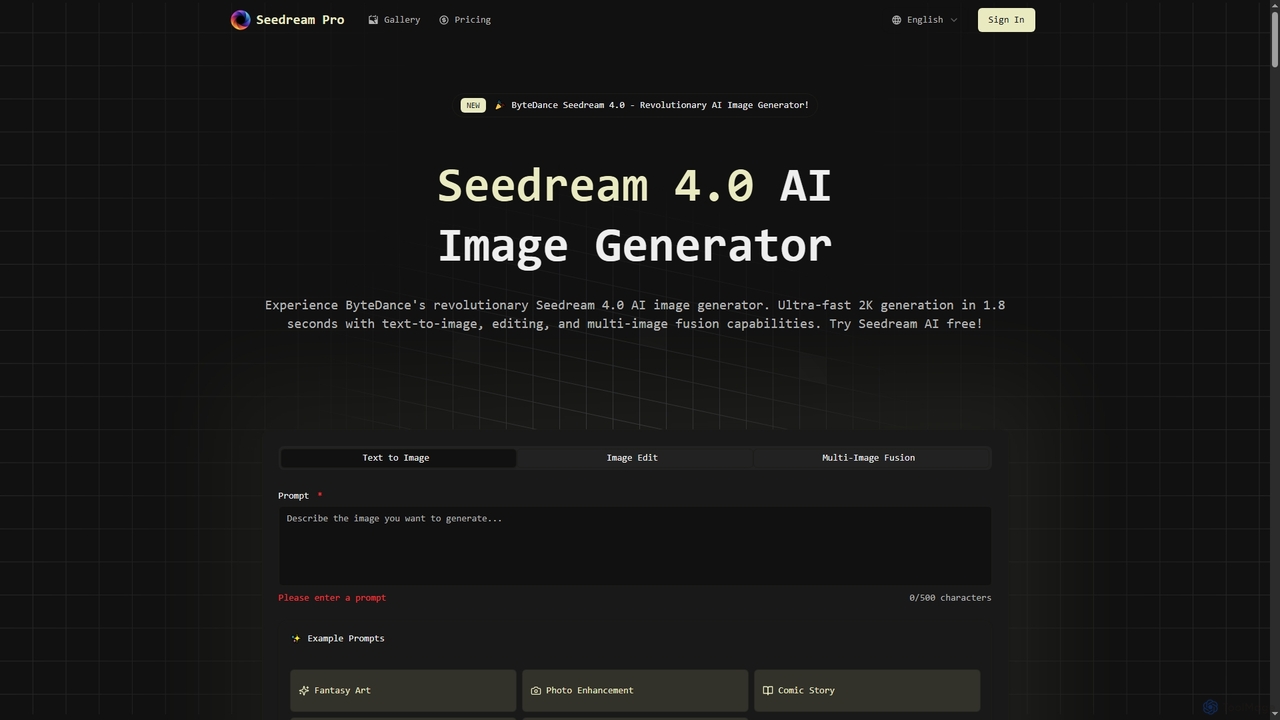
- Text-to-Image Generation: Create diverse images, illustrations, and art from simple text descriptions, enabling rapid ideation and content creation.
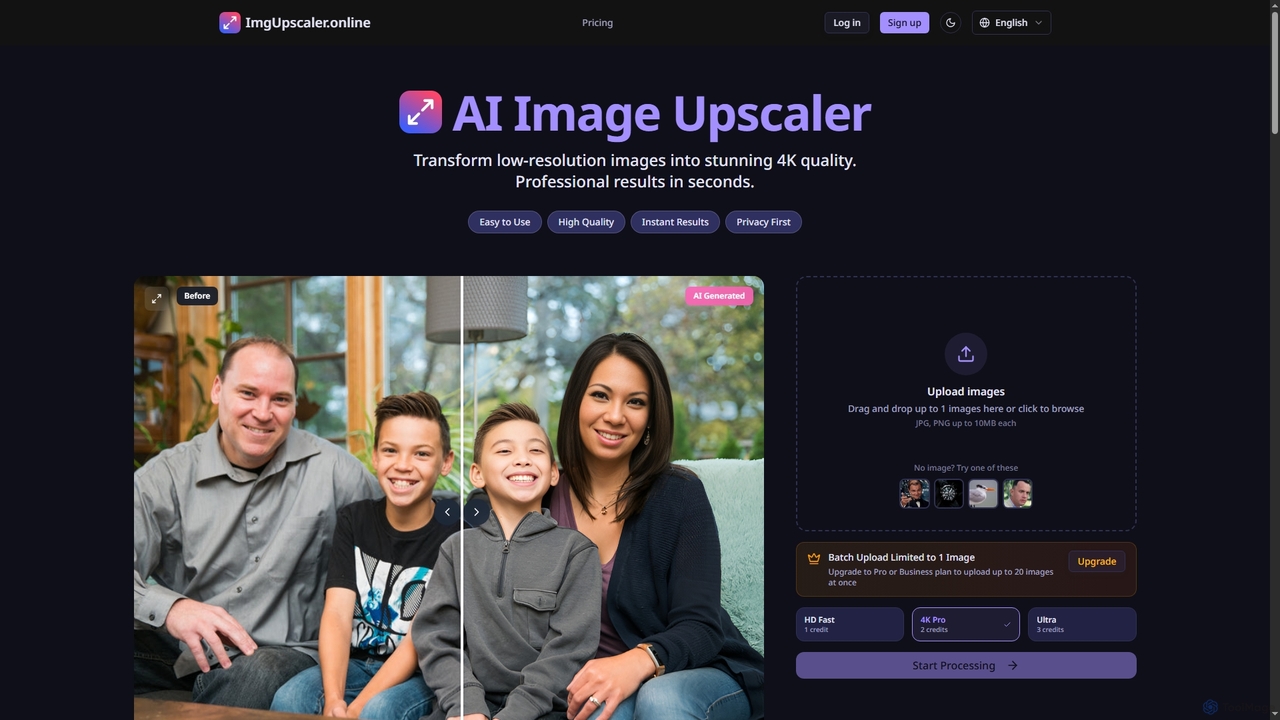
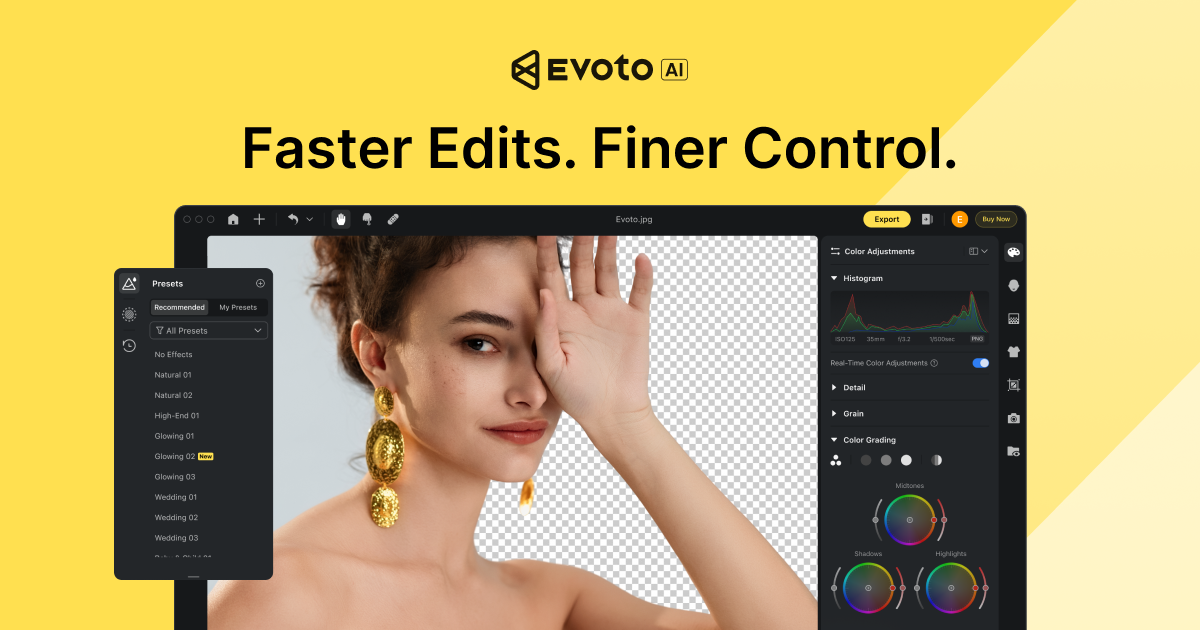
- Image Editing & Enhancement: Automate tasks like background removal, object manipulation, upscaling low-resolution images, and applying artistic style transfers.
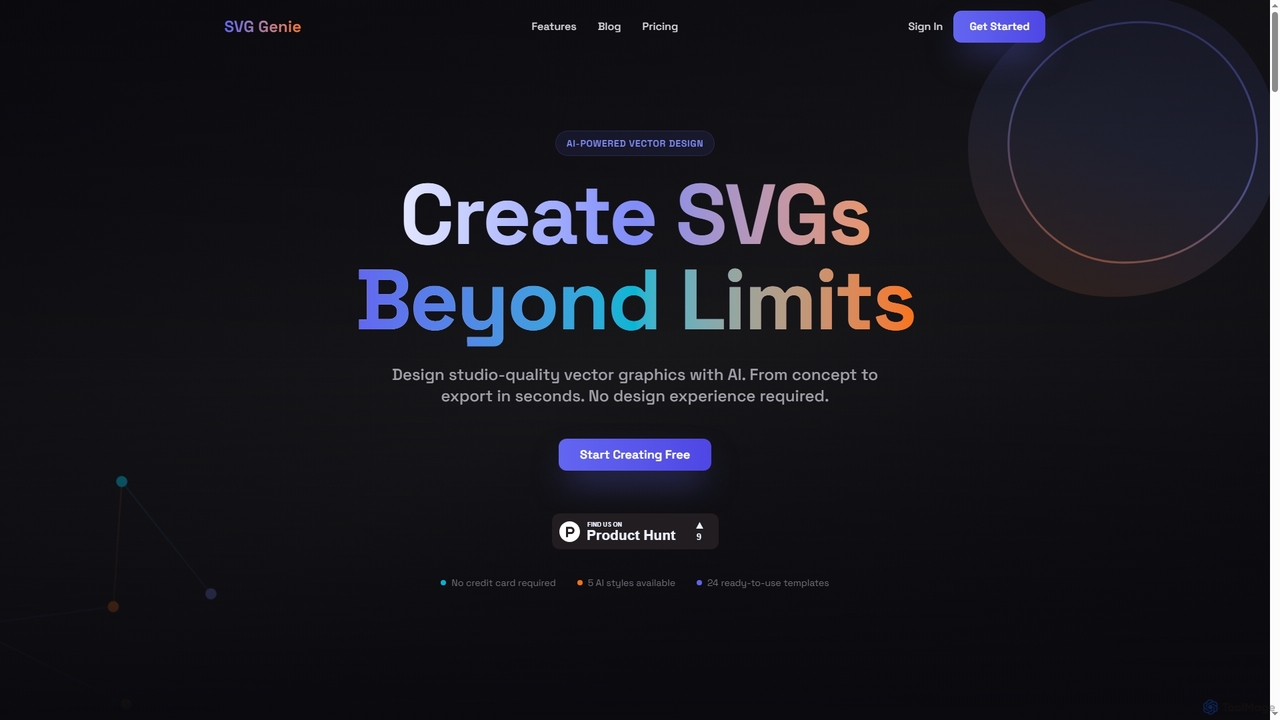
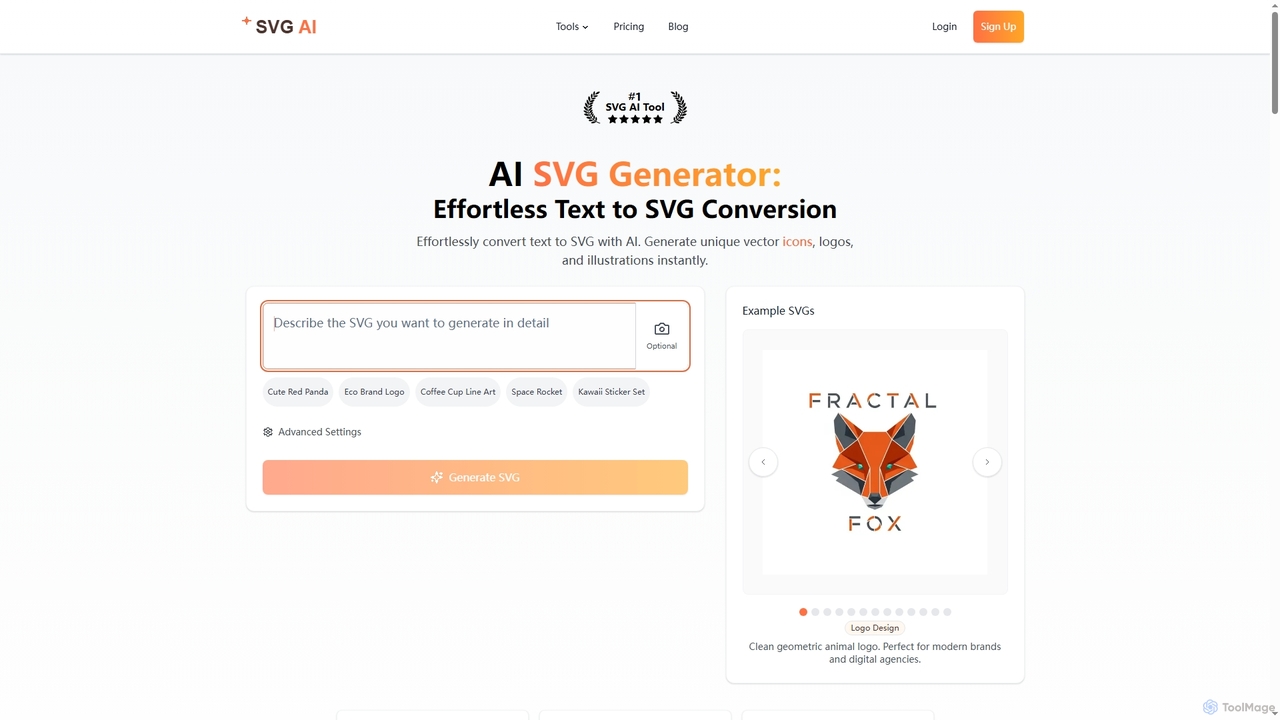
- Vector & Icon Creation: Generate scalable vector graphics, logos, and icons based on input images, sketches, or conceptual text prompts.
- 3D Asset Generation: Produce 3D models, textures, and environments from 2D images or text prompts, accelerating game development and architectural visualization.
- Style Transfer & Variation: Apply artistic styles from one image to another or generate multiple stylistic variations of a single visual asset.
Use Cases
These tools are invaluable for professionals requiring rapid visual asset production and creative exploration. Marketing teams, for instance, can quickly generate multiple ad creatives, social media visuals, or campaign mockups tailored to specific demographics. Game developers can accelerate concept art and in-game asset creation, iterating on character designs or environmental elements. E-commerce businesses can produce consistent product imagery at scale, including lifestyle shots or variations for different platforms. Furthermore, individual content creators can easily visualize complex ideas, generate unique artwork, or enhance their existing portfolios without extensive manual effort.
How to Choose
When selecting AI Graphics tools, consider the primary output type (e.g., 2D images, vectors, 3D models) and the specific quality and style of generated content that aligns with your brand or project needs. Evaluate the ease of use and learning curve for your team's skill level, as well as integration capabilities with existing design software like Adobe Creative Suite. Important technical considerations include prompt engineering capabilities, the level of control over generated outputs, available editing features, and the maximum output resolution. Finally, compare pricing models, including subscription tiers and credit-based systems, to ensure it fits your budget and usage frequency.