ToolMage
Sign in

Best 1 Children AI tools for Personalization

Popular Children AI tools in Personalization include Tinkertell, helping you work more efficiently.

Tinkertell
Freemium

Tinkertell

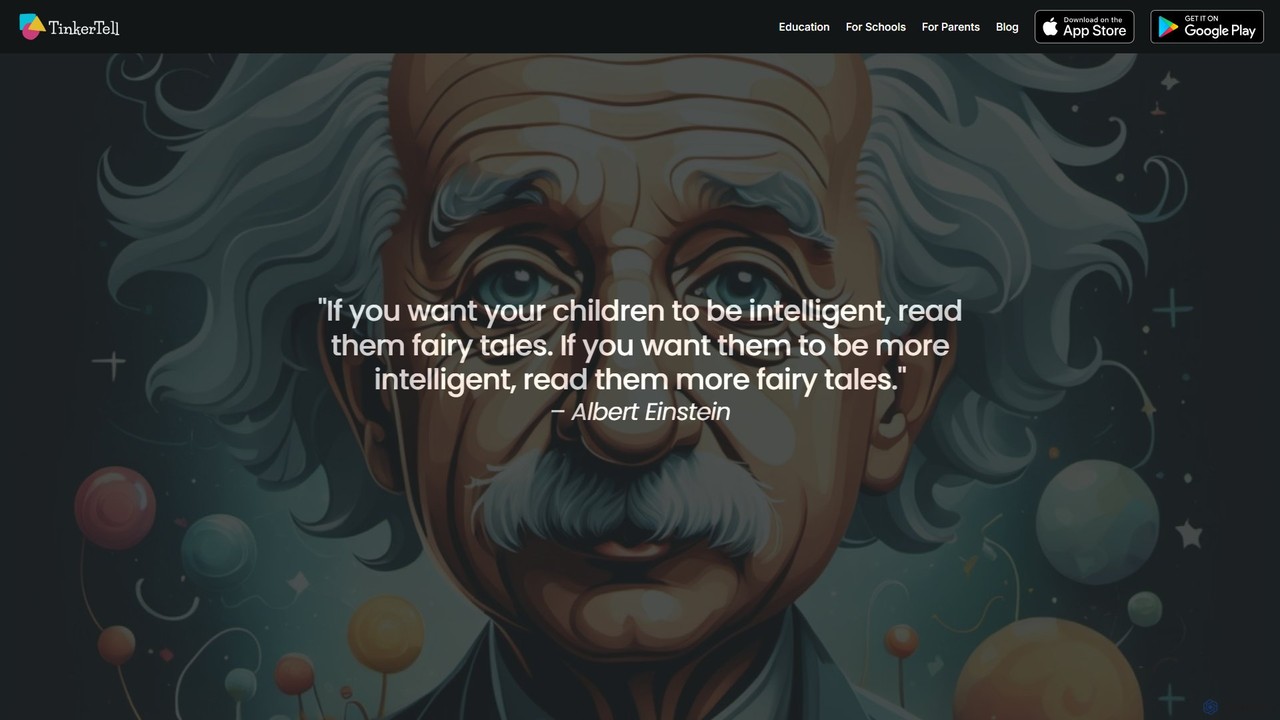
Tinkertell is an AI-powered educational platform that generates personalized and inclusive stories for children. It aims to improve literacy, reading comprehension, and self-esteem by creating tales where children see themselves as the main characters, reflecting diverse backgrounds and experiences.

Literacy
Visits 9.3KFavorites 190Likes 171

About Children

Children AI tools are a specialized category within personalization, focusing on creating adaptive and engaging digital experiences for young users. These tools leverage artificial intelligence to understand individual learning styles, preferences, and developmental stages. They provide tailored educational content, interactive entertainment, and safe online environments, fostering personalized growth and engagement in a secure digital space.

Core Features

  • Adaptive Learning Paths: Dynamically adjusts educational content and difficulty based on a child's progress and understanding.
  • Personalized Content Generation: Creates unique stories, games, or activities tailored to a child's specific interests and inputs.
  • Safe Interaction & Filtering: Ensures age-appropriate content and monitors interactions for safety and positive engagement.
  • Emotional & Developmental Tracking: Analyzes engagement and responses to support cognitive and social-emotional growth.
  • Interactive AI Companions: Provides engaging virtual friends or tutors that adapt to the child's communication style and needs.

Use Cases

Parents seeking personalized educational supplements for their child, educators implementing adaptive learning systems in classrooms, and content creators developing interactive and safe digital experiences for kids all benefit from Children AI tools. They are ideal for fostering individualized learning and creative play.

How to Choose

When selecting Children AI tools, prioritize age appropriateness, robust safety features, and strong parental controls. Assess the tool's educational value, its ability to genuinely personalize the experience, and the level of engagement it offers. Also, consider user reviews, privacy policies, and the tool's adaptability to your child's evolving needs.

Children use cases

1

Generating Personalized Bedtime Stories

Parents can input their child's name, favorite animals, or recent adventures into an AI tool. The AI then crafts unique, engaging stories that resonate deeply with the child, making bedtime routines more magical and fostering a love for reading. This personal touch enhances engagement and creativity, turning a routine into a cherished experience.

2

Adaptive Math & Reading Tutoring

For children struggling with specific academic concepts, AI tools can identify knowledge gaps and provide tailored exercises and explanations. The system adapts its teaching methods and content difficulty in real-time, ensuring the child receives targeted support and builds confidence at their own pace, leading to improved academic performance.

3

Curating Age-Appropriate Digital Content

Parents use Children AI tools to filter and recommend educational videos, games, and apps that are not only age-appropriate but also align with their child's developmental stage and interests. This ensures a safe digital environment while encouraging exploration and learning without constant parental supervision, providing peace of mind.

4

Interactive Language Learning

Children learning a new language can interact with AI companions that provide conversational practice in a fun, non-judgmental environment. The AI adapts to the child's proficiency level, offering vocabulary, pronunciation feedback, and engaging dialogues to accelerate language acquisition and build confidence in speaking.

5

Facilitating Creative Art & Music Play

Young artists can use Children AI tools to generate unique drawings, musical compositions, or even animated characters based on their simple inputs. This encourages imaginative play and helps children explore artistic expression without needing advanced technical skills, fostering creativity, digital literacy, and a sense of accomplishment.

6

Developing Social-Emotional Skills

AI-powered interactive games and stories can present children with scenarios that help them understand and manage emotions, practice empathy, and develop problem-solving skills. The AI provides gentle guidance and feedback, supporting the child's social and emotional growth in a safe, simulated environment, preparing them for real-world interactions.

Children FAQ

What are Children AI tools?

Children AI tools are specialized artificial intelligence applications designed to create personalized, safe, and engaging digital experiences for young users. They leverage AI to adapt content, learning paths, and interactions based on a child's individual needs, preferences, and developmental stage, fostering growth in areas like education, creativity, and social-emotional skills.

How do I choose the best AI tool for my child?

When selecting an AI tool for children, prioritize age-appropriateness, robust safety features, and strong parental controls. Look for tools that offer genuine personalization, high educational value, and engaging content that aligns with your child's interests. Also, consider user reviews, privacy policies, and the tool's ability to adapt to your child's evolving needs for long-term engagement.

Are Children AI tools safe for my child's privacy and well-being?

Reputable Children AI tools prioritize safety and privacy. They typically adhere to strict data protection regulations (like COPPA or GDPR-K), employ content filtering, and offer parental monitoring features. Always review the tool's privacy policy, understand how data is collected and used, and ensure it provides a secure, age-appropriate environment free from harmful content or interactions.

How do Children AI tools benefit a child's development?

Children AI tools offer numerous developmental benefits. They provide personalized learning experiences that cater to individual paces and styles, enhancing academic performance. They can foster creativity through interactive content generation, improve problem-solving skills, and even support social-emotional learning through guided scenarios. The adaptive nature keeps children engaged and motivated, promoting holistic growth.

What is the difference between Children AI tools and general personalization AI?

While both aim to tailor experiences, Children AI tools have a critical focus on child safety, age-appropriateness, and developmental impact. General personalization AI might optimize for adult preferences or commercial goals, whereas Children AI is specifically designed with educational outcomes, parental oversight, and the unique vulnerabilities of young users in mind, often adhering to stricter ethical guidelines and data protection.