ToolMage
Sign in

Best 1 Literacy AI tools for Education

Popular Literacy AI tools in Education include Tinkertell, helping you work more efficiently.

Tinkertell
Freemium

Tinkertell

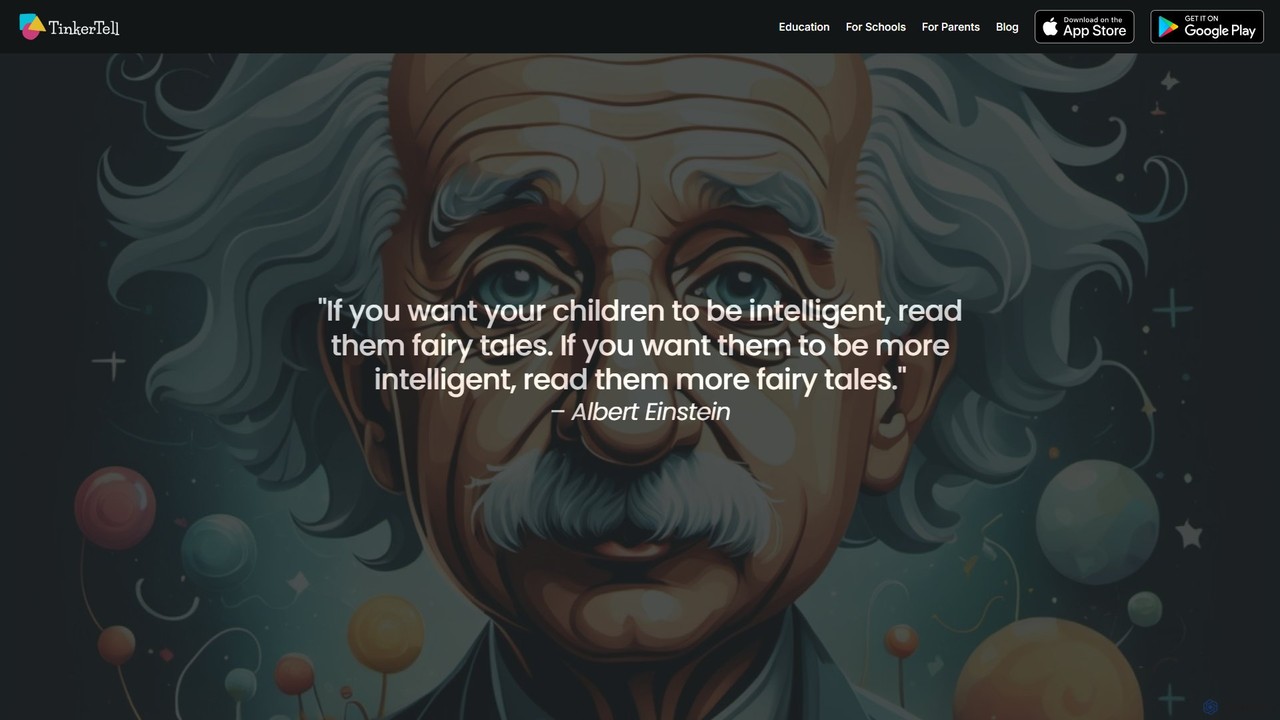
Tinkertell is an AI-powered educational platform that generates personalized and inclusive stories for children. It aims to improve literacy, reading comprehension, and self-esteem by creating tales where children see themselves as the main characters, reflecting diverse backgrounds and experiences.

Literacy
Visits 7.3KFavorites 166Likes 154

About Literacy

AI Literacy tools are a specialized category within educational technology, designed to enhance reading, writing, comprehension, and communication skills. These tools leverage advanced AI, including natural language processing (NLP) and machine learning, to provide personalized learning experiences, real-time feedback, and adaptive content. They empower learners of all ages to develop fundamental language abilities, overcome learning challenges, and improve overall academic and professional communication.

Core Features

  • Grammar & Style Correction: Identifies and suggests improvements for grammatical errors, spelling mistakes, punctuation, and writing style.
  • Reading Comprehension Aids: Provides summaries, clarifies complex vocabulary, and offers interactive questions to deepen understanding of texts.
  • Writing Assistance: Offers suggestions for sentence structure, vocabulary enrichment, and content generation to aid in drafting various written materials.
  • Language Learning Support: Facilitates vocabulary acquisition, pronunciation practice, and conversational skills for non-native speakers.
  • Text Simplification: Rewrites complex texts into simpler language, making content accessible for different reading levels.

Applicable Scenarios

Students use these tools for essay writing, research paper drafting, and improving reading comprehension for academic texts. Educators employ them to provide personalized feedback on assignments and create differentiated learning materials. Professionals utilize AI literacy tools for drafting reports, emails, and presentations, ensuring clarity and conciseness in their business communications.

How to Choose

When selecting an AI literacy tool, consider its specific focus (e.g., writing, reading, language learning), the accuracy and sophistication of its AI algorithms, and its integration capabilities with existing platforms. Evaluate the range of features offered, the level of personalization, user-friendliness, and the pricing model to ensure it aligns with your learning or professional development goals.

Literacy use cases

1

Enhancing Academic Writing Skills

A university student struggling with essay structure and grammar uses an AI writing assistant to review their drafts. The tool provides real-time suggestions for improving sentence flow, identifying grammatical errors, and suggesting stronger vocabulary, helping the student submit well-polished academic papers and improve their writing proficiency over time.

2

Improving Reading Comprehension for Complex Texts

A professional needing to quickly grasp dense industry reports utilizes an AI reading comprehension tool. The tool summarizes key points, explains technical jargon, and highlights critical information, enabling the user to efficiently extract insights and make informed decisions without spending excessive time on manual analysis.

3

Personalized Language Learning for Non-Native Speakers

An individual learning a new language employs an AI literacy platform that offers interactive exercises, pronunciation feedback, and conversational practice. The AI adapts to their learning pace, identifies areas for improvement, and provides tailored content, accelerating their language acquisition and building confidence in communication.

4

Streamlining Business Communication and Content Creation

A marketing specialist uses an AI writing tool to draft compelling ad copy, social media posts, and email newsletters. The tool helps refine messaging, ensures brand voice consistency, and optimizes content for clarity and impact, significantly reducing the time spent on content creation and improving engagement rates.

5

Supporting Dyslexic Learners with Reading and Writing

A student with dyslexia uses an AI-powered reading assistant that offers text-to-speech functionality, customizable fonts, and text simplification. For writing, the tool provides predictive text and advanced grammar checks, reducing cognitive load and enabling the student to access information and express themselves more effectively.

6

Creating Accessible Educational Materials

An educator uses an AI text simplification tool to adapt complex scientific articles into age-appropriate language for younger students or those with diverse learning needs. This ensures that all students can access and understand core concepts, fostering inclusivity and improving overall learning outcomes in the classroom.

Literacy FAQ

What are AI Literacy tools?

AI Literacy tools are software applications that leverage artificial intelligence to improve an individual's reading, writing, comprehension, and overall communication skills. They utilize technologies like natural language processing (NLP) and machine learning to offer features such as grammar correction, writing assistance, text summarization, and personalized language learning support, making complex information more accessible and aiding in skill development.

How do AI Literacy tools differ from traditional grammar checkers?

While traditional grammar checkers primarily identify basic grammatical errors and spelling mistakes based on predefined rules, AI Literacy tools go further. They use advanced AI to understand context, suggest stylistic improvements, offer vocabulary enhancements, provide writing feedback on clarity and conciseness, and even assist with content generation or text simplification, offering a more comprehensive writing and reading aid.

Who can benefit most from using AI Literacy tools?

A wide range of users can benefit. Students can improve academic writing and reading comprehension. Educators can create differentiated content and provide personalized feedback. Professionals can refine business communications, reports, and marketing materials. Language learners can accelerate their acquisition of new languages, and individuals with learning disabilities can find support for reading and writing challenges.

What are the key features to look for in an AI Literacy tool?

When evaluating AI Literacy tools, look for robust grammar and style correction, comprehensive writing assistance (e.g., sentence restructuring, vocabulary suggestions), effective reading comprehension aids (e.g., summarization, jargon explanation), and personalized learning paths if it's for language acquisition. Also consider ease of integration with your existing workflows, data privacy policies, and the tool's ability to adapt to your specific writing style or learning needs.

Can AI Literacy tools help with creative writing?

Yes, AI Literacy tools can assist with creative writing by offering suggestions for vocabulary, sentence variation, and even generating ideas or outlines. While they won't replace human creativity, they can act as a valuable co-pilot, helping writers overcome blocks, refine their prose, and ensure grammatical correctness, allowing them to focus more on the narrative and artistic aspects of their work.