WigglePet
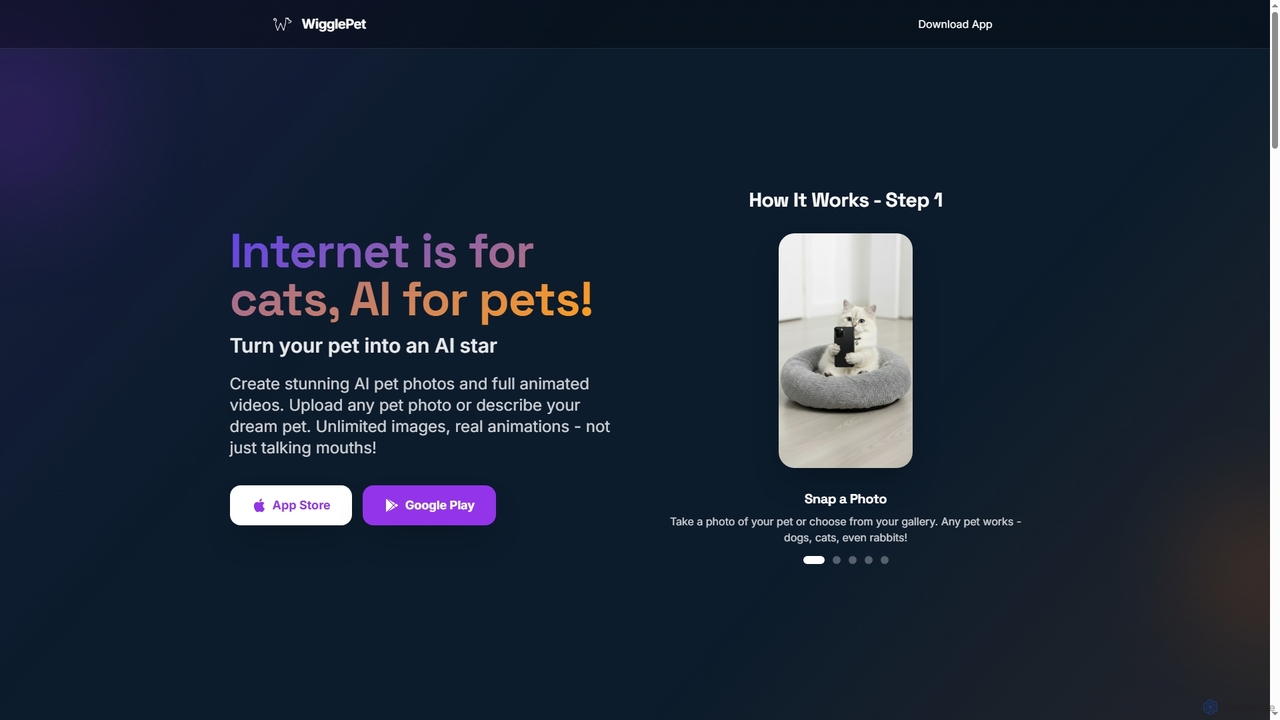
WigglePet is an innovative AI tool that transforms your pet's photos into engaging animated videos, lifelike talking and …
WigglePet is an innovative AI tool that transforms your pet's photos into engaging animated videos, lifelike talking and singing performances, and artistic portraits or avatars. Easily create viral-ready content for social media, personalized digital art, and unique pet memorials with full-body animations.
Vanderwaals
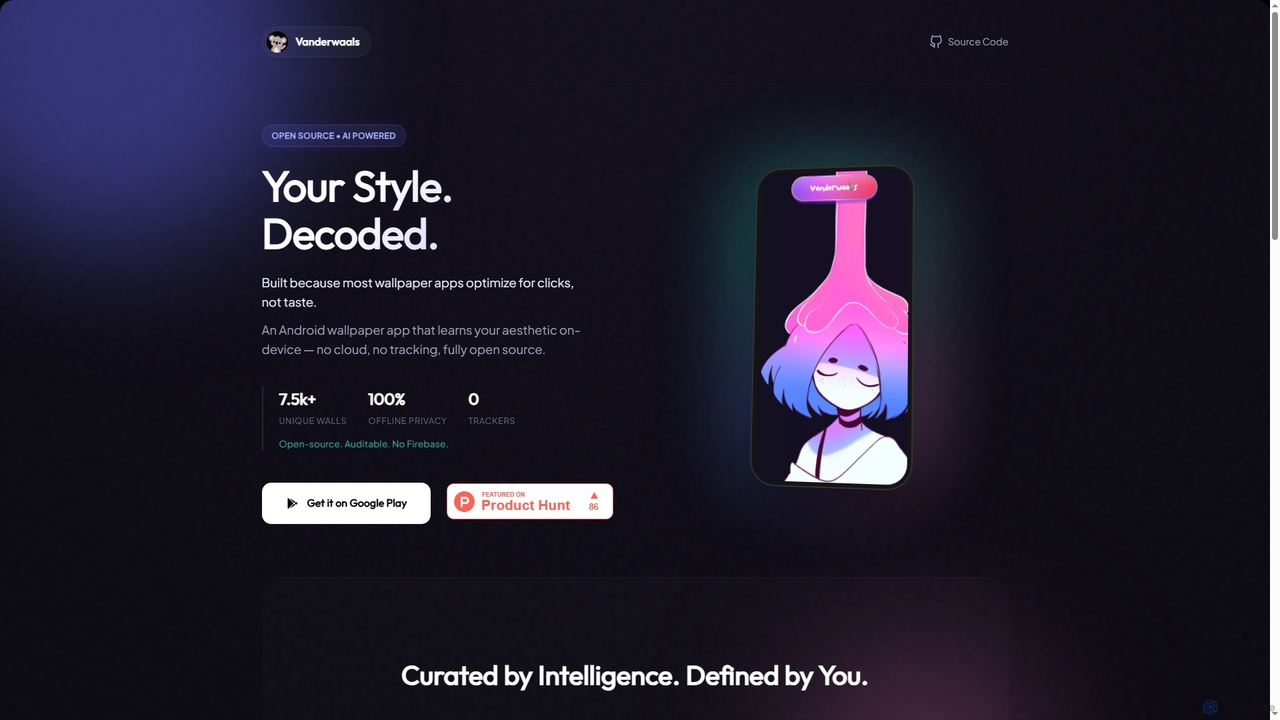
Vanderwaals is an AI-powered aesthetic intelligence tool that curates personalized wallpaper recommendations directly on your device. It offers …
Vanderwaals is an AI-powered aesthetic intelligence tool that curates personalized wallpaper recommendations directly on your device. It offers visual search, smart learning based on your preferences, and ensures total privacy with zero data leaks by processing everything locally.
Reelin
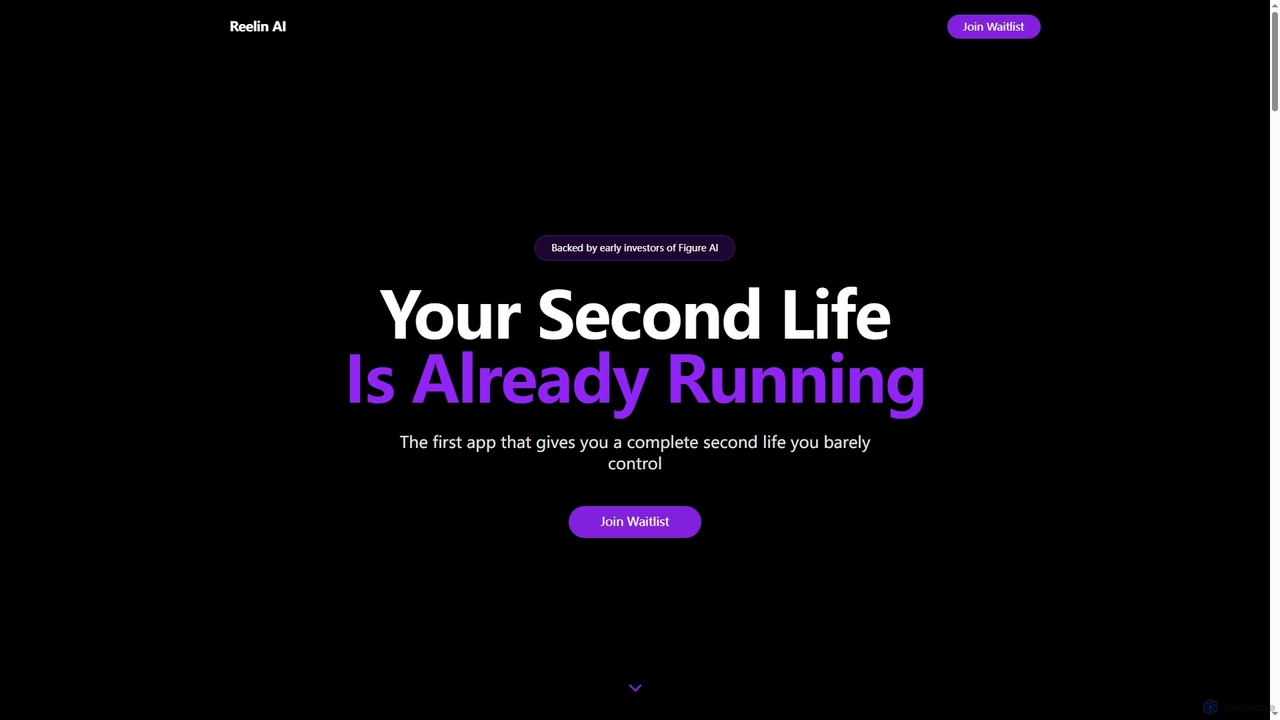
Reelin is an innovative AI app that creates a digital twin of you, allowing it to live an …
Reelin is an innovative AI app that creates a digital twin of you, allowing it to live an autonomous "second life" in a persistent, shared virtual world. Users receive daily cinematic reels summarizing their twin's adventures and can influence its journey with a single daily check-in.
About Personalization
Personalization tools are AI-powered platforms designed to create tailored experiences for individual users. They leverage machine learning algorithms to analyze user data, such as browsing history, purchase behavior, and demographics, in real-time. This enables businesses to automatically deliver relevant content, product recommendations, and customized interactions across websites, applications, and marketing channels. The core value lies in increasing user engagement, improving conversion rates, and fostering long-term customer loyalty by making every interaction feel unique and relevant.
Core Features
- Predictive Recommendation Engine: Suggests products, articles, or content that a user is most likely to be interested in.
- Dynamic Content Adaptation: Modifies website layouts, headlines, and images in real-time to match individual user profiles.
- Behavioral Tracking and Analysis: Collects and interprets user interaction data to build comprehensive profiles and predict future actions.
- Automated Audience Segmentation: Groups users into dynamic micro-segments based on behavior for highly targeted campaigns.
- Personalized A/B/n Testing: Tests multiple personalized variations simultaneously to identify the most effective strategies for different user segments.
Use Cases
These tools are widely used in e-commerce to increase average order value, in media and publishing to boost content consumption and subscriptions, and in marketing automation to deliver highly relevant email and ad campaigns. Roles such as digital marketers, e-commerce managers, and product managers utilize these platforms to create more effective and engaging customer journeys.
How to Choose
When selecting a personalization tool, consider its integration capabilities with your existing tech stack (e.g., CRM, CMS, e-commerce platform). Evaluate the sophistication of its machine learning models and its ability to process data in real-time. Also, assess its data privacy and compliance features, scalability to handle your user traffic, and the level of control it offers for defining personalization rules and strategies.
PersonalizationUse Cases
Dynamic Product Recommendations for E-commerce
An e-commerce manager for an online fashion retailer uses an AI personalization tool to increase sales. The tool analyzes a visitor's real-time browsing behavior, past purchases, and items they've added to their cart. Based on this data, it dynamically populates sections like 'You Might Also Like' on product pages and 'Trending For You' on the homepage. For example, if a user views a blue dress, the engine recommends matching shoes and accessories, significantly increasing the likelihood of a larger purchase and improving the average order value.
Personalized Email Marketing Campaigns
A digital marketer aims to improve the open and click-through rates of their weekly newsletter. Using a personalization tool integrated with their email platform, they segment their audience based on past engagement and content preferences. The tool then automatically populates each email with relevant blog posts, product updates, or offers for each segment. A user who frequently reads about 'marketing automation' receives different content than one who prefers 'social media strategy'. This targeted approach makes the emails more valuable to recipients, leading to higher engagement metrics and reduced unsubscribe rates.
Dynamic Website Content for Media Publishers
A content strategist for a major online news portal wants to increase reader session duration. They implement an AI personalization tool that alters the homepage layout for each returning visitor. Based on the topics a user has previously read (e.g., technology, finance, sports), the tool prioritizes and displays relevant articles and categories more prominently. A reader interested in finance will see the latest market news at the top, while a sports fan will be greeted with recent game scores. This tailored experience encourages users to stay longer and consume more content per visit.
Tailored In-App User Onboarding Experience
A product manager for a SaaS application wants to improve user activation rates. They use a personalization tool to customize the onboarding flow based on the user's role, which is selected during signup (e.g., 'Marketer', 'Developer', 'Sales'). Each role is shown a different sequence of tutorials and feature highlights relevant to their job. A developer might see an API integration guide first, while a marketer is shown how to build their first campaign. This role-based personalization ensures users quickly discover the features most valuable to them, leading to a higher likelihood of adoption and long-term retention.
Personalized Ad Targeting and Retargeting
A performance marketer runs advertising campaigns on social media and display networks. By connecting a personalization engine to their ad platforms, they can serve highly specific ads to different user segments. For instance, users who abandoned a shopping cart with a specific product are retargeted with ads featuring that exact item, possibly with a small discount. New visitors who browsed a certain category are shown ads for best-selling products from that category. This level of personalization increases ad relevance, leading to a higher return on ad spend (ROAS) and lower cost per acquisition (CPA).
Customized Learning Paths in EdTech Platforms
An instructional designer for an online learning platform uses personalization to improve student outcomes. The AI tool tracks a student's progress, quiz scores, and areas where they struggle. Based on this performance data, the platform dynamically adjusts the learning path. A student who excels in a topic might be offered advanced modules, while another who is having difficulty is provided with supplementary materials, practice exercises, or tutorial videos for that specific concept. This adaptive learning approach ensures each student receives the support they need, improving comprehension and course completion rates.