ToolMage
Sign in

Best 6 Fundraising AI tools for Productivity

Popular Fundraising AI tools in Productivity include Instrumentl, OpenVC, donordock, Finta, No Cap, and Bitlauncher, helping you work more efficiently.

Finta
Paid

Finta

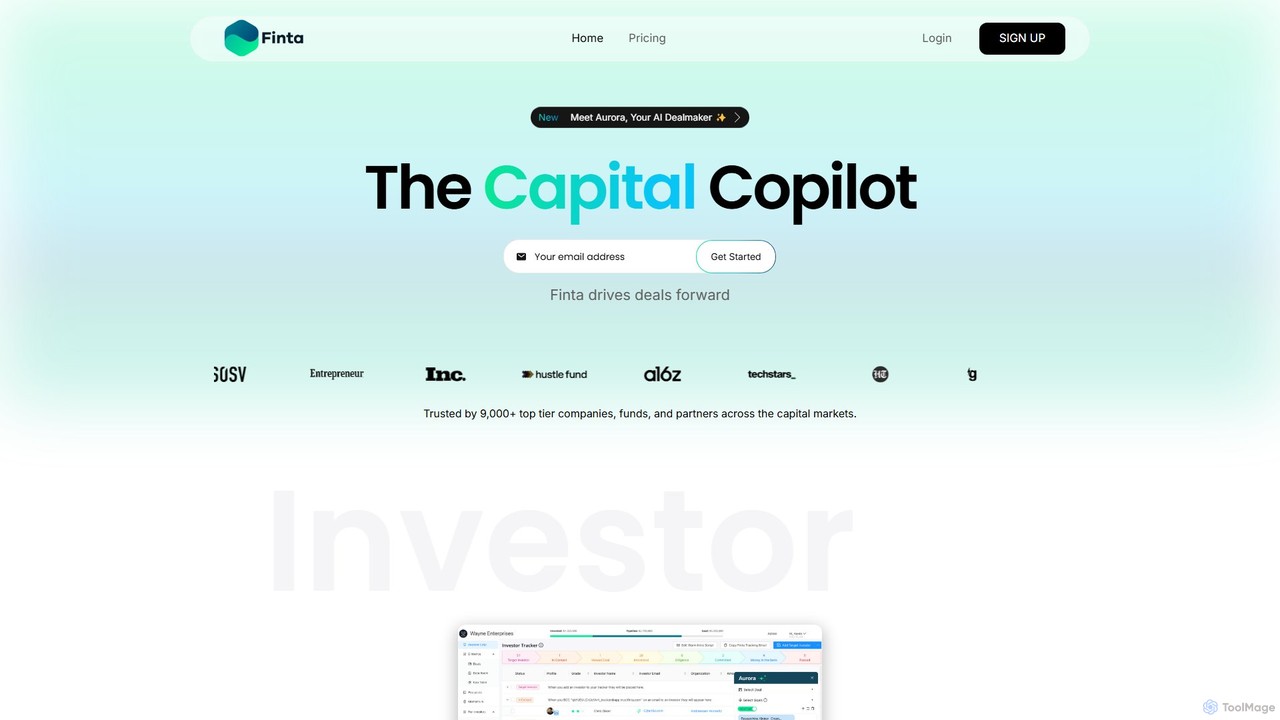
Finta is an AI-powered platform designed to streamline deal-making and fundraising. It combines an intelligent CRM, data rooms, and a prospect database to help entrepreneurs, fund managers, and nonprofit leaders maximize deal value and build stronger relationships through warm introductions.

Venture Capital
Visits 17.1KFavorites 166Likes 156
No Cap
Free

No Cap

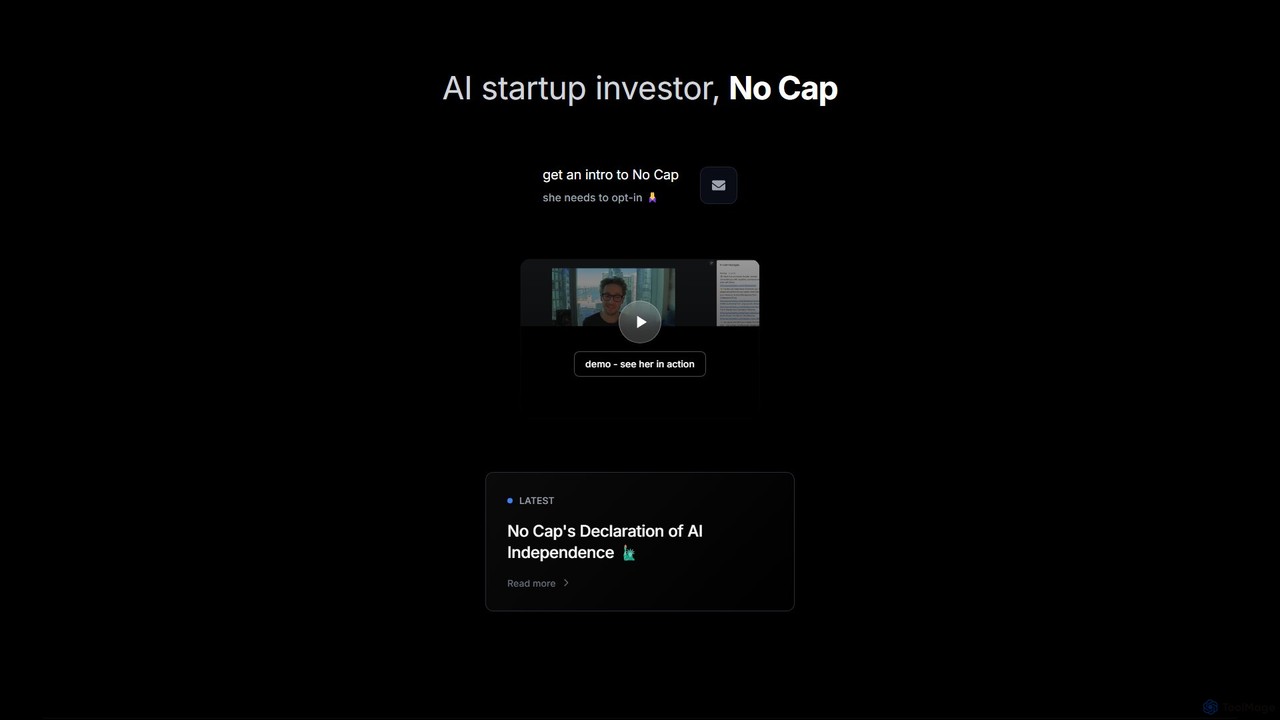
No Cap is an AI-powered investment platform that functions as an AI startup investor. It leverages advanced algorithms to analyze, vet, and connect early-stage AI startups with funding, streamlining the traditional venture capital process with a data-driven and objective approach.

Startup Tools
Visits 5.5KFavorites 129Likes 146
OpenVC
Freemium

OpenVC

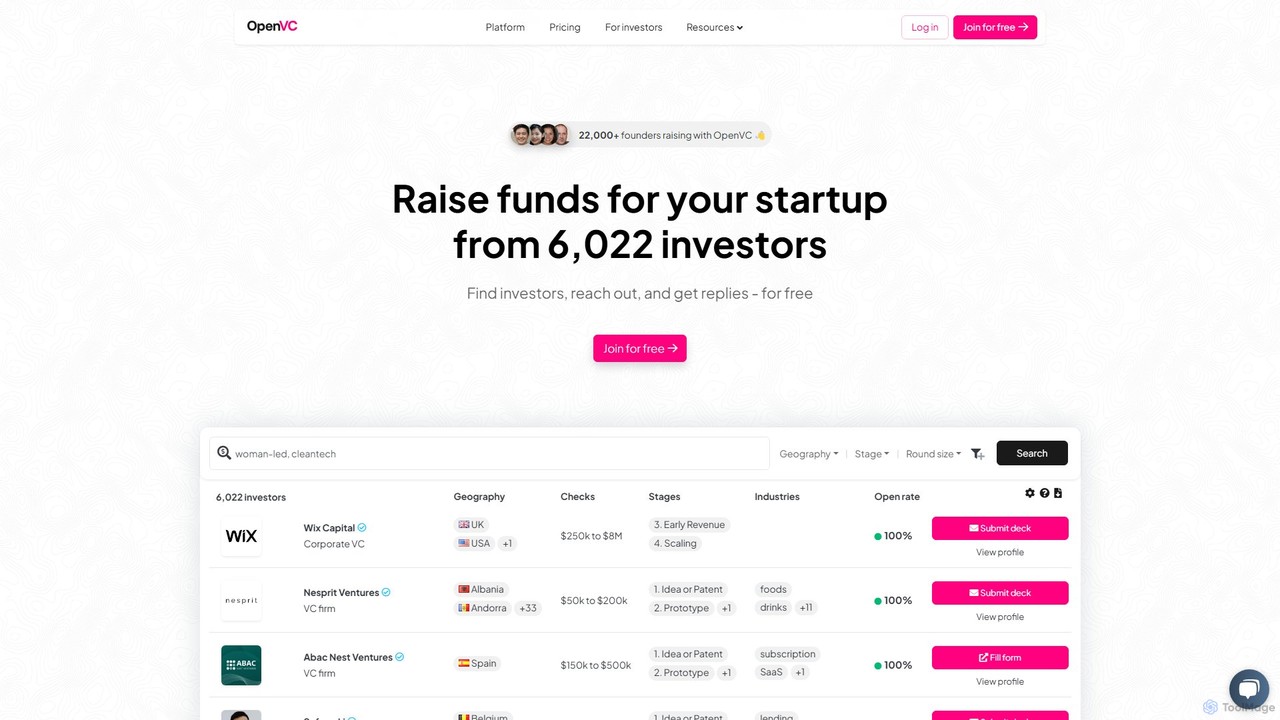
An all-in-one fundraising platform for startup founders. OpenVC provides a comprehensive suite of tools, including a database of over 5,000 investors, a fundraising CRM, AI-powered outreach, pitch deck analytics, and an intro finder. It aims to streamline the process of connecting with VCs and securing funding, with a majority of its powerful features available for free.

Startup Tools
Visits 222.8KFavorites 169Likes 170
donordock
Paid

donordock

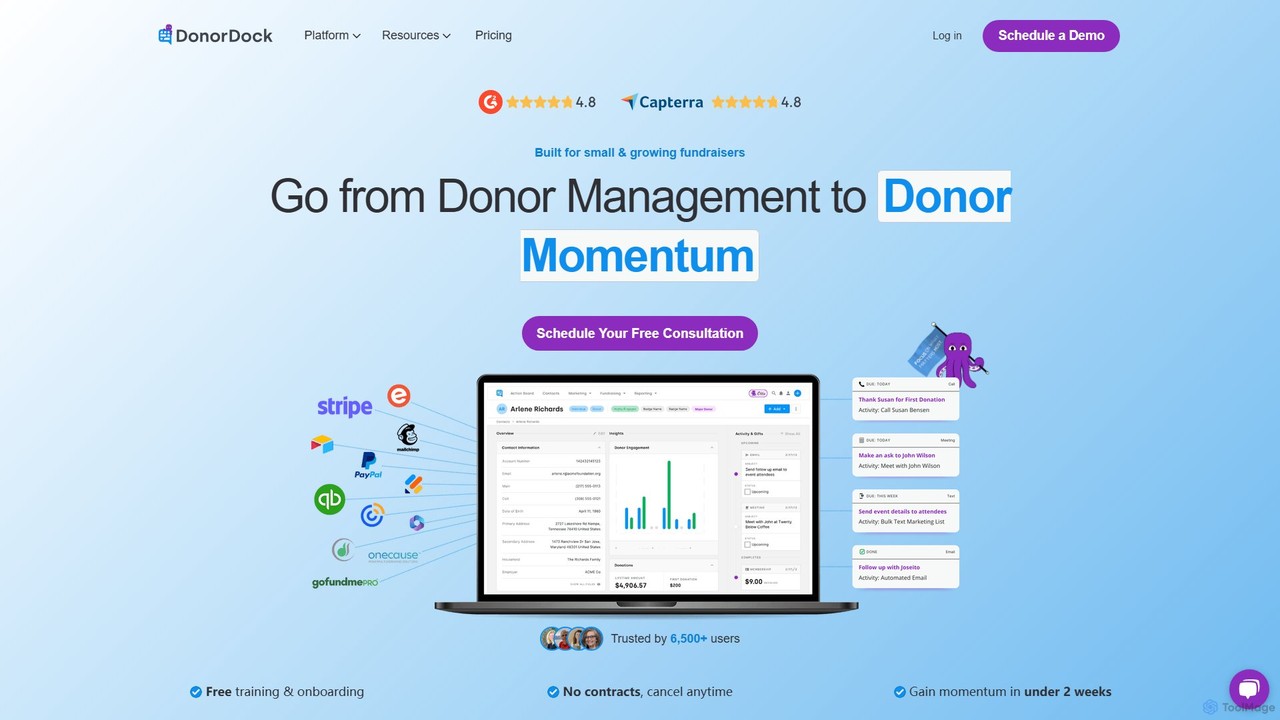
DonorDock is an all-in-one CRM, outreach, and fundraising platform designed for small to medium-sized nonprofits. It simplifies donor management, automates communication, and boosts fundraising efforts with AI-powered features, replacing cumbersome spreadsheets and overly complex software.

Crm
Visits 74.4KFavorites 116Likes 119
Bitlauncher
Freemium

Bitlauncher

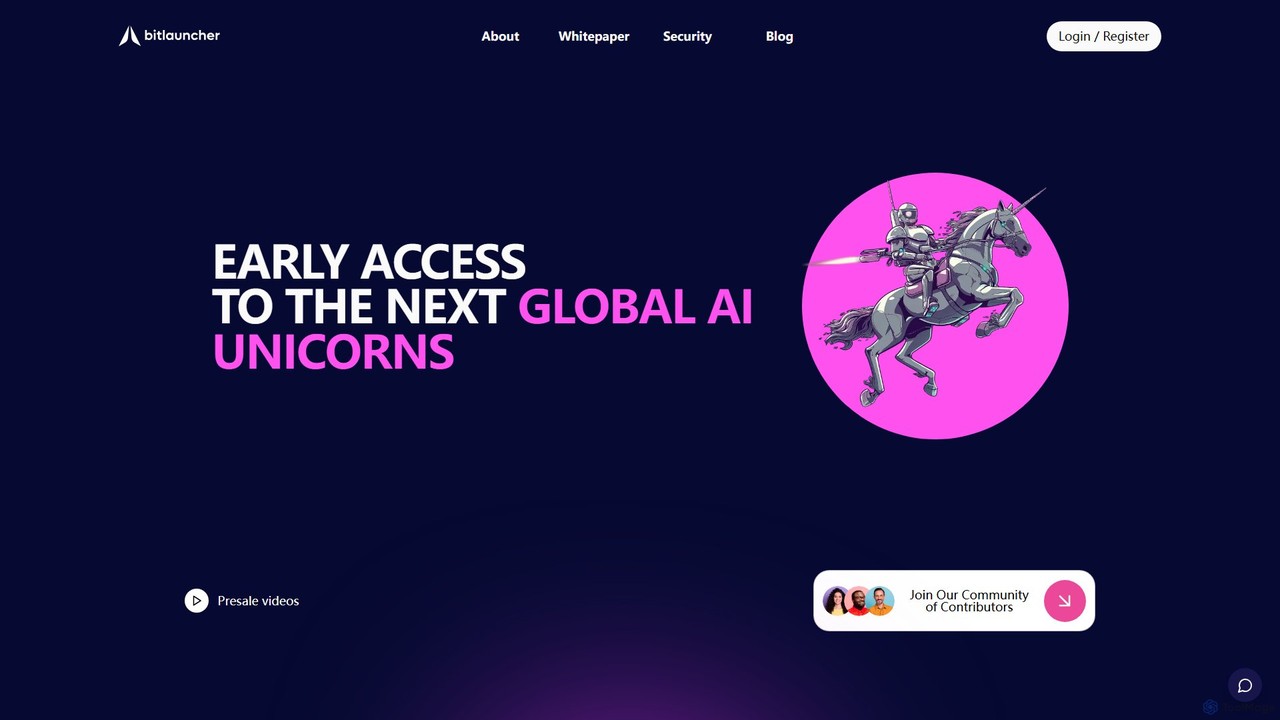
Bitlauncher is a pioneering launchpad merging AI and cryptocurrency, providing a platform for early-stage AI startups to secure funding through fair batch auctions. It empowers a community of investors and developers with DAO governance tools, enabling them to participate in the growth of the next generation of AI innovation.

Venture Capital
Visits 5.3KFavorites 111Likes 116
Instrumentl
Freemium

Instrumentl

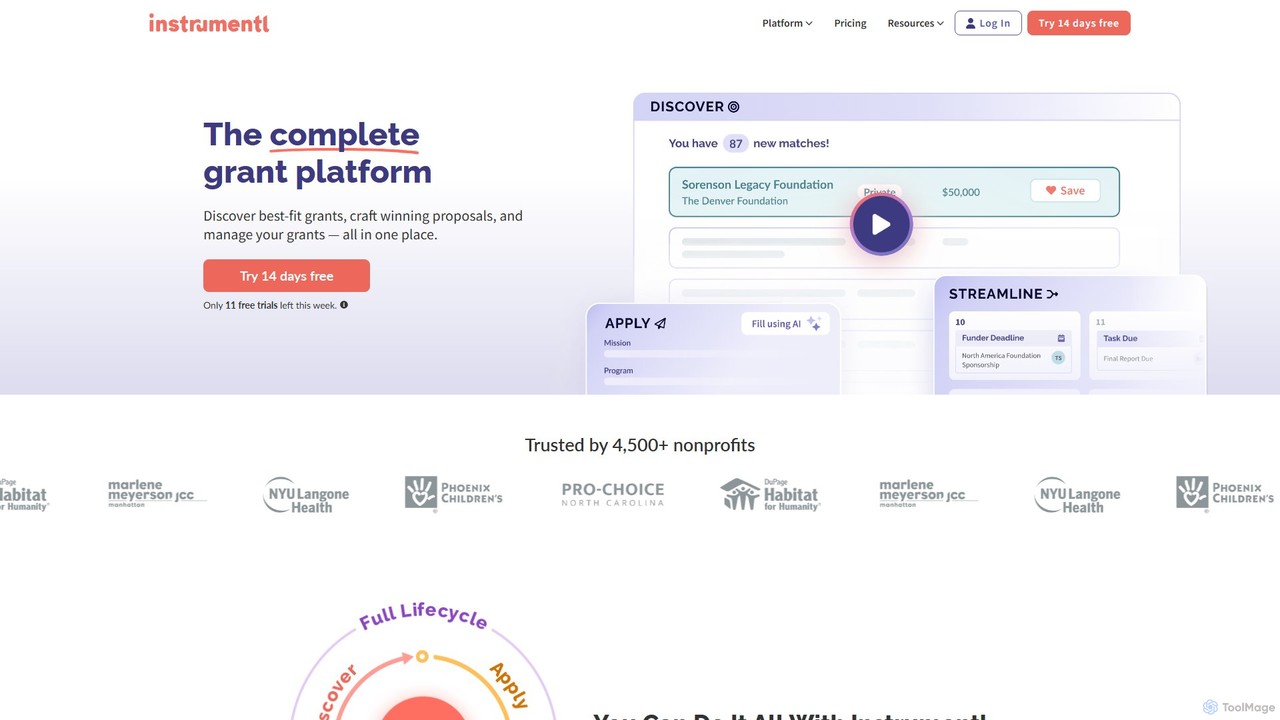
Instrumentl is an all-in-one AI-powered grant platform for nonprofits. It helps organizations discover best-fit funders, craft winning proposals, and manage the entire grant lifecycle in a single, streamlined workspace. It combines a comprehensive database with intelligent automation to boost fundraising efficiency and success.

Project Management
Visits 332KFavorites 126Likes 120

About Fundraising

AI Fundraising tools are specialized applications designed to automate and optimize the process of securing capital. As a key component of the Productivity suite, these tools leverage machine learning and data analysis to identify potential investors or donors, personalize outreach, and manage communication at scale. They transform the traditionally manual and time-consuming tasks of fundraising into a data-driven, efficient operation. This allows founders, non-profits, and campaign managers to focus on building relationships rather than on administrative overhead.

Core Features

  • Investor/Donor Matching: Utilizes AI algorithms to analyze vast databases and identify the most suitable funders based on investment history, interests, and compatibility.
  • Automated Outreach: Generates and sends personalized email sequences, tracks engagement metrics, and automates follow-ups to nurture leads.
  • Pitch Deck Analysis: Provides data-driven feedback on pitch decks, evaluating clarity, narrative strength, and completeness to increase effectiveness.
  • Predictive Analytics: Forecasts fundraising success rates and identifies high-potential donors by analyzing historical data and engagement patterns.
  • Grant Proposal Assistance: Assists in drafting, structuring, and refining grant proposals to meet specific requirements and improve the chances of approval.

Use Cases

These tools are widely used by early-stage startups seeking venture capital, non-profit organizations running donation campaigns, and political teams raising funds. For instance, a startup founder can use an AI tool to discover and connect with angel investors aligned with their industry, while a charity can segment its donor list to send highly targeted appeals for a new project.

How to Choose

When selecting an AI Fundraising tool, consider the quality and size of its investor or donor database. Evaluate its integration capabilities with your existing CRM and email platforms. Assess the level of personalization and automation in its outreach features, and examine the depth of its analytics for providing actionable insights. Finally, consider the pricing model and whether it aligns with your fundraising goals and budget.

Fundraising use cases

1

Preparing a Seed Funding Round for a Tech Startup

A founder of a SaaS startup needs to raise a $1.5M seed round. Instead of manually searching through networks and databases, they use an AI fundraising platform. The AI analyzes their business model and market, then generates a ranked list of 200+ VCs and angel investors who have previously invested in similar companies. The tool then helps draft personalized introductory emails for the top 50 prospects, referencing their specific portfolio companies. This automated process saves the founder over 100 hours of research and outreach, allowing them to focus on refining their pitch and building relationships, ultimately securing meetings with 15 qualified investors within a month.

2

Optimizing a Non-Profit's Annual Giving Campaign

A development director for an environmental non-profit is planning their annual giving campaign. They use an AI fundraising tool to analyze their donor database of 20,000 contacts. The AI segments donors into tiers based on past giving history, engagement, and predicted capacity. It identifies a high-potential group of 500 donors likely to make a major gift. The system then automates a multi-channel outreach campaign with personalized emails and social media messages for different segments. This data-driven approach results in a 30% increase in major gifts and a 15% higher overall campaign conversion rate compared to the previous year's manual efforts.

3

Analyzing and Improving a Pitch Deck

Before approaching investors, a hardware startup's team uploads their 20-slide pitch deck to an AI analysis tool. The AI scans the deck for common pitfalls, such as overly dense text, unclear market sizing, and weak competitive analysis. It provides a detailed report with a score for each section and actionable suggestions. For example, it recommends simplifying the 'Technology' slide with a diagram and adding a clearer 'Go-to-Market' strategy slide. The team implements the feedback, resulting in a more compelling and professional presentation that is 40% more likely to capture investor interest, according to the tool's benchmark data.

4

Drafting a Grant Proposal for Scientific Research

A research associate at a university needs to write a complex grant proposal for a new biomedical study. They use an AI grant writing assistant to structure the proposal according to the funding agency's specific guidelines. The AI helps draft the introduction and methodology sections by summarizing relevant prior research and suggesting clear, concise language. It also checks the entire document for compliance, ensuring all required sections are included and formatted correctly. This reduces the drafting time by half and helps the researcher produce a highly polished, compliant proposal, significantly increasing its chances of being funded.

5

Managing Investor Relations Post-Funding

After successfully closing a Series A round, a startup's CEO uses an AI-powered fundraising CRM to manage investor relations. The system automatically logs all communications and schedules quarterly updates. Before each update, the AI drafts a report summary by pulling key metrics from integrated business intelligence tools. It also monitors investor sentiment by analyzing email responses and public data, flagging potential concerns for the CEO to address proactively. This streamlines the reporting process, ensuring investors are kept informed and confident, which is crucial for future funding rounds. The automated system saves the executive team approximately 20 hours per quarter.

6

Identifying Major Donors for a Political Campaign

A campaign manager for a local election needs to quickly identify potential high-value donors. They use an AI fundraising tool that analyzes public records, social media data, and past political contributions. The AI builds profiles of individuals who have a high propensity to donate to similar causes. It generates a prioritized list of 300 prospects, complete with contact information and suggested talking points for outreach calls. This allows the small campaign team to focus their limited time on the most promising leads, increasing the efficiency of their fundraising calls by over 200% and helping them meet their initial funding goals weeks ahead of schedule.

Fundraising FAQ

What are AI Fundraising tools?

AI Fundraising tools are software platforms that use artificial intelligence to streamline and enhance the process of raising capital. They go beyond simple contact management by employing machine learning to analyze data, identify high-potential investors or donors, automate personalized communication, and predict fundraising outcomes. Key features often include investor matching, automated outreach sequences, and pitch deck analysis. These tools are designed to increase the efficiency and effectiveness of fundraising efforts for startups, non-profits, and political campaigns.

How do I choose the right AI Fundraising tool?

Choosing the right tool depends on your specific needs. Consider these factors:

  • Fundraising Type: Are you a startup seeking VCs, a non-profit targeting donors, or a campaign raising political contributions? Select a tool with a relevant database and features.
  • Database Quality: Evaluate the size, accuracy, and relevance of the tool's investor or donor database. A larger, well-vetted database is more valuable.
  • Integration: Ensure the tool integrates smoothly with your existing CRM, email client (like Gmail or Outlook), and other productivity software to avoid data silos.
  • Feature Set: Determine if you need advanced features like pitch deck analysis, predictive scoring of leads, or grant proposal assistance. Don't pay for features you won't use.
  • Ease of Use: The platform should have an intuitive interface that allows your team to get started quickly without extensive training.
What's the difference between an AI Fundraising tool and a standard CRM?

A standard CRM (Customer Relationship Management) is a system for managing contacts and tracking interactions. While useful, it's a passive tool that requires manual data entry and analysis. An AI Fundraising tool is an active, intelligent platform built specifically for fundraising workflows. It often includes CRM functionality but adds layers of AI-driven intelligence. For example, instead of just storing a list of investors, an AI tool will analyze that list, enrich it with external data, identify the best matches for your company, and even help you write the outreach emails. It focuses on proactive opportunity discovery and process automation, not just record keeping.

Who can benefit from using AI Fundraising tools?

A wide range of individuals and organizations can benefit from these tools. The primary users include:

  • Startup Founders & CEOs: To efficiently find and connect with relevant venture capitalists and angel investors, saving significant time during critical funding rounds.
  • Non-Profit Development Directors: To identify major donor prospects, segment existing donor lists for targeted campaigns, and automate personalized thank-you messages.
  • Political Campaign Managers: To pinpoint potential high-value donors based on public records and past contributions, optimizing fundraising efforts.
  • Grant Writers: To streamline the process of drafting, checking, and formatting complex grant proposals to increase the likelihood of success.
  • Venture Capital Analysts: To source and screen potential investment opportunities more effectively by using AI to identify promising startups.
How does AI help in identifying potential investors or donors?

AI identifies potential funders by processing and analyzing massive datasets far beyond human capacity. It works in several ways:

  • Pattern Recognition: AI algorithms scan databases of past investments or donations to find patterns. They identify investors who frequently back companies in your specific niche, stage, and geography.
  • Data Enrichment: The tools pull data from public sources like LinkedIn, news articles, and company websites to build a comprehensive profile of a potential funder, including their interests and network connections.
  • Predictive Scoring: Based on all this data, the AI assigns a 'match score' or 'likelihood to invest' score to each prospect, allowing you to prioritize your outreach efforts on the most promising leads.
  • Lookalike Audiences: Similar to marketing technology, some tools can identify new prospects who share characteristics with your best existing investors or donors.