ToolMage
Sign in

Best 5 Marketing Automation AI tools for Productivity

Popular Marketing Automation AI tools in Productivity include MOWA.ai, MolyPix.AI, Launch Forge Nine, Vibegrowing, and Brandmaven, helping you work more efficiently.

Vibegrowing

Vibegrowing

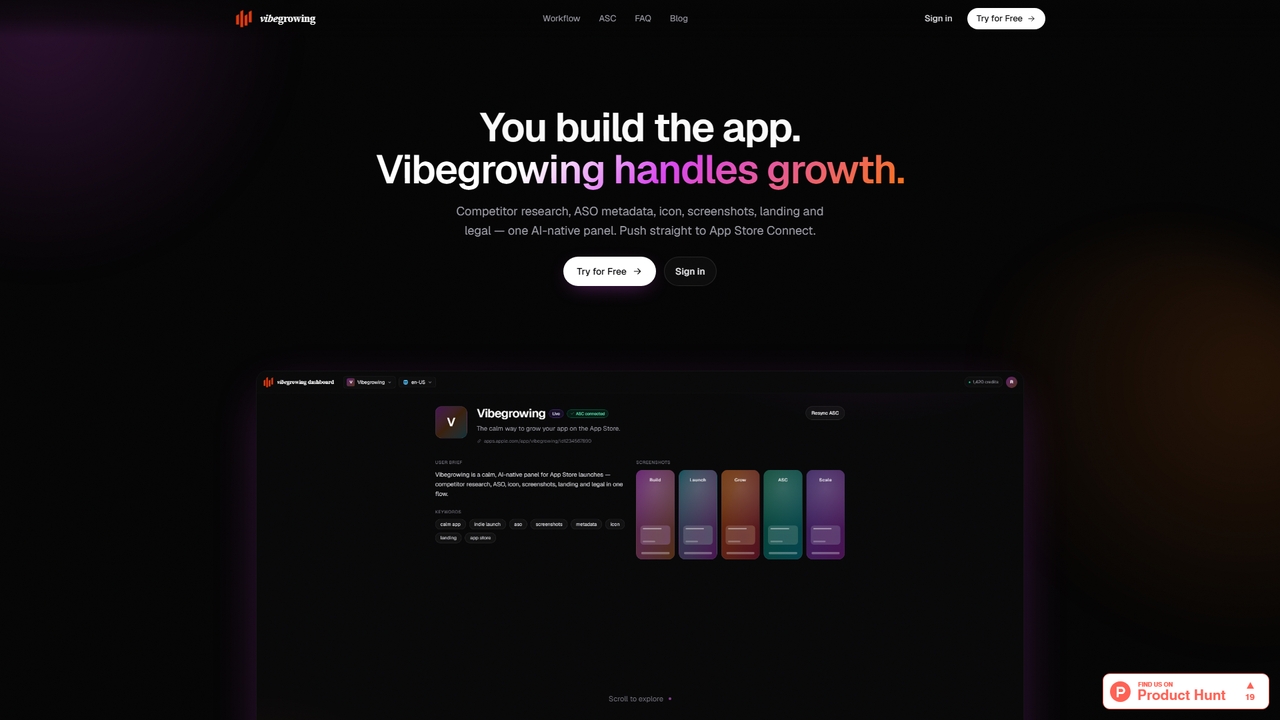
Vibegrowing is an AI-native growth platform for app developers that automates competitor research, ASO metadata creation, icon and screenshot generation, landing page building, and legal document creation, all integrated with App Store Connect.

Asset Generation
Visits 6KFavorites 28Likes 35
Brandmaven
Freemium

Brandmaven

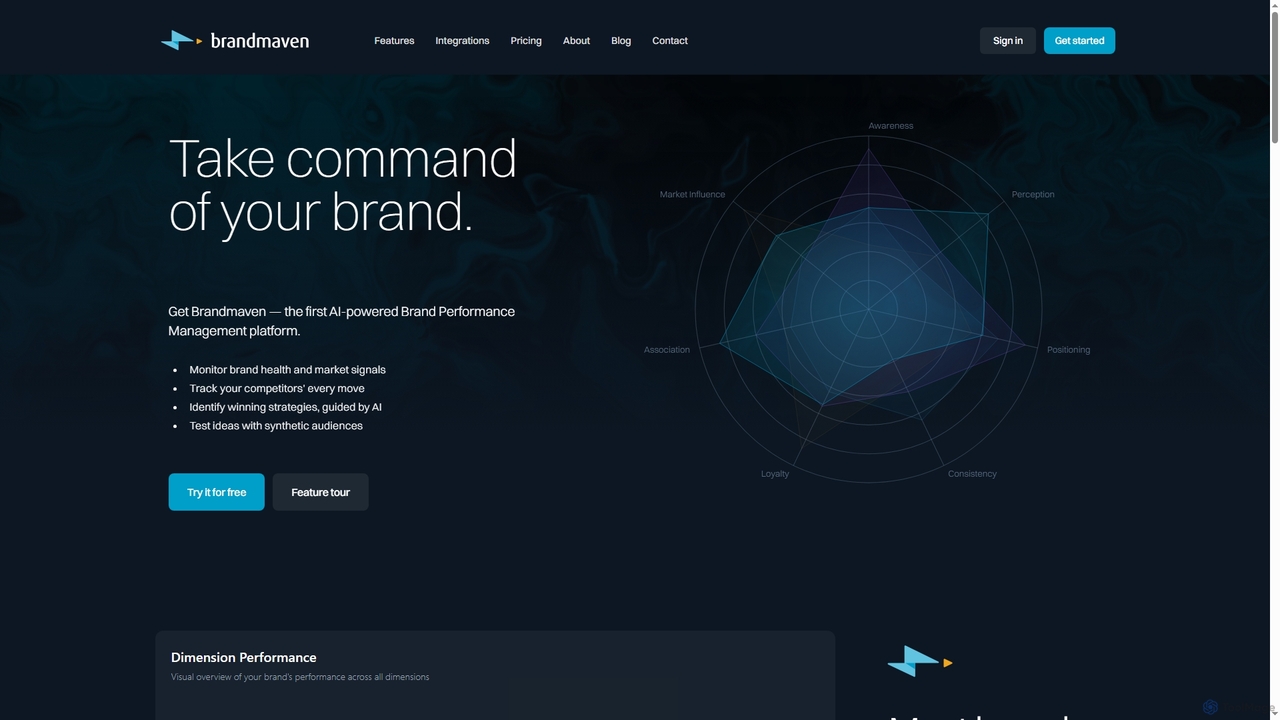
Brandmaven is the first AI-powered Brand Performance Management platform designed for marketing leaders, CMOs, and brand strategists. It offers real-time brand health monitoring, competitive intelligence, AI-guided strategic action plans, and synthetic audience testing. This tool transforms brand ambiguity into actionable insights, enabling faster, smarter decisions to improve brand KPIs and market influence.

Market Research
Visits 5.8KFavorites 117Likes 114
Launch Forge Nine

Launch Forge Nine

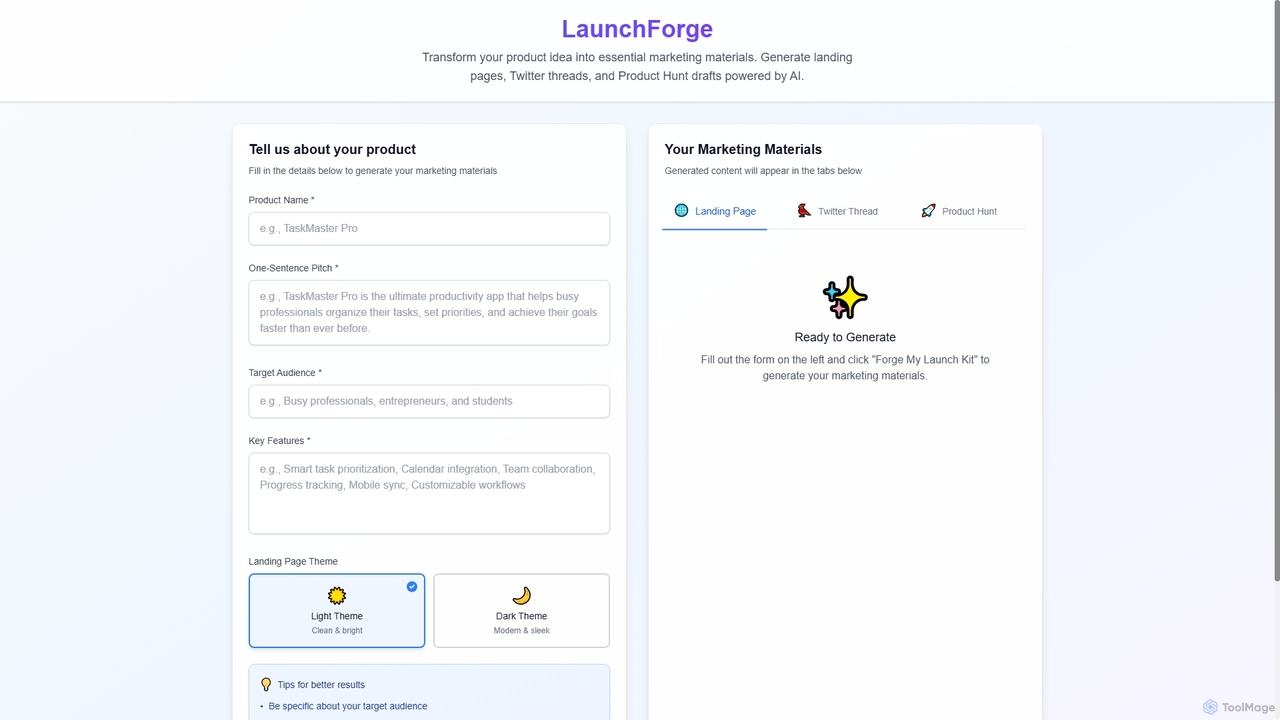
Launch Forge Nine is an AI-powered tool designed to rapidly generate comprehensive marketing materials for new products. It streamlines the launch process by creating landing pages, Twitter threads, and Product Hunt listings from a few key inputs, helping founders and marketers quickly prepare for their product debut.

Launch Tools
Visits 6.7KFavorites 100Likes 123
MOWA.ai
Freemium

MOWA.ai

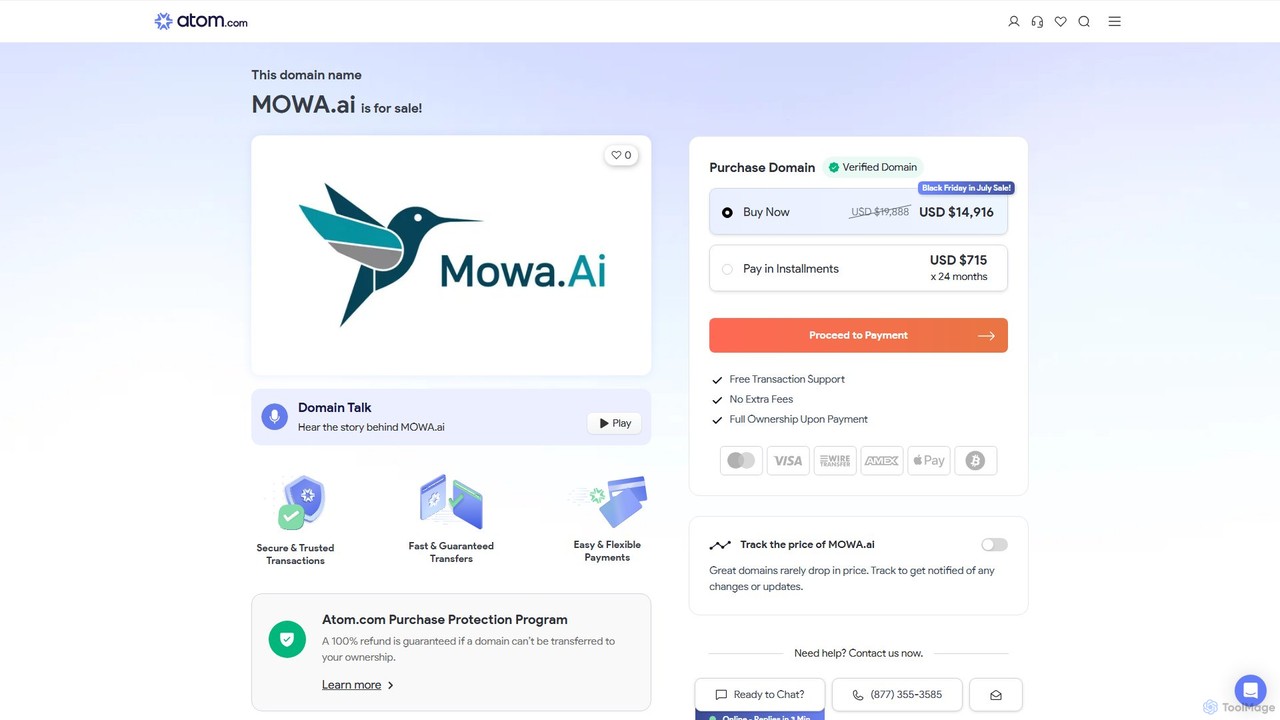
MOWA.ai is an AI-powered platform for automating mobile app and website optimization. It intelligently analyzes user behavior, automates A/B testing, and delivers personalized experiences to boost engagement, conversions, and user retention.

User Behavior
Visits 1.2MFavorites 107Likes 122
MolyPix.AI
Freemium

MolyPix.AI

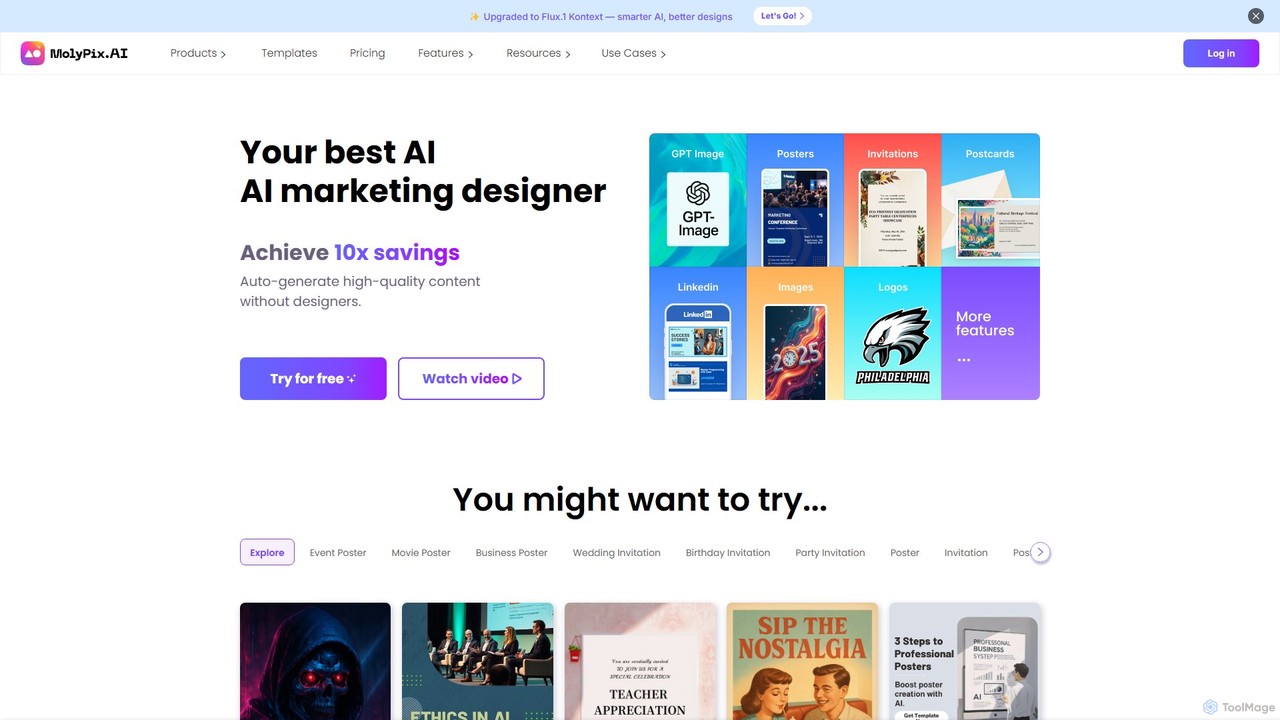
MolyPix.AI is an AI-powered graphic design tool that generates beautiful, fully editable, and text-accurate visuals in seconds. Ideal for marketers, small businesses, and content creators, it functions as a personal AI design team, offering extensive templates, a brand kit for consistency, and complete creative control without needing design expertise.

Graphic Design
Visits 68.3KFavorites 148Likes 138

About Marketing Automation

Marketing Automation tools are AI-powered platforms designed to streamline, automate, and measure marketing tasks and workflows. These systems use AI algorithms and customer data to deliver personalized messages and experiences across various channels like email, social media, and websites. By automating repetitive processes such as lead nurturing, customer segmentation, and campaign management, they enable marketing teams to focus on strategy and creativity. This approach significantly enhances marketing productivity and allows for scalable, data-driven engagement with audiences.

Core Features

  • Automated Workflows: Design and execute multi-step marketing campaigns based on user behavior, triggers, or time delays.
  • Lead Nurturing & Scoring: Automatically guide potential customers through the sales funnel and score their engagement to identify sales-ready leads.
  • AI-Powered Segmentation: Group audiences into dynamic segments based on demographics, purchase history, and predictive analytics for hyper-targeted communication.
  • Multi-Channel Campaign Management: Manage and automate marketing efforts across email, social media, SMS, and other digital channels from a single platform.
  • Performance Analytics: Utilize AI to track key metrics, generate in-depth reports, and provide insights into campaign ROI and customer behavior.

Use Cases

Marketing Automation tools are essential for B2B and B2C companies of all sizes. They are widely used by digital marketing teams, e-commerce managers, and sales departments to manage the entire customer lifecycle. Common applications include running welcome email series for new subscribers, recovering abandoned shopping carts with targeted offers, and scheduling a month's worth of social media content in advance.

How to Choose

When selecting a Marketing Automation tool, first consider its integration capabilities with your existing CRM, e-commerce platform, and other software. Evaluate the scalability of the platform to ensure it can support your growing contact list and business needs. Assess the range of features offered, such as the sophistication of the workflow builder and the channels it supports. Finally, consider the user interface's ease of use and the provider's customer support quality.

Marketing Automation use cases

1

Automated Email Nurturing for New Leads

A B2B marketing manager uses a marketing automation tool to handle new leads from a whitepaper download. Once a user submits their email, the system automatically triggers a pre-designed sequence of five emails over two weeks. The sequence starts with a thank-you note, followed by emails sharing related case studies, blog posts, and finally an invitation for a product demo. This process warms up leads systematically without manual intervention, increasing the conversion rate of marketing qualified leads to sales qualified leads.

2

E-commerce Abandoned Cart Recovery

An e-commerce manager sets up an abandoned cart workflow to recover lost sales. When a customer adds items to their cart but leaves without purchasing, the automation tool waits for a set period (e.g., one hour) and then sends a reminder email. If the purchase is still not completed, a second email with a small discount code is sent 24 hours later. This automated sequence helps recapture a significant portion of potential revenue by re-engaging customers at critical moments with personalized incentives.

3

Cross-Platform Social Media Campaign Scheduling

A social media manager for a retail brand plans a week-long promotional campaign. Using a marketing automation platform, they schedule a series of coordinated posts across Facebook, Instagram, and Twitter. The tool's AI suggests the optimal posting times for each platform to maximize engagement. It also automatically adds relevant hashtags based on the post's content. This centralizes content management, ensures consistent messaging, and frees up the manager's time from manual posting to focus on community engagement and performance analysis.

4

Dynamic Customer Segmentation for Targeted Promotions

A digital marketing specialist for an online course provider wants to run a targeted promotion. Instead of sending a generic email blast, they use the automation tool's AI to create dynamic segments. The AI analyzes data like course completion rates, login frequency, and past purchases to group users into segments such as 'Highly Engaged', 'At-Risk of Churn', and 'Potential Upsell'. Each segment then receives a tailored email campaign: a new advanced course offer for the engaged group, and a special discount to re-engage the at-risk group, leading to higher conversion rates.

5

Automated Lead Scoring and Routing to Sales

In a SaaS company, the sales operations team implements an automated lead scoring system. The marketing automation tool assigns points to leads based on their profile (e.g., job title, company size) and behavior (e.g., visiting the pricing page, opening emails, attending a webinar). When a lead's score crosses a predefined threshold, indicating they are sales-ready, the system automatically creates a task in the CRM and assigns the lead to the appropriate sales representative. This ensures that the sales team focuses their efforts on the most promising leads, improving efficiency and shortening the sales cycle.

6

Automating Webinar and Event Follow-ups

An event coordinator uses marketing automation to manage post-webinar communications. They create a workflow that segments registrants into two groups: 'attended' and 'did not attend'. After the webinar, the system automatically sends a 'thank you' email with a link to the recording to attendees. The other group receives a 'sorry we missed you' email, also with the recording link, encouraging them to watch it on-demand. This ensures timely and relevant follow-up for all registrants, maximizing the event's lead generation value with minimal manual effort.

Marketing Automation FAQ

What is Marketing Automation?

Marketing Automation refers to software platforms and technologies designed to automate repetitive marketing tasks. These tools help manage marketing processes and campaigns across multiple channels automatically. Core functions include email marketing, social media posting, lead nurturing, and customer segmentation. The primary goal is to deliver personalized content to the right people at the right time, increasing efficiency and improving the effectiveness of marketing efforts.

How to choose the right Marketing Automation tool?

Choosing the right tool depends on your specific needs. Consider these factors:

  • Integrations: Ensure it connects seamlessly with your existing tools, such as your CRM, e-commerce platform, or analytics software.
  • Features: Identify your must-have features. Do you need advanced email workflows, social media scheduling, SMS marketing, or lead scoring?
  • Scalability: Select a platform that can grow with your business, both in terms of contact list size and feature complexity.
  • Ease of Use: Evaluate the user interface. A tool with a steep learning curve can hinder your team's productivity.
  • Pricing: Compare pricing models (e.g., per contact, per email sent) and ensure it fits your budget.
What's the difference between Marketing Automation and Email Marketing tools?

Email Marketing tools are primarily focused on sending emails, whether as one-time campaigns or simple autoresponders. Marketing Automation platforms are much broader. While they include robust email marketing capabilities, they also manage multi-channel campaigns (social, SMS), provide advanced segmentation, score leads based on behavior, and integrate deeply with CRM systems to manage the entire customer journey, not just email communication.

Who should use Marketing Automation tools?

Marketing Automation is valuable for a wide range of businesses and roles. Small businesses can use it to save time and compete with larger companies. B2B marketers rely on it for lead nurturing and scoring. E-commerce businesses use it for abandoned cart recovery and personalized promotions. Large enterprises leverage it to manage complex, multi-channel campaigns at scale. Essentially, any organization looking to improve marketing efficiency, personalize communication, and generate more qualified leads can benefit.

How does AI enhance Marketing Automation?

AI elevates traditional marketing automation from rule-based actions to intelligent, predictive engagement. Instead of just following 'if-then' logic, AI can:

  • Predict Customer Behavior: Forecast which customers are likely to churn or make a purchase.
  • Optimize Send Times: Determine the optimal time to send an email to each individual for maximum open rates.
  • Dynamic Segmentation: Automatically group users based on complex behavioral patterns, not just simple tags.
  • Personalize Content: Suggest or automatically generate content and product recommendations tailored to each user.
  • Provide Deeper Insights: Analyze campaign data to uncover trends and provide actionable recommendations for improvement.