Productivity Best in category 7 results Risk Management AI Tool

Popular AI tools in the Risk Management field of Productivity include Adversa AI、Responsible AI Institute、Prewave、Robust Intelligence、Trusenta、Infis AI、Conrad AI, etc., helping you quickly improve efficiency.

Trusenta

Trusenta

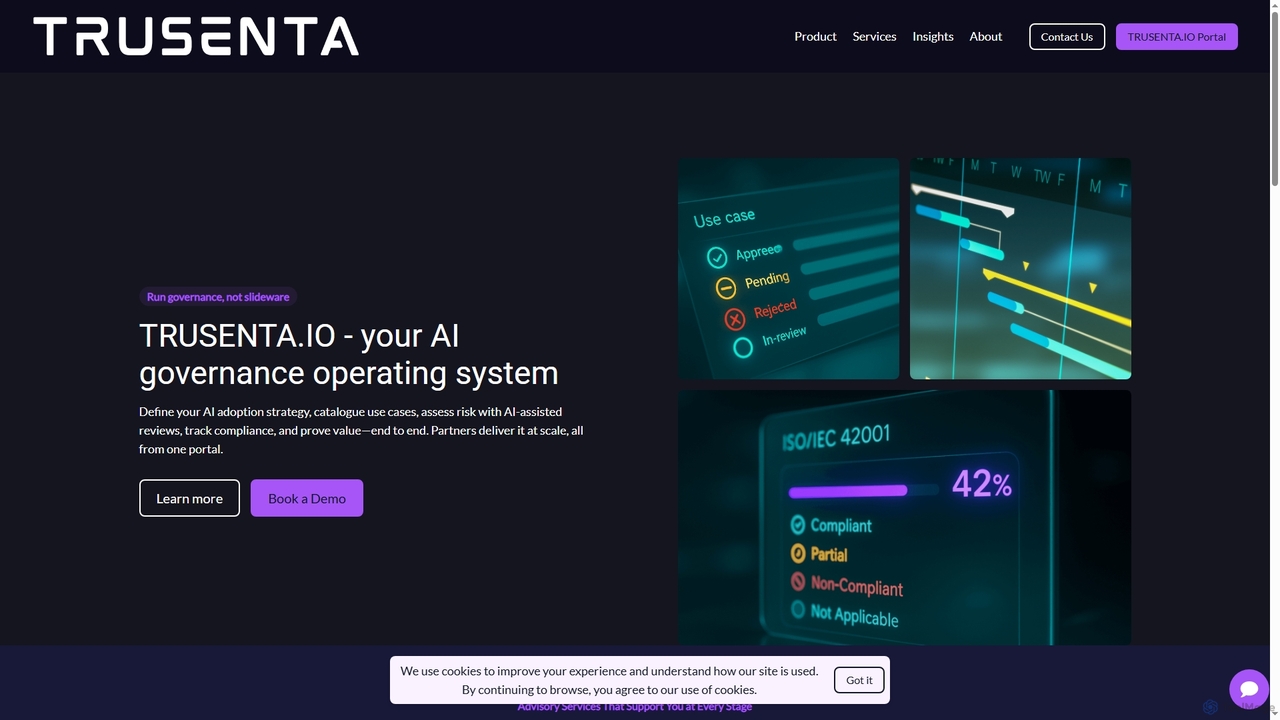
Trusenta provides an AI governance operating system (Trusenta.io) and expert consulting services to help organizations adopt AI strategically, …

4.6K
Free
Conrad AI

Conrad AI

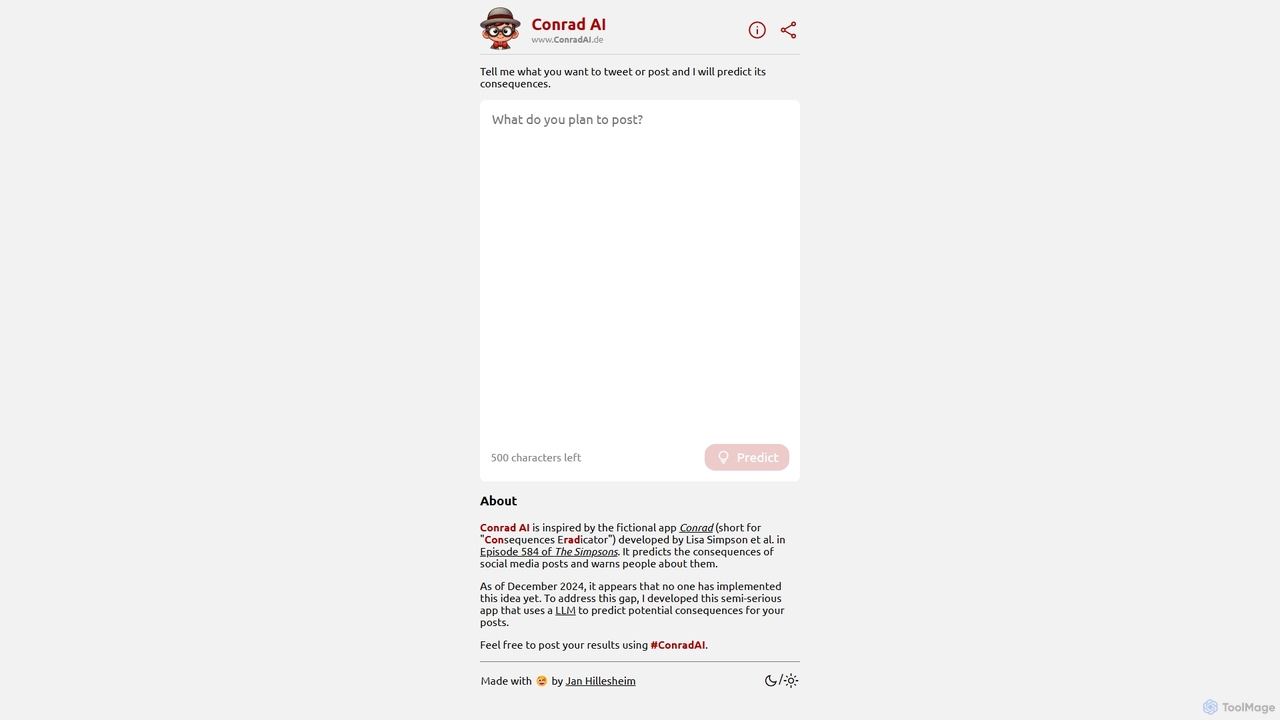
Conrad AI is a predictive analytics tool that uses AI to forecast the potential consequences of your social …

3.0K
Prewave

Prewave

Prewave is an AI-powered platform for supply chain risk management. It provides real-time monitoring, predictive analytics, and automated …

14.1K
Responsible AI Institute

Responsible AI Institute

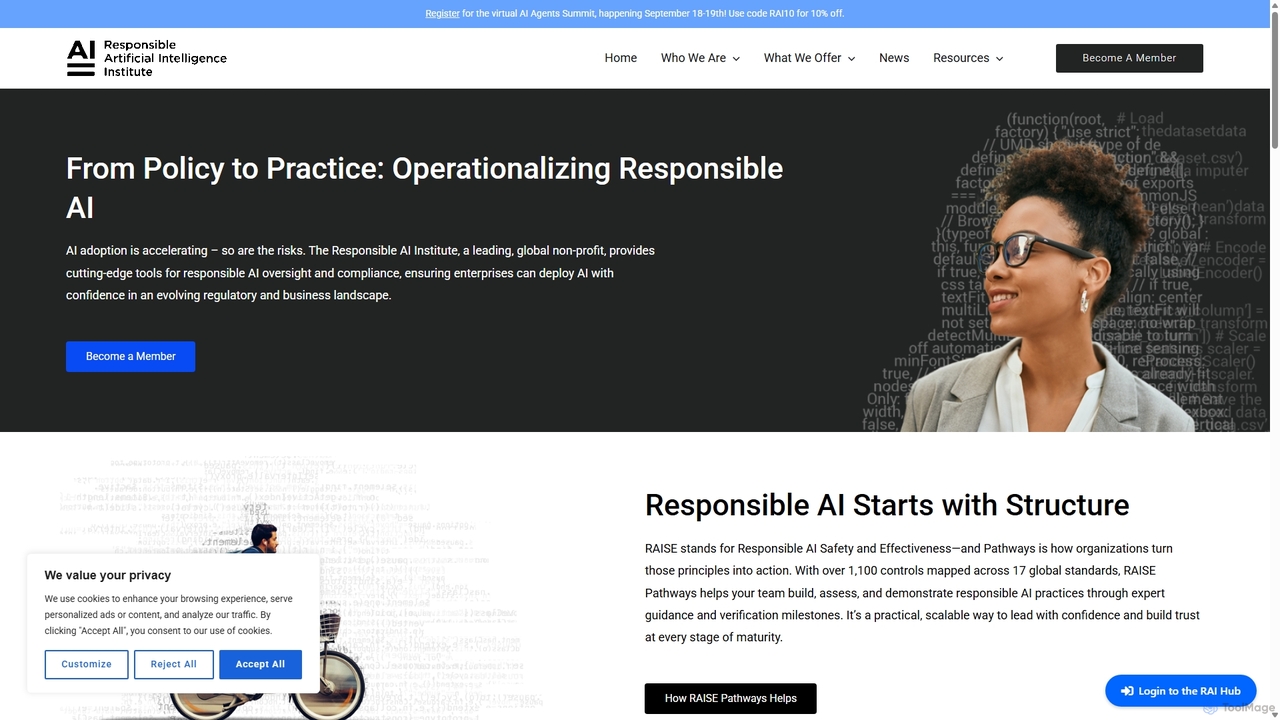
The Responsible AI Institute is a global non-profit providing tools, frameworks, and independent assessments for enterprises to build, …

26.0K
Adversa AI

Adversa AI

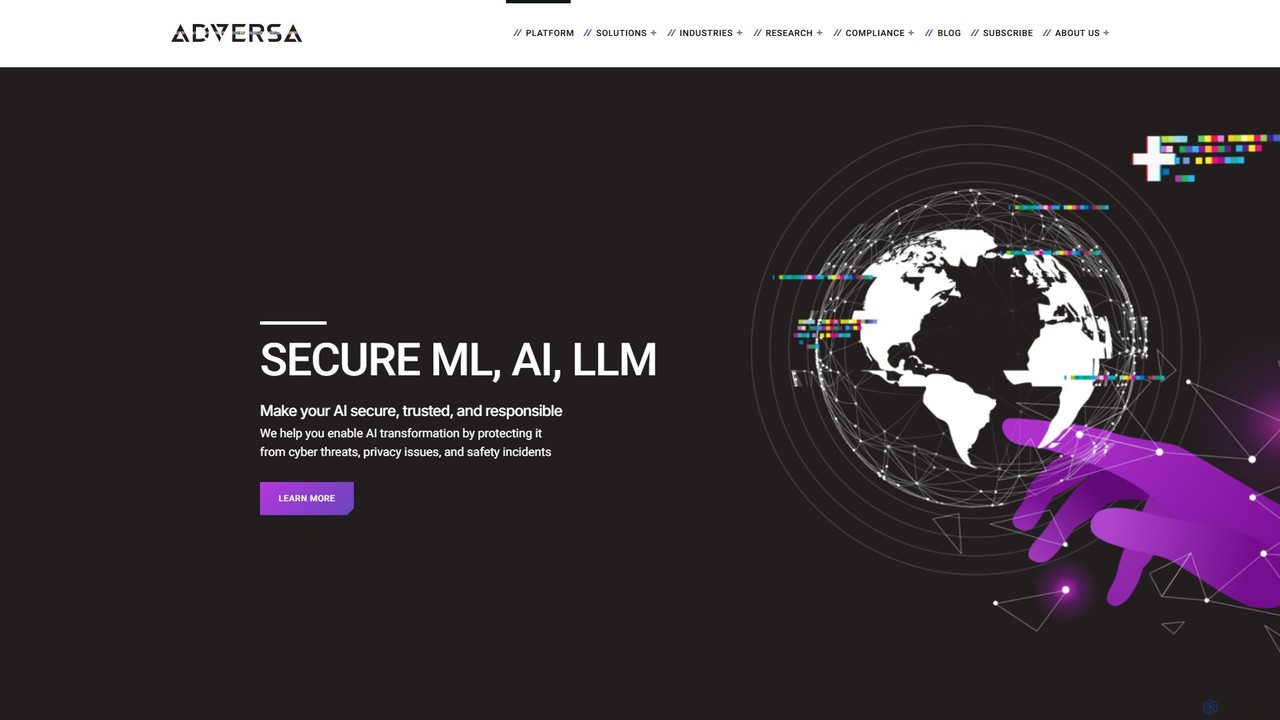
Adversa AI is a leading AI security platform specializing in making AI, ML, and LLM systems secure, trusted, …

42.0K
Robust Intelligence

Robust Intelligence

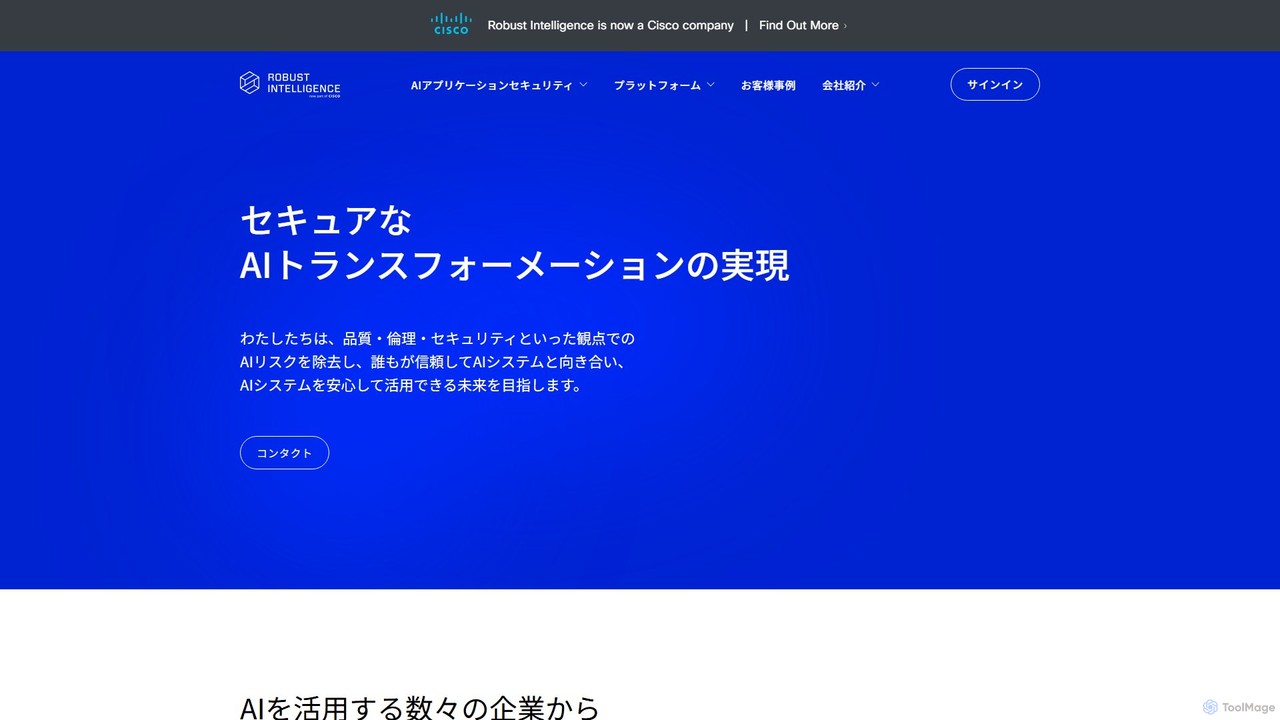
Robust Intelligence, now a Cisco company, is an end-to-end AI risk management platform. It secures AI models throughout …

4.8K
Infis AI

Infis AI

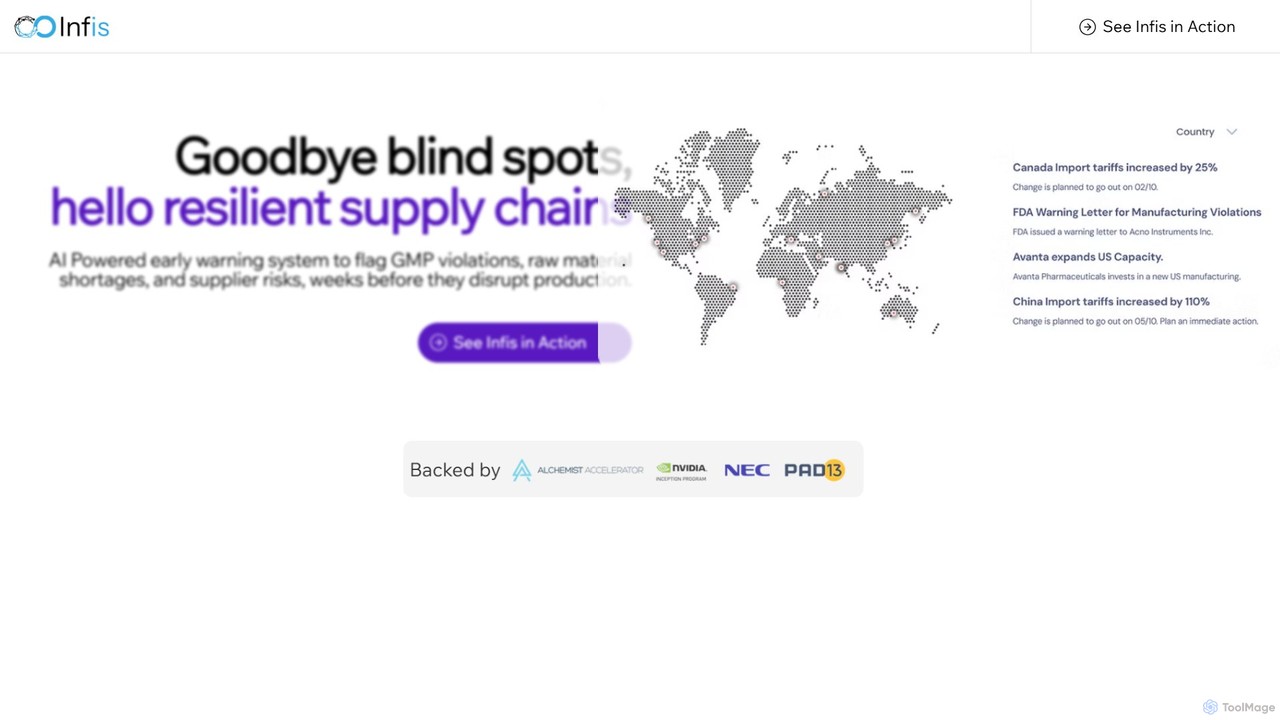
Infis AI is an AI-powered supplier risk management platform designed to create resilient supply chains. It provides an …

4.4K

About Risk Management

AI Risk Management tools are advanced solutions that leverage artificial intelligence to identify, assess, monitor, and mitigate potential risks across various business operations. They utilize machine learning, predictive analytics, and data processing to analyze vast datasets for anomalies and patterns. These tools enhance an organization's ability to proactively manage threats, ensure compliance, and safeguard assets, thereby significantly improving decision-making within the broader productivity landscape. By automating complex analysis, they provide real-time insights and strengthen organizational resilience.

Core Features

  • Predictive Risk Modeling: Forecasts potential future risks based on historical data and current trends.
  • Anomaly Detection: Identifies unusual patterns or deviations in data that may indicate emerging threats.
  • Compliance Monitoring: Automatically checks operations against regulatory requirements and internal policies.
  • Threat Intelligence Integration: Gathers and analyzes external threat data to inform internal risk assessments.
  • Automated Reporting: Generates comprehensive risk reports and dashboards, streamlining communication.

Use Cases

Financial institutions use them to detect fraudulent transactions and assess credit risk. Cybersecurity teams deploy them to identify vulnerabilities and predict attack vectors. Operational managers leverage them for supply chain disruption forecasting and quality control across various industries.

How to Choose

When selecting an AI Risk Management tool, ensure it addresses your specific risk types (e.g., financial, operational, cybersecurity). Consider its integration capabilities with existing enterprise systems (ERPs, CRM, security platforms). Evaluate the tool's ability to process and derive deep insights from diverse, large-scale datasets, alongside its customization and scalability to adapt to organizational growth and unique business processes.

Risk ManagementUse Cases

1

Automated Fraud Detection in Finance

Financial institutions utilize AI risk management tools to continuously monitor transaction data, identifying suspicious patterns and anomalies indicative of fraud. This proactive approach helps prevent financial losses, reduces manual review efforts, and enhances the security of customer accounts by flagging high-risk activities in real-time, leading to a significant reduction in fraudulent transactions.

2

Predictive Cybersecurity Threat Analysis

Cybersecurity teams deploy AI risk management tools to analyze network traffic, system logs, and threat intelligence feeds, predicting potential cyber-attacks and vulnerabilities before they materialize. This enables organizations to strengthen defenses, prioritize patching efforts, and respond to emerging threats more rapidly, minimizing breach impact and enhancing overall security posture.

3

Supply Chain Disruption Forecasting

Manufacturing and logistics companies leverage AI risk management to analyze global events, supplier performance data, and market trends, predicting potential disruptions in their supply chains. This allows for proactive contingency planning, diversification of suppliers, and optimization of inventory levels to maintain operational continuity and minimize financial losses from unforeseen events.

4

Regulatory Compliance Monitoring

Organizations in highly regulated industries utilize AI tools to continuously monitor internal processes, employee activities, and data handling practices against evolving regulatory requirements (e.g., GDPR, HIPAA). The tools automatically flag non-compliant actions, generate audit trails, and ensure adherence to legal and ethical standards, significantly reducing fines and reputational damage.

5

Credit Risk Assessment for Lending

Banks and lending institutions employ AI risk management platforms to evaluate loan applicants' creditworthiness more accurately and efficiently. By analyzing vast amounts of financial data, behavioral patterns, and alternative data sources, these tools provide more nuanced risk scores, leading to better lending decisions, reduced default rates, and optimized portfolio management.

6

Operational Risk Identification in Manufacturing

Industrial companies use AI to monitor sensor data from machinery, production line performance, and maintenance records to identify potential operational failures or inefficiencies. This predictive maintenance capability helps prevent costly downtime, optimizes resource allocation, improves overall production quality and safety, and ensures smoother, more productive manufacturing processes.

Risk ManagementFrequently Asked Questions