Social Media Best in category 2 results Reputation Management AI Tool

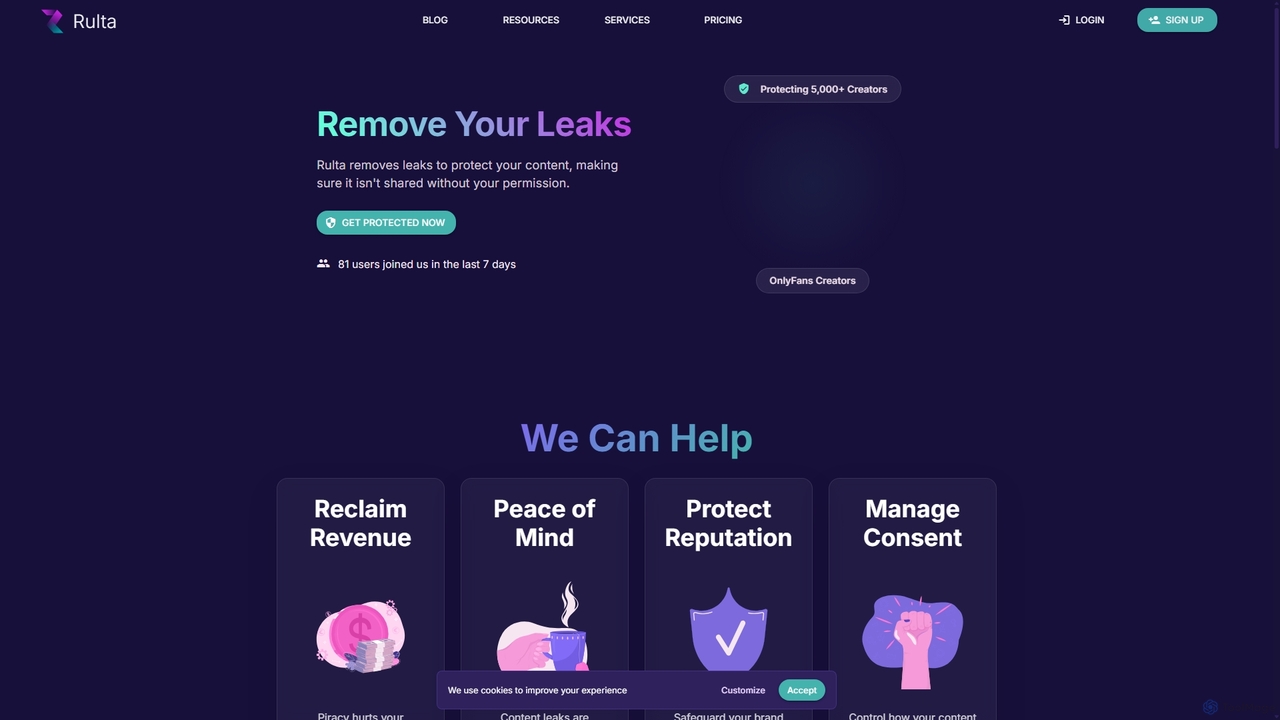
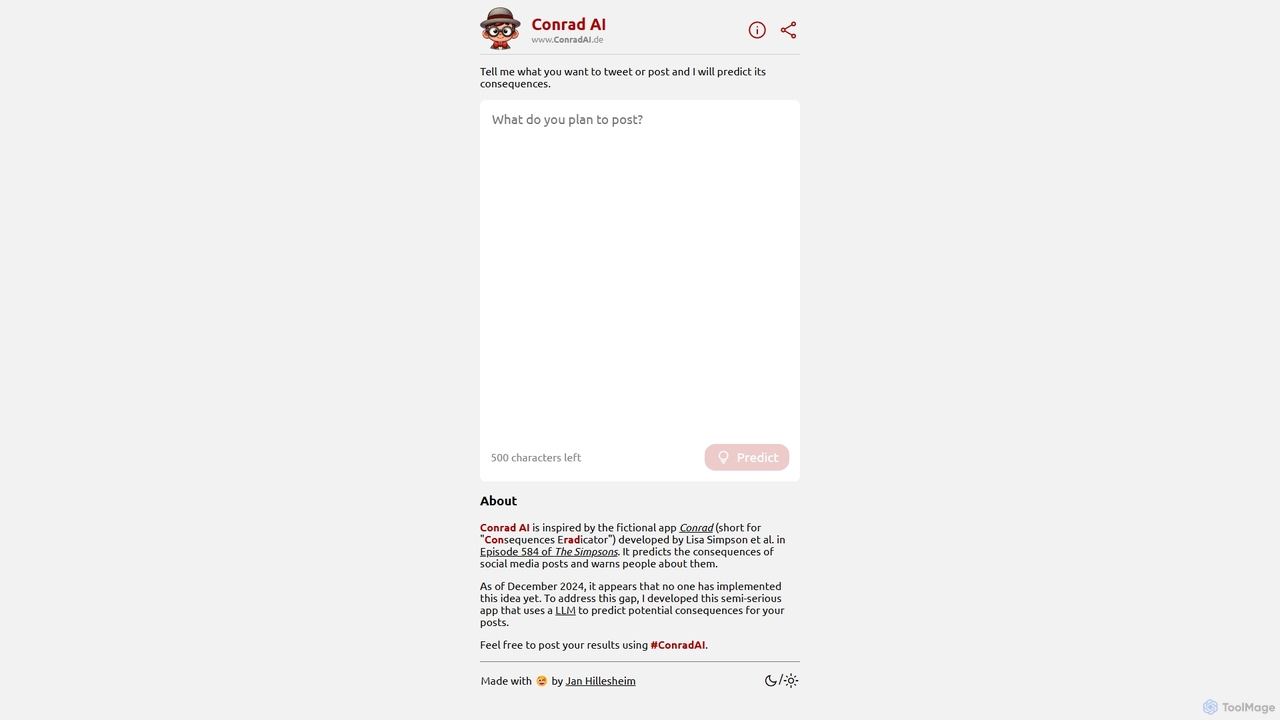
Popular AI tools in the Reputation Management field of Social Media include Rulta、Conrad AI, etc., helping you quickly improve efficiency.

Free
Conrad AI

Conrad AI

Conrad AI is a predictive analytics tool that uses AI to forecast the potential consequences of your social …

3.2K
Rulta

Rulta

Rulta is an AI-powered DMCA takedown service for content creators. It combines 24/7 automated scanning with expert human …

70.7K

About Reputation Management

AI Reputation Management tools are a specialized class of software designed to monitor, analyze, and influence the public perception of a brand, individual, or product online. Leveraging artificial intelligence, particularly natural language processing (NLP), these tools automatically track mentions across social media, news sites, forums, and review platforms. They provide actionable insights by analyzing sentiment, identifying key themes, and detecting potential PR crises in real-time. This proactive approach allows users to protect and enhance their digital reputation by engaging with feedback and managing online narratives effectively.

Core Features

  • Sentiment Analysis: Automatically categorizes online mentions as positive, negative, or neutral to gauge public opinion.
  • Multi-Platform Monitoring: Tracks brand mentions across a wide range of sources including social media, news outlets, blogs, and review sites.
  • Crisis Detection & Alerts: Uses AI to identify sudden spikes in negative mentions or viral content, providing real-time alerts for rapid response.
  • Review Management: Aggregates customer reviews from various platforms into a single dashboard for streamlined responding.
  • Automated Reporting: Generates comprehensive reports on reputation metrics, sentiment trends, and key conversation drivers.

Use Cases

These tools are essential for public relations agencies, corporate communications teams, marketing departments, and small business owners. They are used to manage brand health, handle customer feedback, mitigate negative publicity, and track the impact of marketing campaigns on public perception. Public figures and executives also use them to monitor their personal brand online.

How to Choose

When selecting an AI Reputation Management tool, consider the breadth of its source monitoring (does it cover crucial industry forums or review sites?). Evaluate the accuracy of its sentiment analysis and its language support. Also, assess its alerting capabilities, integration options with other tools like CRMs, and the clarity of its reporting dashboards. Finally, match the tool's feature set and pricing to your specific business scale and needs.

Reputation ManagementUse Cases

1

Manage Online Reviews for a Local Business

A restaurant owner uses an AI Reputation Management tool to consolidate customer feedback. The tool aggregates reviews from Google Maps, Yelp, and TripAdvisor into one dashboard. Using AI-powered sentiment analysis, the owner quickly identifies negative reviews that require immediate attention. They can use AI-generated response suggestions to draft empathetic and professional replies, turning a negative experience into a positive one. This process helps improve their online rating, attract more customers, and build a reputation for excellent customer service, all while saving hours of manual monitoring each week.

2

Monitor Corporate Brand Health in Real-Time

A communications manager at a global tech company uses an AI tool to monitor brand health. The system continuously scans news articles, financial blogs, and social media platforms for mentions of the company and its executives. AI algorithms detect shifts in public sentiment and identify emerging negative narratives. When a misleading news story starts gaining traction, the tool sends an instant alert to the PR team. This allows them to issue a clarification swiftly, contact journalists, and manage the narrative before it escalates into a major crisis, thereby protecting shareholder value and brand integrity.

3

Mitigate PR Crises for Public Figures

A public relations team for a high-profile celebrity uses an AI reputation tool for proactive crisis management. The tool is configured to send high-priority alerts for any unusual spike in negative mentions or the appearance of specific sensitive keywords linked to their client. When a false rumor begins to spread on social media, the system flags it within minutes. The PR team receives an alert with source links and an analysis of its reach, allowing them to immediately implement their crisis communication strategy, issue a statement, and counter the misinformation before it dominates the news cycle.

4

Analyze Feedback After a Product Launch

A product marketing manager uses a reputation tool to gauge public reaction to a new software release. The tool monitors tech forums, social media channels like Twitter and Reddit, and product review sites for mentions of the new product. The AI dashboard categorizes feedback into themes such as 'pricing', 'UI/UX issues', and 'feature requests'. This allows the manager to quickly identify the most talked-about aspects and common pain points without manually reading thousands of comments. They can then generate a report with quantitative data on sentiment and qualitative insights to share with the development team for future improvements.

5

Track Competitor Reputation and Strategy

A competitive intelligence analyst for an e-commerce brand sets up monitoring for their top three competitors. The AI tool tracks the competitors' brand mentions, customer reviews, and sentiment trends. The analyst discovers through sentiment analysis that a key competitor is receiving widespread complaints about slow shipping. This insight allows their company to launch a targeted marketing campaign highlighting their own fast and reliable delivery service. By monitoring competitor weaknesses, the company can strategically position itself as a better alternative and capture market share.

6

Generate Reputation Reports for Agency Clients

A digital marketing agency manages the online reputation for multiple clients. They use an AI tool to automate the reporting process. For each client, the tool generates a monthly PDF report that includes key metrics like share of voice, overall sentiment score, sentiment trends over time, and top positive and negative mentions. The AI also identifies key conversation themes and influential authors discussing the brand. This automated report saves the account managers dozens of hours per month and provides clients with a clear, data-driven overview of their online reputation and the agency's impact.

Reputation ManagementFrequently Asked Questions