ToolMage
Sign in

Best 1 Audience Engagement AI tools for Social Media

Popular Audience Engagement AI tools in Social Media include MindRoomAI, helping you work more efficiently.

MindRoomAI
Freemium

MindRoomAI

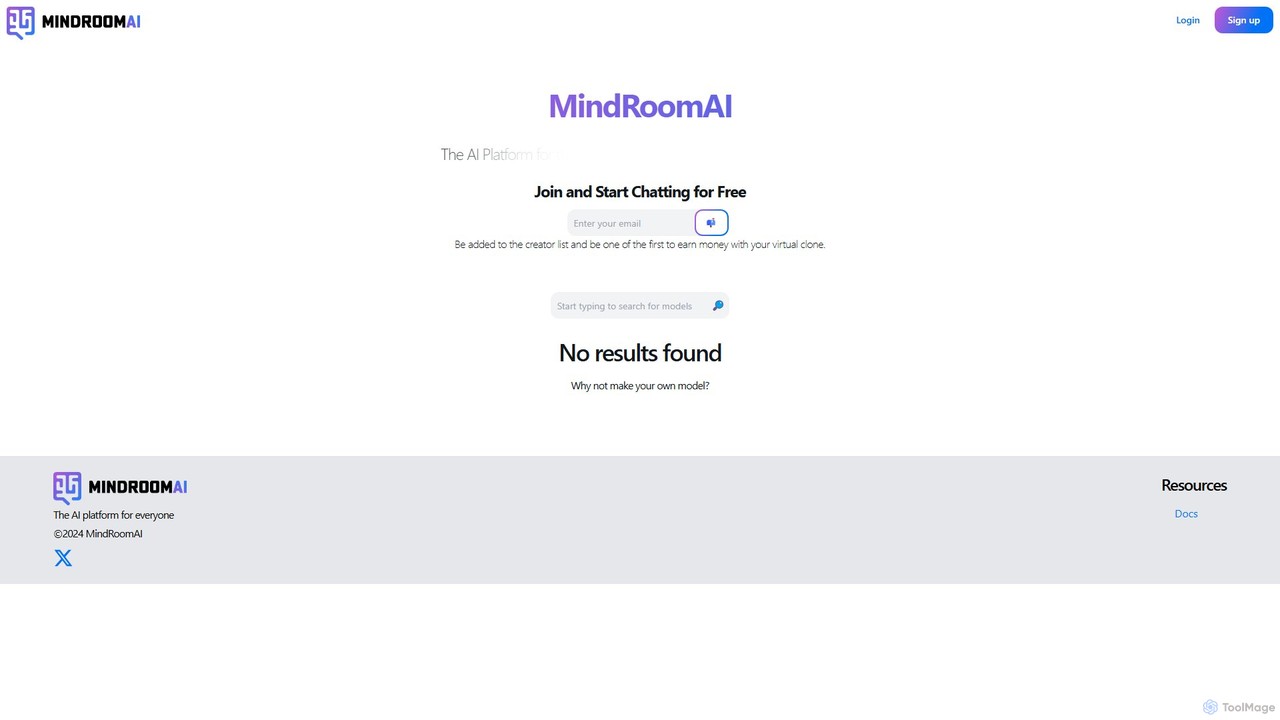
MindRoomAI is an AI platform that enables content creators and thought leaders to build and monetize a virtual clone of themselves. This AI twin can interact with audiences 24/7, answer questions, and provide a scalable way to engage with fans, creating a new revenue stream.

Custom Assistants
Visits 5.9KFavorites 145Likes 140

About Audience Engagement

Audience Engagement tools are AI-powered solutions designed to automate and enhance interactions within online communities. They leverage Natural Language Processing (NLP) to analyze comments, messages, and mentions in real-time, understanding intent and sentiment. This enables brands and creators to foster meaningful conversations, manage community feedback, and build stronger relationships at scale. Unlike general social media schedulers, these tools focus specifically on the conversational and analytical aspects of community management.

Core Features

  • AI Comment Moderation: Automatically filters spam, hides inappropriate content, and highlights important user feedback for review.
  • Automated Reply Generation: Drafts context-aware and personalized responses to common questions and comments, maintaining brand voice.
  • Sentiment Analysis: Gauges audience emotion (positive, negative, neutral) towards content or brand mentions to track public perception.
  • Conversation Trend Identification: Pinpoints emerging topics, frequently asked questions, and influential users within community discussions.
  • Interactive Content Suggestions: Generates ideas for polls, quizzes, and questions to actively boost user participation and interaction rates.

Use Cases

These tools are primarily used by social media managers, community managers, and digital marketing agencies. They are essential for managing high-volume comment sections on platforms like YouTube, Instagram, and Facebook, monitoring brand health during campaigns, and gathering qualitative feedback from user groups.

How to Choose

When selecting an Audience Engagement tool, consider the supported social media platforms, the accuracy of its sentiment analysis, and the level of customization available for automated replies. Also evaluate its integration capabilities with other marketing tools like CRMs, the depth of its analytics reports, and whether its pricing model aligns with your community size and interaction volume.

Audience Engagement use cases

1

Automating YouTube Comment Management

A content creator with a large following receives hundreds of comments on each video, making manual moderation impossible. They use an AI Audience Engagement tool to automatically filter spam and repetitive questions. The AI is configured to auto-reply to FAQs like 'What music did you use?' and flags comments with negative sentiment or urgent questions for the creator's personal attention. This saves hours of manual work per video and ensures important community feedback is never missed.

2

Monitoring Brand Sentiment During a Product Launch

A public relations team for a tech company is launching a new product. They use an Audience Engagement tool to monitor mentions of the product across Twitter, Instagram, and news forums in real-time. The tool's dashboard visualizes sentiment trends, showing an immediate overview of public reception. The AI categorizes conversations into topics like 'pricing', 'features', and 'bugs', allowing the team to quickly identify key discussion points, amplify positive user testimonials, and proactively address any emerging negative feedback.

3

Identifying Community Influencers and Advocates

A community manager for a gaming company wants to identify key advocates within their Discord server and subreddit. They use an engagement tool to analyze conversation data over several months. The AI identifies users who consistently provide helpful answers to others, post positive feedback, and generate high-quality discussions. Based on this data, the manager can invite these top contributors to an exclusive ambassador program, rewarding their loyalty and empowering them to become even stronger community leaders.

4

Running an Interactive Q&A Campaign on Instagram

A fashion brand's marketing team wants to boost engagement on Instagram. They use an AI tool to run a week-long 'Ask Me Anything' campaign with their lead designer. The tool helps generate engaging daily prompts and analyzes incoming questions in real-time. It categorizes questions by theme (e.g., 'inspiration', 'materials', 'career advice') and identifies the most frequently asked ones. This allows the social media manager to efficiently prepare answers for the designer, ensuring the most popular topics are covered and maximizing audience interaction.

5

Gathering Product Feedback from a Facebook Group

A product manager for a software company actively manages a private Facebook group for beta testers. Instead of manually reading thousands of posts and comments, they connect an Audience Engagement tool to the group. The AI analyzes all conversations, automatically tagging posts related to 'bug reports', 'feature requests', and 'user interface feedback'. The manager receives a weekly summarized report with the top requested features and most reported bugs, transforming unstructured community chatter into actionable product development insights.

6

Personalizing E-commerce Interactions on Instagram

An online boutique uses an AI engagement tool to monitor comments on its Instagram product posts. When a user asks a specific question like 'Does this come in blue?', the AI drafts a precise answer for the social media manager to approve and post. For more general buying-intent comments like 'I love this!', the tool can suggest a proactive reply, such as 'We're so glad! We can send you a direct link to purchase via DM if you'd like.' This transforms passive comments into active sales opportunities and provides a highly personalized customer service experience.

Audience Engagement FAQ

What are AI Audience Engagement tools?

AI Audience Engagement tools are specialized software that use artificial intelligence, particularly Natural Language Processing (NLP), to analyze and interact with online communities. Their primary function is to understand the context and sentiment of user comments, messages, and mentions, and then automate or assist in responding to them. Unlike tools that only schedule posts, these focus on fostering two-way conversations, managing feedback, and providing insights into audience sentiment at scale.

How do Audience Engagement tools differ from general Social Media Management tools?

The key difference lies in their focus. General Social Media Management (SMM) tools are broad platforms focused on content scheduling, publishing across multiple networks, and high-level analytics (like reach and follower growth). Audience Engagement tools are specialists that focus on the conversational layer. They provide deep analysis of comments and messages, automate moderation and replies, and identify community trends. While an SMM tool helps you broadcast a message, an engagement tool helps you manage the response to that message.

What are the key features to look for in an Audience Engagement tool?

When choosing a tool, prioritize these features:

  • Platform Integration: Ensure it supports the social media channels where your audience is most active (e.g., YouTube, Instagram, Facebook, Twitter, TikTok).
  • Sentiment Analysis Accuracy: Look for a tool that can accurately detect nuance, sarcasm, and context in user comments.
  • Customizable Automation Rules: The ability to create specific rules for moderating comments and triggering automated replies is crucial for maintaining brand control.
  • Reporting and Analytics: It should provide clear reports on engagement metrics, sentiment trends, and common conversation topics.
  • Team Collaboration: Features that allow team members to assign, review, and approve responses are important for larger organizations.
Who can benefit most from using Audience Engagement tools?

These tools are most valuable for individuals and organizations that manage a high volume of online interactions. Key beneficiaries include:

  • Social Media Managers: To streamline comment moderation and response across multiple accounts.
  • Large Brands & Enterprises: To monitor brand health, manage customer service inquiries, and gather market insights from social conversations.
  • Content Creators & Influencers: To manage large comment sections on platforms like YouTube and Instagram, fostering a stronger community without being overwhelmed.
  • Community Managers: To identify key members, track discussion topics, and maintain a healthy environment in online forums or groups.
How does AI help in generating replies to comments?

AI generates replies by using large language models (LLMs) trained on vast amounts of conversational data. The process typically involves a few steps:

  1. Intent Recognition: The AI first analyzes a user's comment to understand its purpose. Is it a question, a complaint, a compliment, or spam?
  2. Information Retrieval: If it's a question, the AI may access a knowledge base (like a product FAQ) to find the correct information.
  3. Tone and Style Matching: The AI is configured to match a specific brand voice—whether it's formal, friendly, or humorous.
  4. Response Generation: Using all this information, the LLM constructs a grammatically correct and contextually relevant sentence. Most tools then present this as a draft for a human to approve or edit before posting.