ToolMage
Sign in

Best 1 Audience Growth AI tools for Social Media

Popular Audience Growth AI tools in Social Media include OnLinker, helping you work more efficiently.

OnLinker
Paid

OnLinker

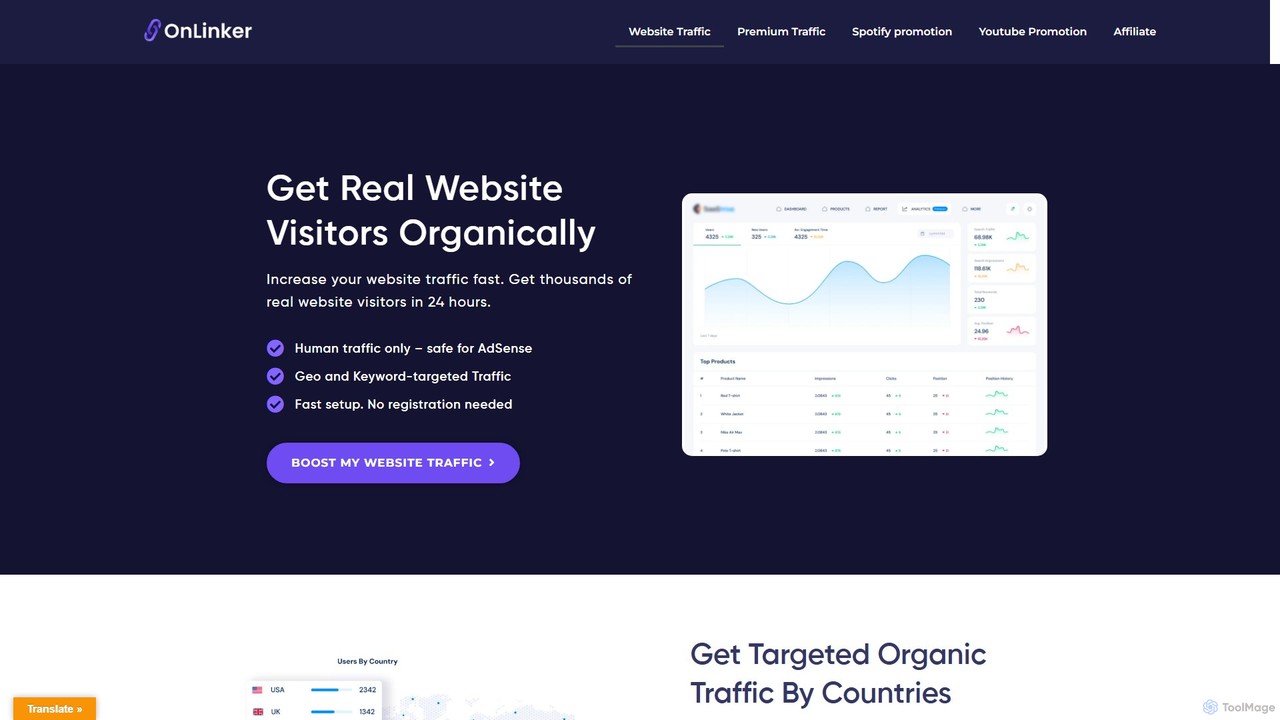
OnLinker is a digital marketing service that provides real, geo-targeted website traffic to boost online visibility, SEO rankings, and audience growth. It supports various platforms including websites, YouTube channels, Spotify, and social media profiles, delivering fast, AdSense-safe visitors based on your specified country and keywords.

Seo
Visits 6.1KFavorites 123Likes 120

About Audience Growth

Audience Growth tools are a specialized category of AI social media software designed to automate and optimize the process of attracting new, relevant followers. They utilize machine learning to analyze user data, identify potential followers based on interests and behaviors, and automate engagement activities. This enables creators, marketers, and brands to systematically expand their online reach beyond manual outreach. Unlike general management tools, their primary function is data-driven follower acquisition and community building.

Core Features

  • Target Audience Identification: Analyzes demographics, interests, and online behavior to pinpoint high-potential followers.
  • Automated Engagement: Performs actions like following, liking, or commenting on relevant content based on user-defined rules to increase visibility.
  • Growth Analytics & Reporting: Provides detailed dashboards tracking follower growth, engagement rates, and audience demographics over time.
  • Content & Hashtag Suggestions: Recommends optimal posting times and trending hashtags to maximize the reach of your content.
  • Competitor Analysis: Monitors the growth strategies and audience engagement of competing accounts to uncover opportunities.

Use Cases

These tools are widely used by social media managers, digital marketing agencies, influencers, startups, and e-commerce brands. They are particularly effective for entities in a growth phase, aiming to build an initial community on platforms like Instagram, Twitter, or TikTok, or for established brands looking to tap into new audience segments.

How to Choose

When selecting an Audience Growth tool, consider its platform compatibility (e.g., Instagram, LinkedIn, Twitter). Evaluate the sophistication of its targeting filters and the safety mechanisms in place to prevent account suspension. Also, assess the quality of its analytics and ensure the pricing model aligns with your number of accounts and growth objectives.

Audience Growth use cases

1

Automating Initial Follower Acquisition for Startups

A marketing manager for a new B2C startup needs to build an initial audience on Instagram from scratch. They use an AI Audience Growth tool to define their target customer profile based on demographics, interests (e.g., 'sustainable fashion', 'tech gadgets'), and accounts they follow (e.g., competitors, industry magazines). The AI then automatically engages with these users by liking relevant posts and following a set number of profiles per day. This strategy generates initial visibility, attracting hundreds of relevant, early-adopter followers within the first month, creating a foundational community for product launches.

2

Optimizing Content Strategy for TikTok Influencers

A content creator aiming to become an influencer on TikTok uses an Audience Growth tool to analyze viral trends and audience behavior. The tool identifies trending audio, hashtags, and video formats within their niche (e.g., comedy sketches). It also provides analytics on when their specific audience is most active. By scheduling their posts for these peak times and incorporating the AI-suggested trending elements, the creator significantly increases their content's visibility on the 'For You' page, leading to a faster growth rate in followers and higher engagement per video.

3

Identifying B2B Leads on LinkedIn for Sales Teams

A sales development representative (SDR) at a SaaS company uses an Audience Growth tool specifically for LinkedIn. Their goal is to expand their network with potential buyers. The tool is configured to identify professionals with specific job titles (e.g., 'Head of Marketing', 'IT Director') in target industries (e.g., 'Finance', 'Healthcare') and locations. The AI automates sending personalized connection requests and follow-up messages, helping the SDR to efficiently build a pipeline of relevant contacts, which directly contributes to lead generation and sales opportunities.

4

Growing a Local Community for a Small Business

The owner of a new coffee shop uses an Audience Growth tool to build a local following on Facebook and Instagram. They set up the tool to target users within a 5-mile radius who have shown interest in pages related to 'local events', 'coffee', and other nearby cafes. The tool automatically engages with these users' public posts. This hyperlocal strategy helps the coffee shop become a known name in the local community, driving foot traffic and building a loyal customer base who actively engage with the shop's social media updates about new menu items and events.

5

Scaling Client Account Growth for a Digital Agency

A social media manager at a digital marketing agency is responsible for growing the Twitter accounts of five different clients. Using an Audience Growth tool with a multi-account dashboard, they can set up and monitor unique growth campaigns for each client from a single interface. For a tech client, they target followers of industry news outlets. For a fashion client, they target users engaging with top fashion influencers. The tool's consolidated reporting allows the manager to efficiently track progress across all accounts and provide clients with clear, data-backed reports on follower growth and ROI.

6

Analyzing Competitor Strategies for Market Positioning

A brand strategist for an e-commerce company uses an Audience Growth tool's competitor analysis feature. They track the follower growth rate, engagement metrics, and top-performing content of three main competitors. The AI identifies which hashtags are driving the most engagement for competitors and analyzes the sentiment of comments on their posts. This intelligence provides actionable insights, allowing the strategist to adjust their own content strategy, target underserved audience segments, and capitalize on topics their competitors are neglecting, thereby improving their market position and attracting a more engaged audience.

Audience Growth FAQ

What are AI Audience Growth tools?

AI Audience Growth tools are specialized software designed to automate the process of finding and attracting new followers on social media platforms. Unlike general social media management tools that focus on scheduling posts for an existing audience, these tools actively seek out and engage with potential new followers. They use AI to identify target users based on criteria like hashtags, interests, location, and competitor followers, then perform actions like liking posts or following accounts to gain visibility and encourage follow-backs from a relevant audience.

Audience Growth vs. Social Media Schedulers: What's the difference?

The primary difference lies in their core function: acquisition versus management.

  • Audience Growth Tools: Focus on acquisition. Their main goal is to expand your follower base by actively finding and engaging with new, relevant accounts that are not yet following you. They are proactive outreach tools.
  • Social Media Schedulers: Focus on management and publishing. Their main goal is to efficiently distribute content to your existing followers by allowing you to plan and automate posts across multiple platforms. They are content delivery tools.
In short, you use a scheduler to talk to your current audience, and an audience growth tool to find your future audience.

Is it safe to use automated Audience Growth tools?

Safety depends on the tool and how it's used. Reputable tools prioritize account safety by mimicking human behavior, using smart speed controls, and operating within the known limits of social media platforms. However, any form of automation carries some inherent risk. To minimize risk, choose tools with positive reviews regarding safety, start with conservative settings, and always pair automation with high-quality, authentic content. Aggressive or spammy use of any tool can lead to warnings or account suspension. It's crucial to use them as a supplement to, not a replacement for, genuine community engagement.

How do I choose the right Audience Growth tool?

Choosing the right tool involves evaluating several key factors based on your specific needs:

  • Platform Support: Ensure the tool works with the social media platforms you prioritize (e.g., Instagram, Twitter, LinkedIn, TikTok).
  • Targeting Capabilities: Look for advanced filtering options. Can you target by hashtags, location, competitor followers, keywords in bios, or language? The more precise, the better.
  • Safety Features: Check for features like customizable speed settings, activity randomization, and proxy support to protect your account.
  • Analytics: A good tool should provide clear reports on follower growth, engagement rates, and the effectiveness of your targeting settings.
  • Ease of Use: Consider the user interface. Is it intuitive and easy to set up and manage your growth campaigns?
Start by defining your primary goal and platform, then compare tools based on these criteria.

How quickly can I see results with an Audience Growth tool?

Results can vary significantly based on your niche, content quality, platform, and the aggressiveness of your settings. Generally, you can expect to see a noticeable increase in profile visits and new, relevant followers within the first one to two weeks of consistent use. However, sustainable and meaningful growth is a long-term process. The most effective approach is to view these tools as accelerators for a solid content strategy, not a magic bullet. Initial results might be a few dozen new followers per week, which can scale up as you refine your targeting and content in response to the tool's analytics.