ToolMage
Sign in

Best 2 Ad Copy AI tools for Social Media

Popular Ad Copy AI tools in Social Media include Copyly and Marmof, helping you work more efficiently.

Marmof
Freemium

Marmof

Marmof is an AI-powered content creation platform designed to help marketers, writers, and businesses generate high-quality, original content 10x faster. With over 50 specialized tools, it can create everything from blog posts and SEO meta descriptions to social media ads and e-commerce product features. It supports over 25 languages and offers a generous free plan to get started.

Product Descriptions
Visits 5.8KFavorites 137Likes 136
Copyly
Freemium

Copyly

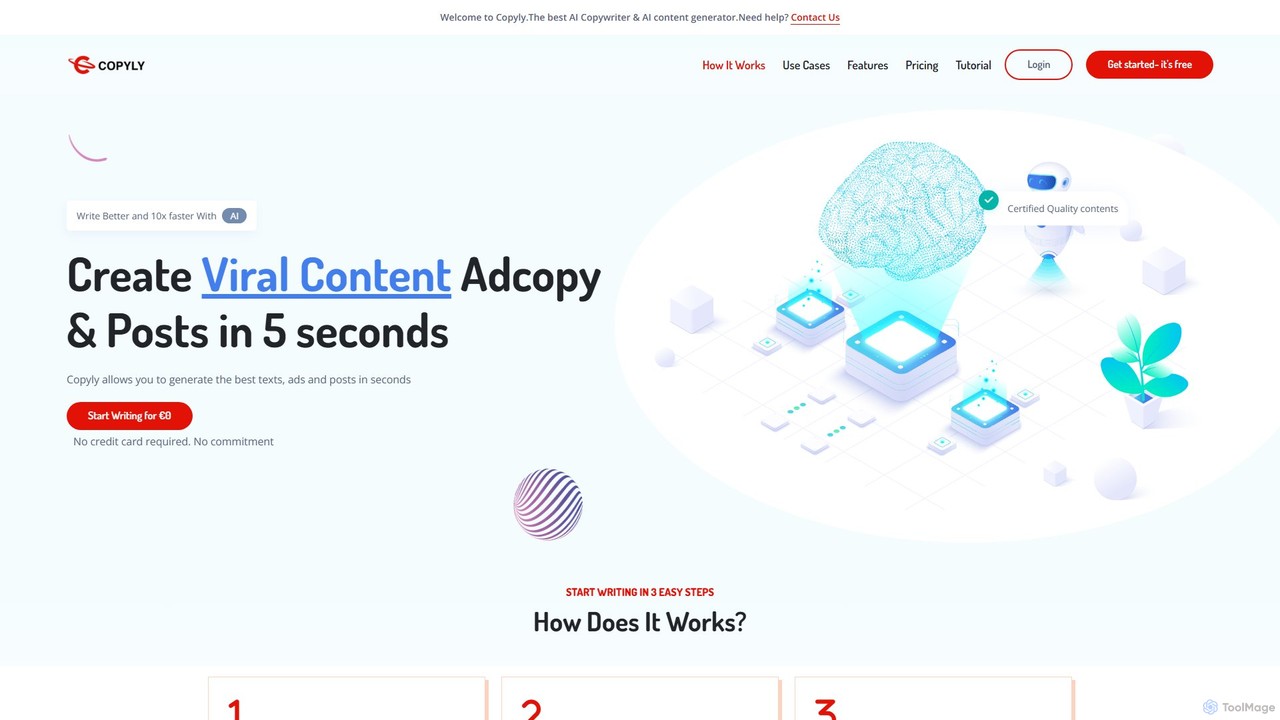
Copyly is an AI-powered content creation platform designed to help users write high-converting copy 10x faster. Leveraging GPT-4, it offers over 50 tools for generating blog posts, social media ads, website content, and e-commerce descriptions. It also includes features like AI image and video generation, SEO optimization, and a plagiarism checker, supporting over 25 languages to cater to a global audience.

Content Creation
Visits 6.7KFavorites 144Likes 187

About Ad Copy

AI Ad Copy tools are specialized applications that use artificial intelligence to generate persuasive and high-converting text for digital advertisements. These tools leverage advanced language models (LLMs) and proven marketing frameworks like AIDA or PAS to create compelling headlines, descriptions, and calls-to-action. Their primary value lies in rapidly producing multiple ad variations, overcoming creative blocks, and optimizing copy for specific platforms such as social media or search engines. This enables marketers to test and deploy effective advertising campaigns more efficiently.

Core Features

  • Framework-Based Generation: Creates copy using established marketing models like AIDA (Attention, Interest, Desire, Action) and PAS (Problem, Agitate, Solution) to structure persuasive messages.
  • Platform-Specific Optimization: Tailors text to meet the character limits and best practices of platforms like Google Ads, Facebook, Instagram, and LinkedIn.
  • Tone and Voice Customization: Allows users to define and adjust the tone of the copy (e.g., witty, professional, urgent) to align with brand identity.
  • A/B Testing Variants: Quickly generates multiple versions of an ad's text, enabling marketers to efficiently test which message resonates most with their audience.
  • Call-to-Action (CTA) Suggestions: Recommends effective and contextually relevant CTAs to drive desired user actions, such as clicks or conversions.

Use Cases

AI Ad Copy tools are primarily used by digital marketers, e-commerce managers, performance marketing agencies, and small business owners. They are essential for creating paid ad campaigns on social media, running PPC campaigns on search engines, and promoting products or services through various online channels. These tools streamline the workflow for anyone needing to produce a high volume of effective ad copy under tight deadlines.

How to Choose

When selecting an AI Ad Copy tool, consider the platforms it supports (e.g., Google, Meta, TikTok). Evaluate the variety of available marketing frameworks and the level of tone customization. Check for multi-language capabilities if you run international campaigns. Finally, assess its ability to generate diverse and high-quality variants for A/B testing and its potential for integration with ad management platforms.

Ad Copy use cases

1

Creating Facebook & Instagram Ad Campaigns

A social media manager for an e-commerce fashion brand needs to launch a new collection. Using an AI Ad Copy tool, they input product details and target audience profiles (e.g., young professionals, students). The tool generates dozens of ad copy variations in minutes, each with a different angle—some focusing on style, others on comfort or price. This allows the manager to quickly set up multiple ad sets for A/B testing, saving hours of brainstorming and writing, and ultimately identifying the most effective messaging to maximize sales.

2

Optimizing Google Search Ads (PPC)

A PPC specialist is running a campaign for a SaaS product but struggles with low click-through rates (CTR). They use an AI Ad Copy tool to generate new headlines and descriptions. By providing the target keywords and unique selling propositions, the tool produces multiple ad variations that adhere to Google's strict character limits. The specialist can then test these AI-generated options against their original copy, quickly identifying combinations that improve CTR and Quality Score, leading to more effective ad spend and higher conversion rates.

3

Generating B2B Ad Copy for LinkedIn

A marketing manager at a B2B technology firm needs to promote a new whitepaper to C-level executives on LinkedIn. The goal is lead generation. They use an AI Ad Copy tool, specifying a professional tone and highlighting the whitepaper's key benefits for business leaders. The AI generates several copy options that are concise, authoritative, and tailored to the LinkedIn audience, complete with strong calls-to-action like 'Download the Executive Brief' or 'Get Your Free Analysis'. This process ensures the ad copy is professional and compelling, increasing the likelihood of attracting high-quality leads.

4

Creating Ad Copy for E-commerce Flash Sales

An e-commerce store owner is planning a 48-hour flash sale. To maximize urgency and drive immediate purchases, they use an AI Ad Copy tool. They input the discount percentage, sale duration, and key products. The tool generates copy using scarcity and urgency principles, producing headlines like '48-Hour Flash Sale: 50% Off Ends Soon!' and body text emphasizing limited stock. This allows the owner to quickly deploy compelling ads across social media and email, creating a strong sense of FOMO (Fear Of Missing Out) and significantly boosting sales during the short promotional period.

5

A/B Testing Ad Copy Variations at Scale

A performance marketing agency manages dozens of client accounts, each requiring constant ad optimization. Manually writing multiple ad variations for testing is time-consuming. The agency integrates an AI Ad Copy tool into its workflow. For each campaign, the tool generates five distinct copy variations based on a single brief. These variations test different emotional triggers, value propositions, and CTAs. This automation allows the team to run more comprehensive A/B tests across all accounts simultaneously, leading to faster identification of winning ads and improved overall campaign ROI for their clients.

6

Localizing Ad Campaigns for Global Markets

A global electronics brand is launching a new product in Japan and Brazil. Instead of hiring local copywriters for each market, the marketing team uses an AI Ad Copy tool with multi-language capabilities. They input the core message and product features in English. The tool then generates culturally relevant and linguistically accurate ad copy in both Japanese and Portuguese. It adapts idioms and calls-to-action to fit local norms, ensuring the campaigns resonate with each audience. This approach significantly reduces turnaround time and costs while maintaining high-quality, localized messaging.

Ad Copy FAQ

What are AI Ad Copy tools?

AI Ad Copy tools are specialized software that use artificial intelligence, particularly natural language processing (NLP), to automatically generate text for digital advertisements. Unlike general writing assistants, they are specifically trained on high-performing ad copy and marketing frameworks like AIDA or PAS. Their primary function is to create compelling headlines, descriptions, and calls-to-action that are optimized for platforms like Google Ads, Facebook, and LinkedIn, aiming to increase click-through rates and conversions.

How to choose the right AI Ad Copy tool?

Choosing the right tool depends on your specific needs. Consider these factors:

  • Platform Support: Ensure the tool generates copy optimized for the platforms you use most, such as Google Ads, Meta (Facebook/Instagram), or LinkedIn.
  • Framework Variety: Look for tools that offer multiple marketing frameworks (AIDA, PAS, etc.) to give you creative flexibility.
  • Output Quality & Customization: Evaluate the quality of the generated copy. A good tool allows you to set a specific tone of voice and provides diverse, creative suggestions.
  • Workflow Integration: Consider if the tool offers features like browser extensions or integrations with ad management platforms to streamline your process.
What's the difference between an AI Ad Copy tool and a general AI writer?

The main difference is specialization. A general AI writer (like those for blog posts or emails) is a versatile tool for long-form content creation. An AI Ad Copy tool, however, is a specialist. It is specifically designed for the short, persuasive, and action-oriented text required for advertising. It understands platform constraints (like character limits on Google Ads), incorporates proven marketing formulas (like AIDA), and focuses its output on a single goal: driving conversions. Think of it as the difference between a general practitioner and a heart surgeon.

Can AI-generated ad copy replace human copywriters?

AI Ad Copy tools are best viewed as powerful assistants rather than replacements for human copywriters. They excel at generating a high volume of ideas, creating variations for A/B testing, and overcoming writer's block. However, human copywriters are still crucial for strategic oversight, understanding deep brand nuances, injecting genuine creativity, and making final judgments on which copy best aligns with a campaign's overall strategy. The most effective approach combines AI's speed and scale with a human's strategic and creative expertise.

Who benefits most from using AI Ad Copy tools?

While many roles can benefit, the primary beneficiaries are those who need to produce a high volume of ad copy variations quickly and consistently. This includes:

  • Performance Marketers & PPC Specialists: Who constantly need to A/B test ad copy to optimize campaigns for CTR and conversions.
  • E-commerce Store Owners: Who run frequent promotions and need fresh, compelling copy for products across multiple channels.
  • Marketing Agencies: That manage multiple client accounts and need to scale their ad creation process efficiently.
  • Small Business Owners: Who may not have a dedicated copywriter and need a fast, effective way to create professional ad copy.