ToolMage
Sign in

Best 3 Assistant for Social Media

Popular Assistant in Social Media include Meta AI, ReplyPulse, and WizAI, helping you work more efficiently.

WizAI
Freemium

WizAI

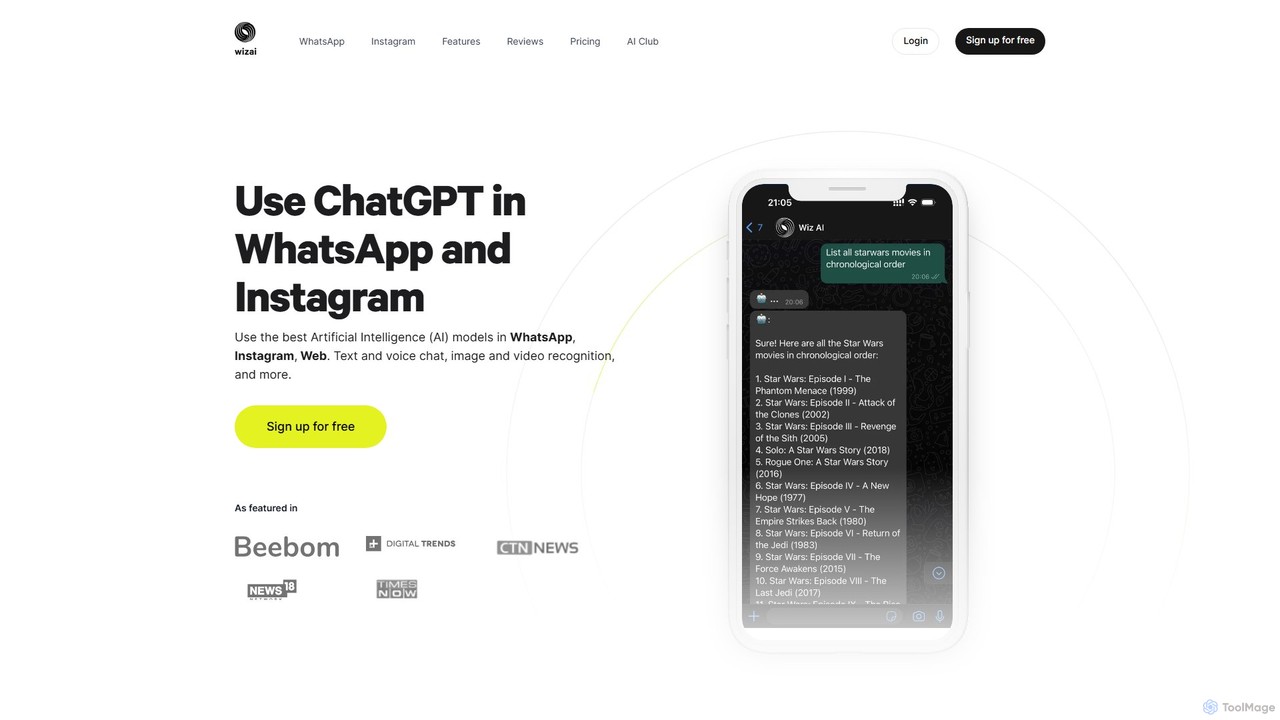
WizAI integrates powerful AI models like ChatGPT and DALL-E 3 directly into your WhatsApp and Instagram chats. Communicate with an advanced chatbot, generate stunning images from text, get answers to questions about your photos, and use voice commands, all within your favorite messaging apps.

Image Generator
Visits 6KFavorites 167Likes 157
ReplyPulse
Freemium

ReplyPulse

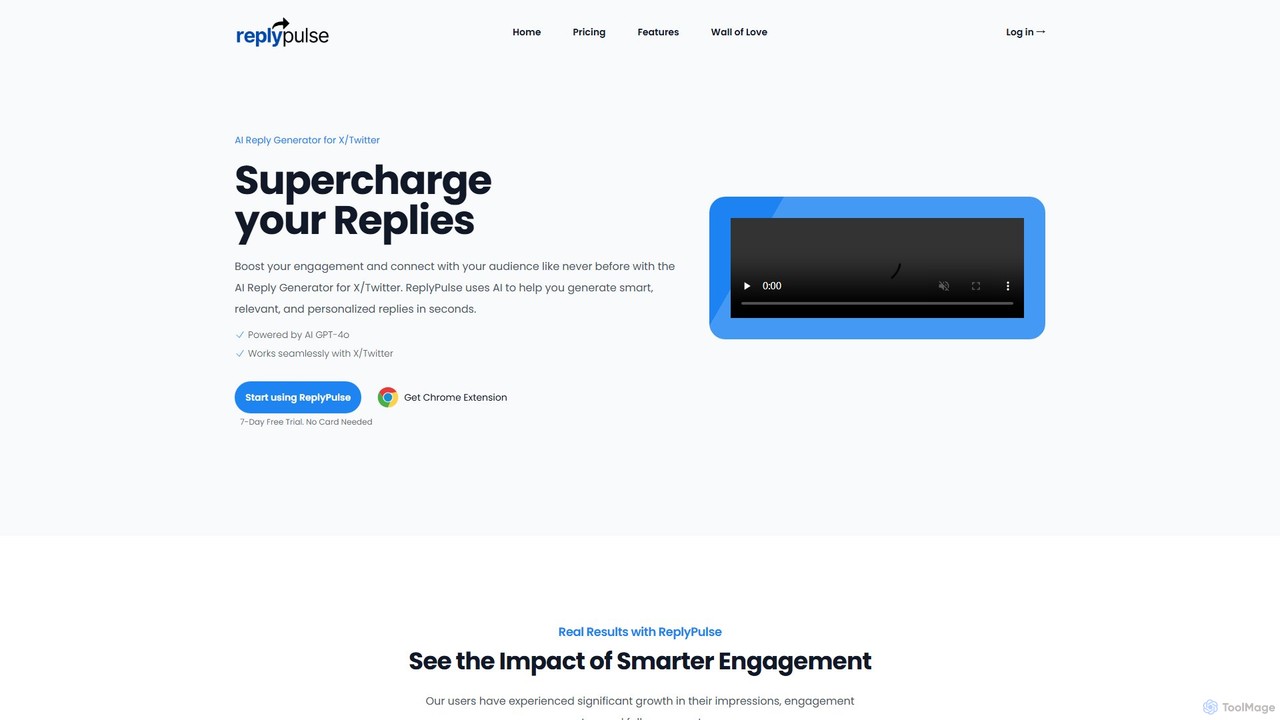
ReplyPulse is an AI-powered reply generator designed to boost engagement and growth on X (formerly Twitter). It helps users craft contextual, human-like, and engaging replies in seconds, saving time and overcoming writer's block. By providing multiple response options and tone customization, it enables marketers, creators, and professionals to scale their social interactions and build a stronger online presence.

Social Media Marketing
Visits 6KFavorites 101Likes 102
Meta AI
Free

Meta AI

Meta AI is a powerful, free conversational assistant integrated across Meta's apps like WhatsApp, Instagram, and Facebook. Powered by the Llama 3 model, it provides real-time information, generates high-quality images as you type, and helps with tasks from brainstorming and writing to trip planning. It's designed to be a seamless and intelligent companion in your daily digital life.

Image Generation
Visits 27.8MFavorites 137Likes 141

About Assistant

Social Media Assistants are AI-powered tools designed to automate and optimize the management of social media accounts. They leverage artificial intelligence to perform tasks such as content scheduling, post generation, engagement analysis, and audience interaction. By handling repetitive and data-driven activities, these assistants enable marketers, creators, and businesses to maintain a consistent online presence, save significant time, and make more informed strategic decisions. Many advanced tools also offer features like trend monitoring and competitor analysis to provide a competitive edge.

Core Features

  • Automated Scheduling: Automatically publish content at optimal times across multiple social media platforms.
  • AI Content Creation: Generate engaging post captions, relevant hashtags, and content ideas based on prompts or trends.
  • Performance Analytics: Track key metrics like reach, engagement, and follower growth, providing actionable insights through intuitive dashboards.
  • Community Management: Monitor comments and messages, and in some cases, provide automated replies to common inquiries.
  • Trend & Hashtag Monitoring: Identify emerging topics and popular hashtags within a specific niche to increase content visibility.

Use Cases

These tools are widely used by social media managers, digital marketing agencies, small business owners, and content creators. They are particularly valuable for managing multiple accounts, executing complex content calendars, and scaling community engagement efforts without a large team.

How to Choose

When selecting a Social Media Assistant, consider the platforms it supports to ensure compatibility with your channels. Evaluate the sophistication of its AI features, such as the quality of generated content and the depth of its analytics. Also, assess its integration capabilities with other marketing tools and choose a pricing plan that aligns with your number of accounts and required features.

Assistant use cases

1

Automate Cross-Platform Content Scheduling

A marketing manager for a small e-commerce brand is responsible for maintaining an active presence on Instagram, Facebook, and X (Twitter). Using a Social Media Assistant, they can upload a week's worth of content in a single session. The AI analyzes past engagement data for each platform and automatically schedules the posts for peak audience activity times. This ensures consistent content delivery, maximizes reach, and frees up the manager to focus on strategy and creative development, saving over 10 hours of manual work per week.

2

Generate Engaging Captions and Hashtags

A solo content creator often faces writer's block when trying to craft compelling captions for their daily posts. By providing a simple prompt or an image to their AI Social Media Assistant, they can instantly receive multiple caption options in different tones (e.g., witty, professional, inspirational). The tool also suggests a mix of high-traffic and niche-specific hashtags to improve discoverability. This process streamlines content creation, enhances post quality, and boosts engagement rates.

3

Monitor Brand Mentions and Sentiment

A public relations specialist at a large corporation needs to track how their brand is perceived online. The Social Media Assistant continuously scans platforms for mentions of the company name, products, and key executives. It then uses sentiment analysis to categorize mentions as positive, negative, or neutral. This provides real-time feedback, allows the team to quickly address negative comments, and helps measure the impact of PR campaigns.

4

Analyze Competitor Social Media Strategies

A digital marketing agency needs to stay ahead of the competition for its clients. They use a Social Media Assistant to track the social media activities of key competitors. The tool analyzes competitors' top-performing posts, posting frequency, engagement tactics, and content themes. This provides valuable intelligence that helps the agency refine its clients' content strategies, identify market gaps, and capitalize on emerging trends.

5

Manage Community Interactions Efficiently

An influencer with a rapidly growing audience receives hundreds of comments and direct messages daily. A Social Media Assistant helps manage this volume by automatically filtering messages, prioritizing those from key followers, and providing automated responses to frequently asked questions like "Where can I buy this?". This ensures that no important interaction is missed and allows the influencer to maintain a personal connection with their community without being overwhelmed.

6

Optimize Ad Campaign Content

A performance marketer is running paid social media campaigns and needs to test different ad creatives. They use the AI assistant to generate dozens of variations for ad copy, headlines, and calls-to-action based on a core message. The tool helps identify which phrases and tones resonate most with the target audience before spending a significant budget. This A/B testing process, powered by AI, leads to higher conversion rates and a better return on ad spend (ROAS).

Assistant FAQ

What is a Social Media Assistant?

A Social Media Assistant is an AI-powered software tool designed to automate and enhance social media management. Its primary functions include scheduling posts, generating content like captions and hashtags, analyzing performance metrics, and monitoring audience engagement. Unlike simple schedulers, these assistants use AI to provide strategic insights and streamline creative workflows for marketers and creators.

How do I choose the right Social Media Assistant?

To choose the right tool, consider these four factors:

  • Platform Support: Ensure it integrates with all the social media channels you use (e.g., Instagram, TikTok, LinkedIn).
  • AI Capabilities: Assess the quality of its content generation and the depth of its analytical insights.
  • Ease of Use: The interface should be intuitive and allow you to manage your workflow efficiently.
  • Pricing: Select a plan that matches your budget and scales with your needs, based on the number of accounts and features required.

What is the difference between a Social Media Assistant and a basic scheduling tool?

The key difference is intelligence. A basic scheduling tool simply publishes content at pre-set times. A Social Media Assistant uses AI to do much more: it can suggest optimal posting times, generate creative content, analyze audience sentiment, track trends, and provide strategic recommendations based on performance data. It acts as a strategic partner rather than just an execution tool.

Can an AI Social Media Assistant replace a human manager?

No, an AI assistant is a tool to augment, not replace, a human social media manager. While it excels at automating repetitive tasks, analyzing data, and generating ideas, it lacks the strategic thinking, nuanced brand understanding, and genuine human connection required for effective community building and high-level strategy. The best results come from combining the AI's efficiency with human creativity and oversight.

What types of social media tasks can these assistants automate?

Social Media Assistants can automate a wide range of tasks. Common examples include:

  • Publishing posts across multiple platforms according to a pre-set calendar.
  • Finding and suggesting relevant hashtags for your content.
  • Monitoring brand mentions and keywords across the web.
  • Generating performance reports with key metrics and growth charts.
  • Replying to common, frequently asked questions in comments or direct messages.