Social Media Best in category 1 results Ar Filters AI Tool

Popular AI tools in the Ar Filters field of Social Media include Customuse, etc., helping you quickly improve efficiency.

Customuse

Customuse

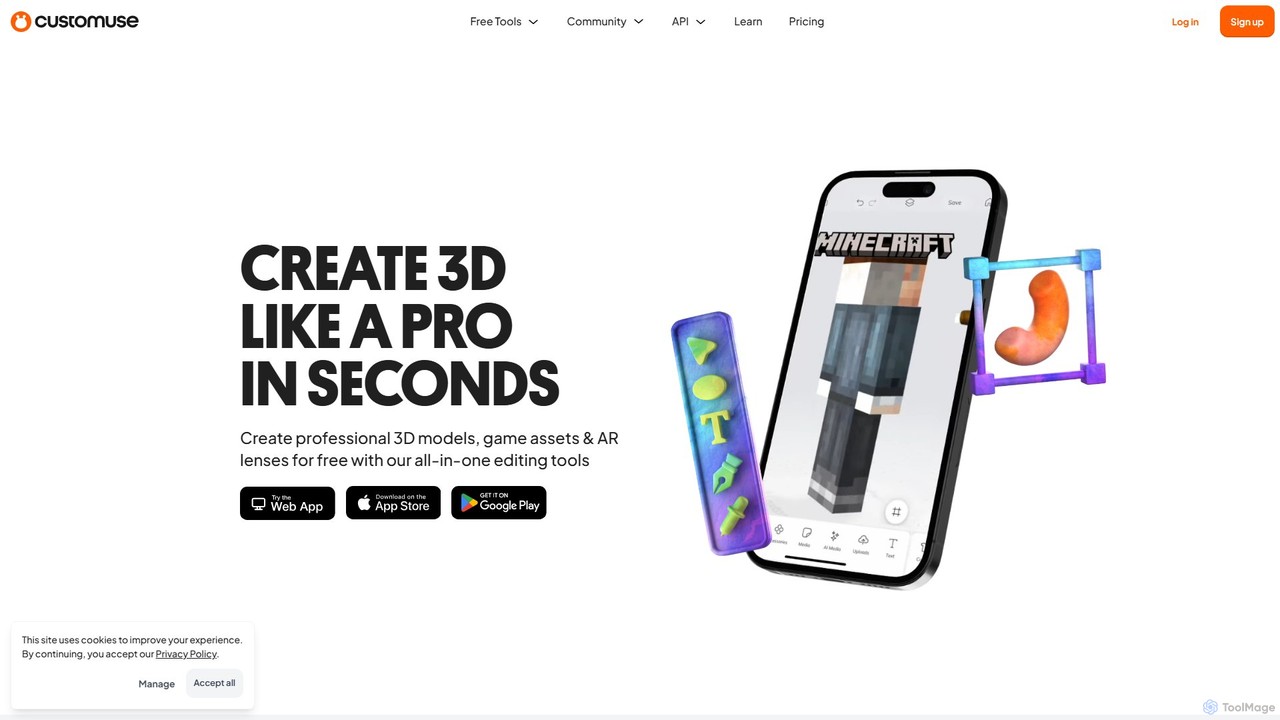
Customuse is an all-in-one AI-powered design studio for creating professional 3D models, game assets, and AR filters. It …

525.8K

About Ar Filters

AR Filters are AI-powered tools that overlay dynamic digital effects onto real-time camera feeds. These tools leverage advanced computer vision and augmented reality technology to detect faces, objects, and environments, applying interactive visual and audio enhancements. Primarily used within social media platforms, AR filters significantly boost user engagement and enable creative content expression. They offer a unique way for individuals and brands to interact with their audience through immersive, personalized experiences.

Core Features

  • Real-time Tracking: Accurately detects and tracks facial features, body movements, or environmental points in live video.
  • Dynamic Overlays: Applies 2D/3D graphics, animations, and textures that interact seamlessly with the user's environment.
  • Interactive Elements: Incorporates user gestures, blinks, or voice commands to trigger specific filter effects and changes.
  • Customization Tools: Provides creators with robust tools to design and upload unique filters tailored to specific themes or branding.
  • Platform Integration: Offers seamless compatibility and publishing capabilities with popular social media platforms like Instagram, Snapchat, and TikTok.

Applicable Scenarios

AR filters are widely adopted across various sectors, enhancing digital interaction and content. Social media users leverage them for expressive storytelling, adding fun and personality to their posts and stories. Brands utilize AR filters in marketing campaigns to promote products, events, or services, creating memorable and shareable brand experiences. Furthermore, developers and artists explore AR filters as a medium for interactive entertainment and digital art, pushing creative boundaries within augmented reality.

How to Choose

When selecting an AR filter creation tool, consider its platform compatibility to ensure your filters reach the desired audience on platforms like Instagram or Snapchat. Evaluate the feature set for advanced tracking, animation capabilities, and interactive elements that align with your creative vision. Assess the ease of use, looking for intuitive interfaces and templates that streamline the design process. Finally, prioritize tools offering robust customization and branding options to maintain brand consistency and unique artistic expression.

Ar FiltersUse Cases

1

Enhancing Social Media Content

Individual content creators and influencers use AR filters to add engaging and humorous effects to their photos and videos on platforms like Instagram and TikTok. By applying filters that change appearances, add virtual objects, or create interactive games, they significantly increase viewer engagement, shares, and overall reach, making their content more dynamic and appealing to a broader audience.

2

Branded Marketing Campaigns

Businesses and marketing teams deploy custom AR filters to promote new products, services, or events. For example, a beauty brand might create a virtual try-on filter for lipstick shades, or a movie studio could launch a filter that places users in a scene from their upcoming film. This strategy drives brand awareness, encourages user-generated content, and fosters direct interaction with the brand in a playful, memorable way.

3

Virtual Try-On Experiences

E-commerce retailers and fashion brands utilize AR filters to allow customers to virtually try on clothing, accessories, or makeup before making a purchase. Users can see how a pair of glasses looks on their face or how a new hair color suits them in real-time through their smartphone camera. This reduces return rates, boosts purchase confidence, and provides an innovative shopping experience.

4

Interactive Event Promotion

Event organizers for concerts, festivals, or sports events create exclusive AR filters that attendees can use on-site or remotely. These filters often incorporate event-specific themes, logos, or interactive elements that enhance the attendee experience, encourage sharing on social media, and create a sense of community. It transforms passive attendance into an active, shareable moment.

5

Educational & Entertainment Applications

Educators and game developers design AR filters that integrate learning or playful elements into the real world. For instance, a filter might overlay historical figures onto a landmark, or turn a user's room into a virtual game environment. These applications make learning more engaging and provide novel forms of entertainment, blending digital content with physical surroundings.

6

Artistic Expression & Digital Art

Artists and designers leverage AR filters as a new medium for digital art and creative expression. They can create immersive, interactive art pieces that respond to user movements or environmental changes, pushing the boundaries of traditional art forms. These filters allow artists to share their unique visions with a global audience, transforming everyday interactions into artistic experiences.

Ar FiltersFrequently Asked Questions