Faindly
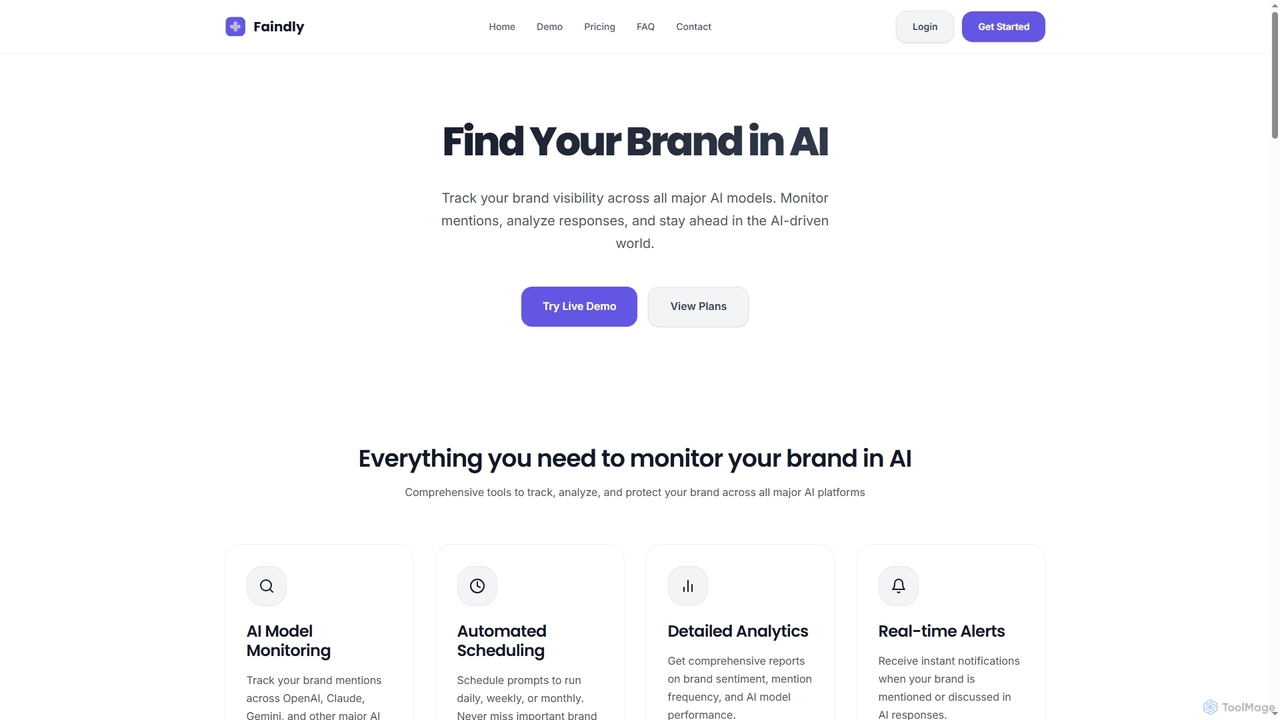
Faindly is an AI visibility tracker that monitors your brand's presence across major AI models like ChatGPT, Claude, …
Faindly is an AI visibility tracker that monitors your brand's presence across major AI models like ChatGPT, Claude, and Gemini. It provides real-time alerts, detailed analytics on sentiment and mention frequency, and automated scheduling for prompts, helping businesses protect their reputation and identify growth opportunities in the AI-driven landscape.
Fama
Fama is an AI-powered reputation management and brand monitoring platform. It automatically tracks mentions, analyzes sentiment, and provides …
Fama is an AI-powered reputation management and brand monitoring platform. It automatically tracks mentions, analyzes sentiment, and provides real-time insights across social media, news, and the web to help businesses protect their brand image and understand public perception.
About Reputation Management
AI-powered Reputation Management tools are specialized platforms that leverage artificial intelligence to monitor, analyze, and influence public perception of a brand, individual, or organization. These tools utilize advanced natural language processing (NLP) and machine learning to track mentions across various online channels, assess sentiment, and provide actionable insights. They are crucial for proactively protecting brand image, mitigating potential crises, and fostering a positive online presence in the dynamic digital landscape.
Core Features
- Real-time Monitoring: Continuously tracks mentions, reviews, and discussions across social media, news sites, forums, and review platforms.
- Sentiment Analysis: Automatically identifies the emotional tone (positive, negative, neutral) of online content related to the brand.
- Crisis Alert System: Provides immediate notifications for sudden spikes in negative sentiment or critical mentions, enabling rapid response.
- Online Review Management: Aggregates and helps manage customer reviews from various platforms, facilitating timely responses and analysis.
- AI-powered Response Suggestions: Generates draft responses for customer feedback or social media comments, ensuring consistent brand voice and efficiency.
Applicable Scenarios
These tools are indispensable for PR professionals, marketing teams, brand managers, and customer service departments. They are used to maintain a positive public image, respond effectively to customer feedback, and manage brand perception during product launches or public events. Businesses of all sizes, from startups to large enterprises, rely on AI reputation management to safeguard their brand equity.
How to Choose
When selecting an AI reputation management tool, consider its monitoring breadth (channels covered), accuracy of sentiment analysis, real-time alerting capabilities, integration with existing CRM or social media management platforms, and the robustness of its reporting and analytics features. Evaluate the ease of use and the level of automation offered for response generation and review management.
Reputation ManagementUse Cases
Proactive Brand Monitoring & Early Warning
A brand manager uses an AI reputation management tool to continuously monitor online conversations about their company and products. The tool's sentiment analysis detects a sudden surge in negative mentions regarding a new product feature. An automated alert is triggered, allowing the manager to quickly identify the issue, understand the public's concerns, and coordinate a timely official response, preventing a minor issue from escalating into a major crisis.
Managing Online Reviews & Customer Feedback
An e-commerce business leverages AI reputation management to aggregate and analyze customer reviews from multiple platforms (e.g., Google, Yelp, Amazon). The AI identifies common themes in positive and negative feedback, categorizes issues, and suggests personalized responses. This enables the customer service team to efficiently address concerns, thank satisfied customers, and improve product offerings based on data-driven insights, enhancing customer loyalty.
Crisis Communication & Damage Control
During an unexpected public relations crisis, a PR team deploys AI reputation management to track the spread of information and public sentiment in real-time. The tool helps identify key influencers discussing the issue, monitors the effectiveness of official statements, and pinpoints misinformation. This allows the team to adapt their communication strategy dynamically, target specific audiences, and minimize long-term reputational damage.
Competitor Reputation Tracking
A marketing analyst uses AI reputation management to monitor the online reputation of key competitors. By tracking competitor mentions, sentiment, and customer feedback, the analyst gains insights into their strengths and weaknesses, identifies market gaps, and understands public perception shifts. This intelligence informs strategic marketing campaigns and helps position their own brand more effectively in the market.
Influencer & Partnership Vetting
Before engaging with a potential influencer or business partner, a marketing team utilizes AI reputation management to conduct a thorough background check. The tool scans for any past controversies, negative associations, or inconsistent brand messaging across their digital footprint. This due diligence helps ensure that partnerships align with the company's values and do not pose a risk to its reputation.
Employee Advocacy & Internal Reputation Management
A human resources department employs AI reputation management to monitor employee sentiment on platforms like Glassdoor or LinkedIn. The tool analyzes feedback regarding company culture, management, and benefits, identifying areas for improvement. It also tracks positive employee mentions, encouraging employee advocacy and helping to build a strong employer brand, which is crucial for attracting top talent.