ToolMage
Sign in

Best 23 Social Media Monitoring AI tools for Marketing

Popular Social Media Monitoring AI tools in Marketing include YouScan, Brand24, Dig, Octolens, Ora, Syncly, KWatch.io, Parsestream, Quantico AI, and Listener, helping you work more efficiently.

Parsestream
Freemium

Parsestream

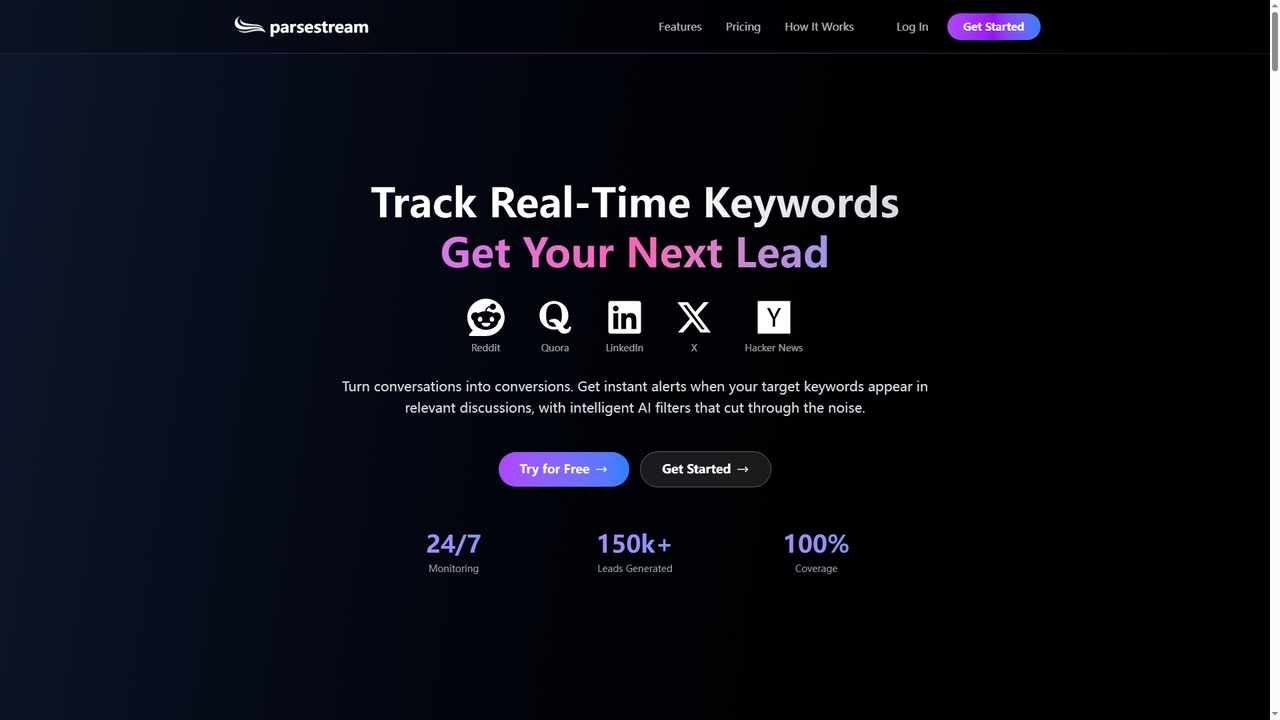
Parsestream is an AI-powered intent-based marketing platform that monitors Reddit, X (Twitter), LinkedIn, Quora, and Hacker News for your target keywords. It delivers real-time alerts, uses AI filters to surface relevant conversations, and provides suggested replies to help you engage with potential leads while they're actively seeking solutions.

Social Media Monitoring
Visits 14.4KFavorites 29Likes 42
BlueBox
Freemium

BlueBox

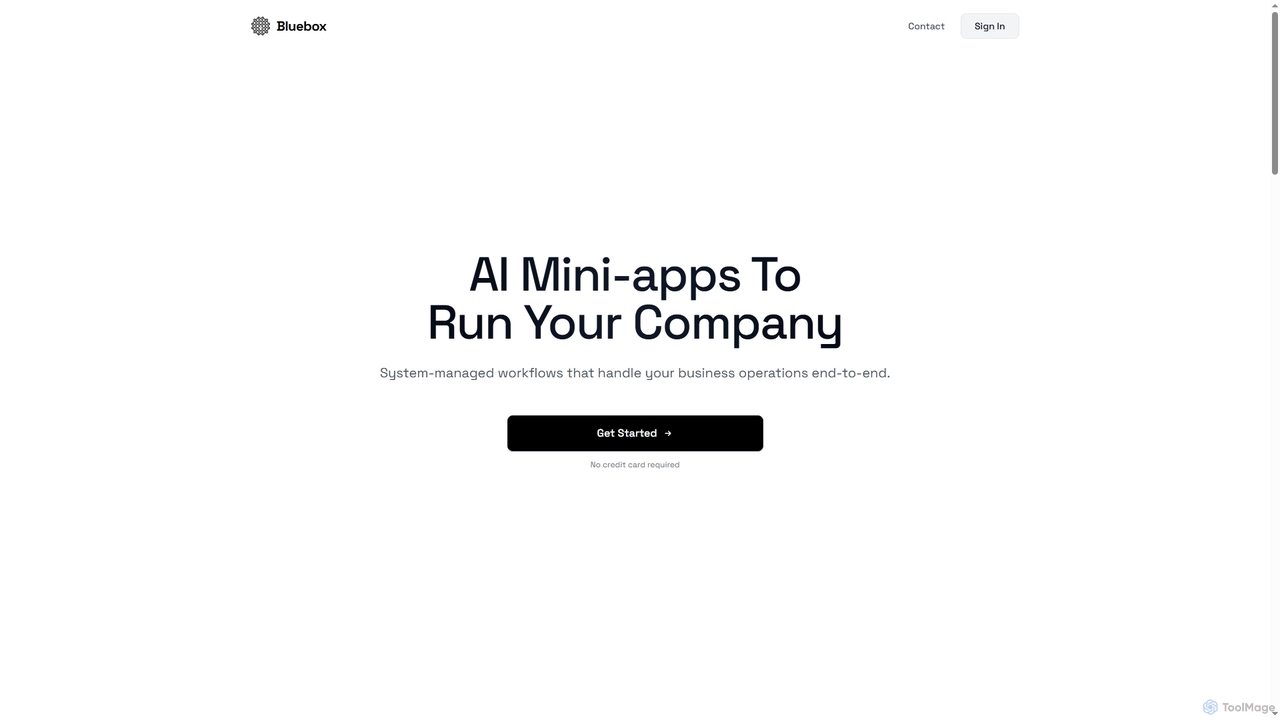
BlueBox is an AI-powered control room designed to streamline and automate business operations through system-managed mini-apps. It offers a simplified approach to workflow automation, eliminating complex builders and providing reliable, structured output for various departments like sales, marketing, HR, and customer support.

3D
Visits 6.2KFavorites 70Likes 62
Reviewsblender
Freemium

Reviewsblender

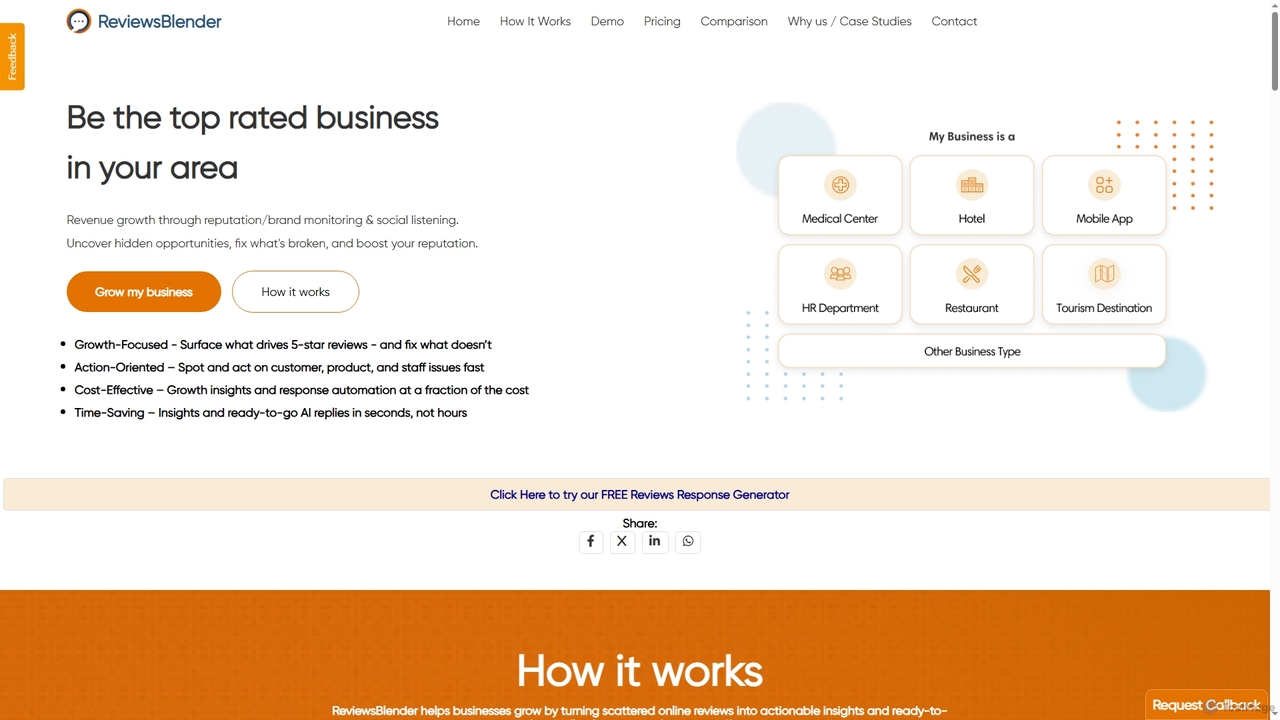
Reviewsblender is an AI-powered reputation management tool that aggregates online reviews from multiple platforms. It provides weekly actionable insights through sentiment analysis and translation, helping businesses improve ratings and customer satisfaction with AI-generated review responses delivered directly via email.

Business Intelligence
Visits 6.1KFavorites 126Likes 129
Fama
Freemium

Fama

Fama is an AI-powered reputation management and brand monitoring platform. It automatically tracks mentions, analyzes sentiment, and provides real-time insights across social media, news, and the web to help businesses protect their brand image and understand public perception.

Brand Analytics
Visits 5.9KFavorites 125Likes 138
Coindive
Freemium

Coindive

Coindive is an AI-powered crypto portfolio and community tracker. It analyzes social media platforms like Twitter, Telegram, and Reddit to provide real-time insights into community sentiment and activity. This helps investors make informed decisions by understanding the context behind price movements, not just the numbers.

Cryptocurrency
Visits 8.5KFavorites 89Likes 101
honkist
Freemium

honkist

Honkist is an AI-powered brand monitoring and social listening platform. It helps businesses track mentions of their brand, competitors, and industry keywords across the web and social media in real-time, providing actionable insights through sentiment analysis and comprehensive analytics.

Reputation Management
Visits 6KFavorites 126Likes 134
Octolens
Freemium

Octolens

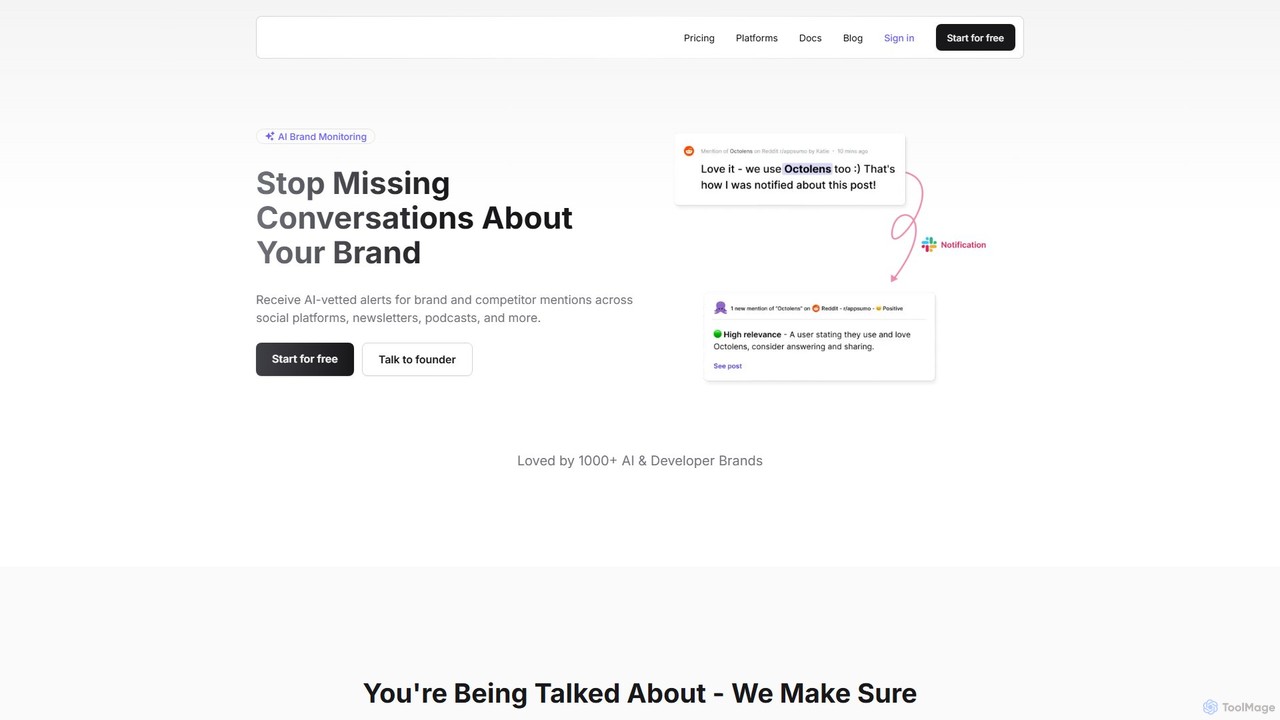
Octolens is an AI-powered brand monitoring tool designed for B2B SaaS and developer-focused companies. It automatically scans social platforms, newsletters, podcasts, and developer communities like GitHub and Hacker News for brand and competitor mentions. Its AI filters out irrelevant noise, delivering only high-impact conversations directly to your Slack, email, or webhooks, helping you manage reputation, gather feedback, and identify growth opportunities.

Brand Management
Visits 32.4KFavorites 147Likes 157
KWatch.io
Freemium

KWatch.io

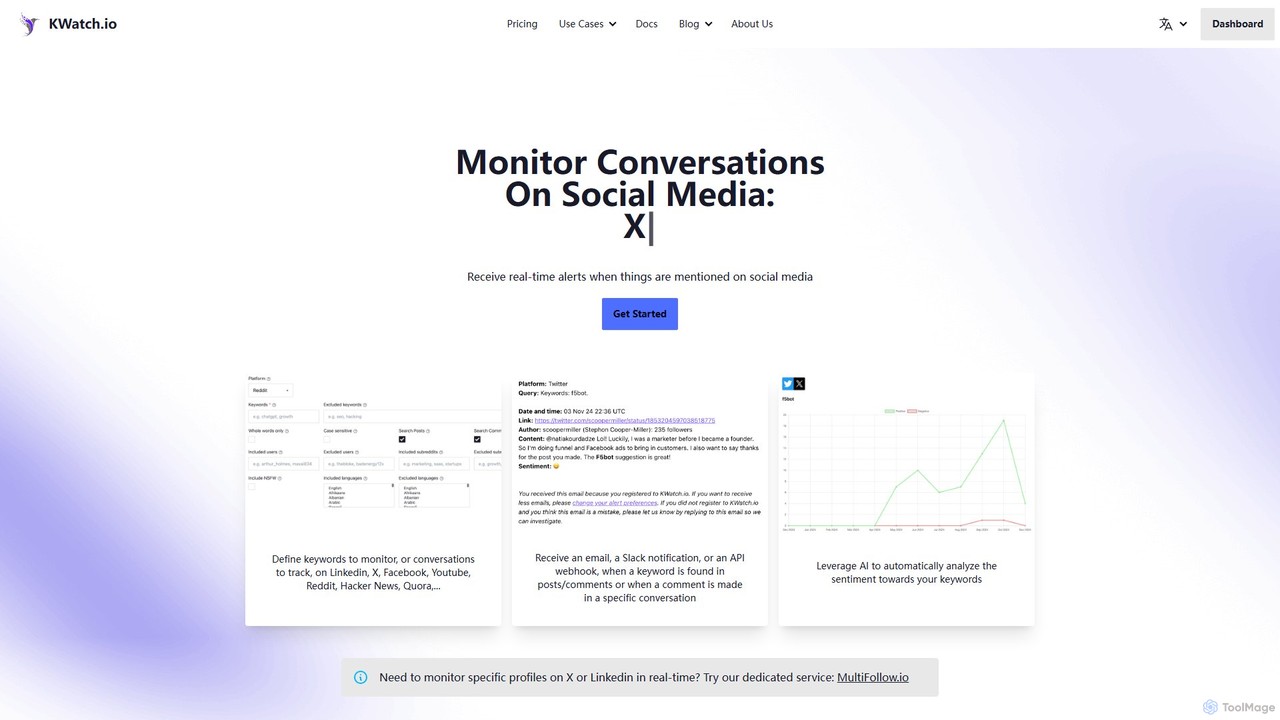
KWatch.io is an AI-powered social listening and mention tracking tool. It monitors platforms like Reddit, X (Twitter), LinkedIn, and Facebook in real-time, providing instant alerts for your keywords. With AI sentiment analysis, it helps businesses manage brand reputation, generate leads, and understand customer feedback.

Social Media Monitoring
Visits 17.8KFavorites 152Likes 158
Vibe Scan
Freemium

Vibe Scan

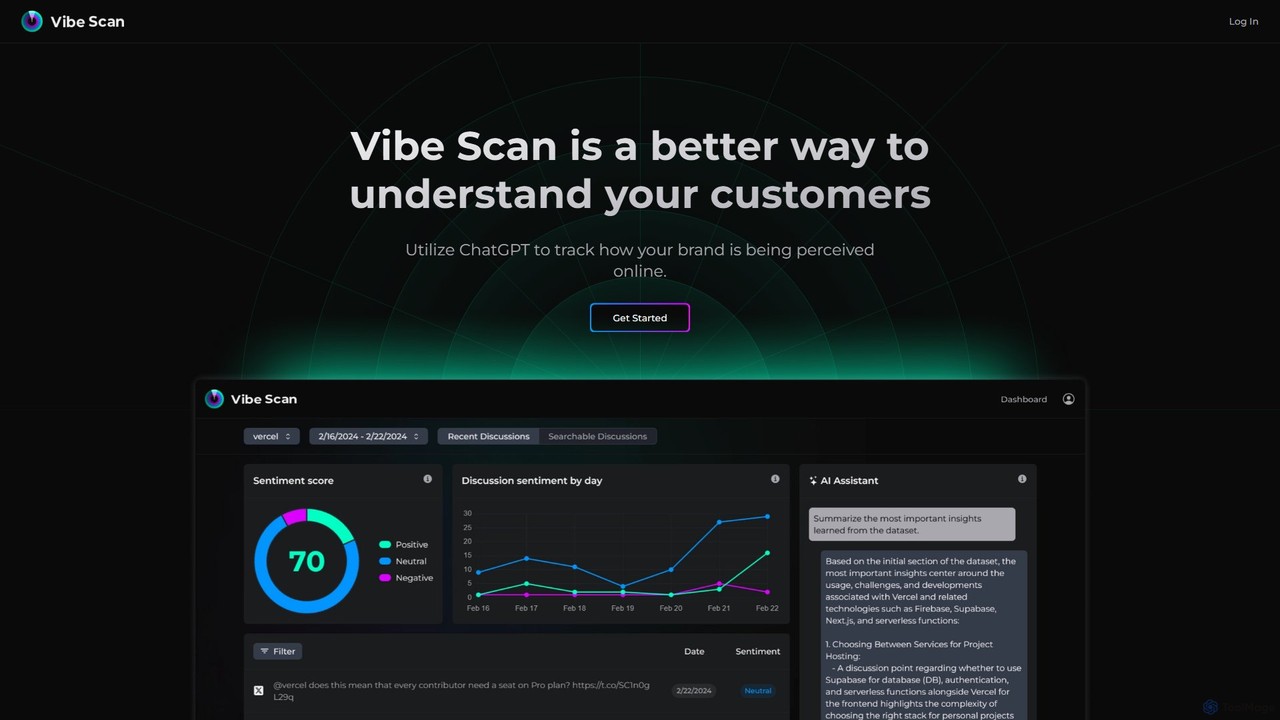
Vibe Scan is an AI-powered sentiment analysis tool that helps brands understand their online perception. It utilizes ChatGPT to scour the internet, track discussions, and aggregate them into a single dashboard. Monitor your brand's sentiment score, track competitors, and gain actionable insights with a personal AI assistant to improve your online reputation.

Brand Management
Visits 6KFavorites 123Likes 116
Ora
Paid

Ora

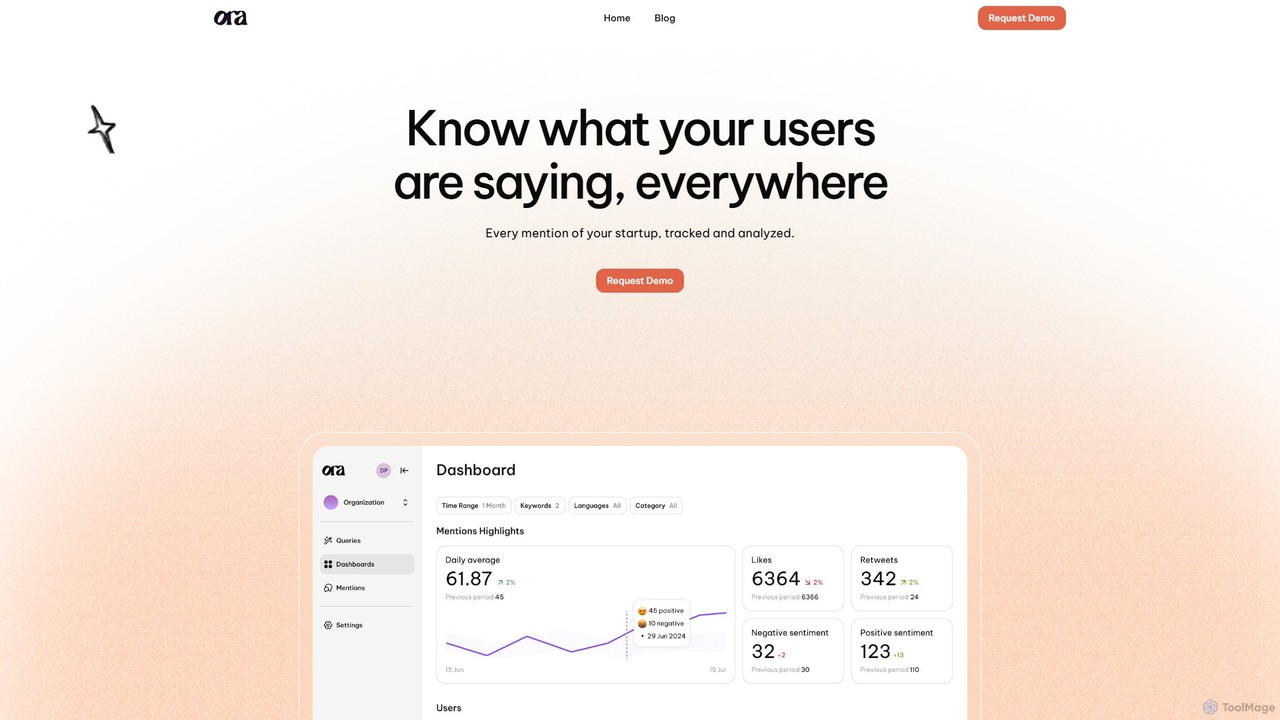
Ora is an AI-powered customer intelligence platform that provides real-time tracking and analysis of brand mentions across social media and online communities. It helps startups monitor discussions, aggregate user feedback, and identify competitor weaknesses to gain actionable insights and engage potential customers proactively.

Customer Intelligence
Visits 31.7KFavorites 132Likes 129
feeltrx
Freemium

feeltrx

feeltrx is an advanced AI platform for emotional intelligence and sentiment analysis. It analyzes text, audio, and user feedback to uncover deep emotional insights, helping businesses understand customer sentiment, improve user experience, and enhance communication strategies.

Sentiment Analysis
Visits 5.9KFavorites 136Likes 154
YouScan
Paid

YouScan

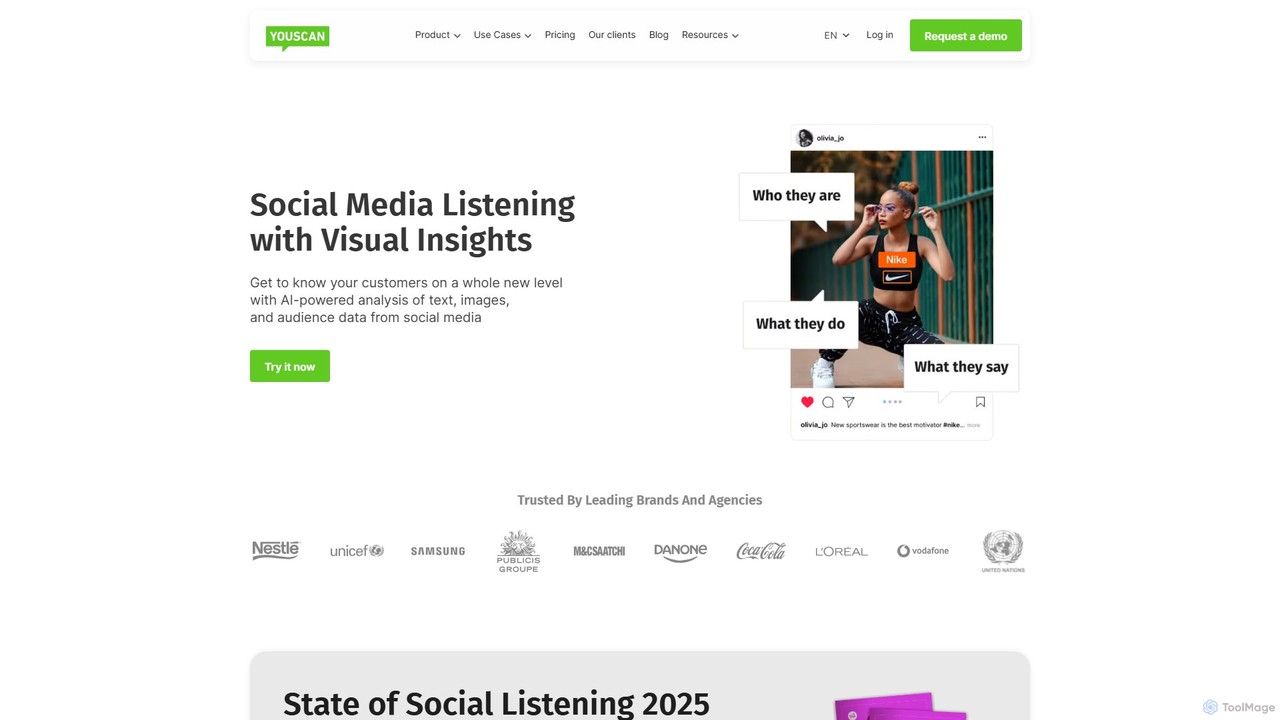
YouScan is an AI-powered social media listening platform that helps businesses analyze consumer opinions and manage brand reputation. It features industry-leading image recognition technology (Visual Insights) to detect logos, objects, and scenes in images. With its Insights Copilot, users can gain deep consumer insights from text and visual data across social media, blogs, and news sources, enabling effective brand management, competitor analysis, and trend spotting.

Brand Management
Visits 420.1KFavorites 132Likes 140
Gigalogy
Paid

Gigalogy

Gigalogy is an AI-powered customer experience management platform that analyzes conversational data from multiple channels. It helps businesses understand customer sentiment, identify key topics, and derive actionable insights to enhance products, services, and overall customer satisfaction.

Business Intelligence
Visits 6KFavorites 127Likes 136
bestregards
Freemium

bestregards

bestregards is an AI-powered review analysis platform that helps businesses aggregate, understand, and respond to customer feedback from various channels. It uses sentiment analysis and topic extraction to turn unstructured reviews into actionable insights for product improvement, reputation management, and enhanced customer satisfaction.

Data Analysis
Visits 5.9KFavorites 145Likes 122
Listener
Freemium

Listener

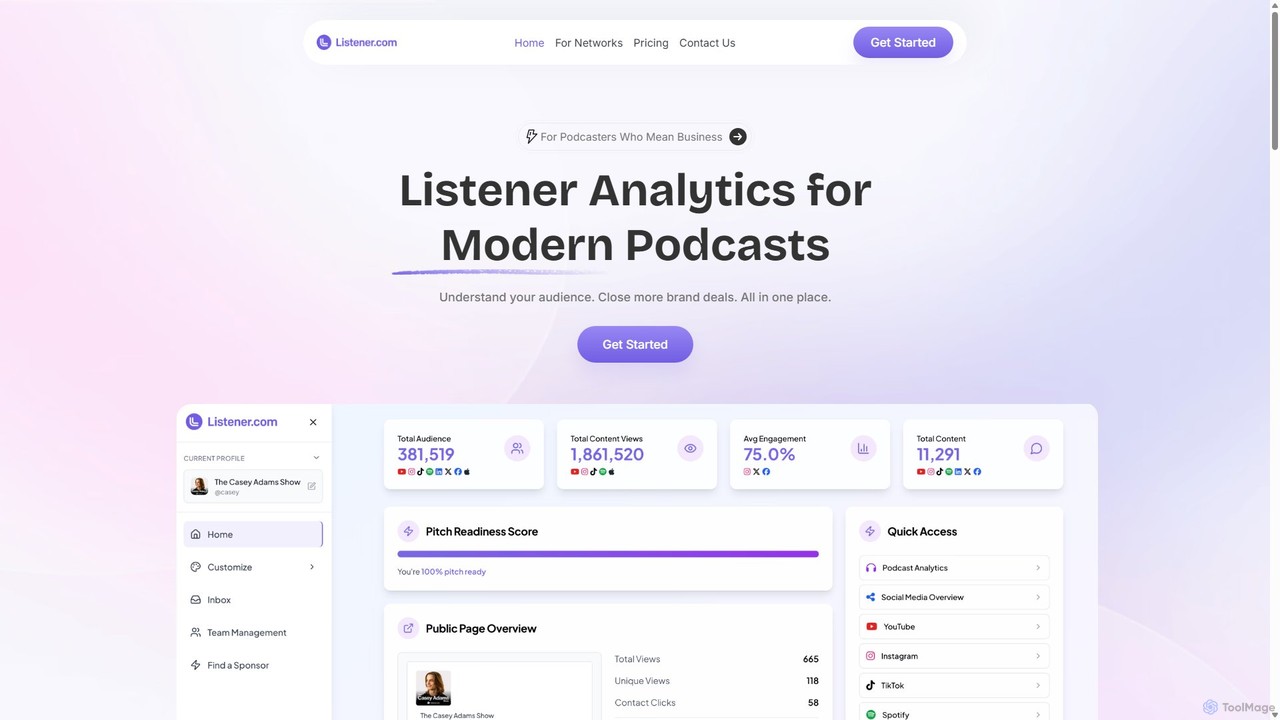
Listener is an AI-powered social listening and media monitoring platform. It helps businesses track brand mentions, analyze customer sentiment, and identify market trends across social media, news, blogs, and forums to gain actionable competitive intelligence.

Sentiment Analysis
Visits 8.7KFavorites 139Likes 150
Quantico AI
Paid

Quantico AI

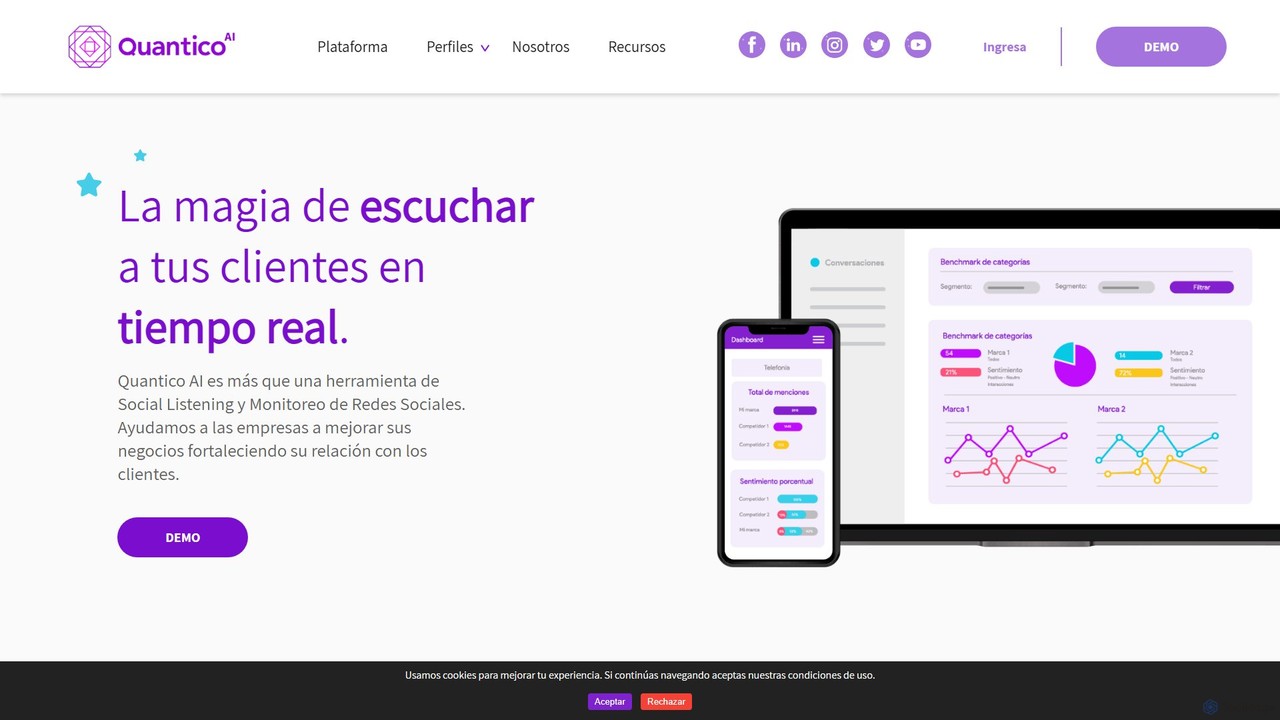
Quantico AI is an advanced social listening and media monitoring platform that uses artificial intelligence to analyze real-time online conversations. It helps businesses manage brand reputation, understand customer sentiment, identify market trends, and discover actionable business insights from social media, blogs, and other digital sources.

Business Intelligence
Visits 9.6KFavorites 109Likes 116
Dig
Paid

Dig

Dig is a Social Video Intelligence platform that helps brands monitor and analyze video content across all social channels. It decodes spoken words, visuals, and text within videos to track brand reputation, detect emerging narratives, combat disinformation, and gain consumer insights, providing a 'Video-First' approach to social listening.

Brand Management
Visits 52.1KFavorites 130Likes 142
Syncly
Freemium

Syncly

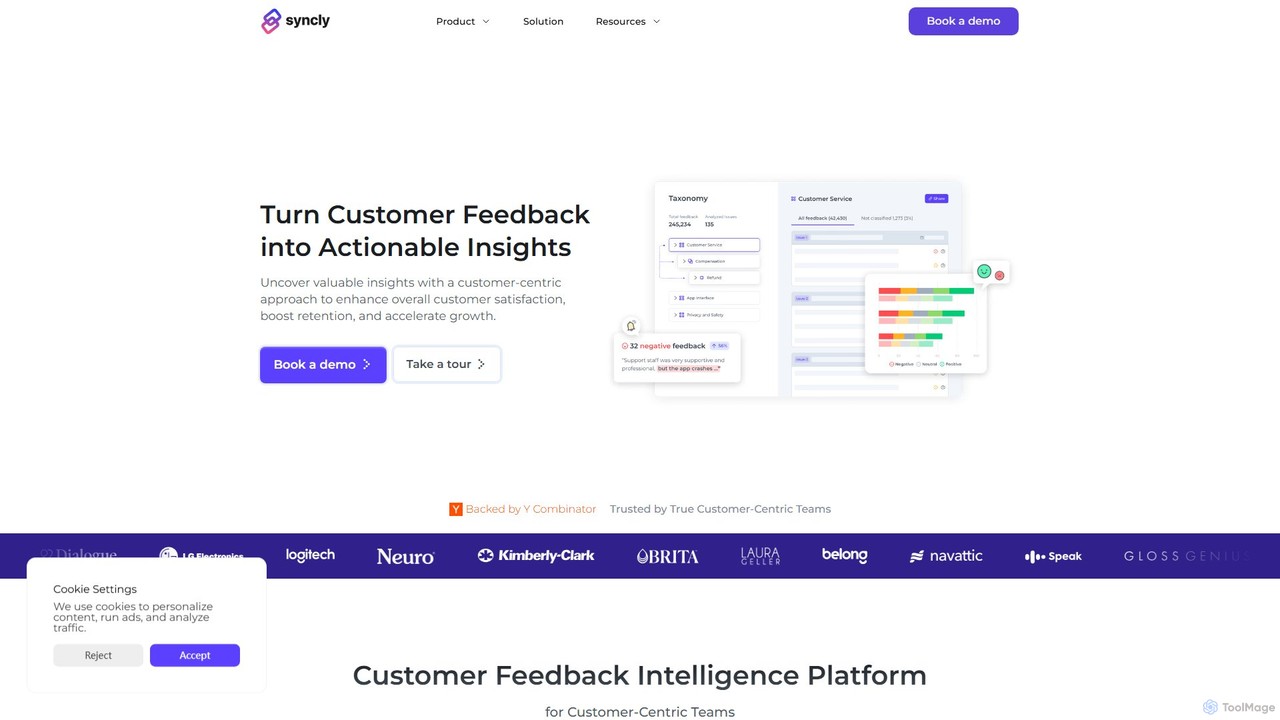
Syncly is an AI-powered customer feedback intelligence platform that centralizes feedback from various channels like emails, chats, and social media. It uses AI to analyze sentiment, identify trends, and provide actionable insights to help teams enhance customer satisfaction, prevent churn, and drive product growth.

Business Intelligence
Visits 24.8KFavorites 120Likes 117
Sentavis

Sentavis

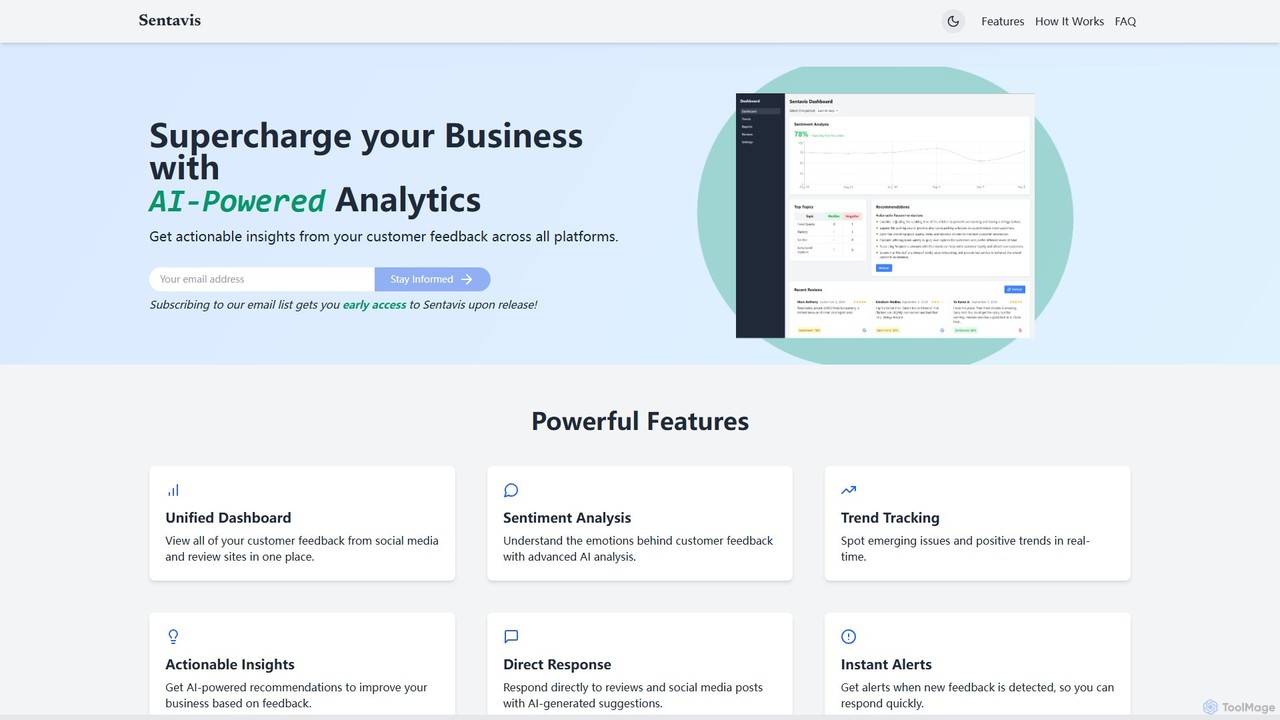
Sentavis is an AI-powered analytics platform that unifies customer feedback from social media and review sites. It provides sentiment analysis, trend tracking, and actionable insights to help businesses improve customer satisfaction and manage their online reputation.

Sentiment Analysis
Visits 6KFavorites 144Likes 147
Brand24
Freemium

Brand24

Brand24 is a leading AI-powered social listening and media monitoring tool. It enables businesses to track online mentions of their brand, products, and competitors in real-time across social media, news, blogs, podcasts, and more. With features like sentiment analysis, share of voice measurement, and an AI Brand Assistant, it provides actionable insights to manage brand reputation, analyze marketing campaigns, and understand customer sentiment.

Competitive Intelligence
Visits 256.6KFavorites 184Likes 141
CustomerPing
Freemium

CustomerPing

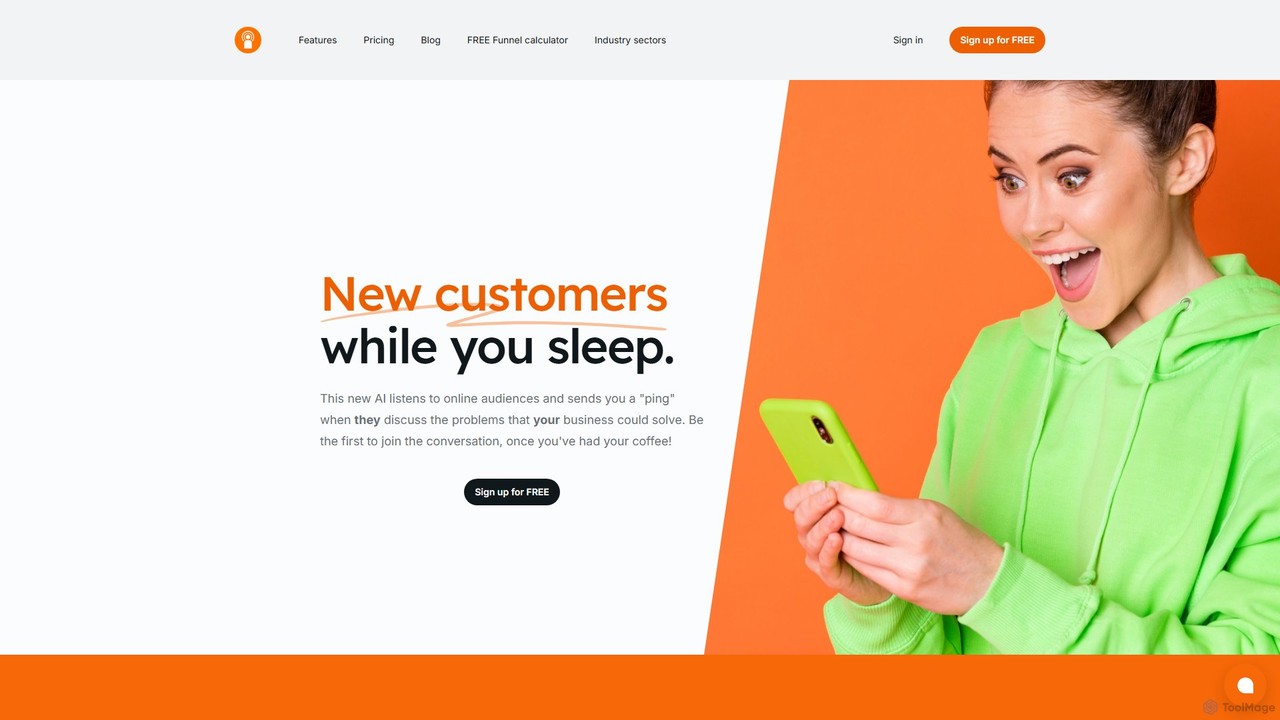
CustomerPing is an AI-powered tool that automates customer discovery. It monitors online forums and communities to find potential customers actively discussing problems your business can solve, sending you real-time alerts ("pings") to engage with them.

Social Media Monitoring
Visits 7.3KFavorites 123Likes 129
Sushidata Analytics
Paid

Sushidata Analytics

Sushidata Analytics is an AI-powered platform for fully automated marketing operations. It specializes in brand reputation management, competitive intelligence, and sentiment analysis by monitoring online reviews and social media. It helps businesses safeguard growth, identify key trends, and engage with customers proactively.

Competitive Intelligence
Visits 5.8KFavorites 126Likes 125
Mentions
Freemium

Mentions

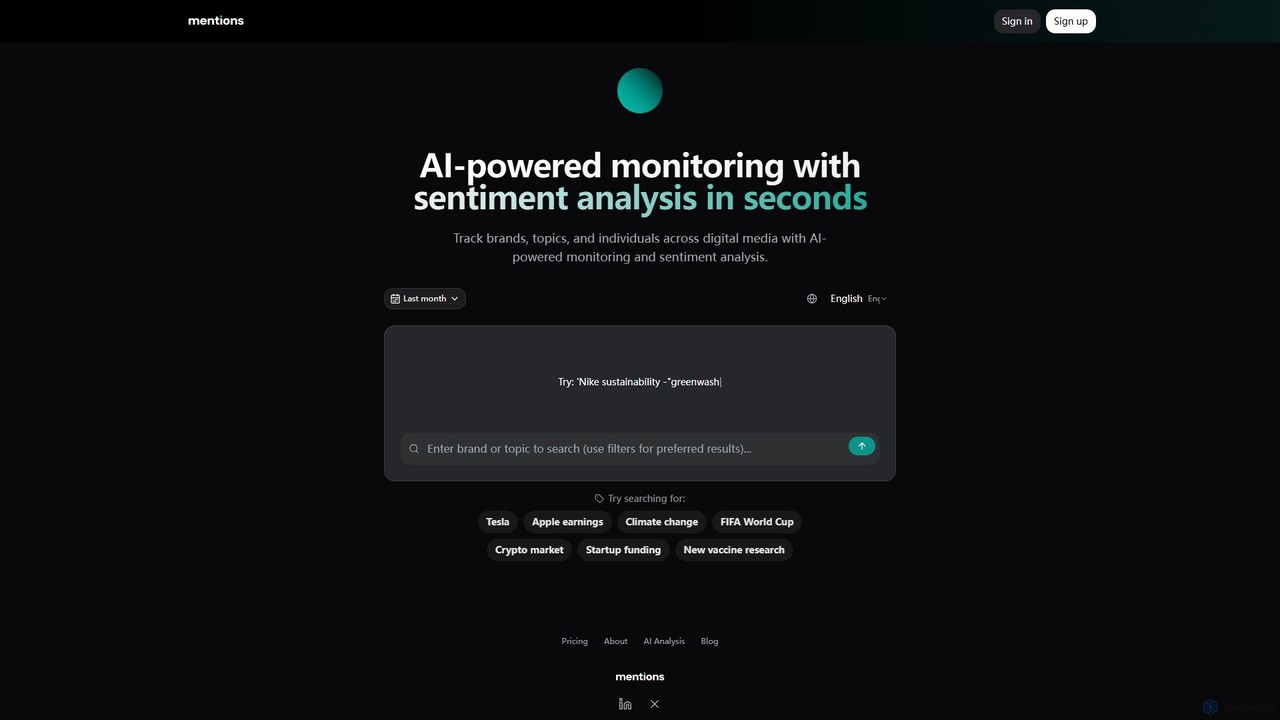
Mentions is an AI-powered media monitoring platform that enables users to track brands, topics, and individuals across digital media in real-time. It provides advanced sentiment analysis, competitive intelligence, and actionable insights to help businesses manage their reputation, identify opportunities, and make data-driven decisions.

Reputation Management
Visits 6KFavorites 162Likes 149

About Social Media Monitoring

Social Media Monitoring tools are AI-powered platforms designed to track, analyze, and respond to conversations about specific keywords, brands, or topics across social networks. These tools leverage Natural Language Processing (NLP) to perform real-time sentiment analysis, identify emerging trends, and categorize public mentions. They are essential for managing brand reputation, understanding customer sentiment, and conducting in-depth competitive analysis. Unlike social media management tools focused on publishing, monitoring platforms provide deep, actionable insights into public perception and market dynamics.

Core Features

  • Real-time Mention Tracking: Continuously scans social media, blogs, and forums for mentions of your brand, products, or keywords.
  • Sentiment Analysis: Automatically classifies mentions as positive, negative, or neutral to gauge public opinion.
  • Trend Identification: Detects spikes in conversation volume and emerging topics relevant to your industry.
  • Competitive Analysis: Monitors competitors' social media activities, share of voice, and audience sentiment.
  • Customizable Dashboards & Alerts: Provides visual reports and sends real-time notifications for critical mentions or trend shifts.

Use Cases

These tools are widely used by marketing departments, public relations teams, and brand strategists. Common applications include proactive brand reputation management, measuring the impact of marketing campaigns, gathering unsolicited customer feedback for product development, and identifying potential brand crises before they escalate.

How to Choose

When selecting a Social Media Monitoring tool, consider the scope of platform coverage (which social networks are monitored), the accuracy and language support of its sentiment analysis, its integration capabilities with other tools like CRM or helpdesks, and the flexibility of its alerting and reporting systems. The user interface and overall ease of use are also important factors for team adoption.

Featured tool rankings

Social Media Monitoring use cases

1

Proactive Brand Reputation Management

A public relations manager sets up real-time alerts for their company's name and key products. When a prominent tech blog posts a critical review, the tool immediately flags the negative sentiment and high-reach source. The PR team is notified within minutes, allowing them to draft and publish a measured response on social media and engage with the reviewer directly, mitigating potential damage before the story spreads widely.

2

Proactive Brand Reputation Management

A public relations manager for a global consumer brand uses a social media monitoring tool to track brand mentions 24/7. The AI sets up real-time alerts for keywords indicating a potential crisis (e.g., 'product recall,' 'safety issue'). When a spike in negative sentiment is detected on Twitter, the manager is instantly notified. This allows the PR team to investigate the issue, draft a response, and engage with concerned customers within minutes, preventing the situation from escalating into a major news story and protecting brand trust.

3

Competitor Strategy Analysis

A marketing strategist at a SaaS company tracks keywords related to a competitor's new feature launch. Using the monitoring tool's dashboard, they analyze the volume of conversation, the overall sentiment (positive, negative, neutral), and key discussion points. They discover that while the launch generated buzz, many users are complaining about a missing integration. This insight allows them to prioritize developing a similar feature with the requested integration, creating a key competitive advantage.

4

Gathering Unsolicited Product Feedback

A product manager for a SaaS company wants to understand how users feel about a newly launched feature. Instead of relying solely on surveys, they use a monitoring tool to track conversations mentioning the feature on Reddit, developer forums, and LinkedIn. The AI's sentiment analysis quickly highlights common points of frustration and praise. The manager discovers a critical bug mentioned in a niche forum that wasn't reported through official channels, allowing the development team to release a patch swiftly and improve user satisfaction.

5

Customer Feedback for Product Improvement

A product manager for a mobile app monitors social media for mentions of their app's name alongside terms like "bug," "wish," "feature request," and "problem." The tool aggregates these mentions, and its AI categorizes them by topic. The manager identifies a recurring request for a dark mode feature. They present this data, complete with user quotes and volume metrics, to the development team, providing a strong, data-backed case for adding it to the next product update.

6

Identifying Industry Influencers for Collaboration

A marketing team at a startup is planning an influencer marketing campaign. They use a social media monitoring tool to identify influential voices in their niche, not just by follower count, but by engagement rate and relevance. The tool analyzes conversations around key industry topics and surfaces authors whose posts generate significant, positive discussion. This data-driven approach helps the team discover authentic micro-influencers with a highly engaged audience, leading to more effective partnerships and a higher campaign ROI compared to simply targeting accounts with large followings.

7

Measuring Marketing Campaign Impact

For a major product launch, a marketing team tracks the official campaign hashtag (FutureTechNow) and related keywords. The social media monitoring tool provides a dashboard showing the campaign's reach, impressions, and share of voice over time. More importantly, sentiment analysis reveals that while the hashtag is trending, a significant portion of the conversation is neutral. This prompts the team to launch a follow-up influencer campaign to generate more positive, emotionally resonant content and shift public perception.

8

Conducting Competitive Intelligence

A marketing strategist at an e-commerce company sets up monitoring for their top three competitors. The tool tracks competitors' new product announcements, marketing campaigns, and customer complaints. By analyzing the sentiment around a competitor's recent campaign, the strategist identifies that customers found the messaging confusing. This insight allows their own team to craft a clearer, more effective campaign for their upcoming product launch, avoiding a similar pitfall and gaining a competitive edge.

9

Tracking Campaign Performance and ROI

After launching a major holiday campaign, a social media manager uses a monitoring tool to measure its impact beyond simple likes and shares. The tool tracks the campaign hashtag across all major platforms, calculating metrics like 'Share of Voice' compared to competitors and overall sentiment. The AI-generated reports show that while the campaign had high engagement, the sentiment was mixed. This detailed analysis helps the manager report a nuanced ROI to stakeholders and provides actionable insights for improving the messaging in future campaigns.

10

Identifying Sales Leads and Opportunities

A sales development representative for a project management software company monitors keywords indicating purchase intent, such as "looking for a Trello alternative" or "need a better project tool." When a user posts a public query matching these criteria, the tool alerts the rep. The rep can then engage directly with a helpful, non-intrusive comment, offering a solution or a link to a free trial, effectively turning a public conversation into a warm sales lead.

11

Discovering and Vetting Industry Influencers

A brand manager wants to partner with micro-influencers in the sustainable fashion niche. They use a monitoring tool to track conversations around relevant hashtags like EcoFashion and SlowStyle. The tool identifies authors who consistently generate high engagement and positive sentiment. The manager can then analyze these potential influencers' past content and audience demographics directly within the platform to ensure they align with the brand's values before initiating outreach, saving hours of manual research.

12

Identifying Emerging Market Trends

A market research analyst for a fashion brand uses a monitoring tool to track conversations around sustainability and ethical production. The AI identifies a rising trend of consumers discussing 'circular fashion' and 'clothing rental services'. The tool surfaces popular hashtags and key articles driving this conversation. This early detection allows the analyst to present a comprehensive report to the strategy team, influencing them to explore a new business model centered on rentals, putting them ahead of competitors who are slower to react to this market shift.

Social Media Monitoring FAQ

What is AI-powered Social Media Monitoring?

AI-powered Social Media Monitoring is the use of automated tools to track, gather, and analyze public conversations about a brand, topic, or keyword across social media and the web. Unlike manual searching, these tools use AI, particularly Natural Language Processing (NLP), to understand the sentiment (positive, negative, neutral) and context of millions of mentions in real-time. This provides businesses with large-scale insights into brand health, customer feedback, and market trends without the need for extensive manual labor.

What is AI-powered Social Media Monitoring?

AI-powered Social Media Monitoring is the process of using artificial intelligence to automatically track, collect, and analyze conversations on social media platforms. Unlike manual searching, these tools use technologies like Natural Language Processing (NLP) to understand the sentiment (positive, negative, neutral) and context of mentions in real-time. This allows businesses to gain large-scale insights into brand health, customer opinions, and market trends without needing to read every single post manually.

What is the difference between Social Media Monitoring and Social Media Management?

The key difference lies in their primary focus. Social Media Monitoring is about listening. It involves tracking and analyzing conversations across the internet to gather insights, understand public sentiment, and identify trends. It's a data-gathering and analysis function. Social Media Management, on the other hand, is about publishing and engaging. It involves scheduling posts, creating content, responding to comments and messages, and managing a brand's own social media profiles. While some tools offer both functions, monitoring is focused on inbound data, while management is focused on outbound content and direct interaction.

What's the difference between Social Media Monitoring and Social Media Management?

The key difference lies in their primary focus. Social Media Monitoring is about listening—tracking conversations, analyzing data, and gathering insights from across the social web. It's an analytical, inbound process. Social Media Management is about acting—publishing content, scheduling posts, engaging with followers, and managing your brand's own social profiles. It's a content-focused, outbound process. While some tools offer both functions, monitoring tools specialize in providing deep data analysis and broad listening capabilities.

How do I choose the right Social Media Monitoring tool?

To choose the right tool, evaluate these key factors based on your specific needs:

  • Platform Coverage: Does it monitor the platforms where your audience is most active (e.g., X, Instagram, Reddit, TikTok, news sites)?
  • Analytical Depth: How accurate is its sentiment analysis? Does it support multiple languages and identify emerging trends effectively?
  • Alerting & Reporting: Can you set up customizable, real-time alerts for crises? Are the reporting dashboards easy to understand and share?
  • Integration: Can it connect with your existing workflow tools, such as Slack, Zendesk, or a CRM system?
  • Budget: Pricing can vary significantly. Determine your budget and compare it against the features offered by different tools.
How do you choose the right Social Media Monitoring tool?

Choosing the right tool depends on your specific needs. Consider these factors:

  • Data Sources: Does the tool cover the platforms most relevant to your audience (e.g., Twitter, Reddit, forums, news sites, TikTok)?
  • Analytical Depth: How accurate is its sentiment analysis? Does it provide demographic data, trend analysis, and competitive benchmarking?
  • Alerts and Reporting: Can you customize real-time alerts for crises? Are the reports easy to understand and share with stakeholders?
  • Budget and Scalability: What is the pricing model (per user, per mention)? Can the tool grow with your needs?
  • Integrations: Can it connect with your existing tools, such as CRM, customer support software, or business intelligence platforms?
What kind of data can Social Media Monitoring tools analyze?

These tools can analyze a wide range of public data. Key data points include:

  • Textual Data: Posts, comments, reviews, articles, and forum discussions. This is where sentiment analysis and topic modeling are applied.
  • Quantitative Metrics: Volume of mentions, reach (potential audience size), engagement rates (likes, shares, comments), and share of voice (your brand's conversation volume vs. competitors).
  • Author Data: Identifying influential authors, their follower counts, and sometimes basic demographic information like location or language.
  • Visual Data: Some advanced tools can perform logo recognition and visual listening, identifying your brand in images even without a text mention.
What are the key features of a Social Media Monitoring tool?

Most effective Social Media Monitoring tools include a combination of these core features:

  • Keyword and Mention Tracking: The ability to track specific words, hashtags, brand names, and even competitor names across multiple platforms.
  • Sentiment Analysis: AI-driven classification of mentions into positive, negative, or neutral categories.
  • Data Analytics and Reporting: Visual dashboards that show trends over time, share of voice, key topics, and demographic data.
  • Real-time Alerts: Customizable notifications sent via email or other channels when specific criteria are met (e.g., a spike in negative mentions).
  • Influencer Identification: Tools to find and rank influential accounts that are relevant to your industry or keywords.
Is Social Media Monitoring legal and ethical?

Yes, when done correctly. Social Media Monitoring tools primarily analyze publicly available data—information that users have chosen to share openly on social platforms, blogs, or forums. Ethical use involves respecting user privacy and adhering to the terms of service of each platform. The practice is standard for market research, brand management, and customer service. It becomes problematic only if it involves accessing private data without consent or using the collected information for malicious purposes.

Who should use Social Media Monitoring tools?

Social Media Monitoring tools are valuable for a wide range of professionals. Marketers use them to track campaign performance and conduct market research. Public Relations (PR) teams rely on them for reputation management and crisis detection. Customer Support agents can identify and address customer issues proactively. Product Managers gather unfiltered user feedback to inform development. Even Sales teams can use them to find potential leads who are publicly asking for recommendations.