Business Best in category 4 results Customer Intelligence AI Tool

Popular AI tools in the Customer Intelligence field of Business include Common Room、Faraday、Ora、B2Metric, etc., helping you quickly improve efficiency.

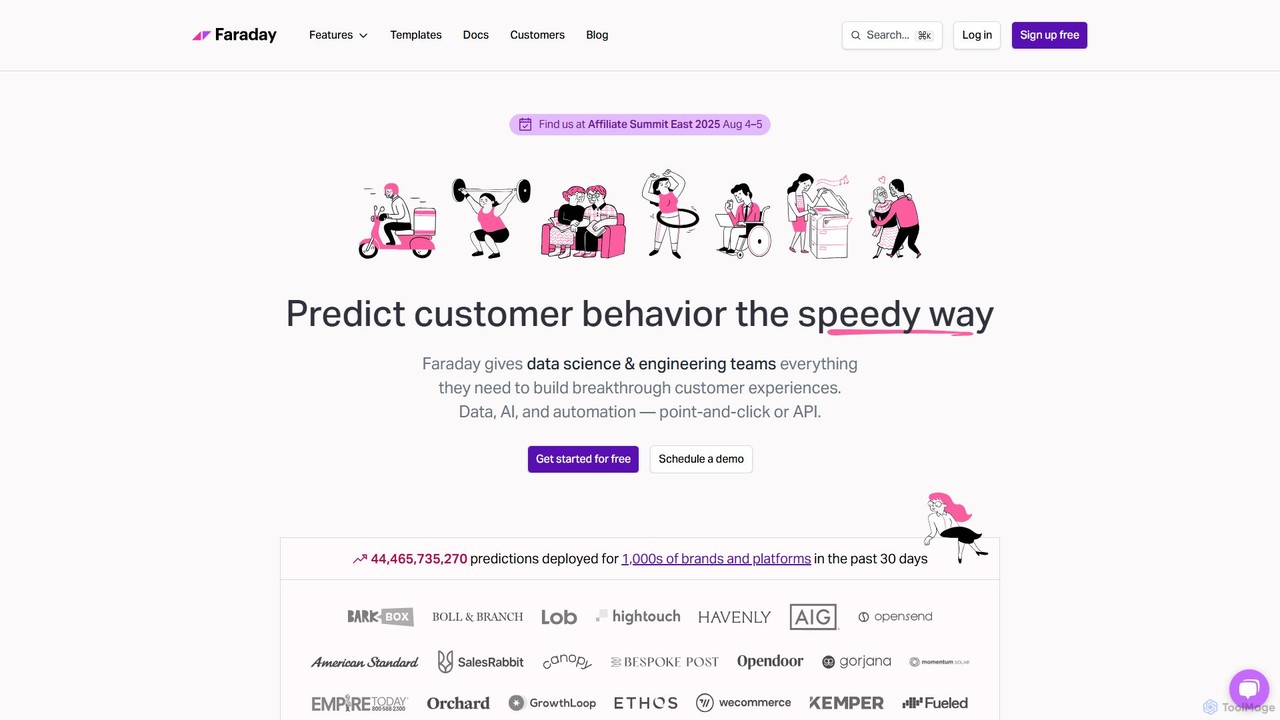
Faraday

Faraday

Faraday is an AI platform that predicts customer behavior, enabling brands to forecast actions like purchases, churn, and …

14.7K
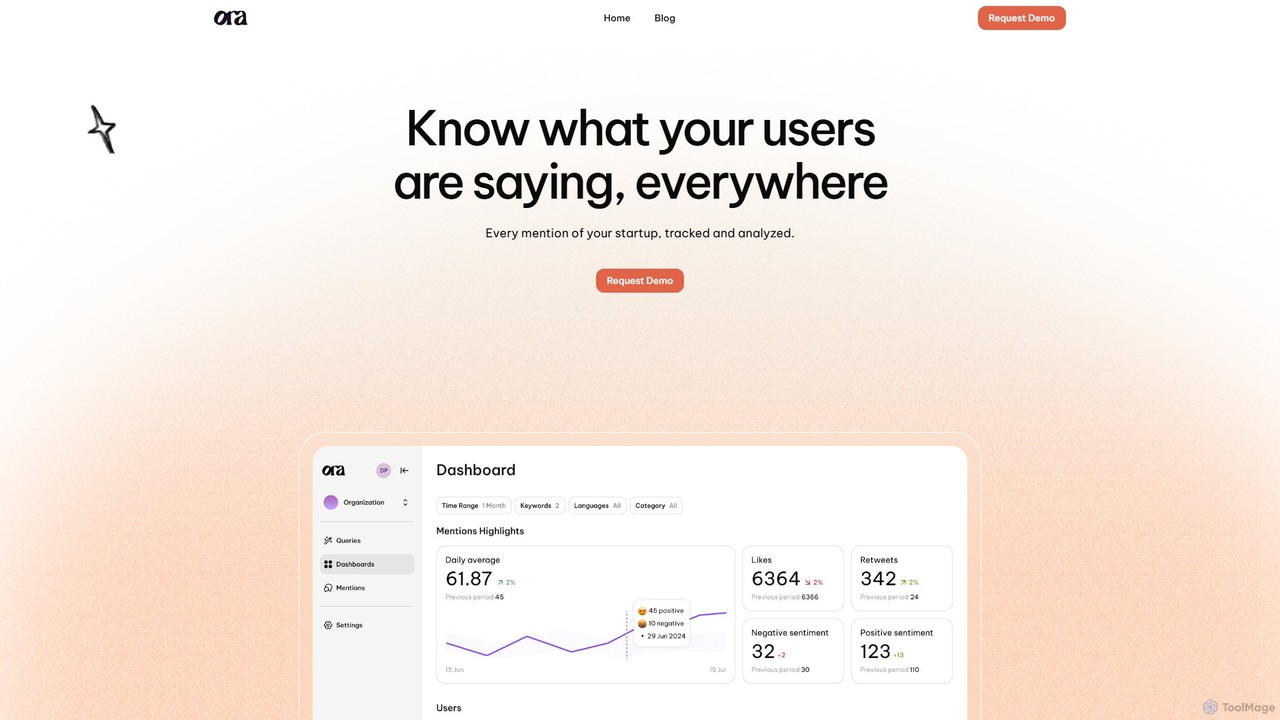
Ora

Ora

Ora is an AI-powered customer intelligence platform that provides real-time tracking and analysis of brand mentions across social …

14.3K
Common Room

Common Room

Common Room is an AI-powered customer intelligence platform designed for go-to-market (GTM) teams. It automatically captures buying signals …

96.0K
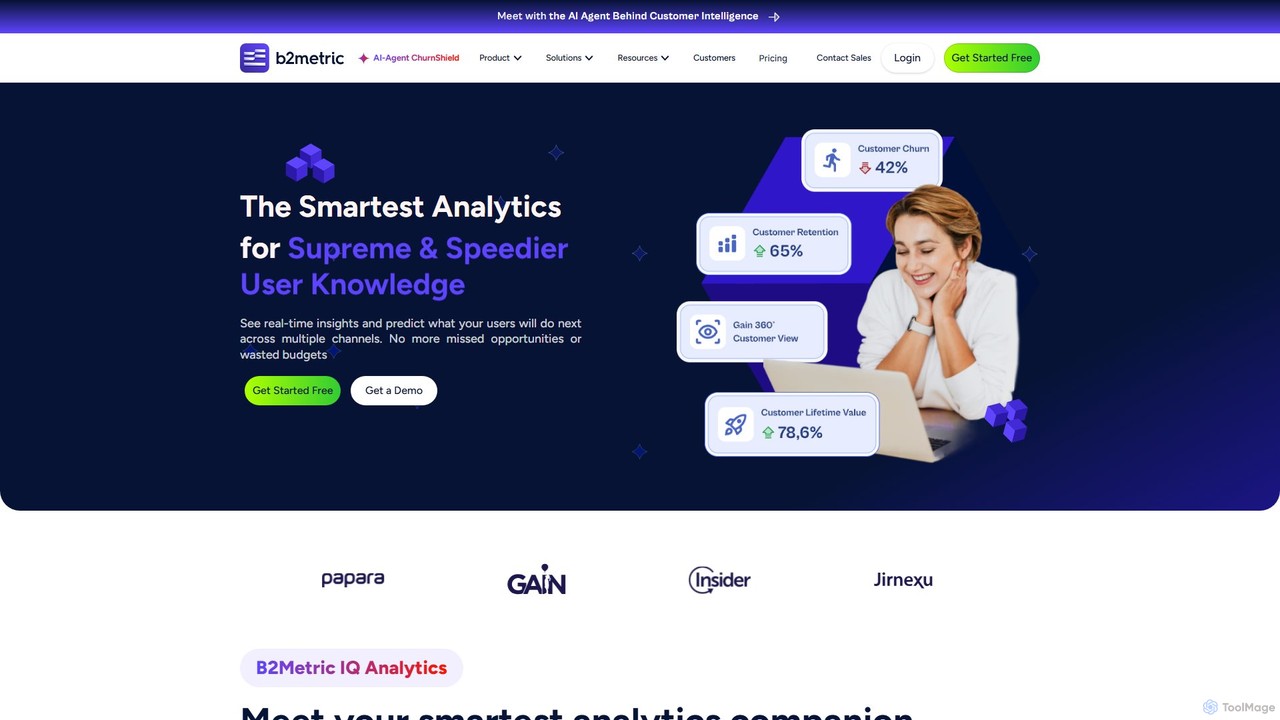
B2Metric

B2Metric

B2Metric is an AI-powered Customer Intelligence Platform that combines a Customer Data Platform (CDP) with advanced analytics. It …

7.7K

About Customer Intelligence

Customer Intelligence tools are AI-powered solutions designed to collect, analyze, and interpret vast amounts of customer data. These tools leverage advanced analytics, machine learning, and natural language processing to uncover deep insights into customer behavior, preferences, and needs. By transforming raw data into actionable intelligence, they empower businesses to make informed decisions, personalize experiences, and optimize strategies across marketing, sales, and customer service. This category is a crucial component of modern business strategy, enabling a truly customer-centric approach.

Core Features

  • Data Aggregation & Integration: Consolidates customer data from various sources like CRM, social media, web analytics, and transactions.
  • Predictive Analytics: Forecasts future customer behavior, such as purchase likelihood, churn risk, or next best action.
  • Customer Segmentation: Automatically groups customers into distinct segments based on shared characteristics and behaviors.
  • Sentiment Analysis: Analyzes customer feedback from text and speech to gauge emotional tone and overall satisfaction.
  • Customer Journey Mapping: Visualizes and analyzes the entire customer interaction path to identify pain points and opportunities.

Applicable Scenarios

Customer Intelligence tools are indispensable for businesses aiming to deepen their understanding of their audience. Marketing teams use them to create highly personalized campaigns and improve ROI. Sales departments leverage insights to identify high-potential leads and tailor pitches. Customer service teams utilize them to anticipate needs and provide proactive support, enhancing satisfaction and loyalty. Product development also benefits by understanding feature demand and user experience.

How to Choose

When selecting a Customer Intelligence tool, consider its data integration capabilities with your existing systems (CRM, ERP, marketing automation). Evaluate the sophistication of its AI and machine learning models for accurate predictions and insights. Assess its scalability to handle growing data volumes and user bases. Look for robust reporting and visualization features that make insights easily digestible, and ensure compliance with data privacy regulations like GDPR or CCPA.

Customer IntelligenceUse Cases

1

Optimizing Personalized Marketing Campaigns

Marketing managers utilize Customer Intelligence tools to segment their audience with precision, identifying distinct groups based on demographics, purchase history, and behavioral patterns. By understanding each segment's unique preferences and pain points, they can craft highly targeted messaging and offers. This leads to increased engagement rates, higher conversion rates, and a more efficient allocation of marketing spend, moving beyond generic campaigns to truly resonate with individual customers.

2

Predicting and Preventing Customer Churn

Subscription-based businesses or service providers leverage Customer Intelligence to identify customers at high risk of churning. By analyzing historical data, usage patterns, and sentiment, AI models can flag potential churners before they leave. This allows customer success teams to proactively intervene with targeted retention strategies, such as personalized offers, improved support, or addressing specific pain points, significantly reducing customer attrition and protecting revenue streams.

3

Enhancing Customer Service and Support

Customer service teams use Customer Intelligence to gain a 360-degree view of each customer before and during interactions. By accessing insights into past interactions, purchase history, preferences, and even sentiment, agents can provide more personalized, efficient, and empathetic support. This reduces resolution times, improves first-contact resolution rates, and significantly boosts customer satisfaction, transforming support from a cost center into a loyalty driver.

4

Informing Product Development and Innovation

Product managers leverage Customer Intelligence to understand what features customers truly value, what pain points they experience, and what new functionalities they desire. By analyzing feedback from surveys, social media, support tickets, and usage data, CI tools provide actionable insights that guide product roadmaps. This ensures that new products and features are developed in alignment with market demand and customer needs, leading to higher adoption rates and greater customer satisfaction.

5

Optimizing Sales Lead Scoring and Qualification

Sales teams utilize Customer Intelligence to enhance their lead scoring models. By integrating customer data from various touchpoints, CI tools can assess a lead's potential value, engagement level, and likelihood to convert with greater accuracy. This allows sales representatives to prioritize high-quality leads, focus their efforts on prospects most likely to close, and tailor their outreach strategies, resulting in improved sales efficiency and higher conversion rates for the sales pipeline.

6

Identifying Market Trends and Opportunities

Business strategists and market researchers leverage Customer Intelligence to analyze broad customer data sets, including social media conversations, review sites, and search queries, to identify emerging market trends, shifts in consumer preferences, and unmet needs. These insights enable businesses to proactively adapt their offerings, explore new market segments, and identify competitive advantages, ensuring long-term relevance and fostering innovation in a dynamic marketplace.

Customer IntelligenceFrequently Asked Questions