ToolMage
Sign in

Best 7 Reputation Management AI tools for Business

Popular Reputation Management AI tools in Business include Profound, Yext, Truescope, Ethicly.AI, honkist, Mentions, and Sentavis, helping you work more efficiently.

Yext
Paid

Yext

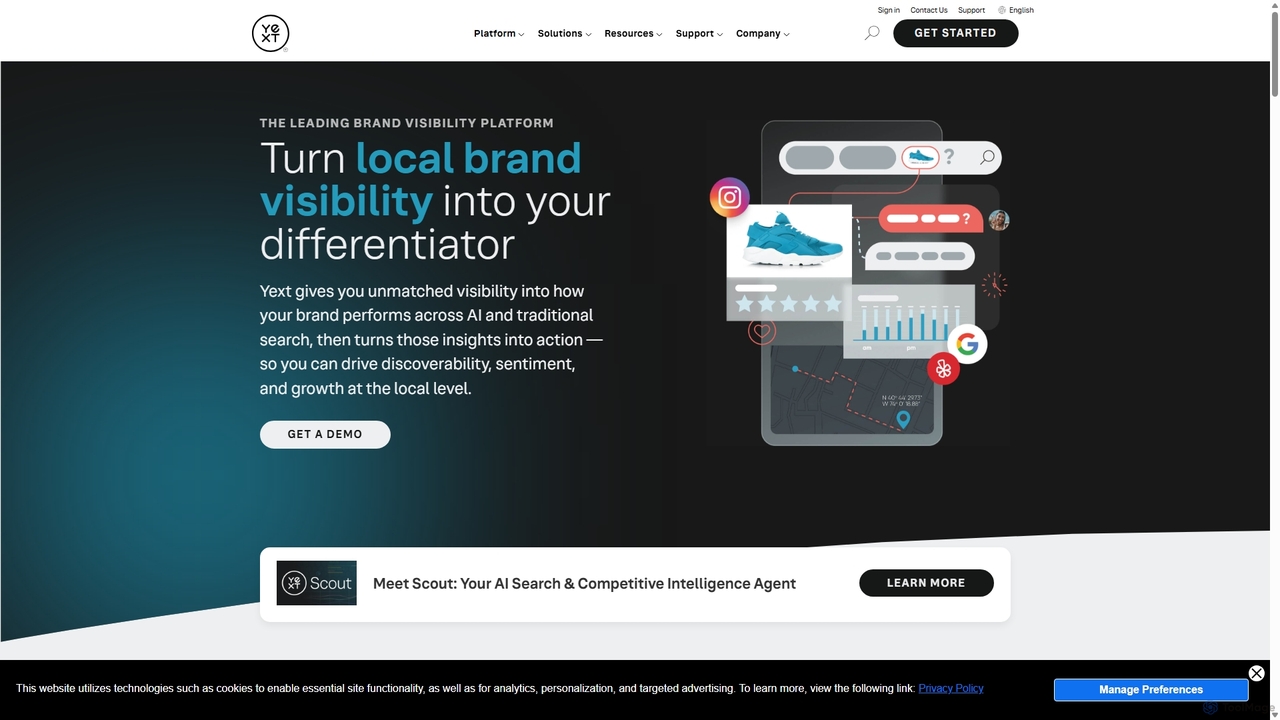
Yext is an AI-powered brand visibility platform designed for multi-location businesses. It helps companies manage their digital presence across search engines, maps, listings, reviews, and social media. By structuring brand data for AI, Yext ensures accurate information is discoverable everywhere, driving local engagement and customer conversions.

Reputation Management
Visits 283.9KFavorites 171Likes 173
honkist
Freemium

honkist

Honkist is an AI-powered brand monitoring and social listening platform. It helps businesses track mentions of their brand, competitors, and industry keywords across the web and social media in real-time, providing actionable insights through sentiment analysis and comprehensive analytics.

Reputation Management
Visits 5.8KFavorites 126Likes 133
Truescope
Paid

Truescope

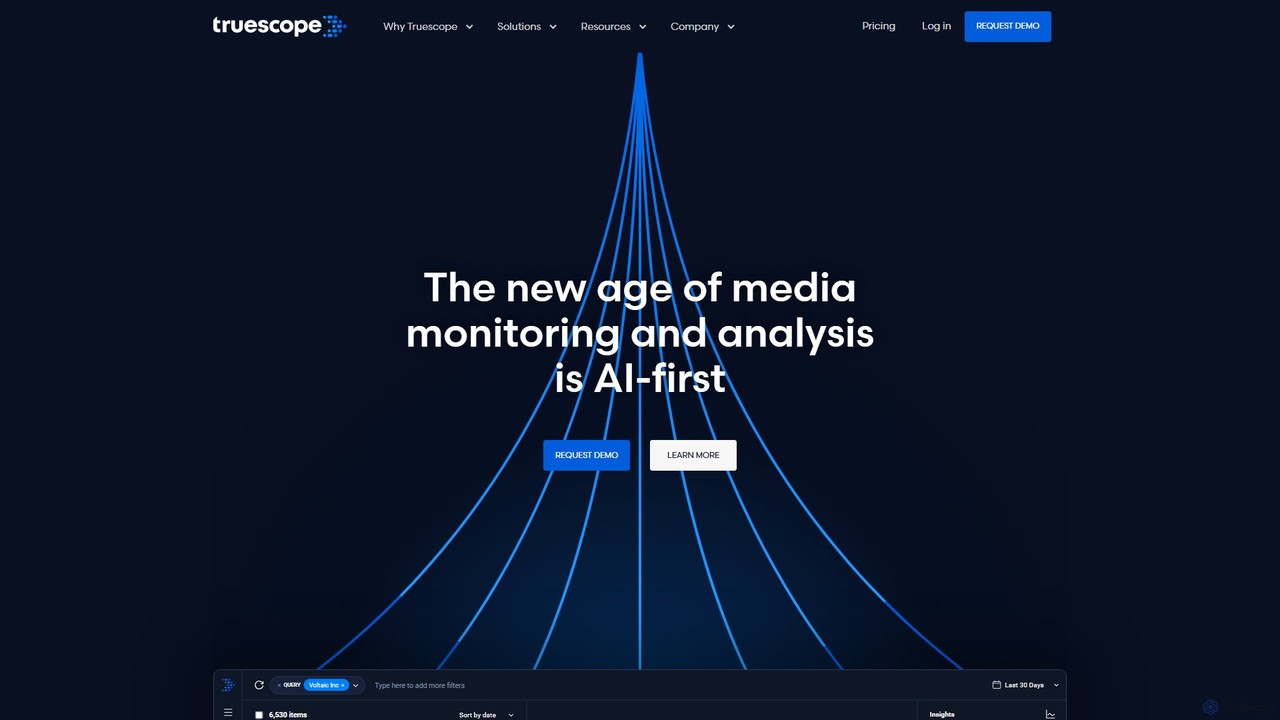
Truescope is an AI-first media intelligence platform offering real-time media monitoring, social listening, and in-depth analysis. It empowers communications, PR, government, and marketing professionals to track brand reputation, manage crises, analyze sentiment, and derive actionable insights from a vast array of mainstream and social media sources.

Reputation Management
Visits 45KFavorites 109Likes 111
Ethicly.AI
Free

Ethicly.AI

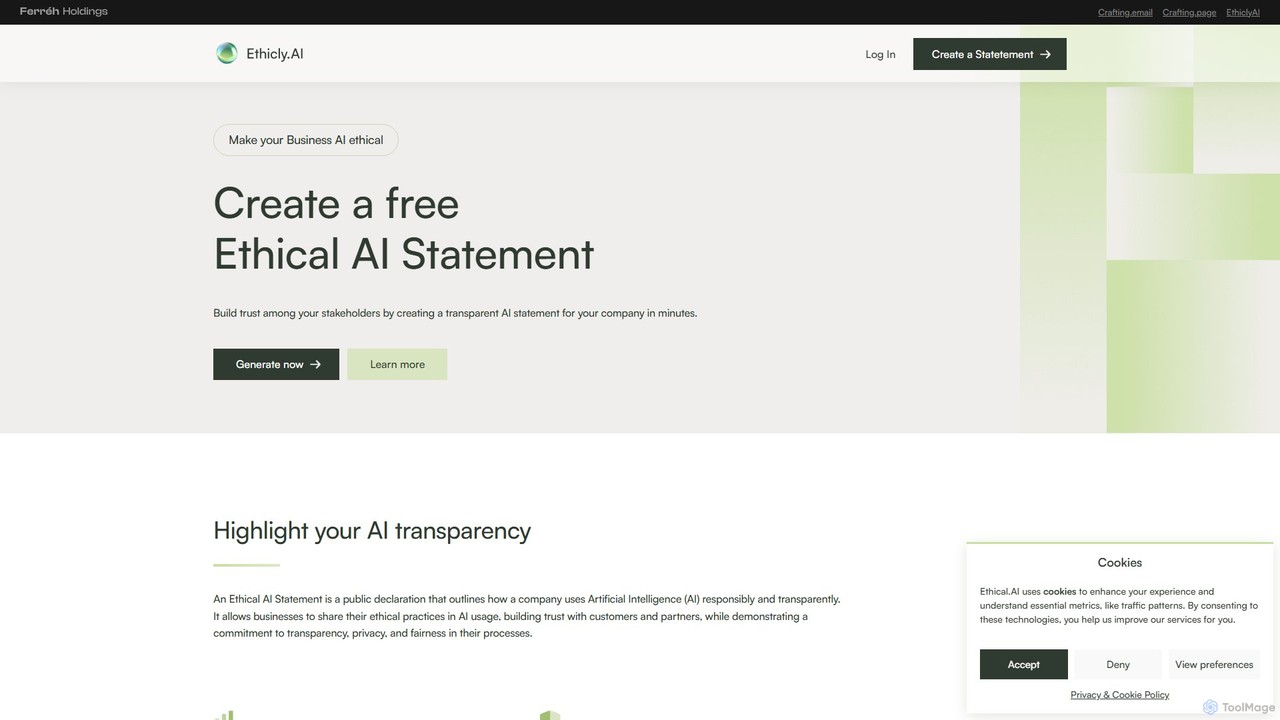
Ethicly.AI is a free tool for businesses to generate a comprehensive Ethical AI Statement in minutes. It helps companies build trust, enhance transparency, and publicly declare their commitment to responsible AI usage, providing a competitive edge and preparing for future regulations.

Reputation Management
Visits 5.8KFavorites 115Likes 125
Sentavis

Sentavis

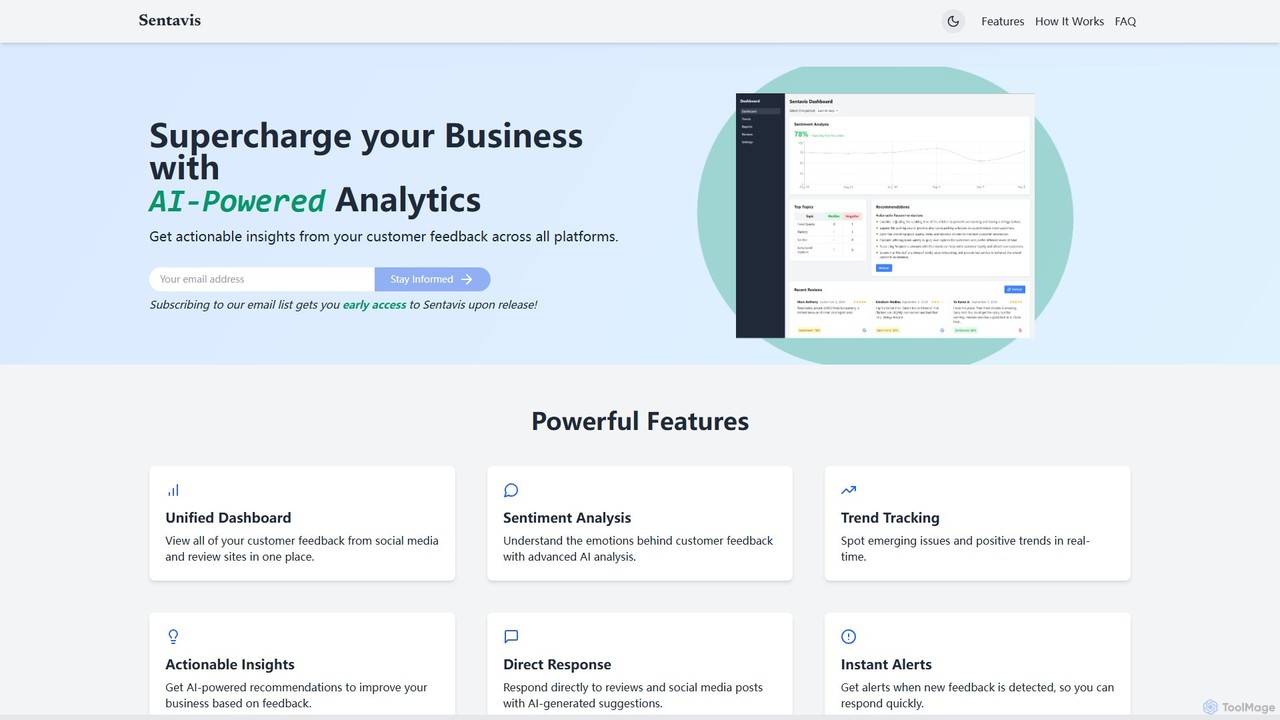
Sentavis is an AI-powered analytics platform that unifies customer feedback from social media and review sites. It provides sentiment analysis, trend tracking, and actionable insights to help businesses improve customer satisfaction and manage their online reputation.

Sentiment Analysis
Visits 5.8KFavorites 143Likes 143
Profound
Paid

Profound

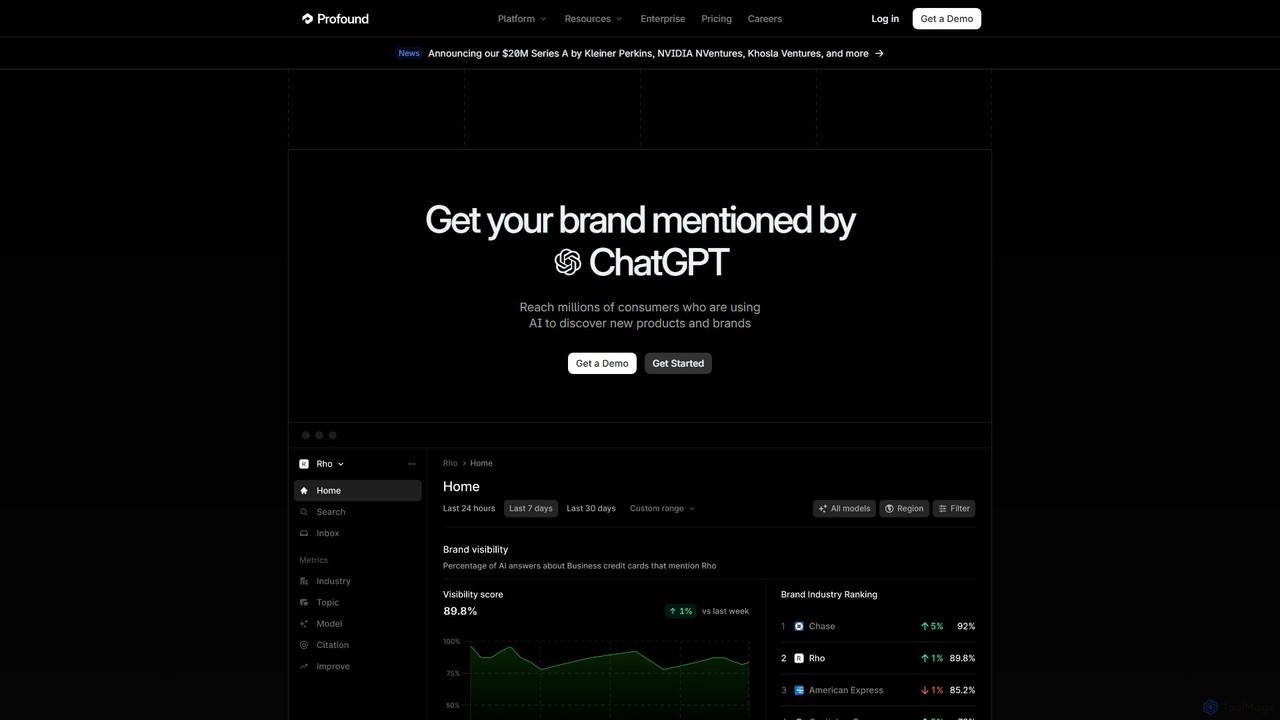
Profound is a pioneering Answer Engine Optimization (AEO) platform designed for enterprise brands. It provides a comprehensive suite of tools to analyze, track, and enhance a brand's visibility within AI search engines like ChatGPT, Perplexity, and Google AI Overviews. By understanding how AI sees and discusses your brand, you can optimize your presence, reach new audiences, and drive traffic from the next generation of search.

Reputation Management
Visits 590.9KFavorites 136Likes 129
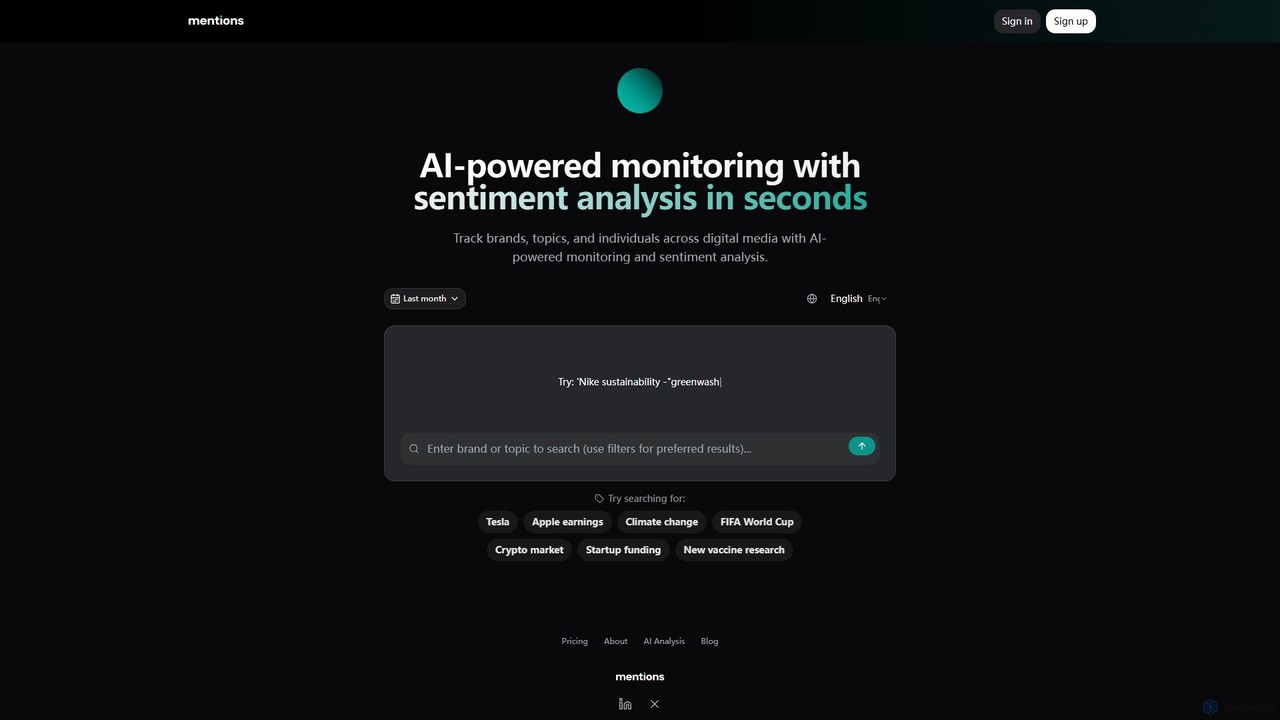
Mentions
Freemium

Mentions

Mentions is an AI-powered media monitoring platform that enables users to track brands, topics, and individuals across digital media in real-time. It provides advanced sentiment analysis, competitive intelligence, and actionable insights to help businesses manage their reputation, identify opportunities, and make data-driven decisions.

Reputation Management
Visits 5.8KFavorites 159Likes 147

About Reputation Management

AI Reputation Management tools are a class of software designed to automatically monitor, analyze, and manage a brand's online presence. These tools leverage Natural Language Processing (NLP) to gauge public sentiment from mentions across social media, review sites, forums, and news outlets. They provide businesses with a comprehensive view of their public perception, enabling them to protect their brand image, engage with customer feedback, and proactively address potential crises. This technology transforms reactive damage control into a strategic, data-driven brand health practice.

Core Features

  • Online Mention Monitoring: Automatically tracks brand names, products, and keywords across the web in real-time.
  • Sentiment Analysis: Uses AI to classify mentions as positive, negative, or neutral to quantify public opinion.
  • Review Management: Aggregates customer reviews from various platforms into a single dashboard for easy response.
  • Crisis Detection: Identifies and alerts on sudden spikes in negative mentions or viral negative content.
  • Competitive Analysis: Monitors the online reputation and sentiment of competing brands.

Use Cases

These tools are crucial for industries where public perception directly impacts revenue, such as hospitality, e-commerce, healthcare, and financial services. Marketing managers, public relations specialists, and business owners use them to track brand health, manage customer feedback loops, and measure the impact of PR campaigns. They are also vital for corporate communications teams managing the reputation of executives and the overall company.

How to Choose

When selecting an AI Reputation Management tool, consider the breadth of its source monitoring (does it cover industry-specific forums and review sites?). Evaluate the accuracy of its sentiment analysis, especially for nuanced language. Key factors also include the sophistication of its alerting system, its reporting and analytics capabilities, and its ability to integrate with other business systems like CRM or customer support platforms.

Reputation Management use cases

1

Proactive Brand Health Monitoring for E-commerce

An e-commerce brand manager uses an AI reputation tool to continuously track product mentions and reviews across social media, blogs, and major retail sites. The system's sentiment analysis provides a daily brand health score. When a new product line receives a cluster of negative reviews related to sizing, the manager receives an instant alert. This allows them to quickly relay the feedback to the product team and update the product description with more accurate sizing information, preventing further negative reviews and costly returns.

2

Managing Multi-Location Restaurant Reviews

A marketing director for a restaurant chain aggregates reviews for all 50 locations from Google, Yelp, and TripAdvisor into one dashboard. The tool's AI categorizes feedback into themes like 'food quality,' 'service speed,' and 'ambiance.' The director notices a trend of negative reviews about 'service speed' at a specific branch. They share this data-driven insight with the regional manager, who then implements additional staff training, leading to improved customer satisfaction scores for that location within a month.

3

Urgent Crisis Management for a Tech Company

A PR team at a software company receives an automated alert at 2 AM about a rapidly spreading negative story on Twitter regarding a data privacy concern. The reputation management tool provides real-time analytics on the story's reach, key influencers amplifying it, and the overall public sentiment. This allows the team to quickly draft an accurate and empathetic public statement, distribute it to key journalists identified by the tool, and monitor the response, effectively containing the crisis before the US stock market opens.

4

Tracking Executive Reputation and Thought Leadership

A corporate communications team for a Fortune 500 company monitors online mentions of their CEO and other key executives. The tool helps them track the performance of thought leadership articles published on LinkedIn and Forbes, measuring engagement and sentiment. When a piece of misinformation about the CFO begins to circulate on financial forums, the tool flags it, allowing the team to issue a swift clarification through official channels and prevent it from impacting investor confidence.

5

Competitive Landscape and Market Opportunity Analysis

A marketing strategist at a SaaS company sets up monitoring for their top three competitors. The AI tool analyzes the sentiment of competitor mentions, highlighting common complaints about a rival's high pricing and poor customer support. This insight directly informs a new marketing campaign focused on their own company's transparent pricing and award-winning support. The tool also identifies an emerging industry trend being discussed positively, prompting the product team to explore it for their roadmap.

6

Identifying Influencers and Brand Advocates

A community manager for a consumer electronics brand uses a reputation tool to find authentic, unsolicited positive mentions. The tool identifies several micro-influencers in the tech review space who consistently praise their products. Instead of spending a large budget on paid partnerships, the manager reaches out to these organic advocates, offering them early access to new products. This strengthens relationships, generates genuine positive content, and builds a loyal community at a fraction of the cost of traditional influencer marketing.

Reputation Management FAQ

What are AI Reputation Management tools?

AI Reputation Management tools are software platforms that automate the process of monitoring and analyzing a brand's online presence. They use AI, particularly Natural Language Processing (NLP), to track mentions across the internet, analyze the sentiment (positive, negative, neutral) of conversations, and aggregate reviews. This provides businesses with real-time insights into public perception, helping them protect their brand image and engage with customers effectively.

How to choose the right AI Reputation Management tool?

To choose the right tool, consider these factors:

  • Source Coverage: Ensure it monitors the platforms most relevant to your audience, including social media, specific review sites, forums, and news outlets.
  • Sentiment Accuracy: Evaluate how well the AI understands industry-specific jargon, sarcasm, and nuanced language.
  • Alerting & Reporting: Look for customizable real-time alerts for crisis detection and comprehensive reporting features that provide actionable insights.
  • Integration: Check if it can connect with your existing tools, such as CRM, customer support software, or social media management platforms.
What's the difference between Reputation Management and Social Media Management tools?

The main difference is scope. Social Media Management tools focus on publishing content, scheduling posts, and engaging with followers specifically on social platforms like Twitter, Facebook, and Instagram. Reputation Management tools have a much broader reach, monitoring not only social media but also news sites, blogs, forums, and review platforms. Their primary goal is analysis and protection—understanding overall brand sentiment and detecting potential threats across the entire web, rather than just managing social channels.

What key features should I look for in a Reputation Management tool?

Look for a combination of monitoring, analysis, and engagement features. Key functions include:

  • Real-time Monitoring: The ability to track mentions as they happen across a wide range of sources.
  • Advanced Sentiment Analysis: AI that can accurately interpret context, sarcasm, and industry-specific language.
  • Review Aggregation: A unified dashboard to view and respond to reviews from multiple sites like Google, Yelp, or Trustpilot.
  • Customizable Alerts: Notifications for specific keywords, sudden changes in mention volume, or shifts in sentiment to enable rapid response.
  • In-depth Analytics: Reporting that shows trends over time, share of voice against competitors, and common themes in feedback.
Who typically uses Reputation Management software?

Reputation Management software is used by a wide range of professionals and businesses. Common users include:

  • Marketing and PR Teams: To track brand health, measure campaign impact, and manage public perception.
  • Corporate Communications: To monitor the reputation of the company and its key executives.
  • Small Business Owners: To manage online reviews and customer feedback on platforms like Google and Yelp.
  • Customer Service Managers: To identify and address customer complaints and issues proactively.
  • Digital Agencies: To manage the online reputation for multiple clients from a single platform.