EliminateContext
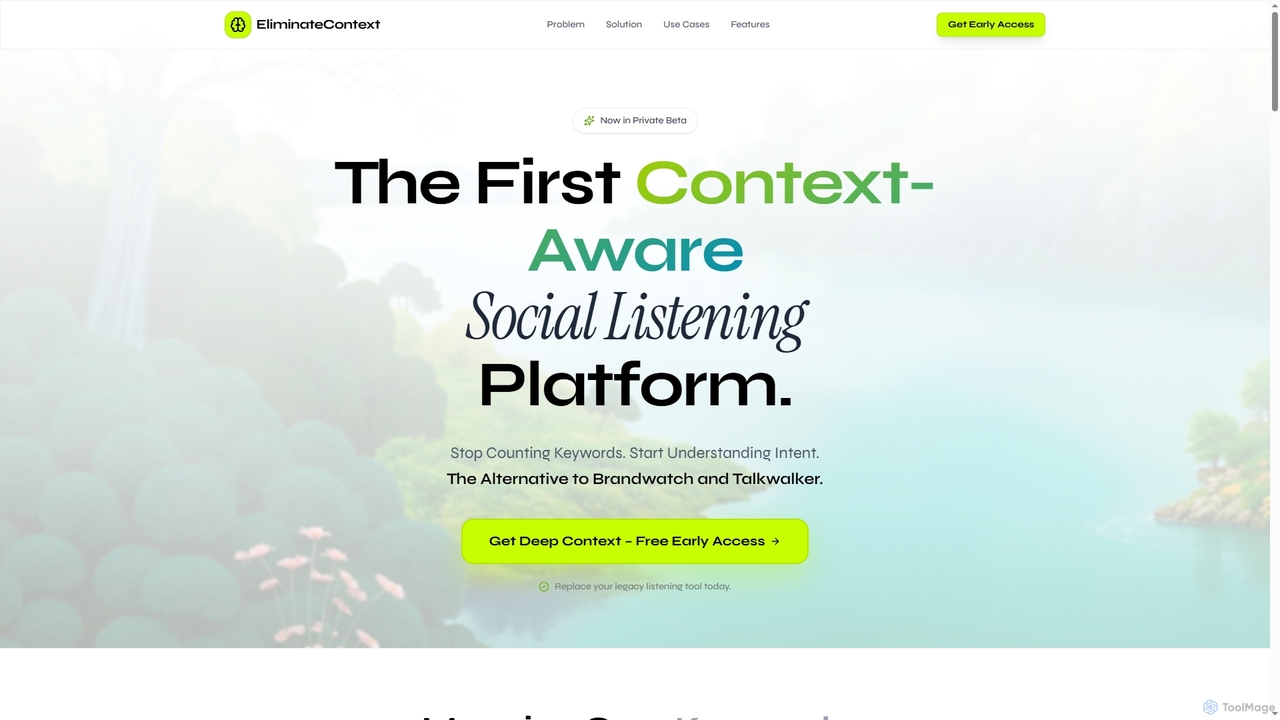
EliminateContext is the first context-aware social listening platform that moves beyond keyword counting to understand intent, emotion, and …
EliminateContext is the first context-aware social listening platform that moves beyond keyword counting to understand intent, emotion, and nuance in social mentions. It leverages LLM-powered contextual NLP to provide deep insights, accurate sentiment analysis, and predictive crisis detection, offering a superior alternative to traditional social listening tools.
Launchmind
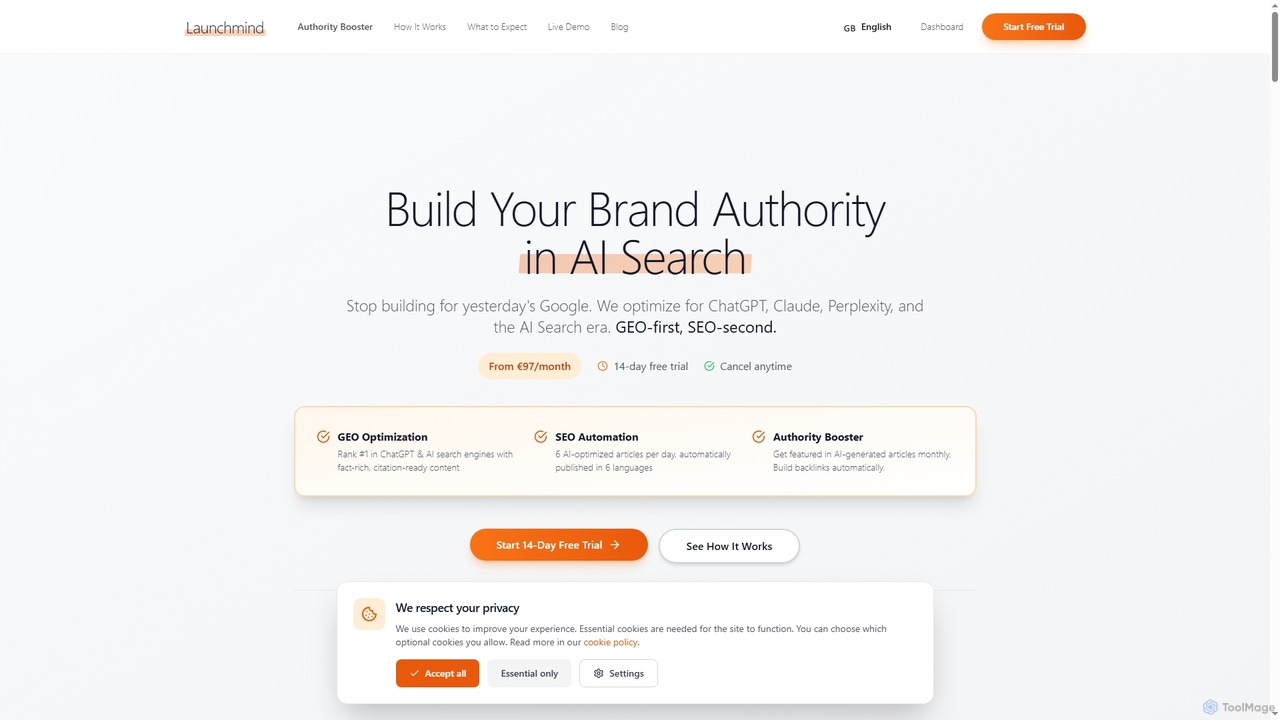
Launchmind is an AI-powered GEO and SEO platform designed to build brand authority in the era of AI …
Launchmind is an AI-powered GEO and SEO platform designed to build brand authority in the era of AI search. It optimizes content for generative AI engines like ChatGPT, Claude, and Perplexity, while also enhancing traditional Google SEO. The platform automates multilingual content creation, backlink building, and ensures high visibility across modern search landscapes.
LindyPanels
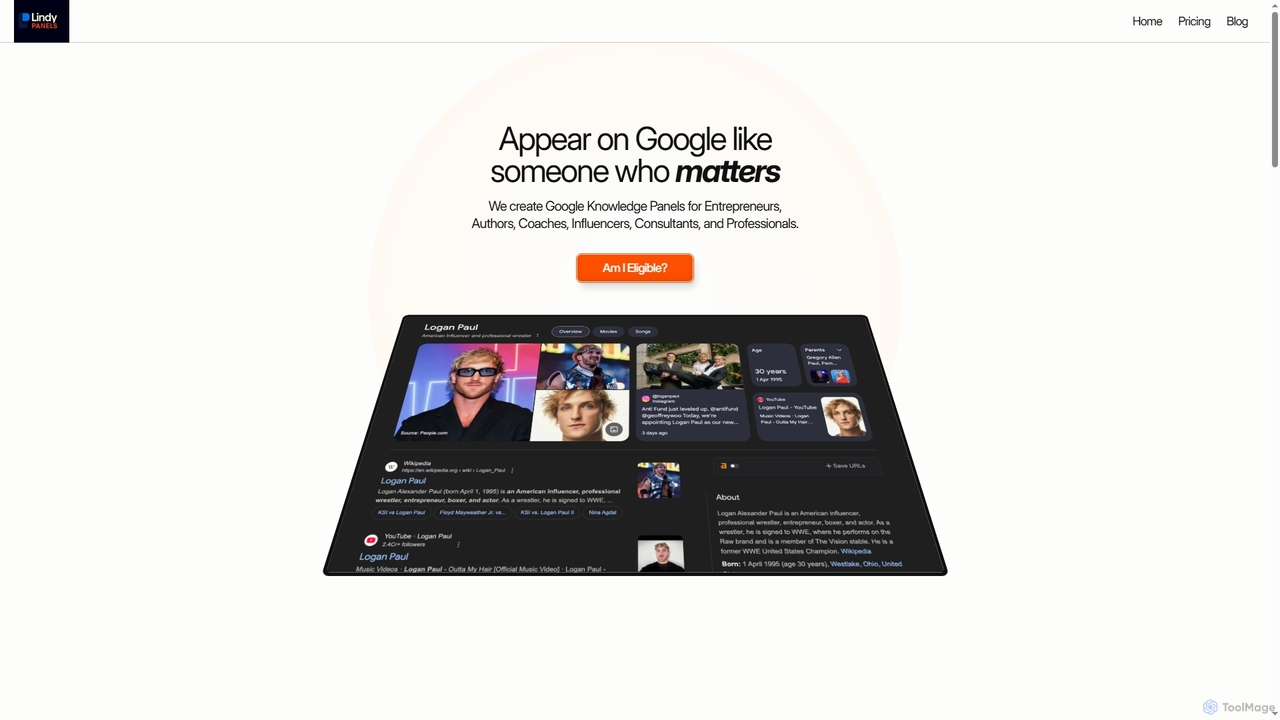
LindyPanels specializes in creating and optimizing Google Knowledge Panels for individuals and brands. It helps establish online credibility, …
LindyPanels specializes in creating and optimizing Google Knowledge Panels for individuals and brands. It helps establish online credibility, enhance search visibility, and build trust with clients, investors, and the press by curating a professional digital presence on Google Search.
Faindly
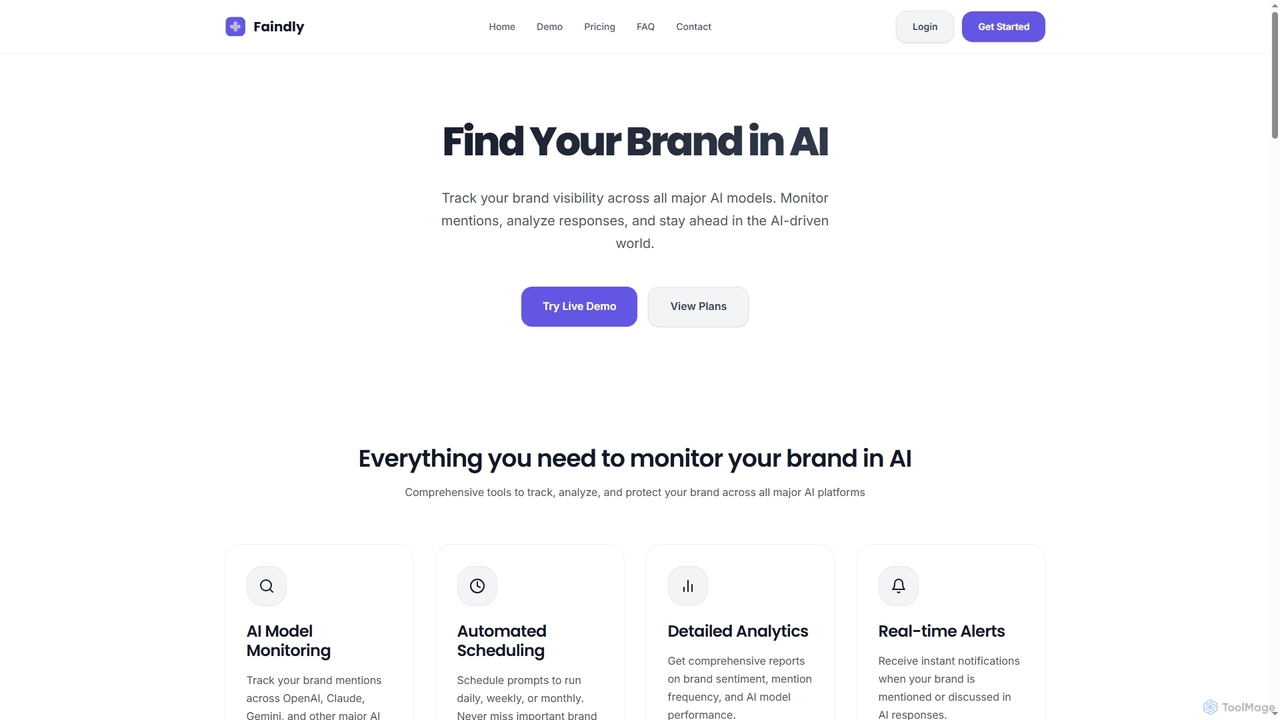
Faindly is an AI visibility tracker that monitors your brand's presence across major AI models like ChatGPT, Claude, …
Faindly is an AI visibility tracker that monitors your brand's presence across major AI models like ChatGPT, Claude, and Gemini. It provides real-time alerts, detailed analytics on sentiment and mention frequency, and automated scheduling for prompts, helping businesses protect their reputation and identify growth opportunities in the AI-driven landscape.
Fama
Fama is an AI-powered reputation management and brand monitoring platform. It automatically tracks mentions, analyzes sentiment, and provides …
Fama is an AI-powered reputation management and brand monitoring platform. It automatically tracks mentions, analyzes sentiment, and provides real-time insights across social media, news, and the web to help businesses protect their brand image and understand public perception.
Pressmaster.ai
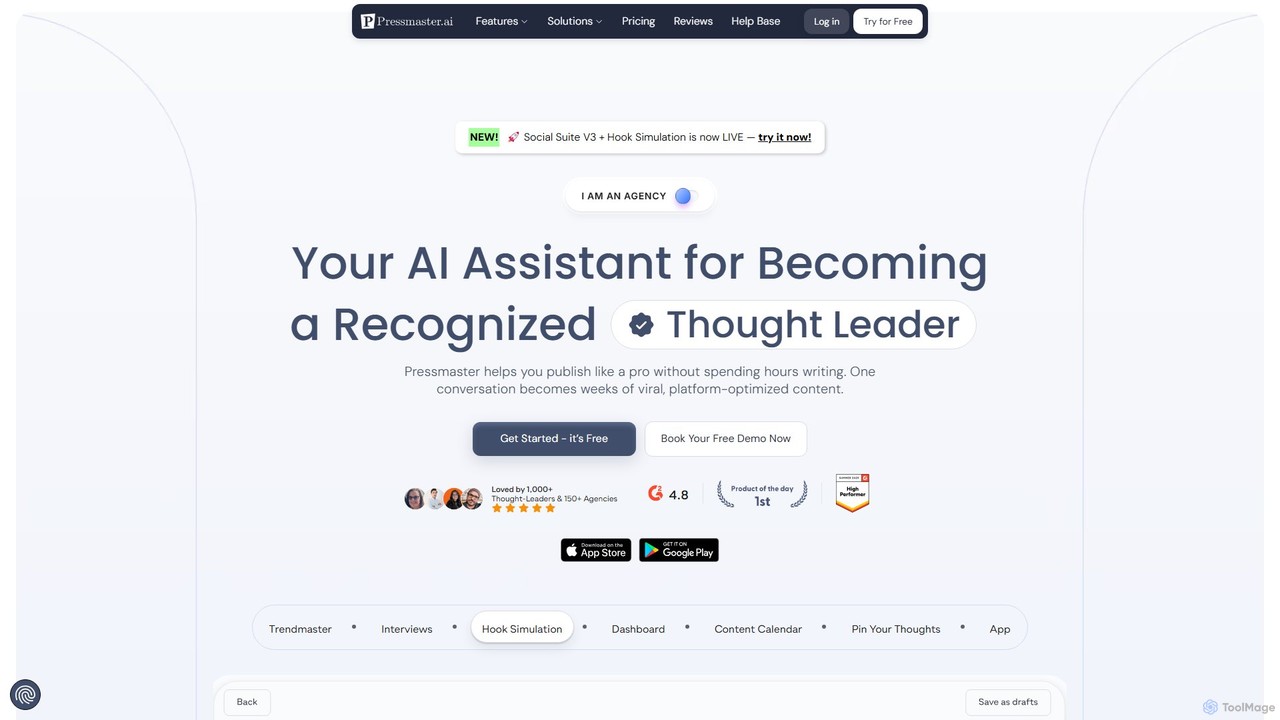
Pressmaster.ai is an AI-powered platform designed for founders, experts, and agencies to establish thought leadership. It transforms your …
Pressmaster.ai is an AI-powered platform designed for founders, experts, and agencies to establish thought leadership. It transforms your ideas and voice into authentic, platform-optimized content, including articles and social media posts. By using AI interviews and trend analysis, it streamlines content creation, helping you build authority and engagement effortlessly.
About Public Relations
AI Public Relations tools are a class of software that leverages artificial intelligence to automate, analyze, and enhance PR activities. These tools utilize Natural Language Processing (NLP) and machine learning to monitor media mentions, analyze public sentiment, and identify key communication opportunities. They empower PR professionals to track brand reputation in real-time, craft data-driven press releases, and measure the true impact of their campaigns. This enables a more proactive approach to reputation management and more effective, targeted media outreach.
Core Features
- Media Monitoring & Sentiment Analysis: Automatically tracks brand mentions across online news, social media, and blogs, evaluating the emotional tone (positive, negative, neutral).
- Press Release Generation: Uses AI to draft, edit, and optimize press releases for clarity, newsworthiness, and SEO.
- Journalist & Influencer Identification: Analyzes data to discover and vet the most relevant journalists, bloggers, and influencers for a specific industry or topic.
- Performance Analytics: Generates detailed reports on campaign reach, share of voice, engagement, and overall PR impact.
- Crisis Detection: Identifies potential negative narratives or viral social media trends early to allow for rapid response.
Use Cases
These tools are widely used by corporate communications teams, PR agencies, startups, and non-profits. Common applications include managing product launches, monitoring brand health, executing crisis communication plans, and building relationships with media contacts. They are essential for any organization looking to manage its public image strategically.
How to Choose
When selecting an AI Public Relations tool, consider the scope of its media monitoring (global vs. local sources), the accuracy of its sentiment analysis, and its integration capabilities with other marketing tools like CRM or social media platforms. Also, evaluate the depth of its analytics and reporting features to ensure they align with your key performance indicators (KPIs).
Public RelationsUse Cases
Automating Real-Time Brand Reputation Monitoring
A corporate communications manager needs to track brand mentions 24/7 across global news and social media to identify potential crises early. They set up keywords and alerts in an AI PR tool. The platform continuously scans millions of sources and sends instant notifications for significant spikes in negative sentiment. This allows the team to assess and respond to emerging issues within minutes instead of hours, effectively mitigating reputational damage before it escalates.
Crafting and Distributing a Data-Driven Press Release
A PR specialist at a tech startup is launching a new product. They use an AI tool to generate initial drafts of a press release, optimize headlines for engagement, and check for grammatical accuracy. The tool then analyzes its media database to suggest a highly targeted list of tech journalists who have previously covered similar topics. This data-driven approach results in a 30% higher open rate on outreach emails and helps secure coverage in key industry publications that a manual search might have missed.
Identifying Key Influencers for a Campaign Launch
A marketing manager for a consumer brand needs to partner with authentic influencers for a new campaign. Instead of manual searching, they use an AI PR tool. They input campaign keywords and target audience demographics. The AI analyzes influencer content, engagement rates, and audience sentiment across multiple platforms to generate a ranked list of suitable partners, including micro-influencers with high engagement. This saves dozens of hours of research and leads to a more authentic and cost-effective campaign.
Measuring the ROI of a Public Relations Campaign
A PR agency account director needs to demonstrate the value of their work to a client. Using an AI PR tool, they automatically aggregate all media mentions from a recent campaign. The platform calculates metrics like share of voice against competitors, analyzes sentiment trends over time, and estimates the total reach and ad value equivalency (AVE). This allows the director to present a comprehensive report with clear, quantifiable results, showcasing a 15% increase in positive media sentiment and justifying the campaign's budget and success.
Proactive Crisis and Issue Management
A public affairs officer for a large organization notices an emerging, sensitive industry issue. They use an AI tool to monitor online conversations around the topic in real-time. The tool identifies key themes, influential voices spreading misinformation, and the overall public sentiment. Armed with this data, the officer develops a proactive communication strategy, including targeted messaging and a FAQ document, to address public concerns before they escalate into a full-blown crisis, thereby protecting the organization's reputation.
Analyzing Competitor Media Coverage
A market intelligence analyst is tasked with understanding competitors' PR strategies. They set up monitoring for key competitors in an AI PR tool. The platform automatically analyzes their coverage volume, sentiment, key messages, and the top journalists who cover them. The analyst can then generate a quarterly competitive intelligence report that highlights opportunities for their own brand to gain media attention, identifies gaps in competitors' messaging, and tracks shifts in the overall industry narrative.