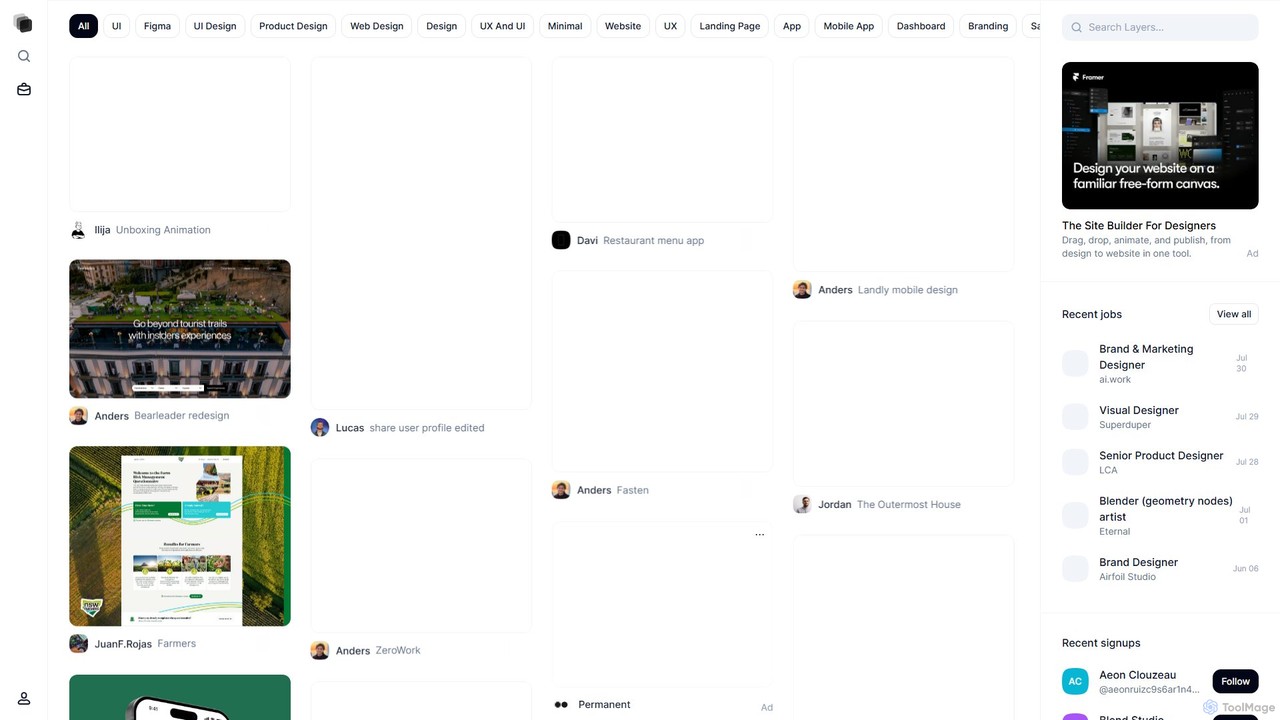
AI Inspiration tools are a specialized category of artificial intelligence applications engineered to stimulate creativity, generate novel ideas, and effectively overcome creative blocks across various domains. These innovative tools harness advanced algorithms, frequently powered by large language models (LLMs) or sophisticated generative AI, to furnish users with a rich array of diverse prompts, conceptual frameworks, and foundational starting points for virtually any creative endeavor. Acting as dynamic digital muses, they empower individuals and collaborative teams in fields such as content creation, graphic design, marketing strategy, software development, and artistic expression to explore fresh perspectives, break free from conventional thinking, and significantly accelerate the ideation process. Consequently, AI Inspiration tools have become indispensable resources for fostering innovation and driving creative output.
Core Features
- Idea Generation: Automatically suggests a broad spectrum of topics, themes, and conceptual frameworks for writing, artistic projects, product development, or strategic planning.
- Creative Prompting: Generates unique, thought-provoking, and highly diverse prompts tailored to spark imagination across different creative media, from storytelling to visual arts.
- Content Outlining: Assists in structuring initial thoughts and raw ideas into coherent, logical outlines for articles, stories, presentations, or even entire book chapters.
- Visual Concepting: Provides innovative suggestions for visual styles, aesthetic elements, color palettes, or compositional structures, aiding designers in exploring new artistic directions.
- Trend Analysis: Analyzes vast datasets to identify emerging patterns, popular themes, and future-oriented concepts, inspiring users to generate relevant and forward-thinking ideas.
Applicable Scenarios
These tools prove invaluable for content creators grappling with writer's block, offering fresh angles for blog posts, articles, or social media campaigns. Marketing specialists can leverage them to devise innovative campaign slogans, advertising concepts, or brand messaging that resonates with target audiences. Graphic designers benefit from new visual directions for branding projects, illustrations, or web layouts. Furthermore, game developers can utilize them for brainstorming unique character backstories, intricate plot twists, or novel game mechanics. They are particularly useful in the initial, exploratory stages of any creative project where generating a wide array of diverse possibilities is crucial for fostering innovation and ensuring a successful outcome.
How to Choose
When selecting an AI Inspiration tool, it is crucial to consider several key factors to ensure it aligns with your specific creative needs. First, evaluate the primary output type it specializes in, whether it's text-based ideas, visual concepts, audio prompts, or even code snippets. Second, assess the level of customization and control it offers over the generated ideas, allowing you to refine and guide the AI's output. Third, consider its integration capabilities with your existing creative workflow and other design or writing tools. Finally, critically examine the diversity, originality, and overall quality of the suggestions it provides, ensuring they genuinely spark new thoughts rather than merely reiterating common themes. Understanding these aspects will help you make an informed decision that enhances your creative process.