ToolMage
Sign in

Best 1 Software Discovery AI tools for Resources

Popular Software Discovery AI tools in Resources include apkkeeper, helping you work more efficiently.

apkkeeper
Free

apkkeeper

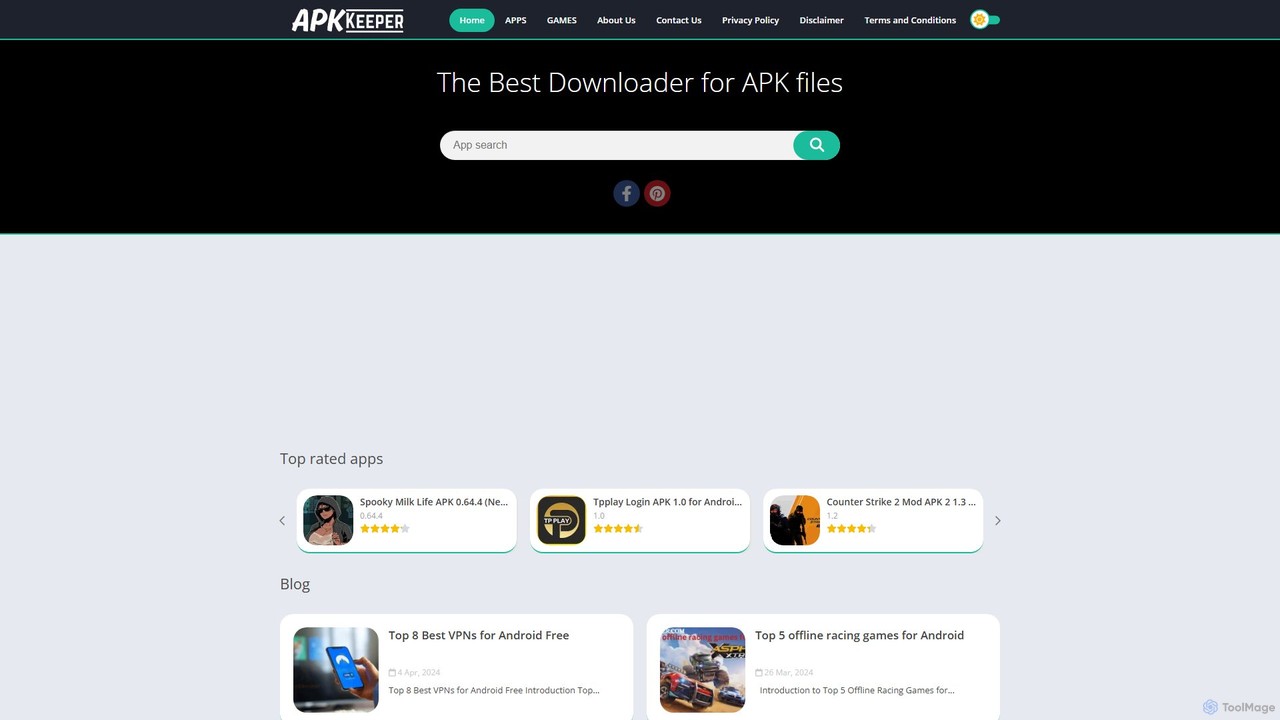
ApkKeeper is a comprehensive online repository for downloading Android APK files. It offers a vast library of the latest and modified (MOD) versions of apps and games, providing users with free access to premium features, unlocked content, and geo-restricted applications.

Game Platforms
Visits 4.8KFavorites 112Likes 117

About Software Discovery

AI Software Discovery platforms are intelligent search engines designed to help users find, evaluate, and select the most suitable software for their specific requirements. They utilize advanced algorithms to analyze user needs expressed in natural language, compare vast databases of software features, and provide personalized, data-driven recommendations. This streamlines the often complex and time-consuming process of software procurement for individuals and businesses alike. Unlike traditional directories, these platforms offer dynamic comparisons, sentiment analysis from user reviews, and crucial integration compatibility checks.

Core Features

  • AI-Powered Matching: Recommends software based on functional needs and business goals, not just keywords.
  • Deep Feature Comparison: Enables side-by-side evaluation of specific functionalities, pricing tiers, and technical specifications.
  • Aggregated Review Analysis: Uses AI to synthesize thousands of user reviews, identifying key strengths, weaknesses, and overall sentiment.
  • Integration & Compatibility Check: Assesses how a potential tool fits within a user's existing technology stack to prevent conflicts.
  • Cost & ROI Projection: Analyzes pricing models and provides estimates for Total Cost of Ownership (TCO) and potential return on investment.

Use Cases

These tools are invaluable for a wide range of users. Startups use them to build their initial tech stack efficiently, while enterprise IT departments rely on them to evaluate complex software replacements. Marketing teams can quickly find new CRMs or analytics tools that fit their workflow, and individual freelancers can discover the best project management software for their needs.

How to Choose

When selecting a Software Discovery platform, consider the scope and currency of its software database. Evaluate the sophistication of its AI matching algorithm by testing it with nuanced queries. The user interface should offer robust filtering and comparison views. Finally, check the transparency of its data sources and how frequently information on pricing and features is updated.

Featured tool rankings

Software Discovery use cases

1

Building a Startup's Initial Tech Stack

A startup founder needs to select a suite of essential tools for marketing, sales, and project management on a limited budget. Instead of spending weeks on manual research, they input their core requirements: 'CRM with email automation for a 5-person team under $200/month' and 'visual project board that integrates with Slack.' The AI platform analyzes these needs, cross-references compatibility, and generates a shortlist of 3-5 integrated software bundles, complete with pricing comparisons and summaries of user reviews, saving significant time and reducing the risk of poor investment.

2

Enterprise ERP System Evaluation

An IT procurement manager at a large corporation is tasked with replacing their legacy Enterprise Resource Planning (ERP) system. The requirements are complex, involving specific security compliance standards (like SOC 2), scalability for thousands of users, and deep integration with existing supply chain software. Using a Software Discovery platform, the manager filters vendors by compliance certifications, compares detailed feature modules (e.g., finance, HR, inventory), and analyzes aggregated reviews from similar-sized companies. This data-driven approach ensures a thorough and objective evaluation process.

3

Finding a Niche Marketing Analytics Tool

A digital marketing team needs a new analytics tool with a specific feature: tracking customer journey attribution across both web and mobile app platforms. Generic software directories show hundreds of options, making it hard to find this niche capability. The marketing lead uses a discovery tool and searches 'cross-platform attribution analytics for e-commerce.' The platform identifies a handful of specialized tools, presents a side-by-side comparison of their tracking methods, and highlights user feedback specifically mentioning the accuracy of their attribution models.

4

Selecting a Collaboration Tool for a Remote Team

A project manager for a fully remote team needs a collaboration platform that combines task management, video conferencing, and document sharing to reduce context switching. They use a Software Discovery tool to filter for 'all-in-one remote collaboration suites.' The platform allows them to compare key features like guest access policies, storage limits per user, and the quality of mobile applications. AI-powered review analysis reveals which tools users find most intuitive for asynchronous communication, directly addressing the team's primary challenge.

5

Comparing API-First Headless CMS Platforms

A lead developer is choosing a Headless Content Management System (CMS) for a new web application. The decision hinges on technical factors like API performance, SDK availability for different programming languages, and webhook support. They use a developer-focused Software Discovery platform to compare these technical specifications directly. The platform provides benchmark data on API response times and links to official documentation, allowing the developer to make an informed decision based on technical merit rather than just marketing claims.

6

Choosing Software for a Non-Profit Organization

The director of a small non-profit needs a donor management and fundraising platform that is both affordable and easy for volunteers to learn. Using a Software Discovery tool, they apply filters for 'non-profit discounts' and 'ease of use.' The platform returns a curated list of CRMs designed for charities, comparing their features for donation processing, event management, and email campaigns. The aggregated review analysis helps the director gauge the quality of customer support, a critical factor for a non-technical team.

Software Discovery FAQ

What are AI Software Discovery platforms?

AI Software Discovery platforms are advanced tools that help users find and select the best software for their needs. Unlike simple lists or directories, they use artificial intelligence to understand a user's requirements, match them against a vast database of software, and provide personalized recommendations. Key features include natural language search, deep feature-level comparisons, and analysis of user review sentiment to streamline the selection process.

How do I choose the right Software Discovery platform?

To choose the right platform, focus on four key areas. First, check the database scope to ensure it covers the software categories relevant to you. Second, evaluate the recommendation quality by testing its AI with specific, complex needs. Third, assess the user interface for powerful filtering and clear comparison tools. Finally, verify the data freshness to ensure pricing, features, and reviews are current and reliable.

What is the difference between a Software Discovery platform and a review site like G2?

The main difference is the proactive, AI-driven recommendation engine. A review site like G2 or Capterra acts as a large, filterable directory where the user does most of the work. A Software Discovery platform acts as an intelligent consultant. You describe your problem or need, and the AI actively finds, compares, and recommends the best-fit solutions for you, often using data from review sites but adding a layer of personalized analysis and matching.

What key features should I look for in a Software Discovery tool?

Look for tools that offer more than just a searchable list. Essential features include:

  • AI-Powered Matching: Understands natural language queries to find relevant tools.
  • Side-by-Side Feature Comparison: Allows detailed evaluation of specific functionalities.
  • Aggregated Review Analysis: Synthesizes user feedback to highlight common pros and cons.
  • Integration Checking: Verifies compatibility with your existing software stack.
  • Cost Analysis: Compares different pricing models and potential long-term costs.

Who benefits most from using Software Discovery tools?

A wide range of users benefit from these platforms. This includes startup founders building their initial technology stack, IT managers in large enterprises evaluating software replacements, marketing and sales teams searching for specific tools, and even individual freelancers or small business owners looking for cost-effective solutions. Essentially, anyone tasked with making an informed software purchasing decision can save significant time and reduce risk.