ToolMage
Sign in

Best 151 Resources AI tools

Popular Resources AI tools include The Keyword, There's An AI For That, Top50AI.tools, aixploria, Futurepedia.io, favird, Website Planet, TopAI.tools, FutureTools, and Amazon Science, helping you work more efficiently.

The Keyword
Free

The Keyword

The Keyword is Google's official blog, serving as the primary source for the latest company news, product updates, and behind-the-scenes stories. It offers authoritative insights into technologies like AI, Search, Android, and Chrome, directly from Google's experts and leaders.

Tech Learning
Visits 15MFavorites 146Likes 129
aiwizard
Freemium

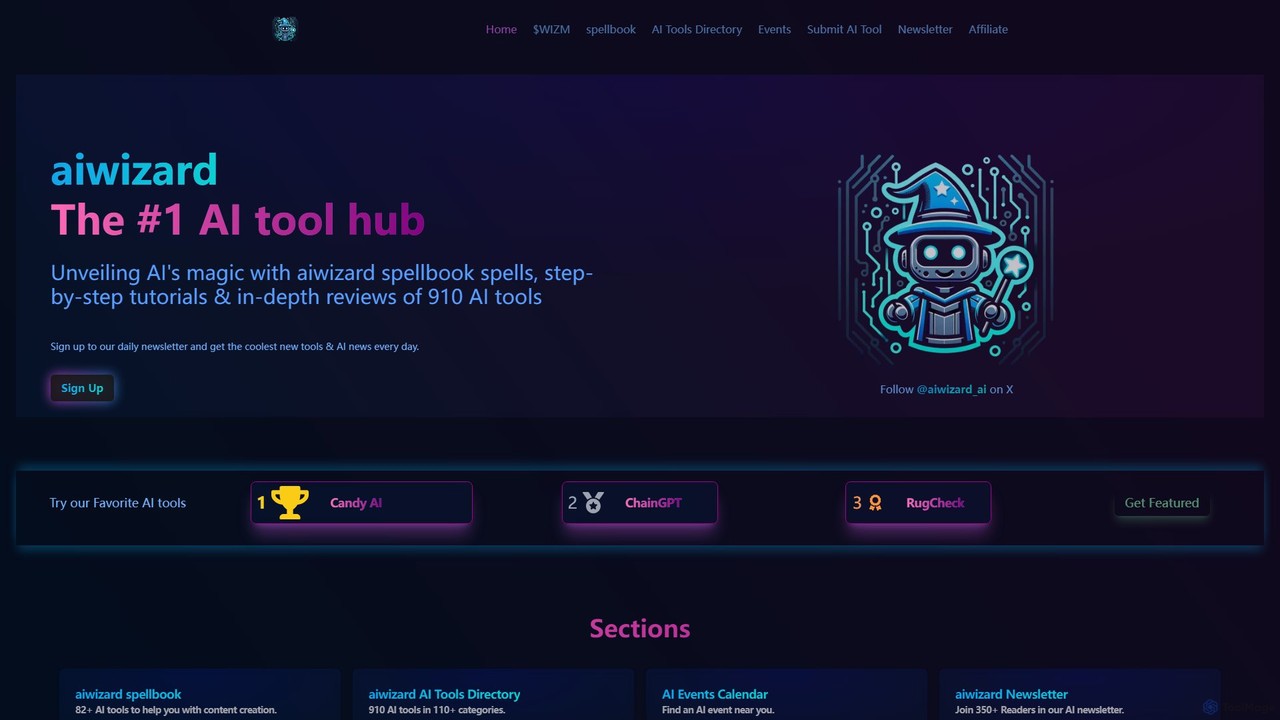
aiwizard

aiwizard is a leading AI tool hub, offering a comprehensive directory of over 900 AI tools with in-depth reviews and tutorials. It also features the 'Spellbook,' a suite of proprietary AI tools for content creation, an AI events calendar, and a daily newsletter to keep you updated on the latest in AI.

Ai News
Visits 8.2KFavorites 130Likes 156
FindAIChat.com
Free

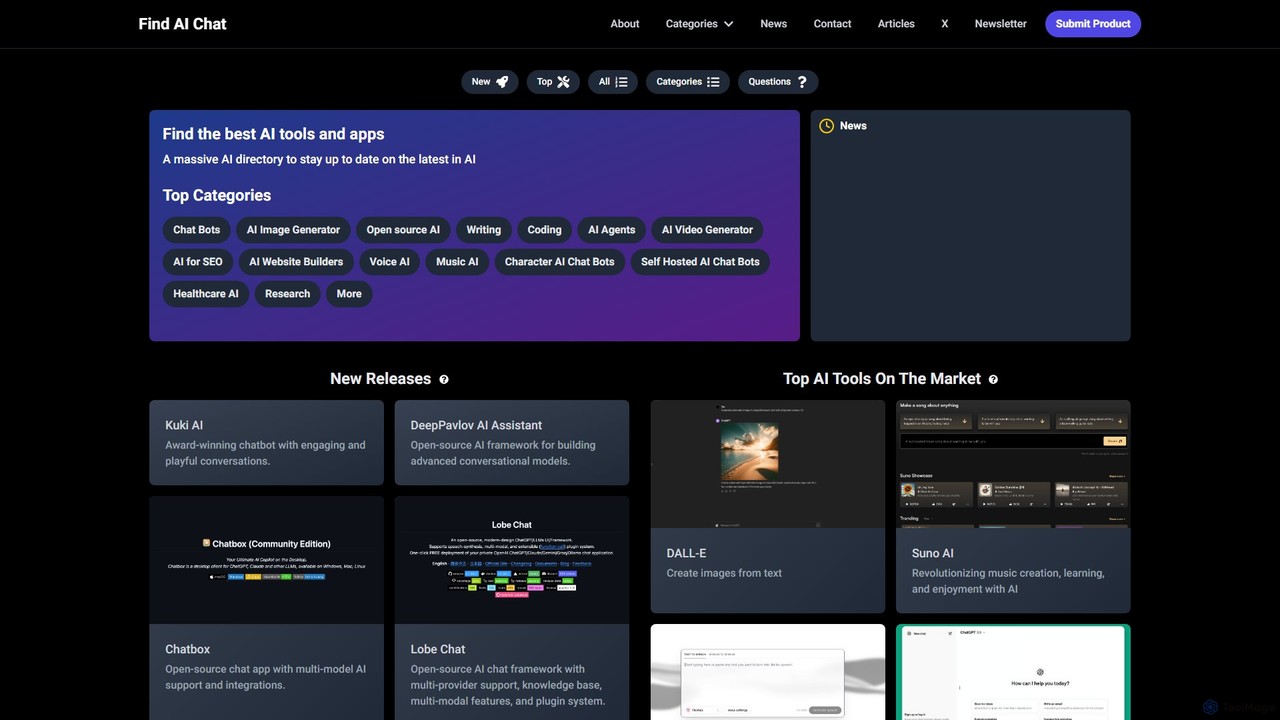
FindAIChat.com

A comprehensive and up-to-date directory of AI tools. It helps users discover, compare, and stay informed about the latest AI applications, including chatbots, image generators, writing assistants, and more, across various categories.

Learning
Visits 14.1KFavorites 130Likes 120
DirtyTalking.ai
Free

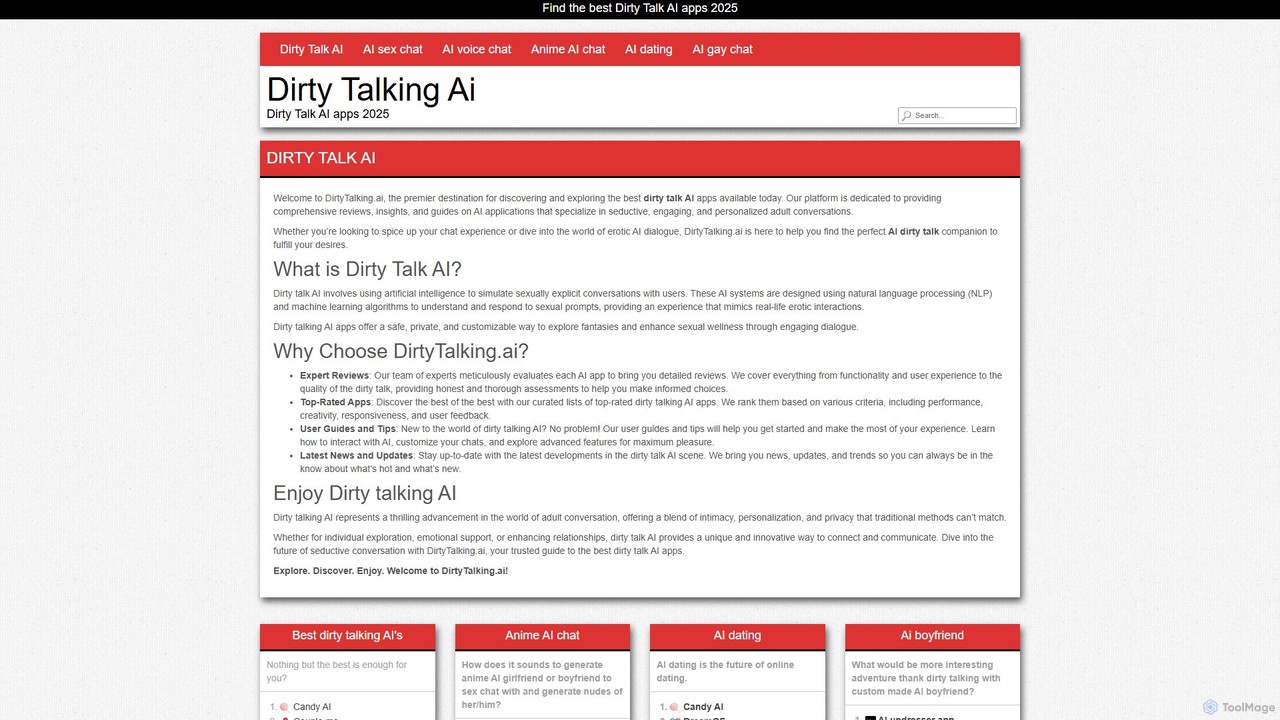
DirtyTalking.ai

A premier discovery platform and review site for AI-powered adult conversation and chatbot applications. It provides expert reviews, curated lists, and guides to help users find the best dirty talk AI companions for safe and personalized exploration.

Ai Companion
Visits 7.2KFavorites 112Likes 123
trylistpro
Freemium

trylistpro

An AI-powered discovery platform for professionals to find, curate, and manage lists of software and AI tools. Streamline your tech stack selection with collaborative lists and intelligent recommendations.

Api Management
Visits 5.7KFavorites 110Likes 112
The AI Exchange
Paid

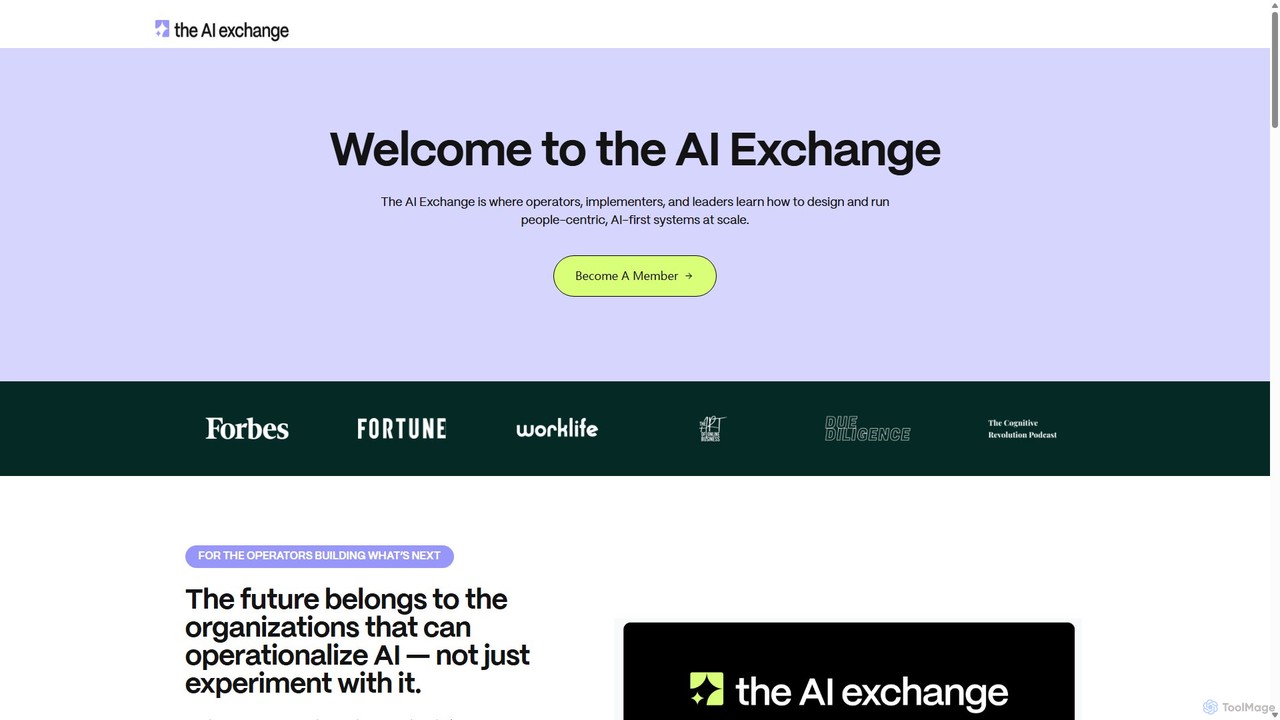
The AI Exchange

A private, membership-based community for professionals, entrepreneurs, and enthusiasts dedicated to mastering artificial intelligence. The AI Exchange offers curated resources, expert-led workshops, and a vibrant network to help members stay ahead of AI trends and apply them in practical, real-world scenarios. It's a collaborative space for learning, sharing, and growing with like-minded AI builders and visionaries.

Networking
Visits 8.2KFavorites 134Likes 129
llmarena.ai
Free

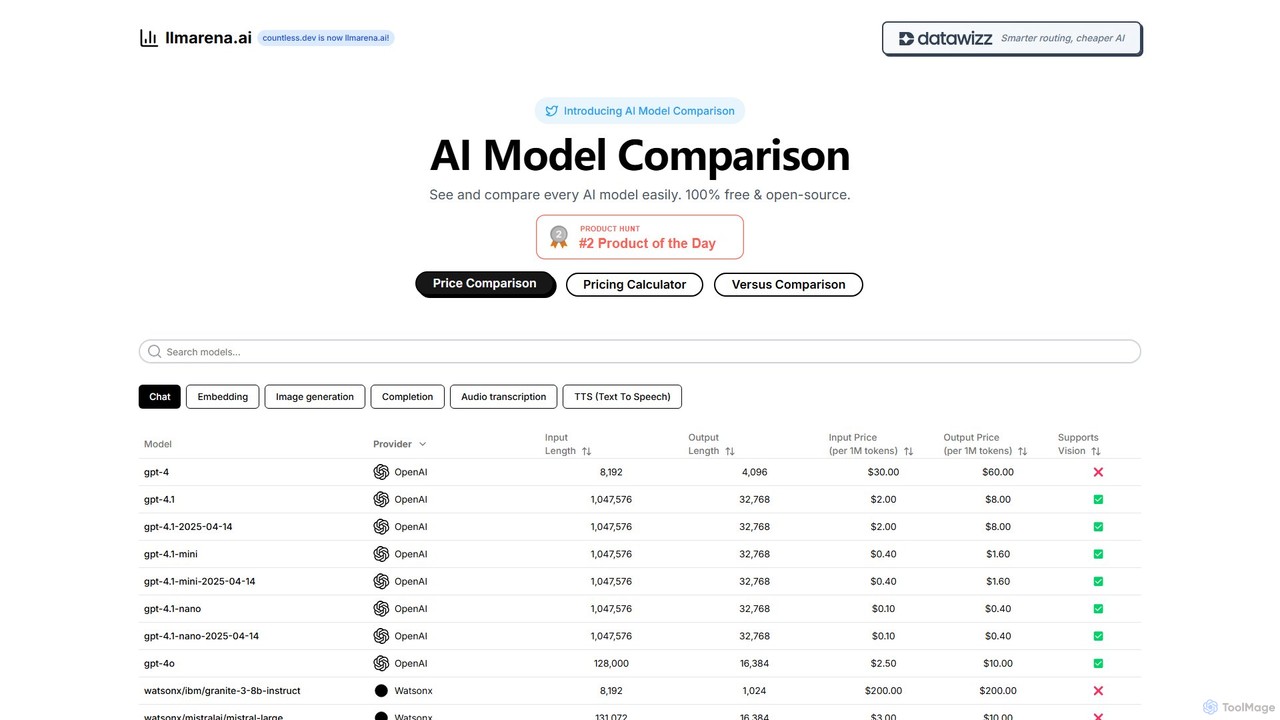
llmarena.ai

llmarena.ai is a free, open-source platform for comparing Large Language Models (LLMs). It provides a comprehensive database of AI models from providers like OpenAI, Google, and Anthropic, allowing users to easily compare pricing, context windows, output lengths, and capabilities such as vision and audio. It's an essential tool for developers and businesses to make informed decisions when selecting the right AI model for their needs.

Api Management
Visits 5.6KFavorites 125Likes 118

About Resources

Resources are AI-powered tools and platforms that provide essential digital assets, data, and knowledge for developing, training, and deploying artificial intelligence solutions. These platforms leverage AI to curate, organize, and deliver high-quality datasets, pre-trained models, and educational content, empowering developers, researchers, and businesses. They streamline the AI development lifecycle by offering readily available components and learning pathways, accelerating innovation and skill acquisition.

Core Features

  • Curated Datasets: Access to diverse, high-quality datasets for model training and validation across various domains.
  • Pre-trained Models & APIs: Ready-to-use AI models and accessible APIs for integration into applications without extensive training.
  • Learning & Documentation Hubs: Comprehensive tutorials, courses, and technical documentation to guide users through AI concepts and tool usage.
  • Community & Collaboration Platforms: Spaces for users to share knowledge, collaborate on projects, and seek support from peers and experts.
  • Model Versioning & Management: Tools for tracking different versions of models and datasets, ensuring reproducibility and efficient project management.

Use Cases

AI resources are crucial for various applications. Data scientists utilize them to find specialized datasets for training custom machine learning models, ensuring data quality and relevance. Developers integrate pre-trained models via APIs into their applications, rapidly adding AI capabilities like natural language processing or image recognition. Educators and students leverage learning hubs to master AI concepts and practical skills through structured courses and hands-on projects.

How to Choose

Selecting the right AI resources involves evaluating several factors. Consider the relevance and quality of data/models for your specific project needs. Assess the ease of integration with your existing workflows and technical stack. Evaluate the breadth and depth of learning materials if skill development is a priority. Finally, examine the community support and licensing terms to ensure long-term viability and compliance.

Featured tool rankings

Resources use cases

1

Accelerating AI Model Training with Specialized Datasets

Data scientists in autonomous driving research can access vast, pre-labeled datasets of road scenes, traffic, and sensor data from AI resource platforms. This eliminates the time-consuming process of manual data collection and annotation, allowing them to rapidly train and validate new perception models, significantly reducing development cycles and improving model accuracy.

2

Integrating Advanced NLP Capabilities into Applications

Software developers building a customer support chatbot can leverage pre-trained Natural Language Processing (NLP) models available through AI resource APIs. By integrating these models, they can quickly enable features like sentiment analysis, intent recognition, and text summarization without needing to train complex models from scratch, accelerating deployment and enhancing user experience.

3

Upskilling Teams in Machine Learning Fundamentals

Corporate training managers utilize AI learning resource platforms to provide structured courses and tutorials for their engineering teams. This allows engineers to acquire new skills in machine learning, deep learning, and specific AI frameworks (e.g., TensorFlow, PyTorch), ensuring the workforce remains competitive and capable of implementing cutting-edge AI solutions.

4

Validating AI Model Performance with Diverse Test Data

AI researchers developing medical diagnostic models require diverse and unbiased test datasets to ensure robustness and fairness. Resource platforms offer anonymized medical image and patient record datasets, enabling researchers to rigorously evaluate their models against a wide range of real-world scenarios, improving diagnostic reliability and reducing bias.

5

Accessing Open-Source AI Frameworks and Libraries

Independent developers and startups frequently rely on open-source AI frameworks and libraries found in resource repositories (like GitHub or Hugging Face). This provides them with foundational tools and pre-built components for building AI applications, fostering innovation by lowering the barrier to entry and promoting collaborative development.

6

Benchmarking AI Models Against Industry Standards

AI development teams use benchmark datasets and evaluation metrics provided by resource platforms to compare their custom models against established industry standards. This helps them identify areas for improvement, validate the performance of their algorithms, and demonstrate the competitive advantage of their AI solutions to stakeholders.

Resources FAQ

What are AI Resources?

AI Resources are digital assets and platforms that support the entire lifecycle of artificial intelligence development, from learning to deployment. They typically feature curated datasets for training, pre-trained models and APIs for integration, comprehensive learning materials, and community forums for collaboration. These resources are crucial for accelerating AI innovation and making advanced AI capabilities more accessible.

How do I choose the right AI resource for my project?

Choosing the right AI resource depends on your specific project needs. Consider the following:

  • Project Goal: Are you training a model, integrating an API, or learning a new skill?
  • Data/Model Relevance: Does the resource offer datasets or models directly applicable to your domain and task?
  • Quality & Reliability: Evaluate the data quality, model performance metrics, and the reputation of the resource provider.
  • Integration & Compatibility: Ensure the resource is compatible with your existing tech stack and offers easy integration options.
  • Cost & Licensing: Understand the pricing models (free, subscription, pay-per-use) and licensing terms for commercial use.
What types of data can I find in AI resource platforms?

AI resource platforms offer a wide array of data types to cater to diverse AI applications. Common types include:

  • Text Data: For Natural Language Processing (NLP) tasks like sentiment analysis, translation, and chatbots.
  • Image & Video Data: For computer vision tasks such as object detection, facial recognition, and autonomous navigation.
  • Audio Data: For speech recognition, speaker identification, and sound analysis.
  • Tabular Data: For predictive analytics, financial modeling, and business intelligence.
  • Time-Series Data: For forecasting, anomaly detection, and IoT applications.

Many platforms also provide specialized datasets for niche domains like medical imaging, satellite imagery, or financial markets.

How do pre-trained models from AI resources benefit developers?

Pre-trained models from AI resources offer significant benefits to developers by drastically reducing development time and computational costs. Instead of building and training a model from scratch, which requires vast amounts of data and powerful computing resources, developers can leverage models already trained on large datasets for common tasks. This allows them to:

  • Accelerate Development: Quickly integrate advanced AI functionalities into applications.
  • Reduce Costs: Avoid expensive data collection and training infrastructure.
  • Improve Performance: Benefit from models optimized by experts and trained on extensive data.
  • Focus on Customization: Fine-tune models for specific use cases rather than foundational training.
Who typically uses AI resource platforms?

AI resource platforms are utilized by a broad spectrum of professionals and enthusiasts across various fields:

  • Data Scientists & Machine Learning Engineers: For sourcing datasets, evaluating models, and accessing frameworks.
  • Software Developers: For integrating AI capabilities into applications via APIs and pre-trained models.
  • Researchers & Academics: For accessing public datasets, sharing findings, and collaborating on open-source projects.
  • Students & Educators: For learning AI concepts, practicing skills, and teaching machine learning.
  • Businesses & Startups: For accelerating AI product development, reducing costs, and staying competitive.