Billai
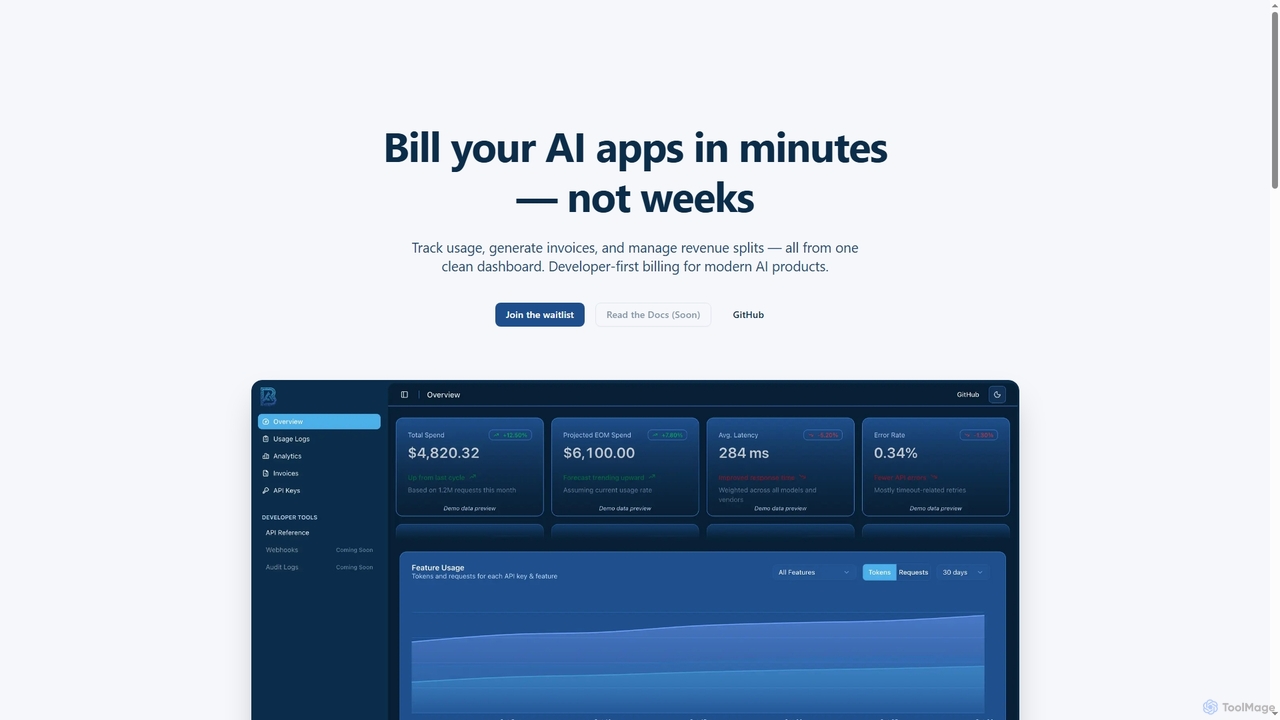
Billai is a developer-first billing and analytics platform for AI applications. It enables developers to track usage, automate …
Billai is a developer-first billing and analytics platform for AI applications. It enables developers to track usage, automate invoicing, manage subscriptions, and handle complex revenue splits through a simple SDK and dashboard.
Usermaven
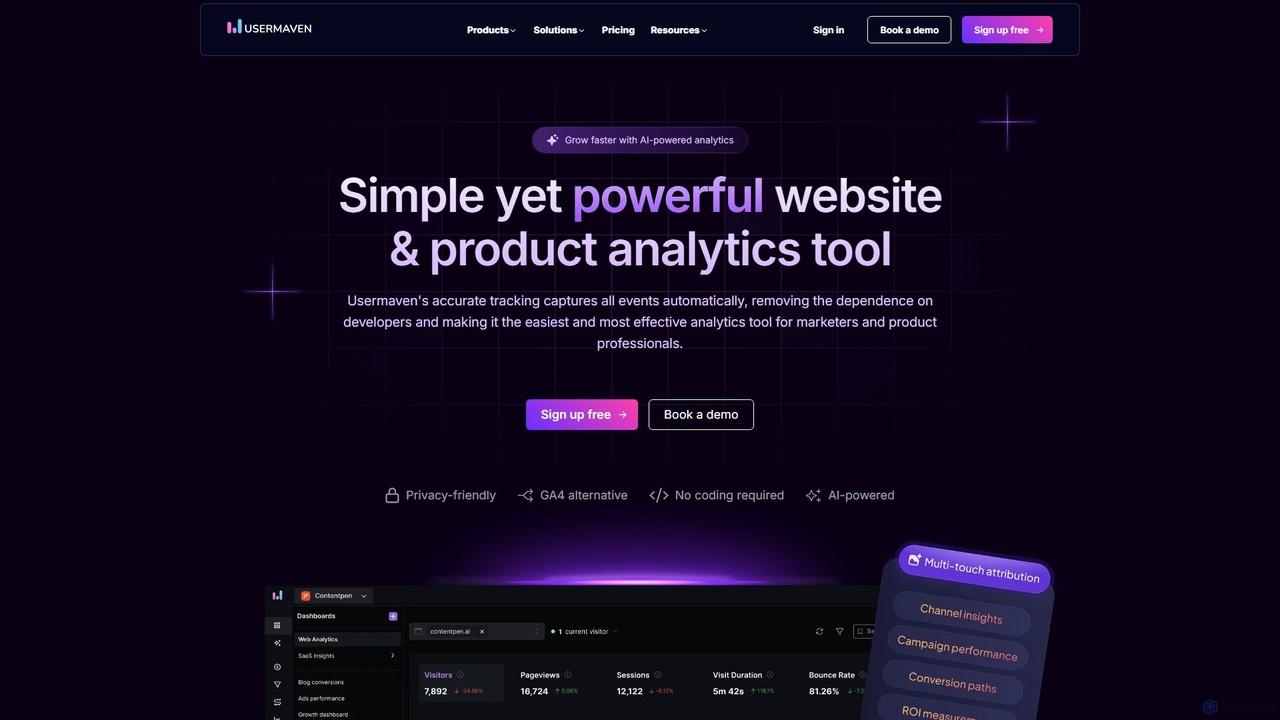
Usermaven is an all-in-one, privacy-friendly analytics and attribution platform. It unifies website and product analytics to provide a …
Usermaven is an all-in-one, privacy-friendly analytics and attribution platform. It unifies website and product analytics to provide a complete view of the customer journey, from the first ad click to in-app behavior. As a powerful Google Analytics alternative, it offers cookieless tracking, no-code event capture, and AI-powered insights for SaaS, marketing teams, and agencies.
IGBurst White Label SaaS
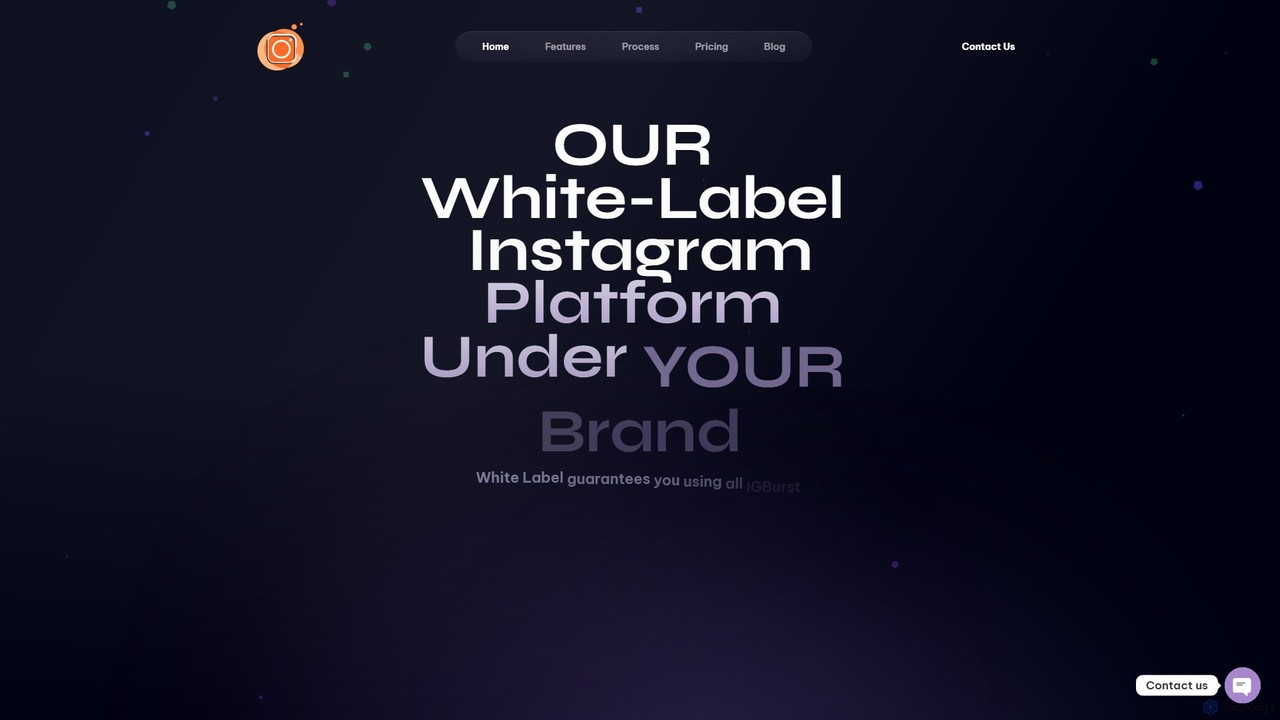
A comprehensive white-label SaaS platform that enables agencies, marketers, and entrepreneurs to launch their own Instagram automation and …
A comprehensive white-label SaaS platform that enables agencies, marketers, and entrepreneurs to launch their own Instagram automation and growth business. Offer a suite of AI-powered tools under your brand, including mass story viewing, auto-following, and advanced analytics, without any coding required.
Chargeblast
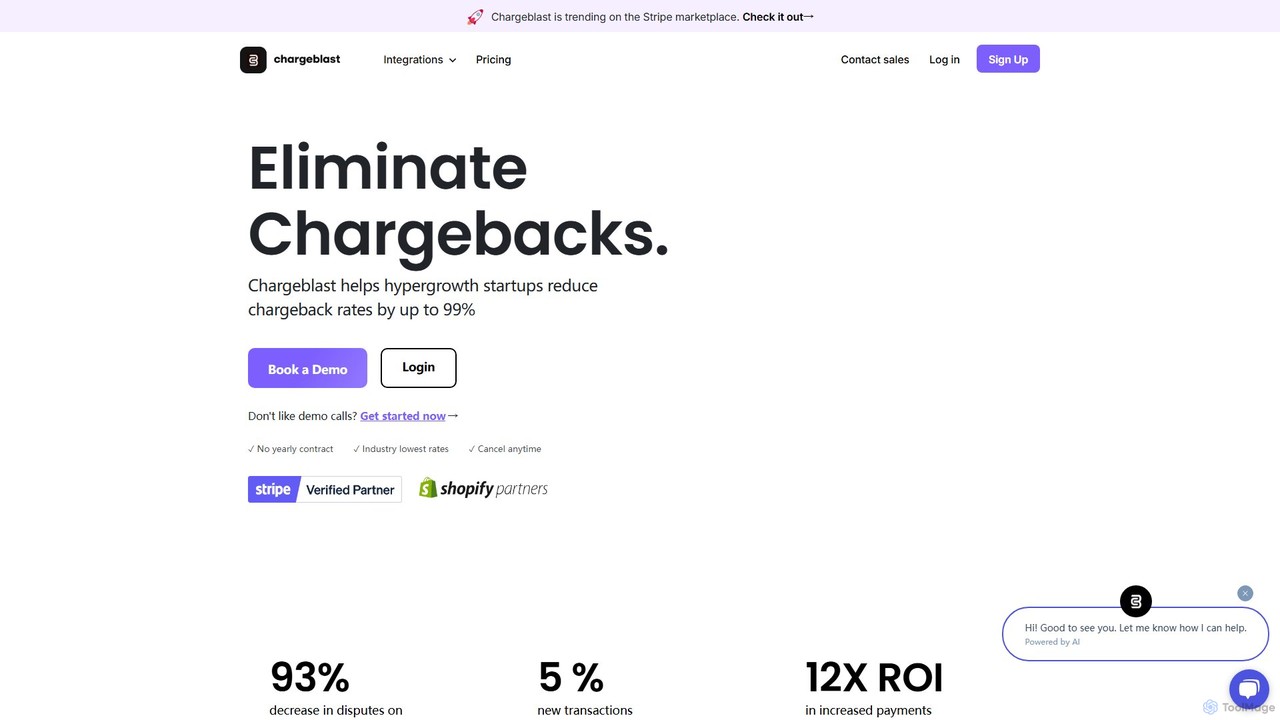
Chargeblast is a chargeback prevention tool that provides real-time alerts, allowing merchants to refund transactions before they become …
Chargeblast is a chargeback prevention tool that provides real-time alerts, allowing merchants to refund transactions before they become official disputes. It helps businesses drastically reduce dispute rates, save on fees, avoid high-risk monitoring, and increase revenue by accepting more payments.
StartKit.AI
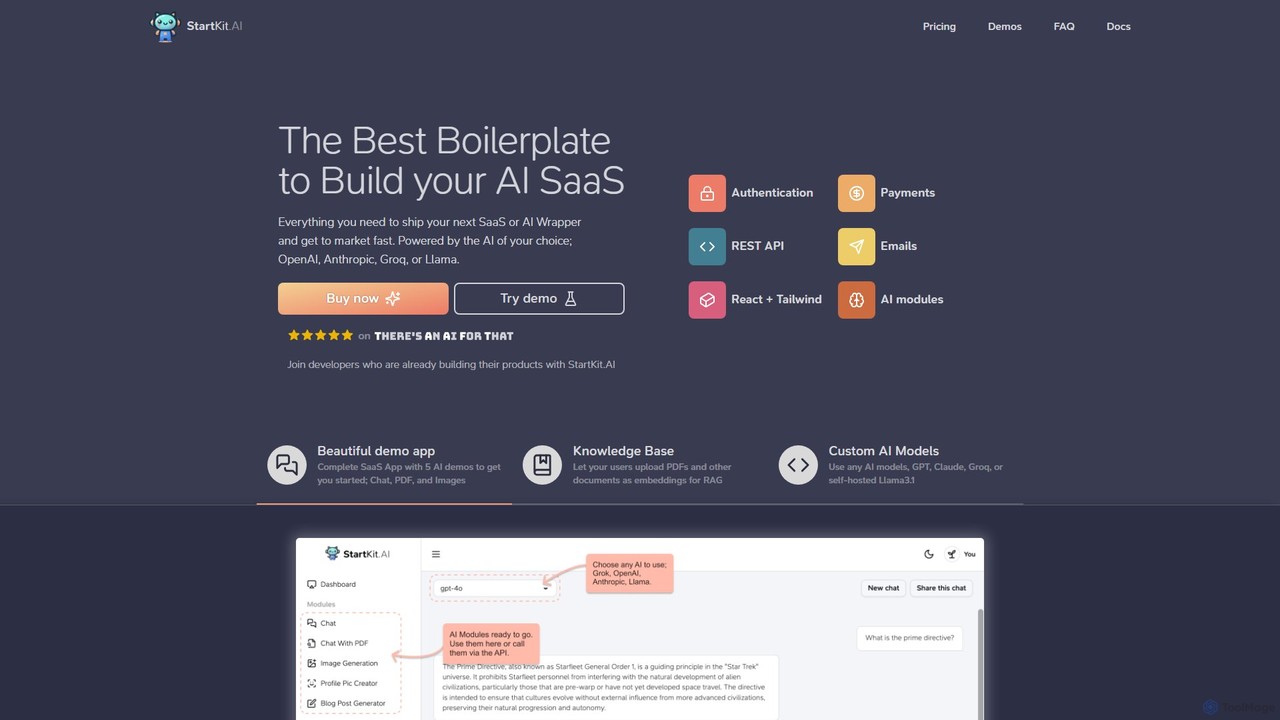
StartKit.AI is a comprehensive boilerplate for developers and entrepreneurs to rapidly build and launch AI-powered SaaS applications. It …
StartKit.AI is a comprehensive boilerplate for developers and entrepreneurs to rapidly build and launch AI-powered SaaS applications. It provides a complete codebase with pre-built modules for user authentication, payments, AI model integration (OpenAI, Anthropic, Groq, Llama), and more. With ready-to-use demo apps and detailed documentation, it significantly reduces development time, allowing you to get your AI product to market faster.
Kibu
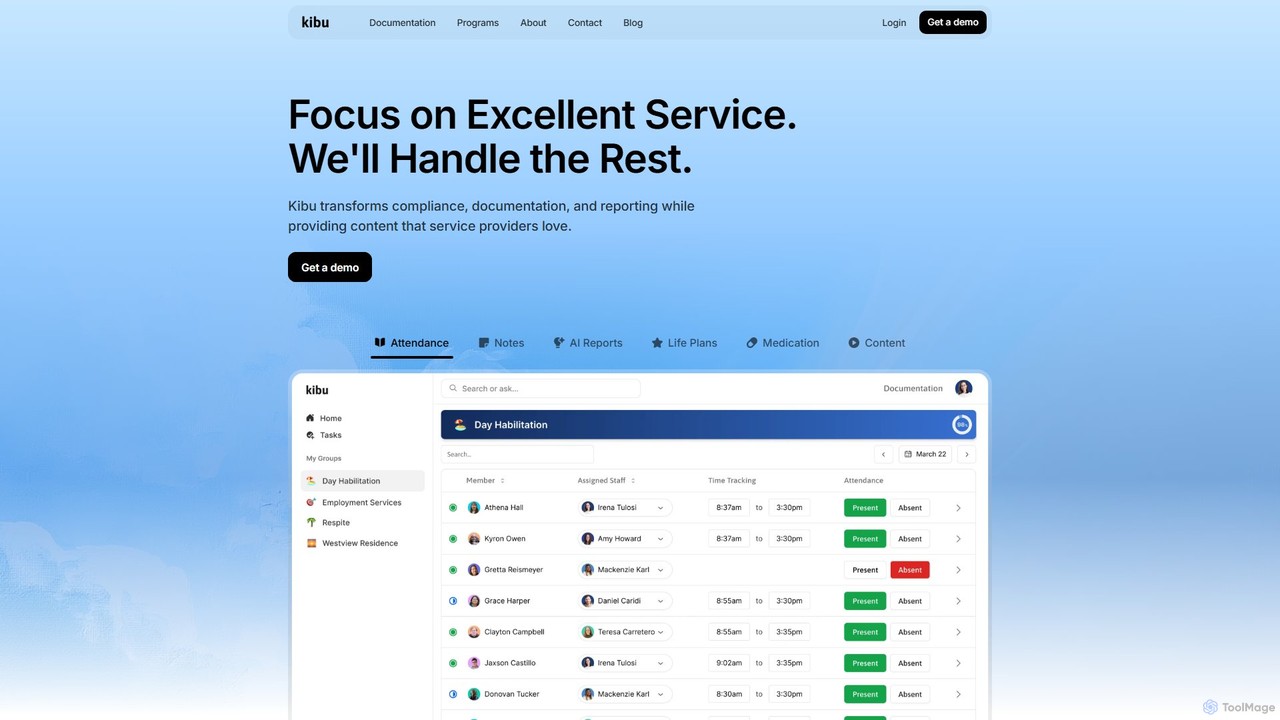
Kibu is an AI-powered, HIPAA-compliant platform designed for disability service providers. It streamlines operations by simplifying documentation, ensuring …
Kibu is an AI-powered, HIPAA-compliant platform designed for disability service providers. It streamlines operations by simplifying documentation, ensuring regulatory compliance, and managing member care. Featuring AI-assisted service notes, built-in translation, and real-time reporting, Kibu empowers Direct Support Professionals (DSPs) to focus on delivering excellent service while automating administrative tasks. It's a unified, mobile-ready solution for modern care organizations.
Slicker
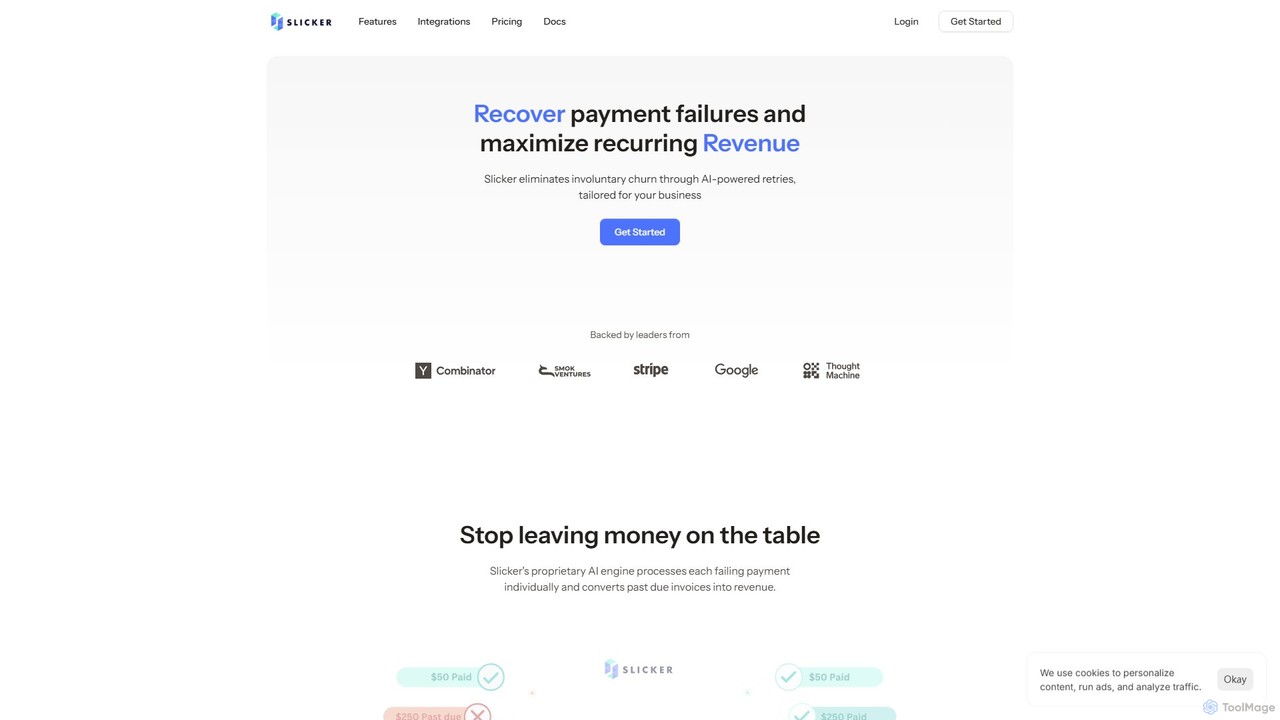
Slicker is an AI-powered platform designed to automatically recover failed recurring payments and reduce involuntary churn for subscription-based …
Slicker is an AI-powered platform designed to automatically recover failed recurring payments and reduce involuntary churn for subscription-based businesses. By using a state-of-the-art machine learning model, it optimizes payment retry attempts at the most opportune times, significantly boosting revenue recovery rates compared to standard billing systems.
About Saas
AI SaaS (Software as a Service) tools are cloud-based applications that integrate artificial intelligence to deliver advanced, intelligent functionalities on a subscription basis. These platforms leverage technologies like machine learning and natural language processing (NLP) to automate complex tasks and provide data-driven insights. By using AI SaaS, businesses can access powerful capabilities such as automated customer support, personalized marketing, and intelligent workflow management without needing extensive in-house development. This model makes sophisticated AI accessible, scalable, and cost-effective for organizations of all sizes.
Core Features
- Predictive Analytics: Utilizes historical data and machine learning algorithms to forecast future trends, customer behavior, and business outcomes.
- Natural Language Processing (NLP): Enables software to understand, interpret, and generate human language, powering features like chatbots and sentiment analysis.
- Intelligent Automation: Adapts to new information to optimize workflows for tasks like lead scoring or fraud detection, going beyond simple rule-based automation.
- Personalization Engines: Dynamically tailors content, product recommendations, and user experiences in real-time based on individual user data.
Use Cases
AI SaaS tools are applied across numerous departments. Marketing teams use them for dynamic customer segmentation and campaign personalization. Sales departments leverage them for predictive lead scoring and CRM automation. In customer service, AI-powered chatbots provide 24/7 support, while operations teams use them for demand forecasting and supply chain optimization.
How to Choose
When selecting an AI SaaS tool, first evaluate its integration capabilities with your existing software stack (e.g., CRM, ERP). Assess the platform's scalability to ensure it can grow with your business. Scrutinize its data security policies and compliance certifications (like GDPR or SOC 2). Finally, consider the transparency of the AI models and align the pricing structure with your budget and expected usage.
SaasUse Cases
Automate Customer Support with AI Chatbots
A growing e-commerce company implements an AI SaaS chatbot on its website and messaging apps. The chatbot, trained on past support tickets and product FAQs, handles over 70% of common customer inquiries, such as order tracking, return policies, and product questions, 24/7. This frees up human support agents to focus on complex, high-value issues that require empathy and critical thinking. As a result, the company reduces average response time from hours to seconds and improves customer satisfaction scores by 15% within three months.
Intelligent Lead Scoring for Sales Teams
A B2B technology company uses an AI SaaS-powered CRM to automatically score incoming leads. The AI analyzes dozens of data points, including company size, industry, website engagement, and email interactions, to predict which leads are most likely to convert. The sales team can then prioritize their efforts on the highest-scoring leads, tailoring their outreach more effectively. This process replaces manual lead qualification, increases the sales team's efficiency by 30%, and leads to a 20% uplift in conversion rates for marketing-qualified leads.
Personalized Email Marketing at Scale
An online retailer uses an AI SaaS marketing automation platform to enhance its email campaigns. The AI analyzes each customer's browsing history, purchase data, and demographic information to create highly personalized content. It automatically populates emails with relevant product recommendations, custom subject lines, and optimal send times for each individual. This level of personalization, unachievable through manual segmentation, results in a 40% increase in email open rates and a 25% higher click-through rate, driving significant revenue growth.
Predictive Financial Forecasting and Budgeting
A finance department at a mid-sized corporation subscribes to an AI SaaS platform for financial planning and analysis. The tool connects to their ERP and accounting software, analyzing historical financial data, sales pipelines, and external market indicators. It generates more accurate revenue and cash flow forecasts than traditional spreadsheet models. The AI also identifies potential budget variances proactively, allowing managers to make timely adjustments. This leads to better capital allocation, a 10% reduction in forecasting errors, and more strategic financial decision-making.
Optimize Supply Chain with Demand Forecasting
A retail chain uses an AI SaaS platform to predict demand for thousands of products across hundreds of stores. The AI model analyzes historical sales data, seasonality, promotional calendars, and even external factors like weather forecasts and local events. This provides store managers with highly accurate demand forecasts, allowing them to optimize inventory levels. The result is a significant reduction in stockouts of popular items and less overstocking of slow-moving products, improving both sales and profit margins.
Automate HR Recruitment Screening
A large enterprise's HR department uses an AI SaaS recruitment platform to manage high volumes of job applications. The AI scans and parses thousands of resumes, automatically screening candidates based on predefined criteria like skills, experience, and education. It ranks applicants, identifies top matches, and can even schedule initial interviews. This automation reduces the time-to-hire by 40% and allows recruiters to spend more quality time engaging with the most promising candidates rather than on manual administrative tasks.