Analytics Best in category 4 results Web Analytics AI Tool

Popular AI tools in the Web Analytics field of Analytics include Usermaven、Seline、Geol、Litlyx, etc., helping you quickly improve efficiency.

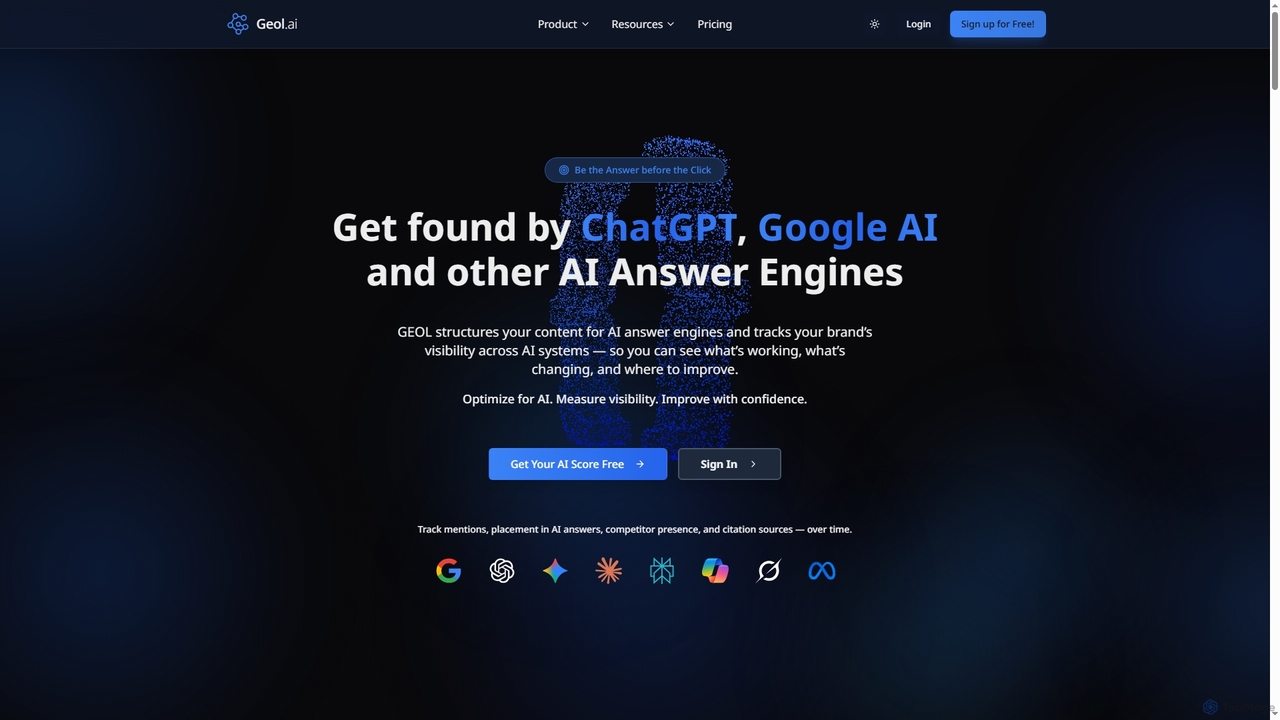
Geol

Geol

Geol is an advanced AI Search Engine Optimization (GEO) platform that helps businesses get discovered by AI answer …

3.9K
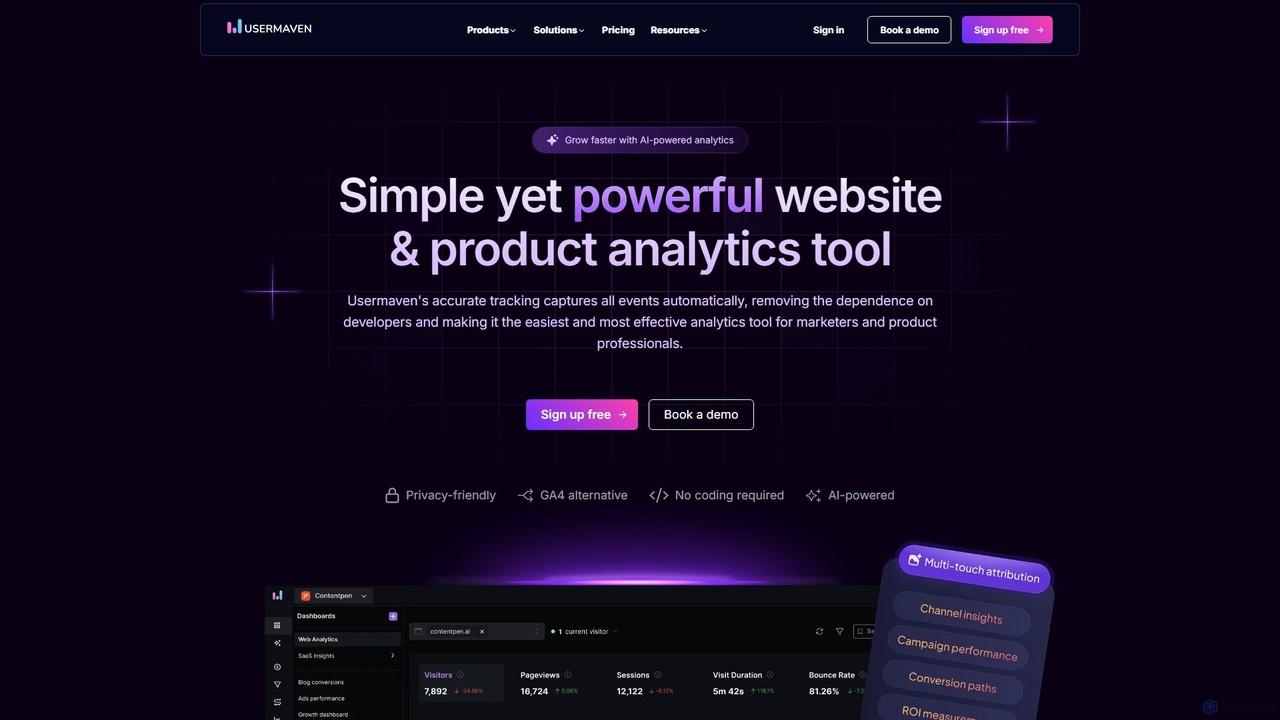
Usermaven

Usermaven

Usermaven is an all-in-one, privacy-friendly analytics and attribution platform. It unifies website and product analytics to provide a …

53.6K
Seline

Seline

Seline is a privacy-first, lightweight, and user-friendly website and product analytics platform. As a cookieless alternative to Google …

33.1K
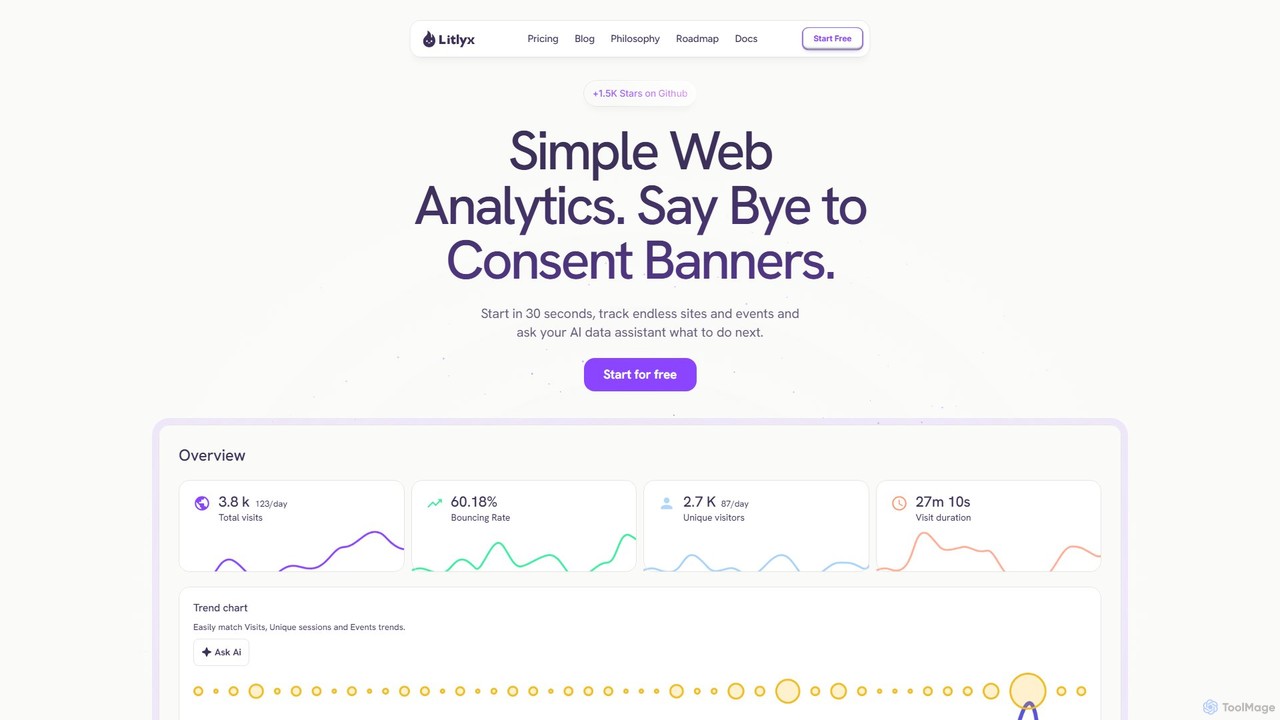
Litlyx

Litlyx

Litlyx is a privacy-first, GDPR-compliant web analytics tool designed as a simple, fast, and powerful alternative to Google …

3.8K

About Web Analytics

Web Analytics tools are AI-powered solutions designed to collect, process, and analyze data on user behavior and interactions with websites. These tools leverage advanced algorithms to provide deep insights into traffic sources, user journeys, content engagement, and conversion patterns. Their primary value lies in enabling businesses to understand their online audience, optimize website performance, and make data-driven decisions to enhance user experience and achieve business goals.

Core Features

  • Real-time Monitoring: Track live website activity, including active users, page views, and conversions as they happen.
  • User Journey Mapping: Visualize and understand the paths users take through a website, identifying common flows and drop-off points.
  • Conversion Funnel Analysis: Analyze multi-step processes like sign-ups or purchases to pinpoint where users abandon the journey.
  • Predictive Analytics: Utilize AI to forecast future user behavior and trends, such as potential churn or conversion likelihood.
  • A/B Testing Integration: Seamlessly connect with testing platforms to measure the impact of website changes on user metrics.

Applicable Scenarios

Web Analytics is crucial for e-commerce sites to optimize sales funnels, for content publishers to understand reader engagement, and for marketing teams to evaluate campaign effectiveness. It helps product managers refine user interfaces and developers identify performance bottlenecks.

How to Choose

When selecting Web Analytics tools, consider the granularity of data collection, integration capabilities with other marketing and CRM platforms, the depth of AI-driven insights (e.g., anomaly detection, predictive modeling), and the flexibility of reporting and visualization features. Also, evaluate data privacy compliance and pricing models based on your traffic volume.

Web AnalyticsUse Cases

1

Optimizing E-commerce Conversion Funnels

E-commerce managers utilize Web Analytics to meticulously track user progression through the shopping journey, from product discovery to checkout. By analyzing drop-off rates at each stage, they can identify critical friction points, such as complex forms or slow loading pages, and implement targeted improvements to significantly boost conversion rates and revenue.

2

Personalizing User Experiences

Marketing teams leverage Web Analytics data to segment website visitors based on their demographics, interests, and past interactions. This enables the dynamic delivery of personalized content, product recommendations, and targeted offers, creating a more relevant and engaging experience for each user, which in turn increases retention and loyalty.

3

Improving Content Strategy with Performance Data

Content creators and publishers analyze metrics like page views, time on page, bounce rate, and scroll depth for individual articles or blog posts. These insights reveal which topics resonate most with the audience and which content formats perform best, guiding future content creation and optimization efforts to maximize engagement and organic reach.

4

Enhancing SEO and Organic Traffic

SEO specialists rely on Web Analytics to monitor organic search performance, track keyword rankings, and understand user behavior originating from search engines. By identifying high-performing landing pages and areas for improvement, they can refine SEO strategies, optimize website structure, and content to attract more qualified organic traffic.

5

Evaluating Marketing Campaign Effectiveness

Digital marketers integrate their campaign data with Web Analytics to gain a comprehensive view of campaign performance across various channels. They track user acquisition, engagement, and conversion metrics attributed to specific campaigns, allowing for precise ROI measurement, budget allocation optimization, and more effective future campaign planning.

6

Detecting Website Performance Issues and Anomalies

Site administrators and developers use Web Analytics to continuously monitor website health. AI-powered anomaly detection can automatically flag unusual spikes in bounce rates, sudden drops in traffic, or increased page load times, enabling proactive identification and resolution of technical issues before they significantly impact user experience or business operations.

Web AnalyticsFrequently Asked Questions