Koncert
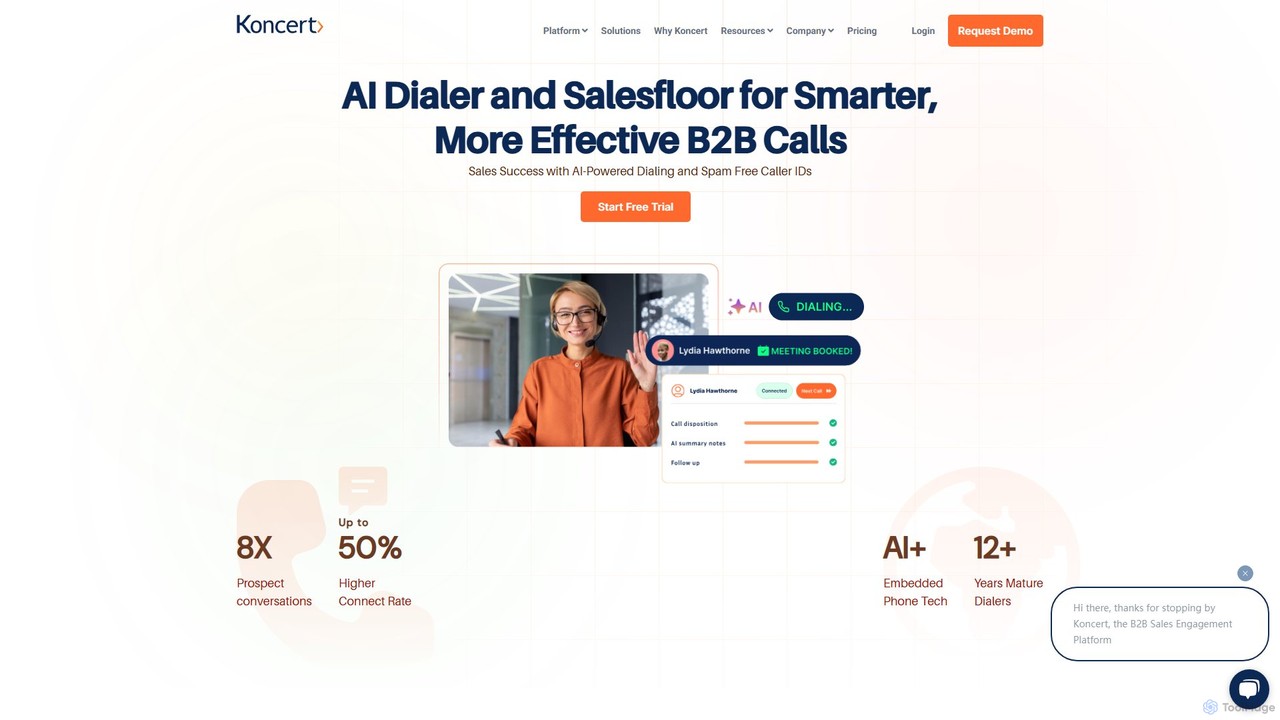
Koncert is an AI-powered sales engagement platform featuring a suite of advanced dialers and a remote salesfloor. It's …
Koncert is an AI-powered sales engagement platform featuring a suite of advanced dialers and a remote salesfloor. It's designed to dramatically increase B2B sales productivity, boost prospect connection rates, and enhance team coaching and collaboration. By leveraging AI, Koncert helps sales teams have more meaningful conversations and close more deals.
Outreach
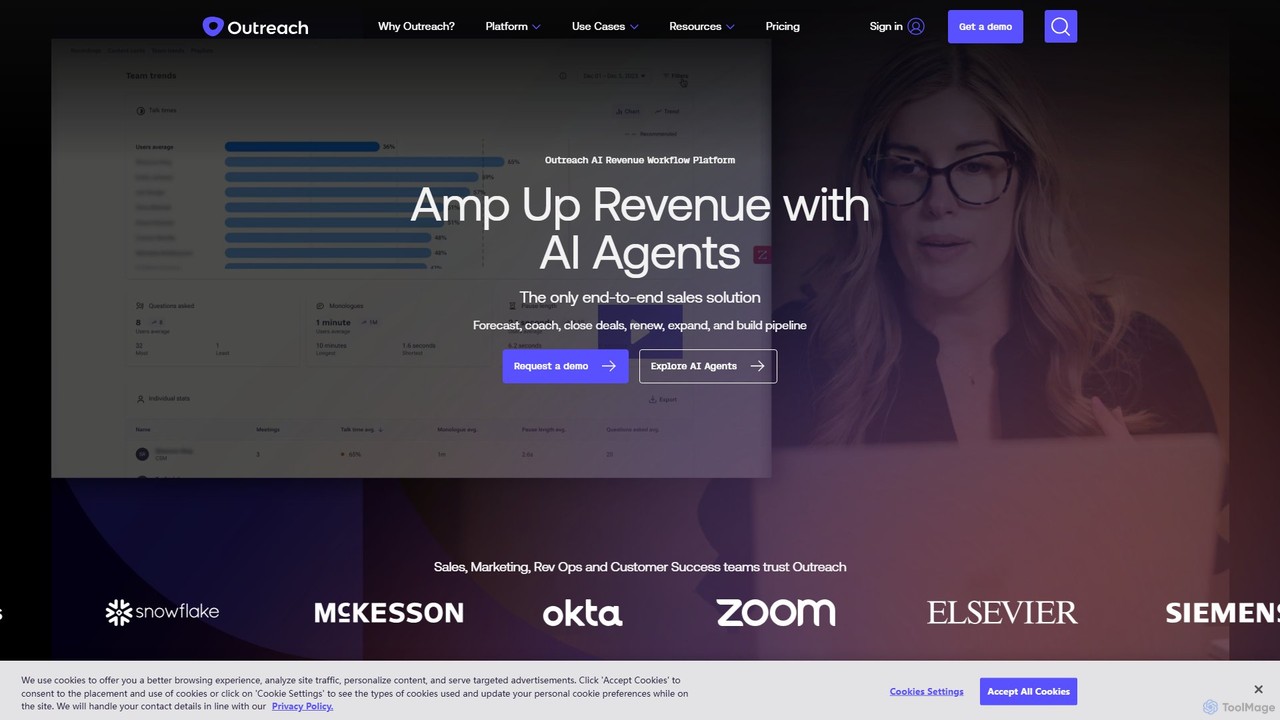
Outreach is an AI-powered Revenue Workflow Platform designed for sales, marketing, and customer success teams. It streamlines the …
Outreach is an AI-powered Revenue Workflow Platform designed for sales, marketing, and customer success teams. It streamlines the entire sales cycle, from prospecting and engagement to deal management, forecasting, and coaching, helping teams increase pipeline, improve win rates, and drive predictable revenue growth.
therocketbrew
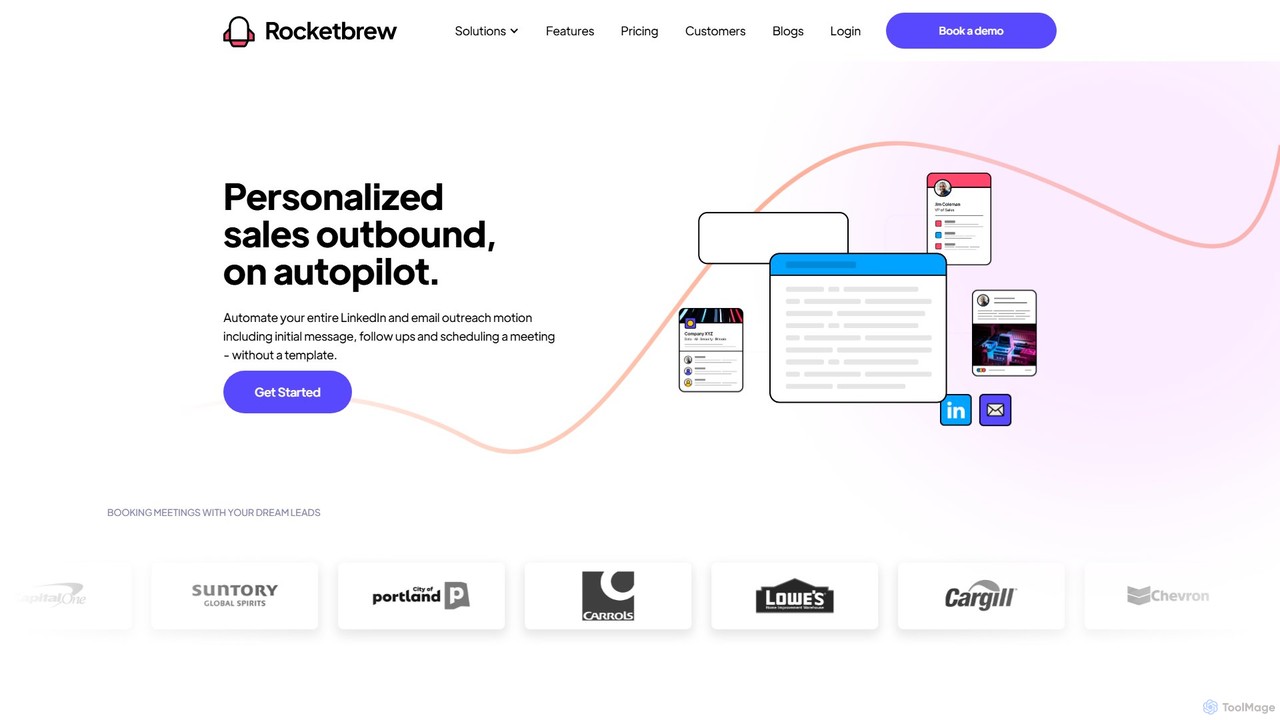
therocketbrew is an AI-powered outbound engine that automates the entire sales outreach process. It researches leads, crafts hyper-personalized …
therocketbrew is an AI-powered outbound engine that automates the entire sales outreach process. It researches leads, crafts hyper-personalized messages for LinkedIn and email, manages conversations, and books meetings directly into your calendar, all without using templates.
Vuepak
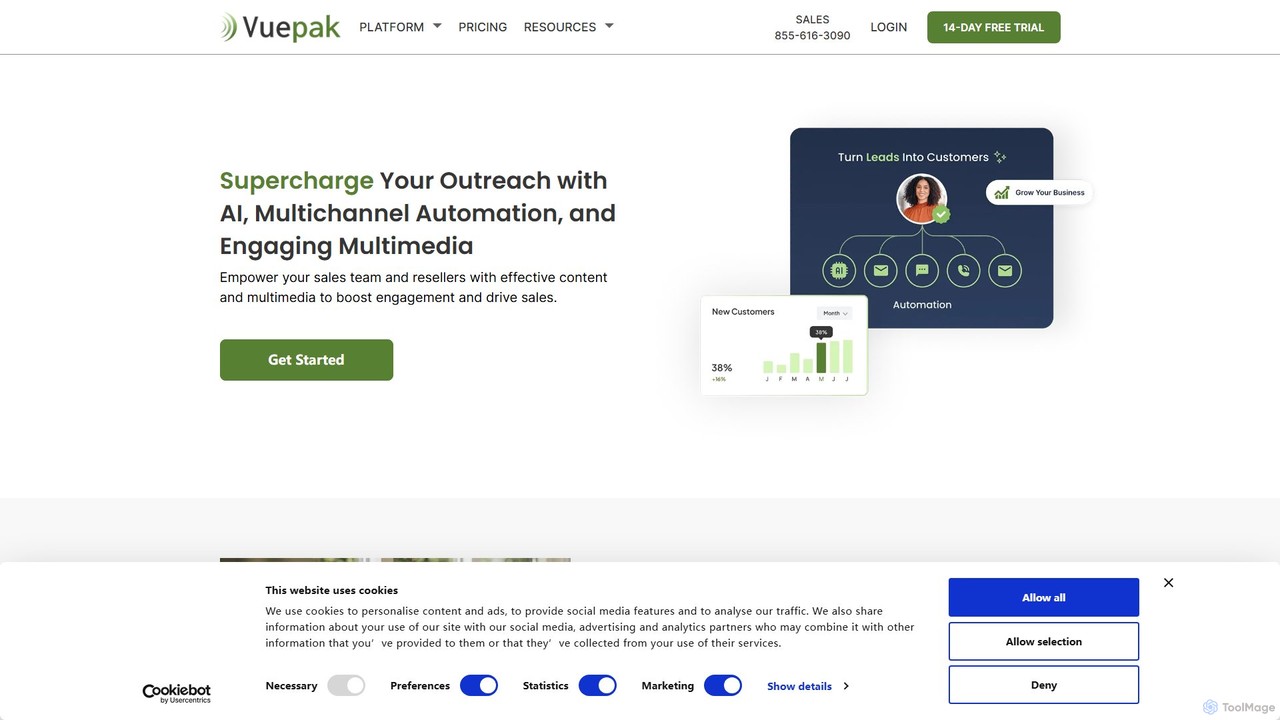
Vuepak is an AI-powered sales engagement platform designed to automate and optimize multichannel outreach. It helps sales and …
Vuepak is an AI-powered sales engagement platform designed to automate and optimize multichannel outreach. It helps sales and marketing teams connect with prospects through personalized email, LinkedIn, SMS, and video campaigns, using smart delivery to maximize engagement and conversions.

Regie.ai
Regie.ai is the world's first AI-native Sales Engagement Platform (SEP) designed to generate more pipeline. It combines AI …
Regie.ai is the world's first AI-native Sales Engagement Platform (SEP) designed to generate more pipeline. It combines AI Agents for autonomous prospecting, research, and lead warming with a powerful parallel dialer and multi-channel outreach tools. By consolidating the sales tech stack, Regie.ai helps teams reduce costs, increase efficiency, and deliver personalized buyer experiences at scale.
PersistIQ
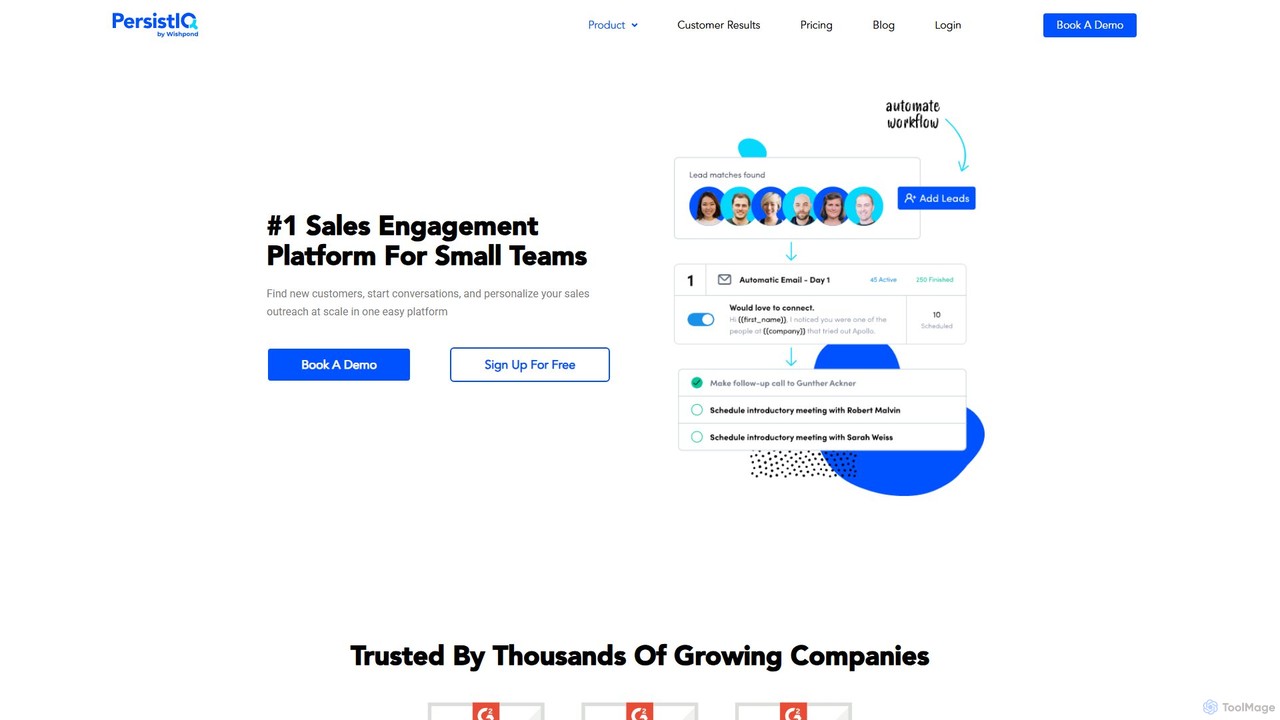
PersistIQ is a sales engagement platform designed for small teams to streamline their outreach. It helps find new …
PersistIQ is a sales engagement platform designed for small teams to streamline their outreach. It helps find new prospects, automate personalized communication across multiple channels, and analyze performance to accelerate the sales pipeline.
About Sales Engagement
Sales Engagement platforms are AI-powered tools designed to automate and optimize communication between sales teams and potential customers. They use AI to manage multi-channel outreach sequences, personalize interactions at scale, and provide data-driven insights into prospect engagement. This enables sales representatives to build stronger relationships and close deals more efficiently by focusing on high-value conversations rather than manual tasks. These platforms act as a crucial execution layer on top of a CRM, focusing specifically on implementing and tracking sales communication strategies.
Core Features
- Automated Sequences (Cadences): Build and execute multi-step, multi-channel outreach campaigns across email, phone, and social media.
- AI-Powered Personalization: Generate personalized email content and suggest the best times to contact prospects based on historical data.
- Engagement Analytics: Track open rates, click-through rates, reply rates, and meeting bookings to measure the effectiveness of outreach efforts.
- Conversation Intelligence: Record, transcribe, and analyze sales calls to identify key topics, successful talk tracks, and coaching opportunities.
- Integrated Dialer & Scheduler: Make calls directly from the platform, automatically log activity, and streamline meeting scheduling with integrated calendar links.
Use Cases
Sales Engagement tools are essential for roles like Sales Development Representatives (SDRs) automating lead qualification, Account Executives (AEs) managing complex deal cycles, and sales managers monitoring team performance. They are widely used in B2B tech, financial services, and any industry with a high volume of sales interactions to ensure consistent follow-up and personalized communication.
How to Choose
When selecting a Sales Engagement tool, prioritize its integration depth with your existing CRM (e.g., Salesforce, HubSpot). Evaluate the sophistication of its automation and sequencing capabilities. Assess the quality of its analytics and reporting to ensure you can measure ROI. Finally, consider the user interface and ease of use to promote team adoption.
Sales EngagementUse Cases
Automate Outbound Prospecting for SDRs
A Sales Development Representative (SDR) is tasked with contacting 100 new leads daily. Instead of manually sending emails and making calls, the SDR enrolls these leads into a pre-built, multi-channel sequence within a Sales Engagement platform. The sequence automatically sends a personalized initial email, schedules a follow-up call task for two days later if there's no reply, and sends a LinkedIn connection request on day four. This automation allows the SDR to focus their time on live conversations and responding to engaged prospects, significantly increasing their outreach volume and meeting booking rates without sacrificing personalization.
Coach Sales Reps with Conversation Intelligence
A sales manager wants to improve the team's ability to handle pricing objections. Using a Sales Engagement platform's Conversation Intelligence feature, all sales calls are automatically recorded and transcribed. The manager searches for calls where keywords like 'price,' 'budget,' or 'expensive' are mentioned. The AI analyzes these calls, highlighting moments of high customer sentiment and identifying which talk tracks from top performers lead to successful outcomes. The manager then uses these specific call snippets as concrete examples in team training sessions, providing actionable, data-backed coaching instead of generic advice.
Personalize Follow-ups for Account Executives
An Account Executive (AE) has just finished a product demo with a key prospect. Instead of writing a follow-up email from scratch, the AE uses an AI assistant within their Sales Engagement tool. The AI analyzes the call transcript and the prospect's data in the CRM. It then suggests a draft email that references specific pain points the prospect mentioned during the demo and attaches a relevant case study. This allows the AE to send a highly personalized and relevant follow-up in minutes, increasing the likelihood of moving the deal to the next stage while saving significant administrative time.
Standardize and Scale the Sales Playbook
A sales operations manager needs to ensure all new hires follow the company's best practices for outreach. They use the Sales Engagement platform to build a library of approved email templates and multi-step sequences for different scenarios (e.g., inbound lead follow-up, cold outbound). These sequences are shared with the entire team. Now, when a new SDR joins, they can immediately access and use proven, effective communication workflows. The manager can also track the performance of these shared sequences, identify which ones are most effective, and continuously optimize the company's sales playbook based on real-world data.
Re-engage Dormant Leads in CRM
A company's CRM is filled with thousands of old leads that have gone cold. A marketing or sales ops professional creates a long-term, low-touch nurturing sequence in their Sales Engagement platform. This sequence automatically sends a valuable piece of content (like a new report or webinar invitation) every 45 days. The platform monitors engagement. If a dormant lead suddenly clicks a link or downloads the content, the system automatically alerts the assigned sales rep and creates a task for them to follow up immediately, turning a cold database into a source of new opportunities with minimal manual effort.
Streamline Inbound Lead Qualification
A company generates hundreds of inbound leads from a recent webinar. To handle the volume, the marketing team uses a Sales Engagement tool to automatically enroll all attendees into a specific follow-up sequence. The sequence sends a 'thank you' email with the webinar recording, followed by another email two days later with a relevant case study. The platform tracks which leads open the emails, click the links, and watch the recording. Leads that show high engagement are automatically flagged as 'hot' and a task is created for an SDR to call them immediately, ensuring the sales team prioritizes the most interested prospects first.