Freemium
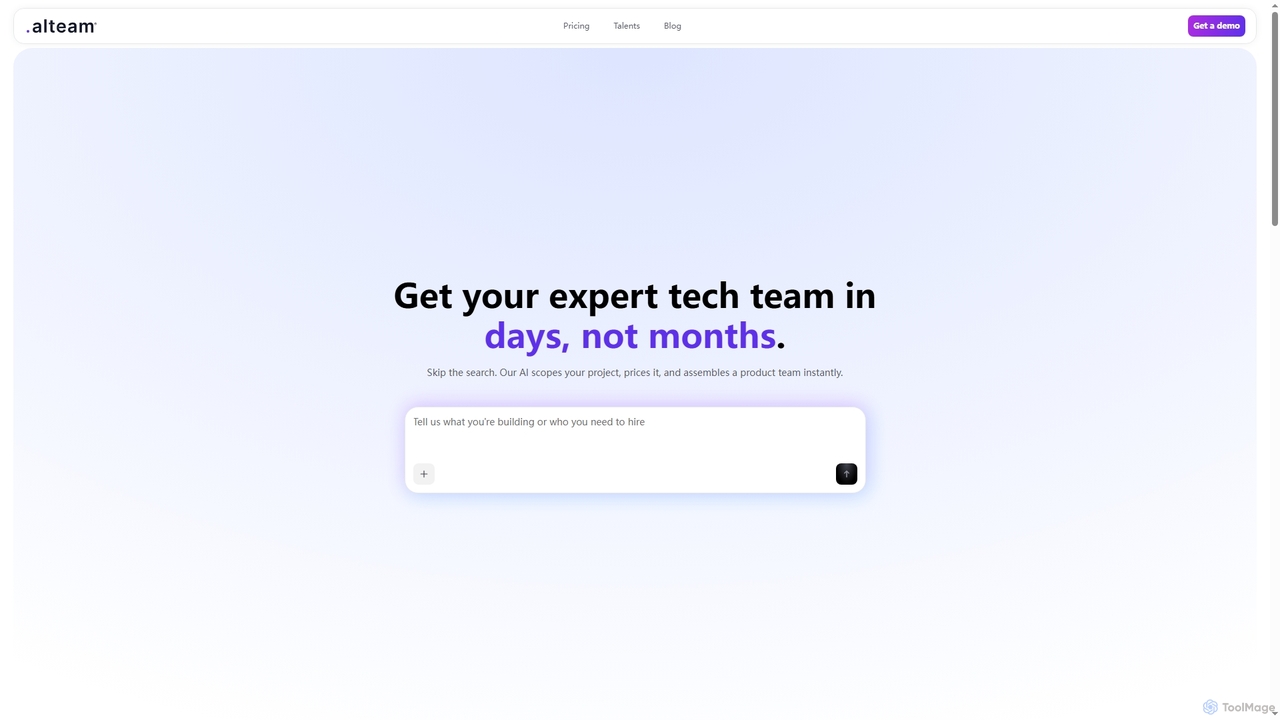
Popular Team Building AI tools in Software Development include Alteam, helping you work more efficiently.
Team Building tools are AI-powered platforms designed to enhance collaboration, communication, and cohesion within teams, particularly relevant for modern software development environments. These tools leverage machine learning and natural language processing to analyze team dynamics, facilitate engagement, and provide data-driven insights. They help foster a positive work culture, improve productivity, and ensure effective teamwork, especially in remote or hybrid settings. By automating aspects of team interaction and analysis, they enable organizations to build stronger, more resilient teams.
These tools are invaluable for HR professionals, team leads, and project managers in software development and other industries. They are used to onboard new hires effectively, maintain high morale in distributed teams, and optimize project group formations. By providing actionable insights, they help leaders proactively address team challenges and foster a more inclusive and productive environment.
When selecting a Team Building AI tool, consider its integration capabilities with existing communication platforms (e.g., Slack, Microsoft Teams), the depth of its analytical features (e.g., sentiment analysis accuracy, reporting), customization options for activities and feedback, and its data privacy and security protocols. Evaluate the user experience for both administrators and team members, and ensure it aligns with your team's specific needs and company culture.
For distributed software development teams, AI team building tools can automatically suggest and facilitate virtual social activities, personalized check-ins, and icebreakers. This helps combat isolation, fosters a sense of belonging, and ensures team members feel connected despite geographical distances. Managers can leverage AI insights to identify engagement gaps and tailor interventions, leading to a more cohesive and motivated remote workforce.
Project managers can utilize AI team building tools to form highly effective project teams. By inputting team members' skills, experience, and even personality traits, the AI can suggest optimal team compositions that maximize synergy and minimize potential conflicts. This data-driven approach ensures that each project starts with a well-balanced team, leading to improved collaboration, faster project delivery, and higher quality outcomes in software development.
AI team building tools can significantly enhance the onboarding experience for new employees, especially in large or remote organizations. They can automatically match new hires with mentors or buddies based on shared interests or skill sets, suggest relevant team members to connect with, and even facilitate initial icebreaker conversations. This personalized approach helps new team members integrate faster, feel more welcome, and quickly understand team dynamics and culture.
AI-powered team building tools can assist in identifying and mitigating potential conflicts within a team. Through sentiment analysis of communication channels and anonymous feedback mechanisms, the AI can flag areas of tension or dissatisfaction. It can then suggest targeted interventions, provide resources for conflict resolution, or even facilitate structured feedback sessions, helping team leaders address issues proactively and maintain a harmonious working environment.
In complex software development projects, cross-functional collaboration is key. AI team building tools can analyze project requirements and team member skills across different departments (e.g., development, QA, design) to identify optimal collaboration points and suggest individuals who would benefit from working together. This helps break down silos, encourages knowledge sharing, and ensures that diverse perspectives are integrated, leading to more innovative solutions and efficient workflows.
AI team building tools can contribute to individual and team growth by identifying skill gaps and recommending personalized professional development paths. By analyzing project performance, feedback, and individual aspirations, the AI can suggest relevant training modules, workshops, or peer-learning opportunities. This proactive approach ensures that team members continuously develop, aligning their growth with team and organizational goals, which is crucial for long-term success in dynamic fields like software development.
AI Team Building tools are software solutions that use artificial intelligence to enhance team collaboration, communication, and overall cohesion. They leverage technologies like natural language processing and machine learning to analyze team dynamics, automate engagement activities, and provide data-driven insights. These tools aim to foster a positive work environment, improve productivity, and strengthen relationships among team members, especially in modern work settings.
AI Team Building tools offer a data-driven, scalable, and personalized approach compared to traditional methods. While traditional methods often rely on manual organization of events or subjective observations, AI tools provide objective insights into team dynamics through sentiment analysis and collaboration analytics. They can automate repetitive tasks, offer personalized recommendations for engagement, and adapt to individual team member needs, making them more efficient and effective for diverse and distributed teams.
When choosing an AI Team Building platform, prioritize features that offer deep insights and actionable interventions. Look for robust sentiment analysis and feedback mechanisms, automated engagement activity generators (e.g., icebreakers, quizzes), and advanced analytics for collaboration patterns. Integration with your existing communication and HR platforms is crucial. Additionally, consider features like skill and personality matching for optimal team formation, personalized communication nudges, and strong data privacy and security protocols to protect sensitive team information.
Absolutely. AI Team Building tools are particularly effective in improving remote work cohesion. They can bridge geographical gaps by facilitating virtual social interactions, personalized check-ins, and automated icebreakers that mimic in-person team building. By analyzing communication patterns and sentiment, these tools help identify and address signs of isolation or disengagement in remote teams, ensuring that all members feel connected, valued, and part of a unified team, ultimately boosting morale and productivity.
Privacy is a critical consideration when deploying AI for team building, as these tools often process sensitive communication and personal data. Organizations must ensure compliance with data protection regulations (e.g., GDPR, CCPA) and clearly communicate data collection and usage policies to team members. Look for tools that offer robust encryption, anonymization features, and transparent data handling practices. Prioritize platforms that allow granular control over data sharing and provide clear opt-out options, fostering trust and ethical AI usage within the team.